

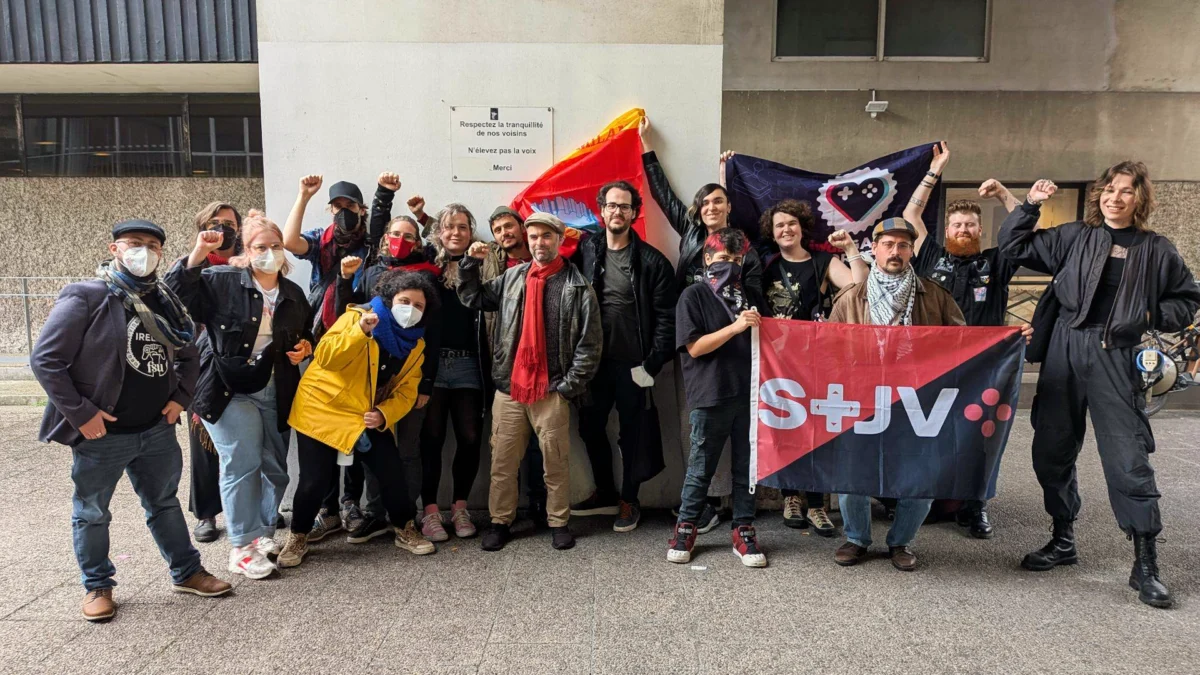
For decades, the video game industry was defined by a culture of "crunch," precarious employment, and a pervasive silence surrounding labor grievances. However, the last eight years have witnessed a seismic shift. From the quiet halls of indie studios to the sprawling campuses of global conglomerates, a wave of unionization is sweeping the sector, transforming how developers, artists, and voice actors engage with their employers.
What began as a nascent movement of concerned individuals has evolved into a sophisticated, international network of organized labor. As workers increasingly demand protections against layoffs, AI-driven displacement, and poor working conditions, the industry is entering a new era where "social dialogue" is no longer optional—it is becoming the standard.
A Brief Chronology: From Grassroots to Global Power
The modern push for gaming unions traces its roots back roughly eight years, with the emergence of advocacy groups like "Game Workers Unite." At that time, the prospect of a unionized studio was often dismissed by leadership as incompatible with the "passion-driven" nature of game development.
- 2016–2018: The early, experimental phase. Activists began forming loose networks to discuss industry-wide issues like burnout and wage disparity.
- 2019–2021: The formalization period. In France, Solidaires Informatique began gaining significant traction within Ubisoft, marking a departure from previous years where worker councils were largely vacant of union representation.
- 2022–2023: The era of direct action. High-profile walkouts and protests occurred at major industry titans, including Activision, Riot Games, and Bethesda.
- 2024: The era of legal victories. Landmark successes, such as the ratification of the first union contract between Microsoft and 1,900 Blizzard workers, signaled that the movement had reached a level of maturity capable of securing binding, industry-shifting agreements.
The Drivers of Change: Why Now?
The surge in unionization is not merely reactive; it is a response to structural instabilities that have plagued the industry for years. Austin Kelmore, co-founder of the IWGB Game Workers and Game Worker Solidarity, notes that the discourse has fundamentally shifted.
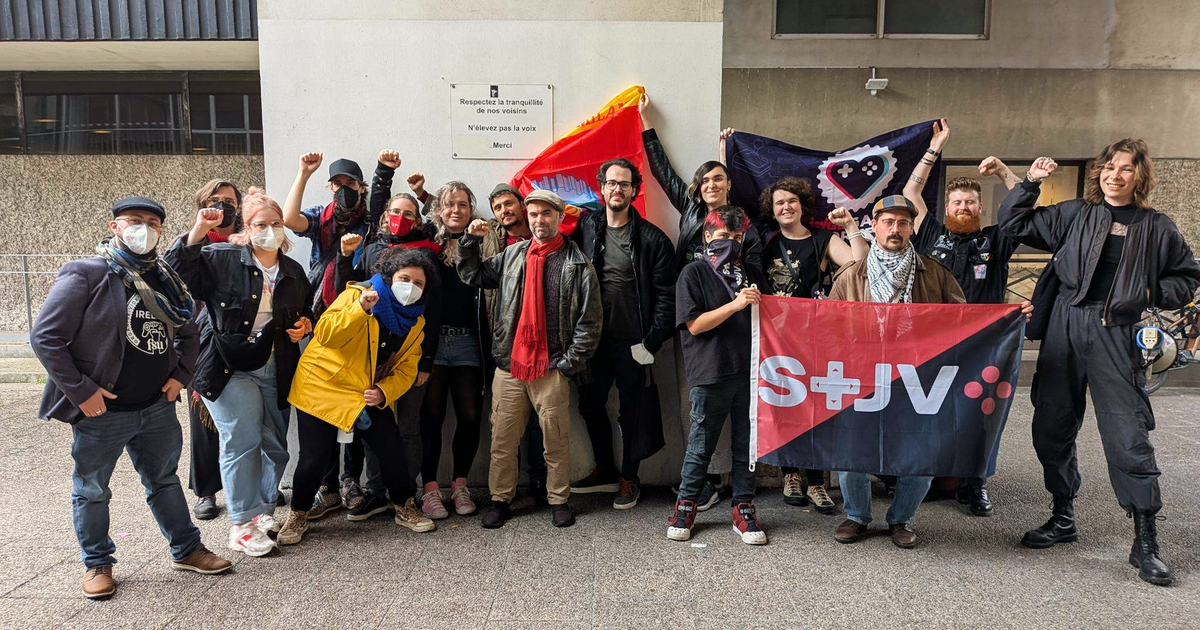
"The conversation has moved from ‘Should the games industry unionize?’ to ‘Which workers are going to unionize next?’" Kelmore observes. "We are seeing workers in over 130 distinct groups across 15 countries organizing to win real, material improvements."
The drivers behind this shift include:
- AI and Creative Automation: As generative AI tools threaten to displace human labor, unions have positioned themselves as the primary defenders of creative integrity and job security.
- The Layoff Crisis: Widespread industry contraction has left workers feeling vulnerable, forcing them to turn to collective bargaining for severance, recall rights, and fair redundancy procedures.
- Mismanagement and Compliance: Many early union activities were focused on educating employers on their own legal obligations—ensuring that companies complied with labor laws regarding harassment, disability accommodations, and disciplinary procedures.
Supporting Data: The Material Impact of Organizing
The impact of these unions is increasingly quantifiable. Far from being abstract advocacy groups, these organizations have secured tangible benefits for their members.
In the United States, the Communications Workers of America (CWA) helped secure a historic contract at Blizzard that includes:

- Wage Increases: Up to 34% for covered employees.
- Job Security: Robust recall rights following layoffs.
- Workplace Flexibility: Explicit protections for hybrid and remote working arrangements.
- Severance: Standards that exceed industry norms.
Across Europe, the results vary but remain significant. In France, the maturity of unions like Solidaires Informatique has ensured that workers have a seat at the table in "Comité Social et Economique" (worker councils) at almost every major Ubisoft studio. In Poland, despite a challenging legal environment—where labor laws were written for 1980s heavy industry—the Polish Gamedev Workers Union has successfully provided legal aid and negotiated workplace regulations for employees across ten studios.
The Human Element: Challenges and Barriers
Despite the momentum, the path to universal unionization remains fraught with obstacles. Not all regions offer a friendly legal framework for labor organizing.
Artur Ganszyniec, a member of the Polish Gamedev Workers Union, highlights the "precarity trap." In Poland, nearly 40% of developers operate as independent contractors or "one-person companies." By doing so, they sacrifice essential protections like paid sick leave and notice periods, often without fully realizing the long-term cost. "The law is written in favor of the employers," Ganszyniec explains, noting that companies often use legal fees to stall union cooperation, effectively pricing out smaller organizing efforts.
Furthermore, the "fear factor" remains prevalent. Marc Rutschlė, a representative for Solidaires Informatique, notes that many workers remain terrified of management retaliation. This fear is compounded by the "corporate communication" strategy often employed by HR departments, which typically frames internal company culture as "perfect" while suppressing dissent.

"Unions are the people you go talk to when something bad happens," Rutschlė says. "They provide a necessary counterpoint to the corporate narrative."
Official Perspectives: The Value of Collective Power
The industry is beginning to recognize that unions are not inherently adversarial, but rather essential for long-term sustainability.
"Companies are learning that the more power workers build, the more they have to concede if they want the work done," says Kelmore. By forcing companies to follow proper disciplinary and grievance procedures, unions have actually helped professionalize the HR functions of many studios.
There is also a growing understanding of the "human capital" argument. High turnover is a death knell for long-term game development. By securing better working conditions, reducing crunch, and fostering a more diverse workforce, unions are indirectly contributing to the creation of better games.

"It means having more experienced and more diversified workers," Rutschlė argues. "And that leads to better, more creative, and more sustainable game development."
Implications for the Future of Work
As the industry looks toward the future, the focus is shifting from local organizing to global collaboration. Unions are increasingly sharing training materials, legal documents, and strategies across borders. When workers in the UK face layoffs, their counterparts in North America and France have staged solidarity protests, signaling a new era of transnational labor solidarity.
The upcoming GamesIndustry.biz HR Summit on October 1st will dedicate specific sessions to this topic, offering guidance on how HR professionals can productively engage with these unions. This reflects a new reality: HR departments can no longer operate in a vacuum.
For the average game worker, the message is clear: the era of the "lone developer" fighting for scraps is being replaced by a culture of collective strength. Whether through securing AI protections, negotiating four-day work weeks, or simply ensuring that the law is upheld, the union movement has proven that it is the most effective tool currently available to professionalize, protect, and sustain the global video game industry.

As Kelmore succinctly puts it: "Unions are what we make them, and they’re always a work in progress. But once people experience for themselves the process of creating change, they will never forget it."

