


This feature was originally published in PC Gamer #305 (UK, June 2017). It has been expanded and updated to reflect the enduring legacy and ongoing evolution of the colony simulation genre.
In the vast landscape of PC gaming, few genres possess the narrative potency of the colony sim. It is a genre that thrives on the unexpected, turning mundane administrative tasks into epic sagas of triumph, tragedy, and absurdity. Whether you are managing a subterranean fortress of grumpy dwarves, overseeing a desperate band of survivors on a hostile alien planet, or commanding the demonic legions of an underworld lair, the core appeal remains the same: you are not the hero; you are the facilitator of destiny.
Colony sims are a testament to the power of systemic design. By creating robust AI systems that govern the needs, desires, and social interactions of virtual inhabitants, developers have created a unique sandbox where stories aren’t written by scripts, but emerge organically from the friction between the player’s directives and the colonists’ autonomy.
The Genesis of Autonomy: A Chronology of the Genre
The roots of the colony sim are firmly planted in the 1990s, a decade defined by bold experimentation in PC architecture. While city-builders like SimCity offered a top-down view of urban planning, they lacked the intimate, character-driven focus that would define the colony sim.
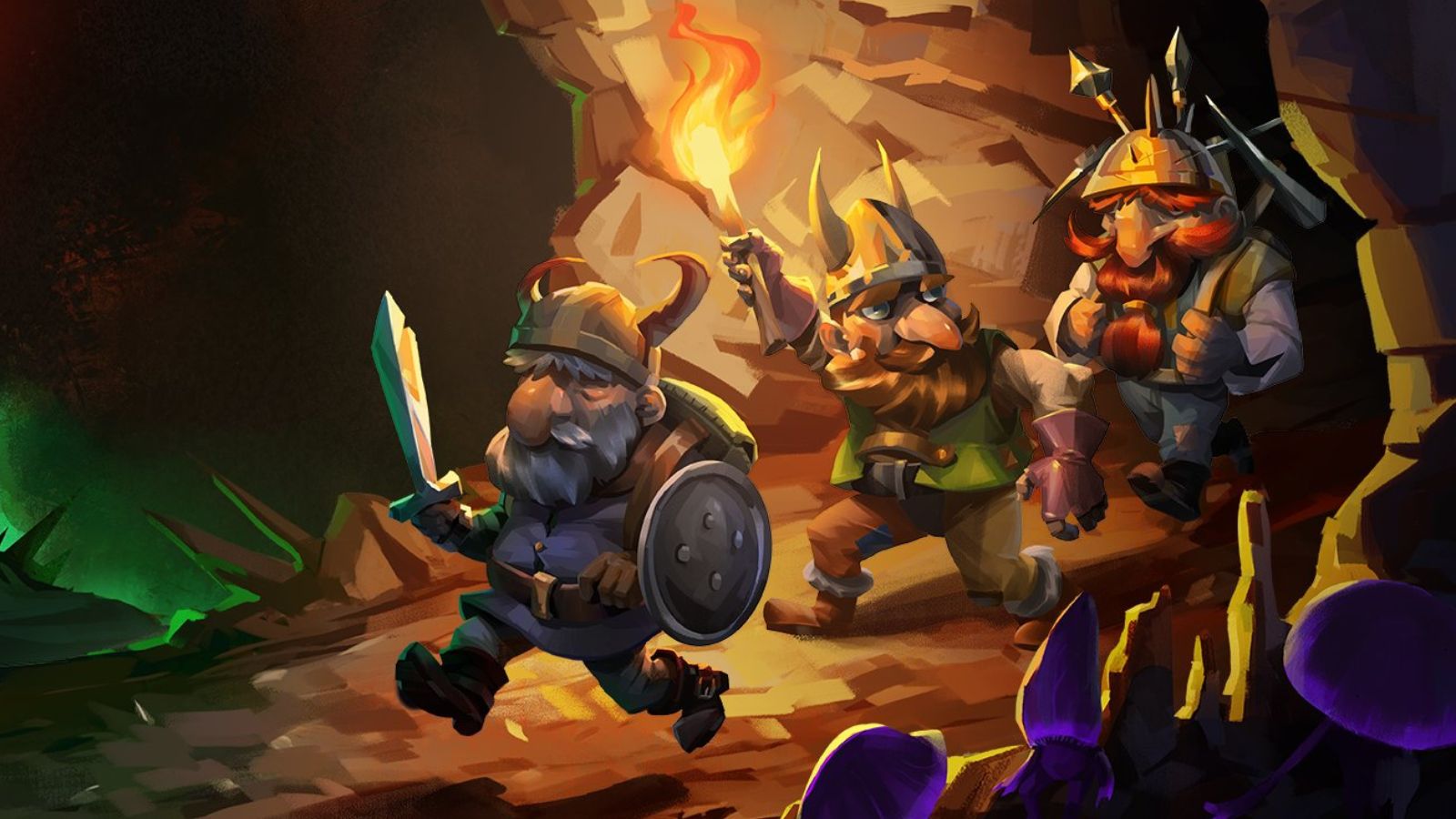
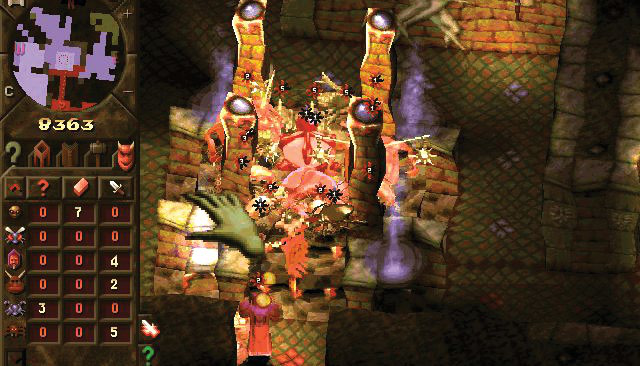
The true turning point arrived with Bullfrog Productions’ Dungeon Keeper (1997). By tasking players with building an efficient dungeon for a host of fractious, temperamental creatures, Bullfrog introduced the world to "indirect control." You could build the larder and the torture chamber, but you couldn’t force a Dark Mistress to get along with a Bile Demon. Their internal AI determined their behavior, creating a "petri dish" effect that remains the gold standard for the genre.
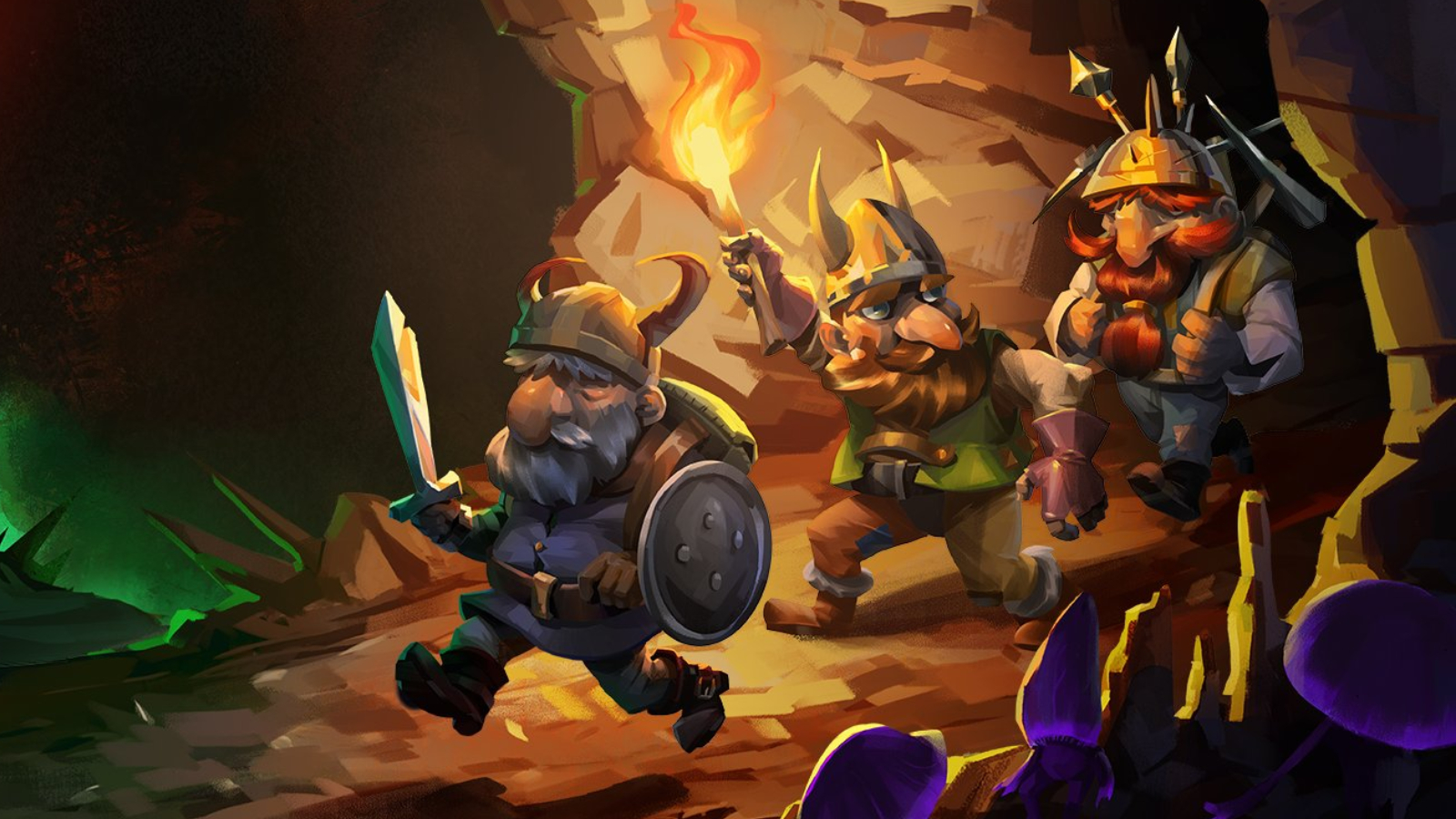
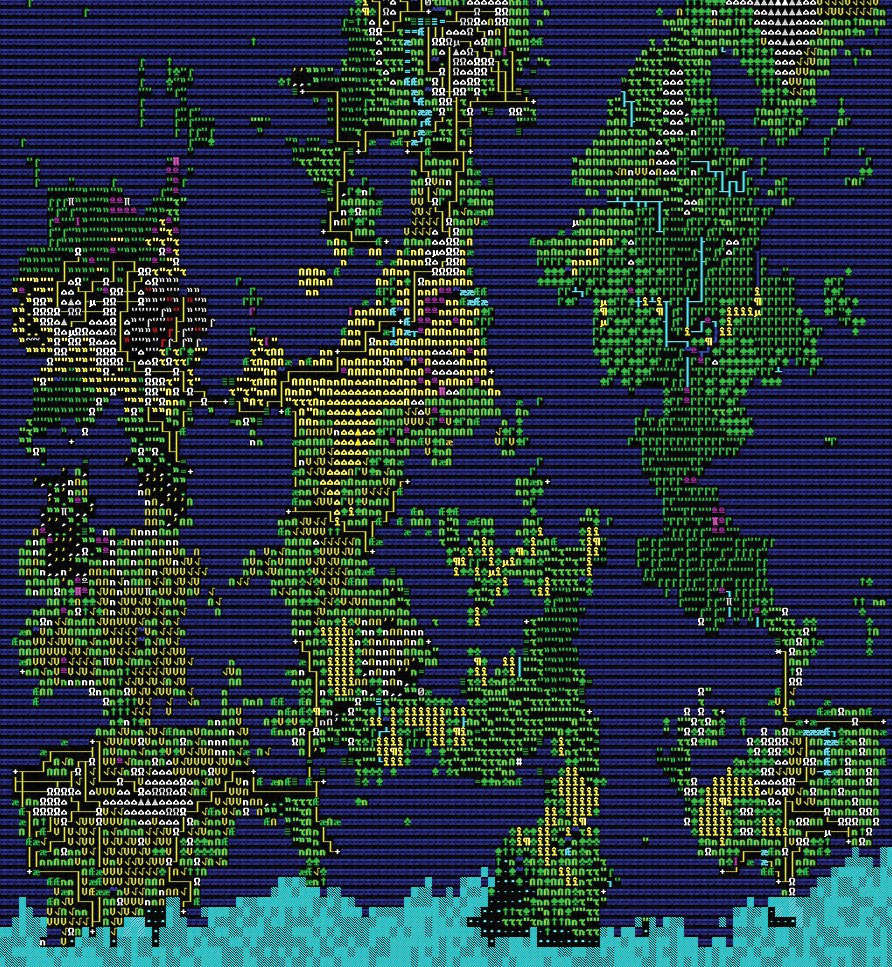
This legacy found its most profound expression in Dwarf Fortress (2006). Developed by Tarn and Zach Adams of Bay 12 Games, this project took the concept of simulation to its logical, and perhaps insane, extreme. By simulating not just the colony, but the entire history, geology, and mythology of a procedurally generated world, Dwarf Fortress moved the genre from simple management to grand-scale historical simulation.
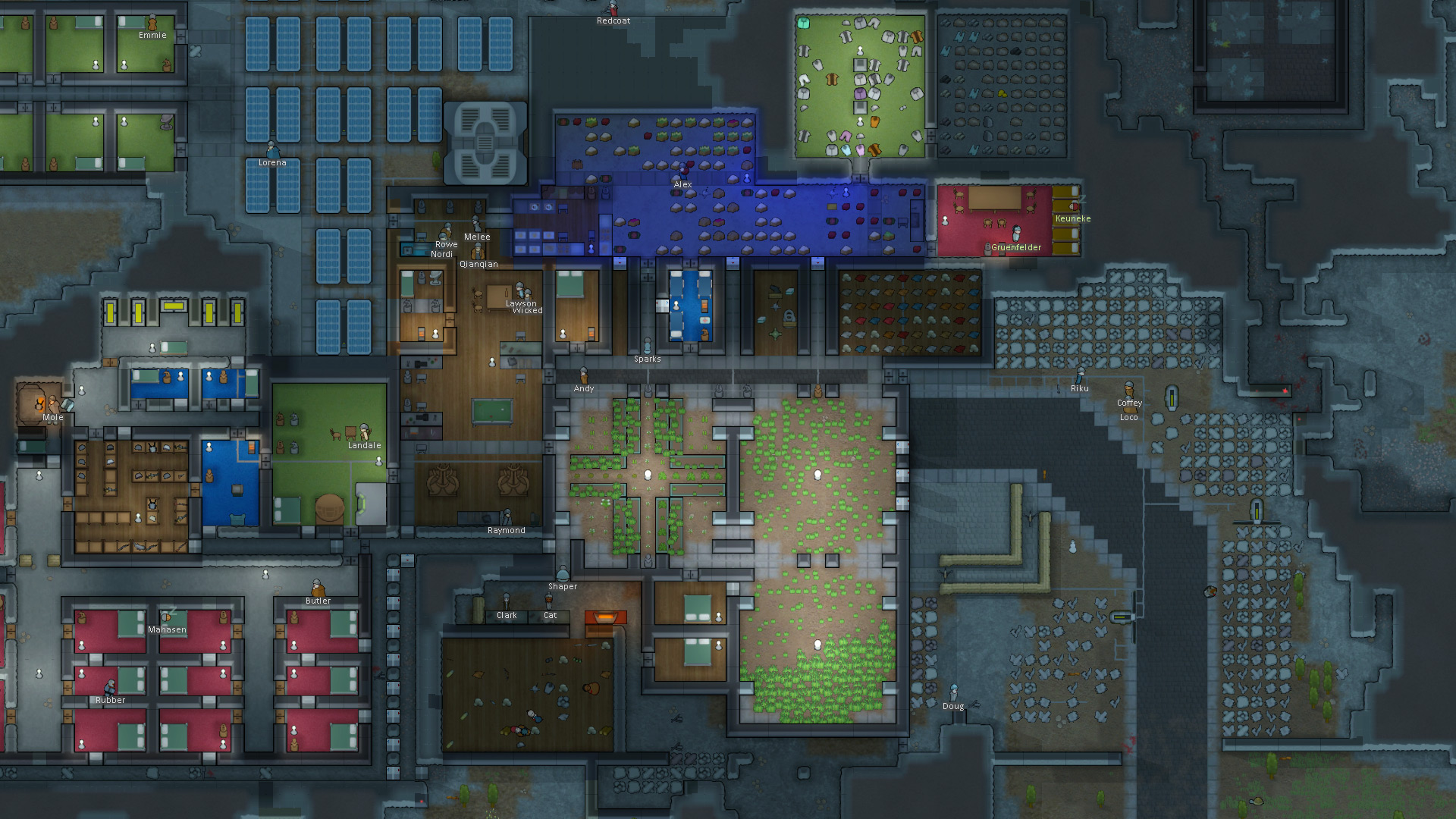
Following the success of Dwarf Fortress, a new wave of developers began to refine the formula. Ludeon Studios’ RimWorld (2013) arrived as a watershed moment for accessibility, proving that deep, character-driven simulation didn’t need to be buried under an impenetrable interface. More recently, titles like Oxygen Not Included and Going Medieval have continued to iterate on these pillars, proving that the appetite for emergent, complex systems is stronger than ever.
The Architecture of Emergence: How It Works
At the heart of every successful colony sim is a delicate balance between player agency and AI autonomy. In traditional strategy games, units are merely tools. In a colony sim, they are characters.
"You watch more named non-player creatures interacting with each other over a longer period of time in a colony sim," explains Tarn Adams, co-creator of Dwarf Fortress. "And you’re watching them more carefully than you generally watch, say, scheduled NPCs in an RPG. It gives you a chance to really get to know the characters, and how they respond to situations both you and the game world throw at them."

This "watching" is where the story lives. When a colonist in RimWorld suffers a mental break because their favorite pet was eaten by a warg, or when a dwarf in Dwarf Fortress crafts a legendary golden statue depicting the moment their best friend died in a cave-in, the player isn’t just managing resources—they are witnessing the accumulation of a life lived.
The Role of the AI Storyteller
Modern colony sims have moved beyond simple simulation to incorporate "storytelling engines." RimWorld pioneered the use of an AI Storyteller, a system inspired by Left 4 Dead’s AI Director. Rather than simply throwing random events at the player, the storyteller monitors the health, wealth, and progress of the colony to pace the narrative.
"RimWorld is designed at every level to generate story," says Tynan Sylvester, founder of Ludeon Studios. "That’s always been the central pillar of the design, to the point that I deliberately decide every design conflict between ‘game’ and ‘story generator’ directions in favor of the latter."
The storyteller functions through two primary mechanisms: "story watchers" that track metrics like colonist mood or resource stockpiles, and "incident generators" that react to those metrics. A colony that is too successful might be hit by a raid to provide drama, while a struggling colony might receive a lucky cargo drop to prevent an anticlimactic game-over.
Data and Design: The Challenges of Complexity
While the allure of a "living" world is undeniable, the development challenges are immense. The primary danger, as identified by many in the industry, is "drowning in complexity."
When developers add too many systems—temperature, nutrition, social hierarchies, procedural poetry, weather, combat, trade—the player’s ability to process that information is severely tested. If a player cannot understand why a colonist is upset, they cannot fix it. If the game does not communicate that a drought is coming, the player feels cheated rather than challenged.
The Communication Gap
Simon Roth, the creator of Maia, encountered this hurdle head-on. Maia takes the simulation of needs to a granular level, where even the lighting of a room can affect a character’s mood.
"Presenting more information to the player has been the biggest difficulty in the game," Roth notes. "The thing is with the AI, it’s so incredibly complex now."
To bridge this gap, developers are using creative UI/UX solutions:

- Procedural Feedback: In Maia, colonists send the player emails, providing direct, readable updates on their mental states or requests for specific actions.
- Visual Cues: Using 3D animations and visual indicators to convey frustration, joy, or illness, allowing players to scan their colony and instantly understand the "vibe" of their population.
- Gradual Disclosure: Designing mechanics that are optional or introduced slowly, ensuring that new players aren’t overwhelmed by the depth of the simulation on day one.
Implications for the Future of Gaming
The resurgence of the colony sim has profound implications for the gaming industry at large. It signals a shift in what players value: not just high-fidelity graphics or cinematic cutscenes, but "agency-rich" environments where they can author their own experiences.
The success of Dwarf Fortress (which finally received a user-friendly graphical update on Steam in 2022) proves that there is a massive audience for complex, "hardcore" simulation. Simultaneously, the success of RimWorld demonstrates that these systems can be packaged in ways that are intuitive and deeply engaging for a wider demographic.
As we look to the future, the integration of Large Language Models (LLMs) and advanced machine learning could be the next frontier for the genre. Imagine a colony sim where characters don’t just pick from a list of predefined dialogue, but can have nuanced, procedurally generated conversations that reflect their unique backstories and the specific trauma they’ve endured within the colony.
Conclusion: The Story is the Game
The great irony of the colony sim is that the more detail a developer packs into the simulation, the harder it is to ensure that the player actually sees the fruits of that labor. The goal is not to build a perfect simulation, but to build a perfect stage for the player’s imagination.
Whether it’s a tragic collapse of a fortress due to a forgotten lock on a floodgate, or a heartwarming tale of two survivors falling in love amidst the rubble of an alien wasteland, the colony sim remains a unique storytelling medium. It reminds us that in the end, it’s not about how many lines of code govern the world—it’s about how many compelling, memorable, and human stories we can tell within it.
As long as there are players who enjoy playing God, the architects of chaos will continue to find new ways to make our digital colonies thrive, fail, and—most importantly—tell a story worth remembering.

