

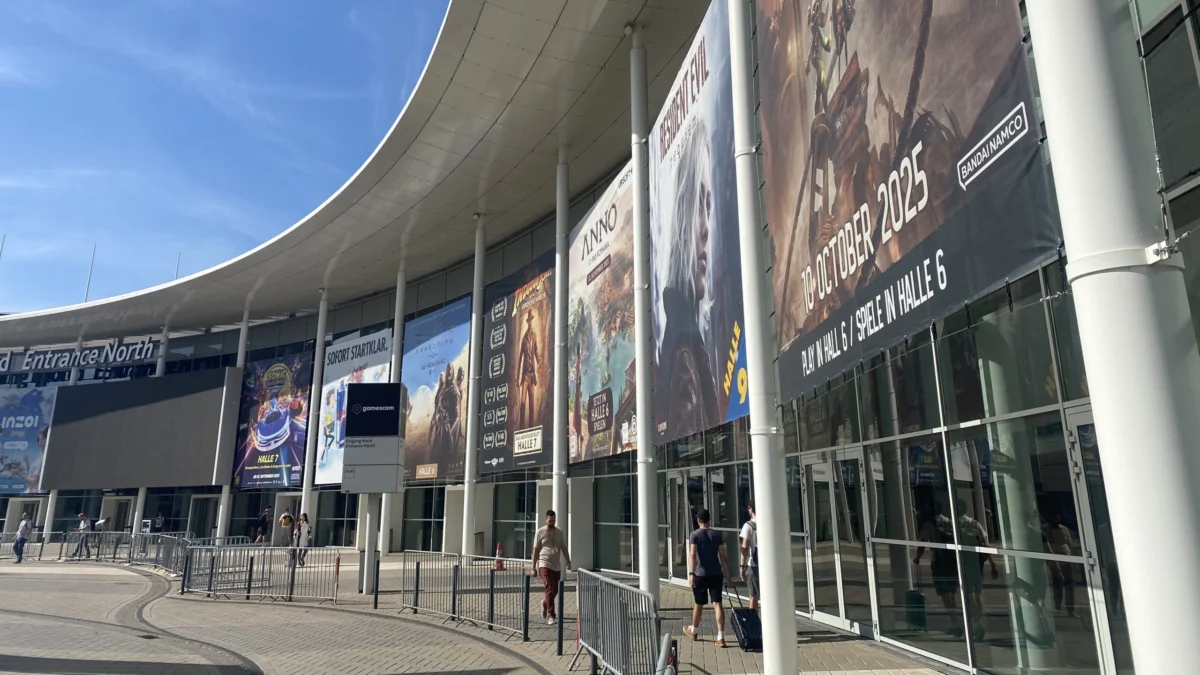
The global gaming landscape is set to converge on Cologne, Germany, this August, as Gamescom—the world’s largest event for computer and video games—announces a landmark achievement. For the first time in its illustrious history, the exhibition floor for the 2026 edition has reached total capacity, with every square meter of available space booked well ahead of the event’s opening.
This unprecedented surge in exhibitor demand has signaled a robust recovery and expansion for the physical gaming trade show sector. In response to the overwhelming interest, organizers Koelnmesse and game – The German Games Industry Association have already begun strategic planning to expand the venue footprint for 2027, ensuring the event can continue to accommodate the burgeoning global industry.
The Evolution of the World’s Gaming Hub
Since its inception, Gamescom has acted as the heartbeat of the international gaming industry. While many trade shows have struggled to reconcile the shift toward digital-only showcases, Gamescom has successfully maintained a hybrid model that champions the energy of the physical convention floor while embracing a massive global digital audience.
The 2026 iteration, running from August 26 to August 30, promises to be the most expansive in the event’s history. The floor space is currently being optimized to host a record-breaking number of exhibitors, ranging from major AAA studios and hardware manufacturers to the rising tide of independent developers who now serve as a cornerstone of the modern gaming experience.
A Chronology of the 2026 Event
The lead-up to Gamescom 2026 has been marked by a series of strategic announcements that underscore the event’s growing influence:
- April 2026: The first wave of speakers and session topics for Gamescom Dev (formerly known as devcom) were unveiled, signaling a shift toward more specialized, developer-centric discourse.
- Early August 2026: Organizers confirmed a bolstered partnership with IGN to elevate the "Gamescom Awesome Indies" showcase, reflecting the growing cultural and commercial importance of the indie gaming sector.
- Mid-August 2026: The announcement that the exhibition halls had officially reached 100% capacity, triggering internal reviews for expansion plans for 2027.
- August 23–25, 2026: Gamescom Dev kicks off, serving as the industry-focused precursor to the consumer-facing main event.
- August 27, 2026: The Gamescom Congress takes center stage, focusing on the intersection of gaming, democracy, and industrial innovation.
Supporting Data: Why Demand Is Skyrocketing
The decision to expand for 2027 is not merely a reaction to current space constraints but a data-driven response to shifting industry behaviors. Post-pandemic, the gaming industry has seen a massive return to in-person networking. Exhibitors are increasingly viewing Gamescom as the primary venue for "hands-on" marketing—a critical factor in a market saturated with digital trailers.
Furthermore, the diversification of the Gamescom Congress has broadened the event’s appeal. By moving beyond just entertainment, the event now attracts stakeholders from public administration, medicine, and industrial design. The 2026 theme, "Playing Field Democracy" and "The Games Effect," highlights how gaming technology is being integrated into sectors that were previously indifferent to interactive entertainment.
The expanded partnership with IGN for the official consumer broadcast is also a strategic move. By merging high-quality production with the physical excitement of the floor, Gamescom has successfully captured both the "on-site" crowd and the millions of viewers who tune in from across the globe, creating a dual-revenue and engagement stream that is becoming the gold standard for global trade shows.
Official Responses and Strategic Vision
Felix Falk, managing director of game – The German Games Industry Association, expressed his optimism regarding the record-breaking turnout.
"It is already clear now that Gamescom 2026 will be bigger than ever," Falk stated. "Exhibitor demand is higher than it has ever been. Fans can look forward to a full program—on location in Cologne and in livestream everywhere in the world."
Falk emphasized that the event’s longevity is tied to its ability to innovate. "Gamescom Opening Night Live, the expanded gamescom awesome indies show, or gamescom GDQ, which is celebrating its premiere this year: those are only a few of the highlights that raise anticipation for the world’s largest games event many weeks prior to the start."
This sentiment is echoed by the exhibition management at Koelnmesse. The organizers noted that the goal is not just to host more booths, but to "improve the visitor experience." As the crowds in Cologne grow, the logistics of navigation, accessibility, and high-tech presentation become more complex, necessitating the expansion plans currently being drafted for the 2027 fiscal year.
Implications for the Future of Gaming
The "full house" status of Gamescom 2026 has significant implications for the broader gaming ecosystem:
1. The Vitality of the Indie Scene
The collaboration between Gamescom and IGN to bolster the "Awesome Indies" show highlights a shift in industry power dynamics. AAA studios are facing rising development costs, leading many to look toward independent games to fill release gaps. By providing a massive stage for indie developers, Gamescom is cementing its role as a talent incubator, not just a marketing platform for established franchises.
2. Gaming as an Engine of Innovation
The Gamescom Congress is perhaps the most important development in the show’s recent history. By discussing the "Games Effect" in fields like medicine and public administration, the event is helping to de-stigmatize gaming and position it as a serious professional tool. This professionalization is likely to attract non-endemic sponsors in the coming years, further fueling the event’s growth.
3. The "Cologne Effect" and Regional Impact
Gamescom is not only a boon for the gaming industry but a massive economic driver for the city of Cologne. The logistics of managing hundreds of thousands of attendees require close coordination with municipal services, hotels, and transportation networks. The commitment to expanding the event’s footprint suggests that both the industry and the city view this partnership as a long-term anchor for local economic development.
4. The Future of the Hybrid Model
Gamescom has effectively silenced critics who suggested that in-person conventions were a relic of the past. By refining the livestream experience and integrating it with the physical event, they have created a "FOMO" (fear of missing out) factor that keeps both developers and fans engaged. The success of 2026 suggests that the future of major industry events is not "either/or" (digital vs. physical), but rather a seamless integration of both.
Conclusion: Looking Toward 2027 and Beyond
As the doors prepare to open in late August, the mood surrounding Gamescom 2026 is one of triumph. By hitting maximum capacity, the organizers have proven that despite the digital age, the appetite for collective, physical, and high-energy industry gatherings remains insatiable.
The planning for 2027, while still in its infancy, indicates that Gamescom is not content with its current size. By looking to expand, they are signaling to the industry that they intend to remain the primary destination for gaming news, developer networking, and consumer engagement for the foreseeable future. For the developers, players, and industry stakeholders gathering in Cologne this year, the message is clear: the industry is growing, the demand is real, and the stage for the future of interactive entertainment is being built right in the heart of Germany.

