

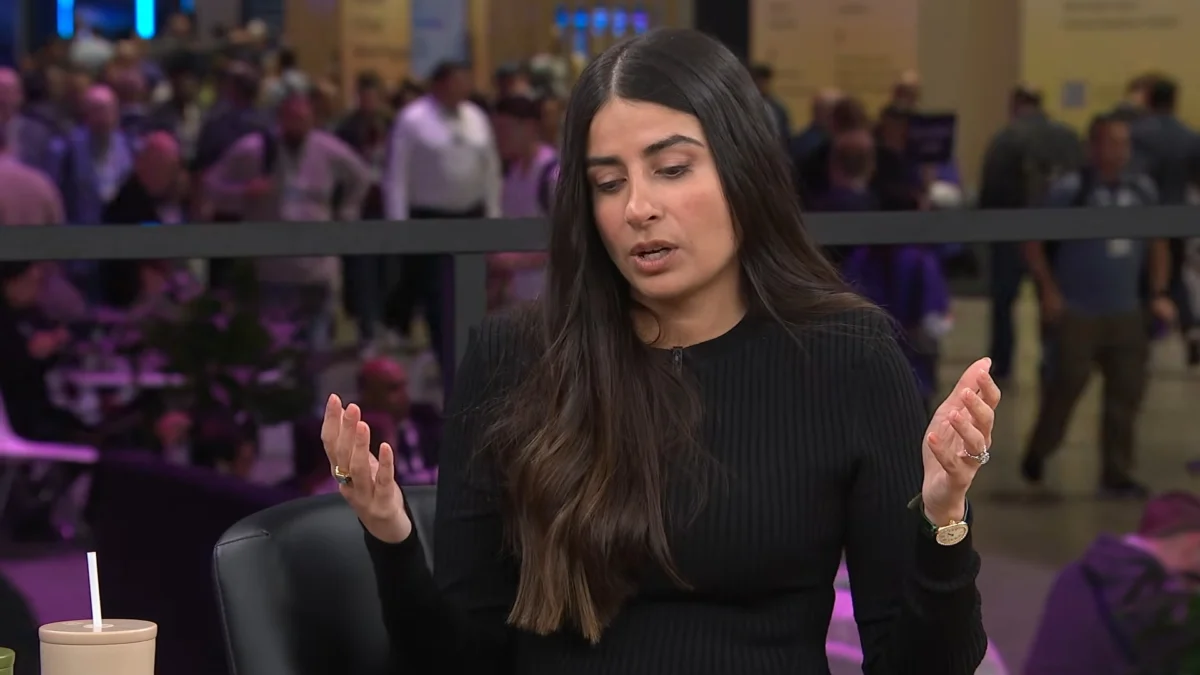
REDMOND, WA – In a move that has sent ripples through the gaming and technology sectors, Jared Palmer, the recently appointed Vice President of Engineering at Xbox, has announced his departure from the company. His exit comes a mere two months after his appointment was made public as part of a high-profile leadership restructuring under Xbox’s new executive leadership. Palmer is transitioning to Cognition, a high-growth artificial intelligence startup, marking a swift end to a tenure that was intended to stabilize and modernize Xbox’s engineering framework.
The departure highlights a period of significant upheaval for Microsoft’s gaming division, which has been grappling with internal reorganization, studio closures, and a shifting strategy regarding its subscription services and hardware ecosystem.
I. Main Facts: A Sudden Exit Amidst Strategic Realignment
Jared Palmer’s departure was confirmed via a personal update shared on social media on August 5, 2024. Palmer, who was brought in to spearhead the development of "world-class tools, services, and experiences" for the Xbox ecosystem, revealed that he has joined Cognition to lead their engineering efforts.
Cognition has gained notoriety in the tech world as the creator of "Devin," marketed as the world’s first autonomous software engineer. The move signifies a shift for Palmer from the established corporate environment of Microsoft to the cutting edge of generative AI and autonomous systems.
Palmer’s arrival at Xbox in May 2024 was seen as a cornerstone of CEO Asha Sharma’s plan to "evolve" the way Xbox works. Sharma, who took the helm of Xbox Platform and Services following a successful stint as COO of Instacart and a leadership role in Microsoft’s CoreAI division, has been tasked with streamlining operations. Palmer was one of several key hires—many with ties to Sharma’s previous professional circles—intended to bring a fresh, data-centric perspective to the gaming giant.
The brevity of Palmer’s stay—approximately 60 days from the public announcement of his role—raises questions about the internal stability of the Xbox leadership team during a time when the brand is under intense scrutiny from both investors and its core consumer base.
II. Chronology: A Turbulent Year for Microsoft Gaming
To understand the weight of Palmer’s departure, one must look at the timeline of events that have defined Xbox in 2024. The year has been characterized by a "boom and bust" cycle, following the monumental $69 billion acquisition of Activision Blizzard.
- January 2024: Microsoft announces a massive reduction in force, laying off approximately 1,900 employees across its gaming divisions, including Xbox, ZeniMax, and the newly acquired Activision Blizzard. This move was described as a necessary step to eliminate redundancies post-merger.
- March 2024: Internal memos reveal a shift in leadership. Asha Sharma is positioned to lead the Xbox Platform and Services team, reporting directly to Microsoft Gaming CEO Phil Spencer. Her mandate is to modernize the platform’s infrastructure.
- May 5, 2024: Asha Sharma announces a new leadership cohort. This includes Jared Palmer as VP of Engineering and David Schloss (formerly of Instacart) as Head of Xbox Subscription and Cloud. The announcement is framed as a "house cleaning" of the C-suite to replace long-term veterans with "agile" tech executives.
- May 7, 2024: Just days after the leadership announcement, Microsoft shocks the industry by shuttering several high-profile Bethesda studios, including Tango Gameworks (creators of Hi-Fi Rush) and Arkane Austin (creators of Prey). The move is met with widespread criticism from fans and developers alike.
- June 2024: The Xbox Games Showcase is held, receiving positive reviews for its software lineup. However, underlying tensions remain regarding the "viability" of the Game Pass model.
- July 2024: Microsoft announces a significant restructuring of Xbox Game Pass, increasing prices across multiple tiers and introducing a "Standard" tier that lacks day-one access to first-party titles.
- August 5, 2024: Jared Palmer announces his resignation from Xbox to join Cognition AI.
III. Supporting Data: The Financial and Structural Pressures
The instability in Xbox’s leadership occurs against a backdrop of complex financial metrics. While Microsoft’s gaming revenue saw a 51% year-over-year increase in the most recent quarter—largely due to the inclusion of Activision Blizzard’s portfolio—organic growth remains a challenge.
The Game Pass Plateau
Industry analysts have noted a slowing growth rate for Xbox Game Pass on console platforms. While PC Game Pass continues to see adoption, the "console war" has left Xbox with a smaller install base than its primary competitor, Sony. Data suggests that the cost of maintaining high-budget "Day One" releases on a subscription service is becoming increasingly difficult to justify without a massive surge in new subscribers.
The "Instacart" Influence
Asha Sharma’s strategy has involved importing talent from outside the traditional gaming sphere.
- David Schloss: Head of Xbox Subscription and Cloud (Former Instacart).
- Asha Sharma: CEO of Xbox Platform & Services (Former Instacart COO).
- Jared Palmer: Former VP of Engineering (Former Vercel/Microsoft CoreAI).
This "Silicon Valley-fication" of Xbox has been a point of contention among industry veterans. Critics argue that the nuances of game development and player community management differ significantly from the metrics-driven world of delivery apps and SaaS (Software as a Service) platforms.
The AI Talent Drain
Palmer’s move to Cognition reflects a broader trend in the tech industry. As of 2024, venture capital and top-tier engineering talent are gravitating toward AI startups. Cognition, valued at approximately $2 billion despite being a relatively young company, represents the "gold rush" of the current tech era. For high-level engineers like Palmer, the opportunity to lead the development of autonomous AI may offer more professional allure and equity potential than navigating the bureaucratic restructuring of a legacy gaming platform.
IV. Official Responses: Public Gratitude vs. Strategic Silence
The public-facing communication regarding Palmer’s exit has remained professionally cordial, masking any potential underlying friction.
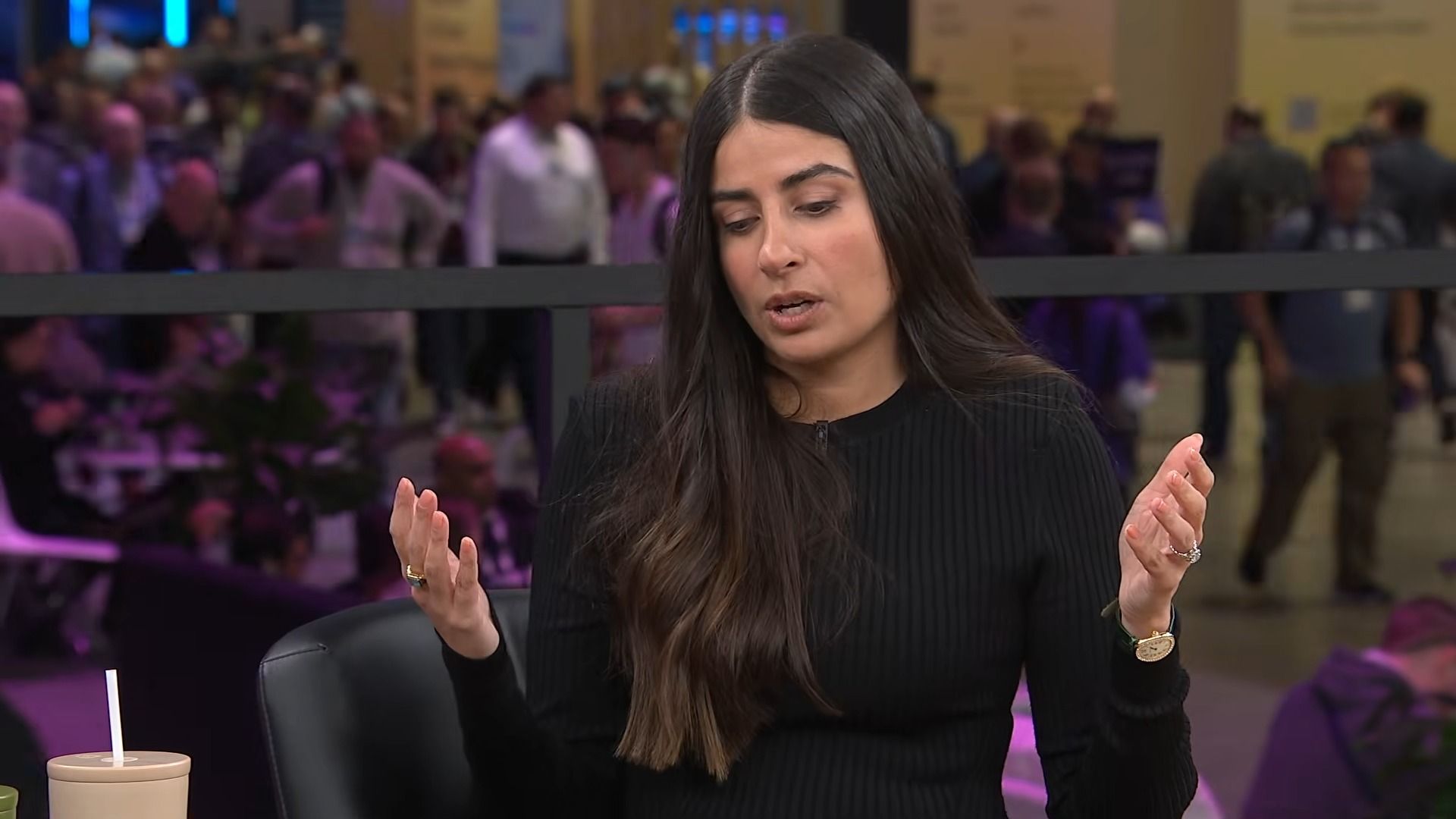
Jared Palmer’s Statement:
In his announcement on X (formerly Twitter), Palmer focused on the future while offering a brief nod to his time at Microsoft:
"Personal update: I’ve joined [Cognition] to lead engineering. I’m grateful to [Asha Sharma] and everyone at Xbox for an amazing year. In May, I said I’d be focused on building world-class tools, services, and experiences for developers and players… I am excited to get to work on the hardest problems in AI."
Note: While Palmer mentioned an "amazing year," his actual time in the specific VP of Engineering role at Xbox was only a few months, though he had previously worked within Microsoft’s CoreAI division.
Asha Sharma’s Previous Mandate:
While Sharma has not issued a new statement regarding Palmer’s specific departure, her comments from May 2024 provide the context for his initial hiring:
"Our goal with this leadership change is simple: build a platform that is affordable, personal, and open by staying close to the work and the people we serve. We are evolving how we work to ensure we can deliver for our players."
Microsoft Corporate Response:
Microsoft has not yet named a direct successor to Palmer. The company typically maintains a policy of not commenting on individual personnel matters beyond confirming departure dates. However, internal sources suggest that the responsibilities of the VP of Engineering will be temporarily absorbed by other members of Sharma’s new leadership team, including Jonathan McKay and Evan Chaki.
V. Implications: What This Means for the Future of Xbox
The departure of a key engineering lead so soon after a major reorganization is rarely a positive sign for corporate health. The implications for Xbox are three-fold:
1. Stability and Morale
The "staff bloodletting" mentioned by industry observers has created an environment of uncertainty. When a high-level executive exits almost immediately after being touted as the "future" of the department, it can damage morale among the rank-and-file engineers. Xbox is currently trying to integrate the massive workforce of Activision Blizzard; a lack of consistent leadership at the top could slow down the technical integration of Battle.net, Call of Duty’s infrastructure, and other critical assets.
2. The Engineering Vision
Palmer was expected to modernize the Xbox developer experience. Xbox has historically struggled with its "dev kits" and the complexity of its OS compared to the streamlined environment of the PlayStation 5. With Palmer gone, the roadmap for these "world-class tools" may be delayed or redirected, potentially impacting how third-party developers view the platform’s ease of use.
3. The Pivot to AI and Cloud
Palmer’s destination—Cognition—is a reminder that Microsoft is competing for talent not just with Sony and Nintendo, but with the entire AI sector. If Xbox cannot retain top-tier engineering talent, its ambitions for cloud gaming and AI-driven NPC interactions may falter.
4. The "Platform-Agnostic" Question
There is growing speculation that Xbox is transitioning from a hardware-first company to a platform-agnostic publisher. The recent decision to bring titles like Sea of Thieves and Hi-Fi Rush to PlayStation and Switch, combined with the restructuring of Game Pass, suggests a move away from the traditional console model. Rapid executive turnover in the engineering department may accelerate this shift, as the company focuses more on software distribution than on perfecting its own bespoke hardware ecosystem.
Conclusion
Jared Palmer’s exit is more than just a standard personnel change; it is a symptom of a division in flux. As Microsoft Gaming attempts to find its footing in a post-acquisition world, the revolving door at the executive level suggests that the "new Xbox" is still struggling to define its identity. For players and developers, the hope remains that the platform can find the stability necessary to deliver on its promise of an "open and affordable" gaming future. For now, however, the engineering helm at Xbox remains an unsettled seat in an increasingly volatile industry.

