

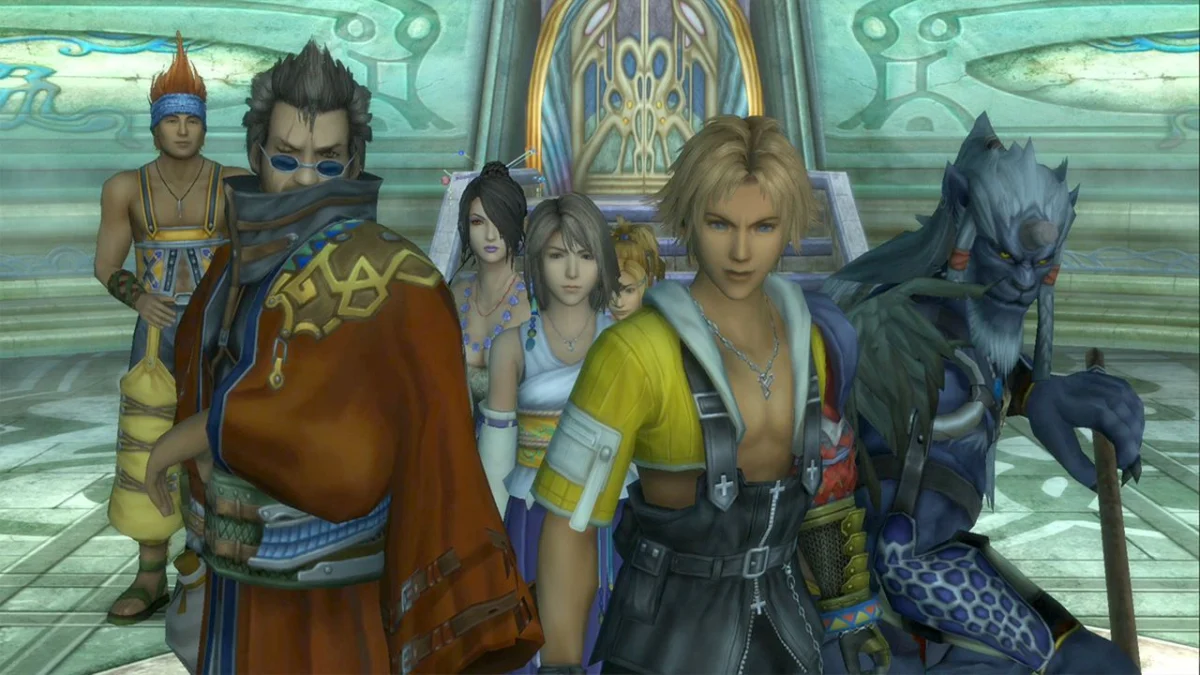
It has been a quarter of a century since Final Fantasy 10 first graced the PlayStation 2, cementing itself as one of the most beloved entries in Square Enix’s storied franchise. As the company celebrates this 25-year milestone, the veil has been lifted on the turbulent creative process behind the game’s development. In a fascinating retrospective interview, series producer Yoshinori Kitase—alongside industry veteran Takashi Tokita—revealed that the game we know today, characterized by the tropical aesthetics of Spira and the emotional weight of Yuna’s pilgrimage, almost looked drastically different.
Originally conceived as a continuation of the high-tech, industrial trajectory set by Final Fantasy 7 and Final Fantasy 8, the project underwent a radical pivot when the development team caught wind of a massive cultural shift brewing in Hollywood. The game’s identity was ultimately forged in the shadow of Middle-earth, proving that even the most iconic digital worlds are often shaped by the shifting tides of global pop culture.
A Shift in Vision: From Sci-Fi to High Fantasy
Following the immense commercial and critical success of Final Fantasy 7 (1997) and Final Fantasy 8 (1999), the development team at Square (now Square Enix) was riding a wave of technological optimism. These titles had successfully pushed the boundaries of what JRPGs could accomplish, utilizing pre-rendered backgrounds and cinematic flair to lean into a distinctly sci-fi, "magitech" aesthetic.
"During development, we initially took a more sci-fi approach at first," Yoshinori Kitase explained in the 25th-anniversary interview. However, the creative direction stalled as the team assessed the competitive landscape of the early 2000s. The team became aware that Peter Jackson’s ambitious adaptation of J.R.R. Tolkien’s The Lord of the Rings was well into production. Recognizing the monumental scale of the project, Square’s leadership realized that fantasy was poised to become the next dominant global trend.
This realization acted as a catalyst for a total creative reset. The team decided to steer away from the metallic, industrial sprawl that had defined the previous two installments, opting instead for a world that felt more grounded in mythological, elemental, and organic fantasy.
The Chronology of an Iconic Production
The production timeline for Final Fantasy 10 is a masterclass in reactionary design. Development began in 1999, at a time when the PlayStation 2 was just beginning to stir excitement in the gaming community.
- 1999: Pre-production begins. Early design documents reportedly focus on a futuristic world, continuing the tech-heavy themes of the PS1 era.
- 2000: Mid-development. The team pivots toward a fantasy aesthetic, heavily influenced by the anticipated explosion of the fantasy genre in Western cinema. Kazushige Nojima, the game’s scenario writer, begins crafting the world of Spira, moving away from the "medieval Europe" tropes that had dominated the fantasy genre for decades.
- 2001: Final Fantasy 10 launches in Japan and North America. Within months of its release, the world witnessed the debut of The Lord of the Rings: The Fellowship of the Ring and Harry Potter and the Philosopher’s Stone.
- 2001–2002: The game achieves massive commercial success, validating the team’s decision to shift genres at the eleventh hour.
The timing was nothing short of miraculous. Had the game adhered to its initial sci-fi concept, it might have been lost in the shuffle of an era that was rapidly pivoting toward the resurgence of epic, high-fantasy storytelling.
Beyond Western Tropes: The Eastern Influence
While the decision to shift toward fantasy was inspired by the impending global phenomenon of The Lord of the Rings, the team was adamant about avoiding the derivative "Tolkienesque" aesthetic that had become standard in Western gaming.
"It began with Mr. [Kazushige] Nojima wanting to explore a fantasy atmosphere that wasn’t rooted in medieval Europe, but instead drew from more Eastern influences," Kitase noted. By integrating South Asian, Southeast Asian, and Polynesian cultural markers into the world of Spira, the developers created a unique visual language. From the water-bound city of Besaid to the architecture of Bevelle, the game offered a departure from the castles and knights of traditional fantasy, replacing them with lush, tropical vistas and spiritual undertones that felt fresh and distinct.
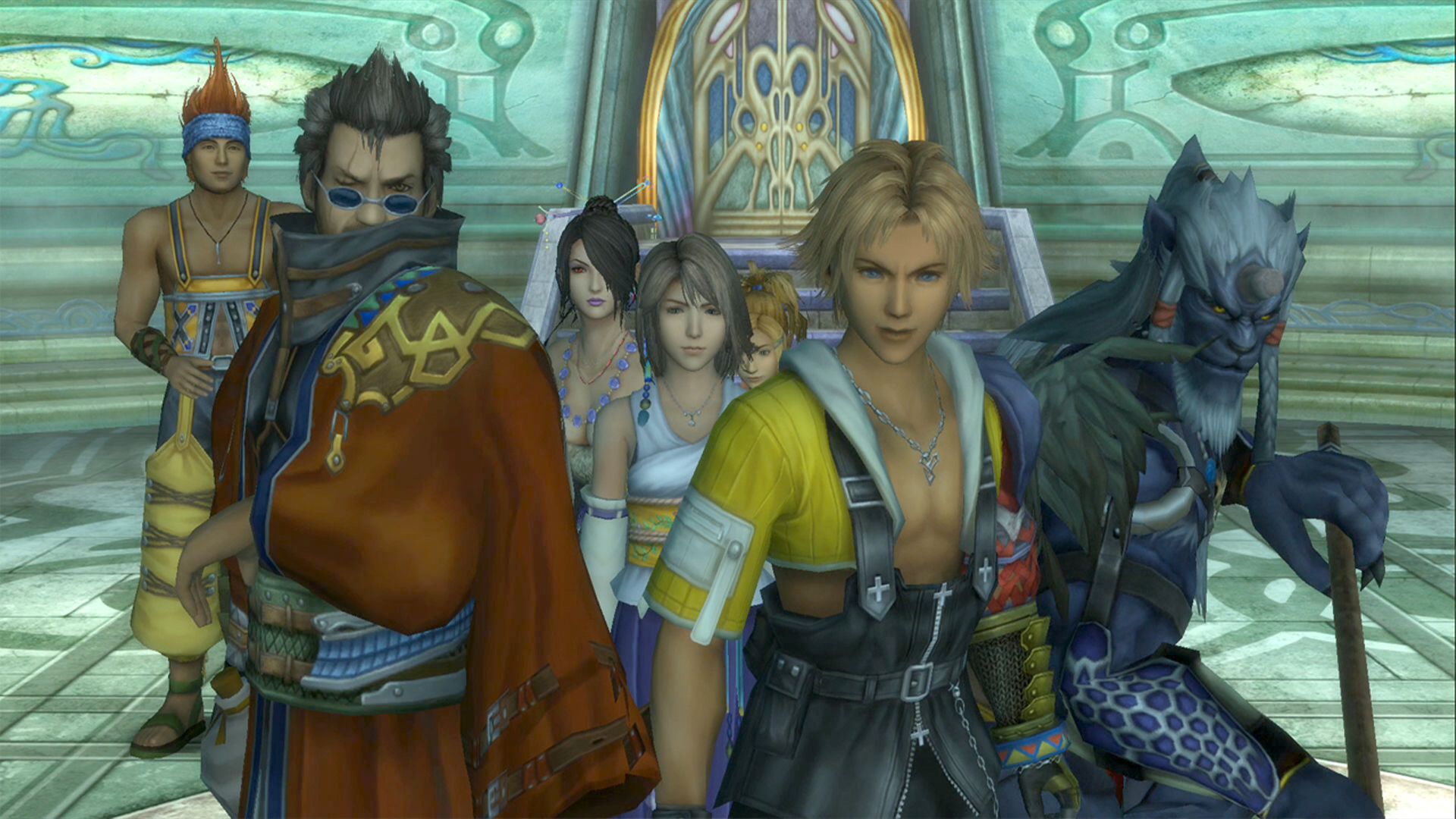
This synthesis of high-fantasy stakes with Eastern cultural sensibilities is perhaps why Final Fantasy 10 continues to resonate with audiences today. It occupies a unique space: it is an epic quest to save the world, but one that feels intimate and culturally distinct, bridging the gap between the traditional hero’s journey and the complex, character-driven narratives of modern cinema.
Thematic Parallels: Yuna vs. Frodo
When analyzing the narrative structure of Final Fantasy 10 in the context of the early 2000s, the thematic overlap with The Lord of the Rings becomes glaringly apparent. Both stories revolve around a protagonist burdened by an impossible task that requires a literal, grueling journey across a dangerous continent.
Yuna, much like Frodo Baggins, is a character defined by the weight of a sacrifice that few others can fully comprehend. Both are tasked with ending a cycle of corruption—Sin in Spira and the One Ring in Middle-earth—that threatens to consume their respective worlds. Crucially, both narratives explore the tragedy inherent in their protagonists’ journeys; they are not merely "heroes" in the traditional sense, but individuals whose destinies are inextricably linked to a self-sacrificial conclusion. This emotional resonance is exactly what Japanese gamers have consistently cited when voting Final Fantasy 10 as the "most tear-jerking JRPG of all time."
The Residual Sci-Fi DNA
Despite the pivot toward fantasy, the game’s roots in the sci-fi experimentation of Final Fantasy 7 and 8 never truly vanished. The game remains a strange, wonderful hybrid. The aesthetic of Spira is defined by the juxtaposition of ancient, religious traditions and the "Machina"—the remnants of a technologically advanced civilization that destroyed itself.
The Al Bhed, with their salvage-based technology and unique language, serve as a constant reminder of the sci-fi roots the team tried to move away from. In this sense, Final Fantasy 10 is not a pure fantasy game; it is a meditation on the cyclical nature of progress and destruction. It asks what happens when a society abandons its technological hubris, only to find that the vacuum left behind is filled by religious fanaticism and a cycle of endless suffering.
Implications for the Future of the Franchise
The history of Final Fantasy 10 serves as a profound case study in the importance of agility in game design. The ability of the development team to recognize global trends—and more importantly, to understand why those trends were resonating with audiences—allowed them to pivot the franchise at a critical juncture.
Today, as Square Enix looks toward the future of the series, the legacy of Final Fantasy 10 remains a guiding light. It proves that the "Final Fantasy" brand is not defined by a specific genre—whether it be the neon-soaked cyberpunk of Final Fantasy 7 Rebirth or the gritty, medieval political intrigue of Final Fantasy 16—but by its ability to tap into the human condition.
As we look back on 25 years of Spira, it is clear that the decision to trade space-age tech for a pilgrimage through a doomed world was not just a clever marketing maneuver—it was the moment Final Fantasy truly discovered its emotional maturity. By aligning itself with the epic storytelling standards of the early 2000s while maintaining its own distinct cultural identity, Final Fantasy 10 secured its place in the pantheon of gaming history, proving that sometimes, the best way to move forward is to look at the world around you and change your path accordingly.

