

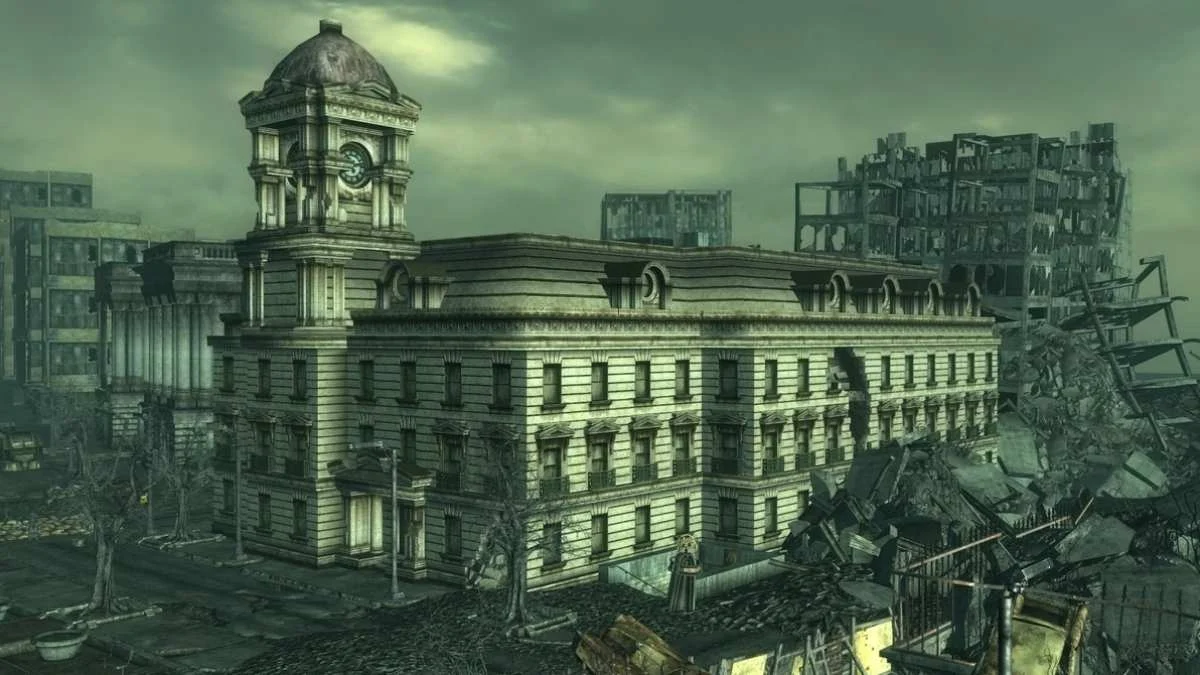
The gaming world is abuzz following a landmark announcement from Bethesda Game Studios. In a comprehensive studio update released this week, the developer confirmed that two of the most celebrated titles in the role-playing genre—Fallout 3 and Fallout: New Vegas—are officially receiving the remaster treatment. After years of fervent speculation, community rumors, and "insider" leaks, the studio has finally pulled back the curtain, confirming that these iconic experiences are being rebuilt for a new generation of hardware.
While specific technical details remain under wraps, the confirmation marks a significant pivot for Bethesda, which has largely focused on original IP development in recent years. For fans of the franchise, the news serves as a long-awaited homecoming to the Capital Wasteland and the Mojave Desert.
The Core Announcement: A New Era for Classic Fallout
In a formal communication to the gaming community, Bethesda Game Studios laid out its long-term roadmap. Amidst the excitement surrounding their upcoming projects, the confirmation of Fallout 3 and Fallout: New Vegas remasters stood out as the primary focus.
“We love making these worlds as much as you love playing in them,” the studio stated in a press release that accompanied their social media announcement. “Today, we want to share what’s next for Bethesda Game Studios and what you can expect from us in the years ahead.”
For millions of players who grew up exploring the irradiated ruins of the post-apocalyptic United States, this announcement represents the revitalization of the titles that arguably defined the modern open-world RPG. While the studio stopped short of providing a release date or even a specific window, the mere acknowledgment of the project’s existence has sent shockwaves through the industry, effectively ending years of fan-led petitions and persistent hearsay.
A Chronology of the Wasteland: From 2008 to the Present
To understand the magnitude of this announcement, one must look back at the trajectory of the Fallout series. The franchise’s transition from isometric turn-based RPGs to the 3D, first-person open-world format was a gamble that paid off in dividends.
2008: The Fallout 3 Revolution
When Fallout 3 launched in 2008, it fundamentally altered the landscape of Western RPGs. Following Bethesda’s acquisition of the franchise rights from Interplay Entertainment, expectations were high. The game dropped players into the Washington D.C. metropolitan area, 200 years after a catastrophic nuclear war. By successfully blending the "V.A.T.S." targeting system with deep, choice-driven narrative arcs, Bethesda managed to capture the dark, satirical essence of the original games while introducing a sprawling, explorable environment that felt truly alive.
2010: The Obsidian Masterpiece
Just two years later, Obsidian Entertainment—a studio formed by several former members of Black Isle Studios (the original creators of Fallout)—delivered Fallout: New Vegas. Set in the Mojave Desert, New Vegas deepened the mechanical complexity of the series, introducing factions, reputation systems, and a complex narrative centered on the battle for the Hoover Dam. Despite being a spin-off, it is frequently cited by critics and fans alike as having the best writing and role-playing depth in the entire 3D-era of the franchise.
The Long Drought and the Modern Resurgence
Following the success of Fallout 4 and Fallout 76, the older titles began to show their age. Technical limitations, dated graphics, and the lack of modern quality-of-life features made returning to these classics a challenge for newer fans. For over a decade, the community has begged for modern ports or remasters. Today, that patience has finally been rewarded.
Supporting Data: Why These Titles Matter
The impact of Fallout 3 and New Vegas on the gaming medium cannot be overstated. Their longevity in the cultural zeitgeist is supported by staggering engagement metrics and critical reception.
Critical Acclaim
Both titles currently hold "Must-Play" status on aggregate review platforms. Fallout 3 remains one of the highest-rated games in Bethesda’s history, praised for its environmental storytelling and the sheer sense of discovery. New Vegas is often lauded for its narrative reactivity; the sheer number of ways a player can complete the game—from siding with the NCR to backing Caesar’s Legion or choosing a path of independent anarchy—remains a gold standard for RPG design.
Commercial Success
The sales figures for these titles are equally impressive. Fallout 3 became a flagship title for the PS3 and Xbox 360 era, helping to cement Bethesda’s status as a premier developer. Fallout: New Vegas followed suit, selling over 11 million units worldwide—a massive figure for the time. Even today, both games consistently rank in the top-selling charts during digital sales events, proving that the appetite for these stories has never waned.
Official Responses and Industry Impact
The announcement has triggered a wave of reactions from industry analysts, former developers, and, most importantly, the players.
Bethesda has remained tight-lipped regarding the technical specifics of the remasters. One of the biggest questions remaining is whether these games will receive a "remake" treatment (rebuilding the assets from scratch using the Starfield or Fallout 4 engine) or a "remaster" (updating lighting, textures, and UI while keeping the original code intact).
"We are committed to preserving the integrity of these experiences while ensuring they feel at home on modern hardware," a spokesperson noted in a follow-up interview.
Industry analysts suggest that this project is a strategic move for Bethesda. With the popularity of the Fallout television series on Amazon Prime, the brand is currently at an all-time high in terms of public visibility. Remastering the games that defined the lore is a logical step to capitalize on this mainstream success, bringing new audiences into the fold while simultaneously rewarding the long-time fanbase.
Implications: What Comes Next?
The confirmation of these remasters raises several intriguing questions about the future of the Fallout franchise.
Console Compatibility
While no release window has been confirmed, it is widely assumed these titles will target the current generation of consoles—the PlayStation 5 and Xbox Series X|S—and PC. The prospect of playing these games with 4K resolution, modern frame rates, and vastly improved load times has already sparked excitement among console players who have long relied on PC mods to make these games playable on modern systems.
The Engine Question
There is significant speculation regarding which engine will be used. Using the Creation Engine 2 could allow for a seamless experience that aligns with the gameplay feel of Fallout 4. However, fans of the specific "feel" of the older games may be wary of too many changes. Bethesda’s challenge will be to modernize the UI and combat fluidity without stripping away the "jank" and charm that many players associate with the classic RPG experience.
The Obsidian Factor
One of the most burning questions involves Obsidian Entertainment’s involvement. Given the history of New Vegas, many fans are hoping for a collaboration between the two studios. Whether or not Obsidian will have a hand in the remastering of their iconic title remains to be seen, but any involvement would likely be met with overwhelming support from the community.
Long-term Legacy
By remastering these two titles, Bethesda is effectively solidifying the Fallout franchise as a multi-generational pillar of gaming. This isn’t just about updating graphics; it is about ensuring that the foundational stories of the series remain accessible. In an era where digital preservation is increasingly difficult, the decision to bring these games back to the forefront is a win for the entire industry.
Conclusion: A Wasteland Reborn
As we look toward the coming years, the promise of returning to the Capital Wasteland and the neon-lit ruins of the Mojave is a tantalizing prospect. Whether you are a veteran of the Great War or a newcomer curious about the roots of the series, these remasters promise to be a definitive way to experience two of the greatest RPGs ever made.
For now, fans must practice the patience that has served them well over the last decade. While we wait for a release date, a trailer, or even a glimpse of gameplay, the knowledge that these projects are officially in the works is enough to keep the community burning with anticipation. The world of Fallout is expanding once more, and if the history of the franchise is any indication, it is going to be a journey worth waiting for.

