

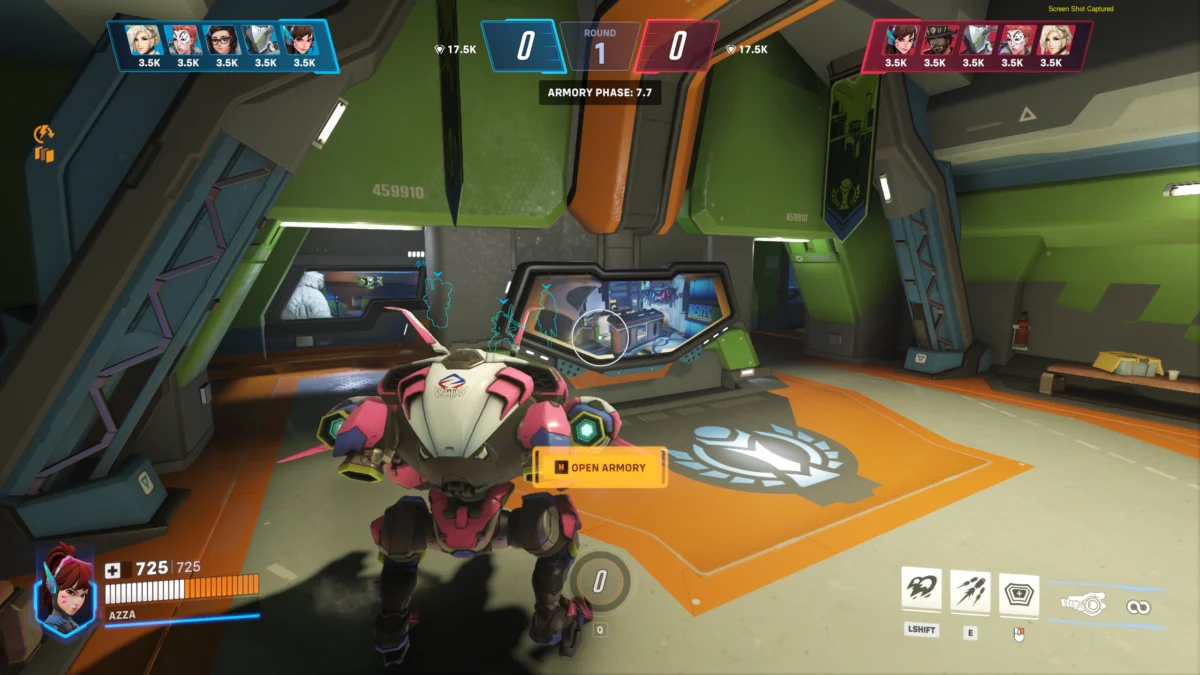
The recent announcement that Team 4 will cease further development on Overwatch 2’s "Stadium" mode has sent ripples of disappointment through a dedicated segment of the player base. While the news that content support for the MOBA-inspired game mode is coming to a definitive end may not have come as a total shock to industry analysts, it marks a somber turning point for a title that has spent years attempting to reinvent its identity. For those who found solace in the experimental nature of Stadium, this decision is not just about the loss of a map or a rule set—it represents the narrowing of Overwatch 2’s creative horizon.
The Rise and Fall: A Chronology of Stadium
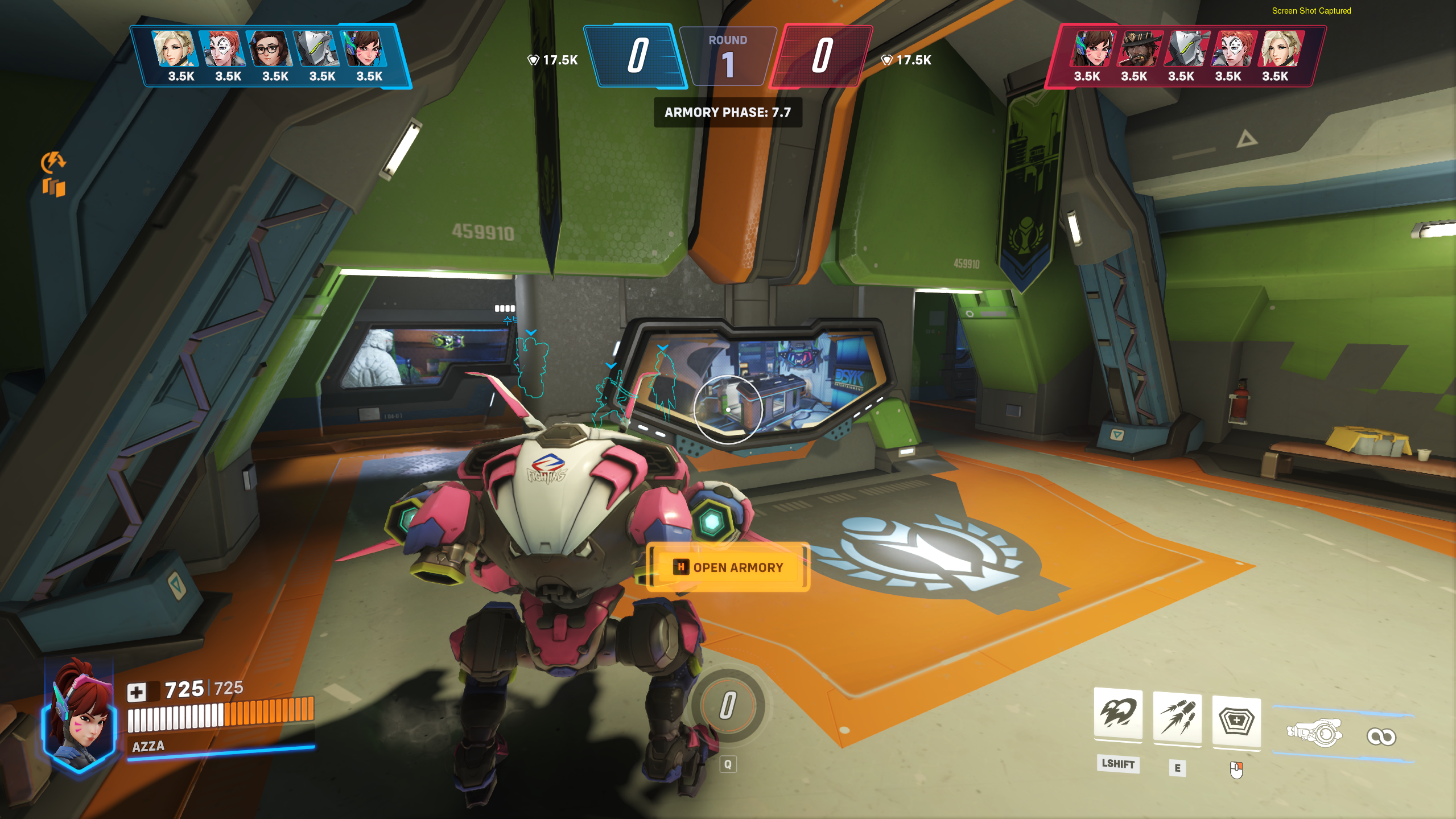
When Stadium first debuted, it was marketed as a bold departure from the standard Overwatch formula. By integrating MOBA-style mechanics—a third-person perspective, an item shop, and a more strategic, lane-based flow—it aimed to capture an audience that perhaps felt the core hero-shooter gameplay had grown stale.
Initially, the reception was mixed. Long-time Overwatch purists found the third-person camera jarring and the item-buying systems overwhelming. However, as the learning curve was conquered, a subset of the community began to champion the mode as the most innovative thing Team 4 had produced in years.
Despite an explosive launch—where the mode saw 2.3 million matches played in its inaugural week—engagement metrics eventually hit a plateau. Recent data indicates that only 6% of the total Overwatch 2 player base remained active in Stadium. Faced with this low retention rate, Blizzard has opted to halt the production of new heroes and maps for the mode, effectively leaving it in a state of permanent maintenance.
The Data Behind the Decision
The cold reality of live-service development is that resources are finite. When a company like Blizzard—now under the immense pressure of Microsoft’s internal fiscal mandates—evaluates which modes deserve developer time, the numbers dictate the outcome.
Stadium’s decline is a case study in the "engagement trap." While it boasted 7.8 million hours of playtime during its launch week, the long-term engagement failed to mirror that initial fervor. The "best of seven" match format, which proved to be a point of significant contention, often resulted in matches that felt bloated and exhausting. While Team 4 attempted to pivot to a "first to three" structure, the subsequent reversal to the longer format only deepened the divide between the developers and the core player base.
The struggle to balance the mode’s unique item economy against the standard hero roster created a development bottleneck that, for a team already stretched thin by the demands of the base game, became unsustainable.
Bridging the Gap: The Legacy of PvE
It is impossible to discuss the abandonment of Stadium without addressing the ghost of Overwatch 2’s ill-fated PvE (Player vs. Environment) project. Many of the systems, assets, and design philosophies present in Stadium were originally conceived as part of the ambitious, yet ultimately canceled, Hero Missions.
For the developers, Stadium was a way to "recycle" creative labor, ensuring that years of internal brainstorming didn’t go to waste. For the players, it served as a consolation prize—a space where those PvE-inspired mechanics could live on in a competitive, player-versus-player setting. With Stadium now effectively "sunsetted," the community is left to wonder if any remnants of that grand, original Overwatch 2 vision will ever surface again.
Official Responses and Internal Pressures
Blizzard has remained tight-lipped regarding the specific roadmap for the game’s future, but the climate within the studio is an open secret. Following massive layoffs within the Xbox gaming division and broader industry-wide "cord-cutting," developers are under more pressure than ever to prioritize high-traffic, high-revenue areas of their games.
There is a palpable sense of fatigue within the team. The move to stop work on Stadium is widely viewed by insiders as a tactical retreat—a refocusing of assets onto the core 5v5 experience, which remains the lifeblood of the game. While Blizzard has not released a formal "goodbye" to the mode, the message is clear: the era of radical experimentation is being sidelined in favor of stability and core competency.
Implications for the Future of Overwatch
What does this mean for the future of Overwatch 2? On one hand, it suggests a more disciplined, focused development cycle. By cutting away the "bloat" of experimental modes, Team 4 can theoretically provide more frequent updates to the standard Competitive and Quick Play rotations.
However, the cost of this focus is a potential stagnation of the game’s identity. Overwatch succeeded originally because it was a genre-defying experience—a hero-based tactical shooter that felt unlike anything else on the market. If the game loses its appetite for "Hacked" experiments and side-modes, it risks becoming just another standard shooter in an already saturated market.
The "Hacked" Quickplay events, such as the recent attempts to bring back 6v6, serve as the last bastion of this creative spirit. While the community’s reception to these tests has been mixed—with many labeling the 6v6 attempt a "bad compromise"—they represent the only remaining arena for the developers to iterate on the game’s core systems.
The Human Cost of Efficiency
Beyond the spreadsheets and the player counts, there is a human element to this story. Developers at Team 4 have spent a decade building the world of Overwatch. To see these inventive, risky, and passion-driven projects shuttered is a blow to the morale of the creative team. When the industry forces studios to chase only the most profitable engagement metrics, the "creative soul" of a game often becomes the first casualty.
As Overwatch 2 moves forward, it faces a difficult dilemma. It must keep its existing, core player base satisfied while trying to innovate enough to prevent the game from feeling like a relic of the past. The loss of Stadium is a reminder that in the modern gaming landscape, even the most innovative ideas are subject to the brutal reality of the bottom line.
Conclusion: Looking Ahead
The closure of Stadium is not the end of Overwatch 2, but it is a poignant reminder of its limitations. Players who enjoyed the mode will likely migrate back to the standard queues or move on to other titles, and the game will continue to function as it always has.
Yet, for those who valued the experimentation—who saw in Stadium a glimpse of what Overwatch could have been if it were allowed to grow into a more diverse, multi-faceted platform—the loss is profound. The challenge for Team 4 in the coming year will be to prove that they can still innovate within the strict confines of the standard game, ensuring that the legacy of their creative ambition survives even when the specific modes that carried it are left behind.
As we look toward the next season of Overwatch 2, we must ask ourselves: is the game becoming more refined, or is it simply becoming more conventional? For now, the answer remains a point of contention, but one thing is certain: the era of the "big experiment" has officially concluded, and a new, more cautious chapter has begun.

