

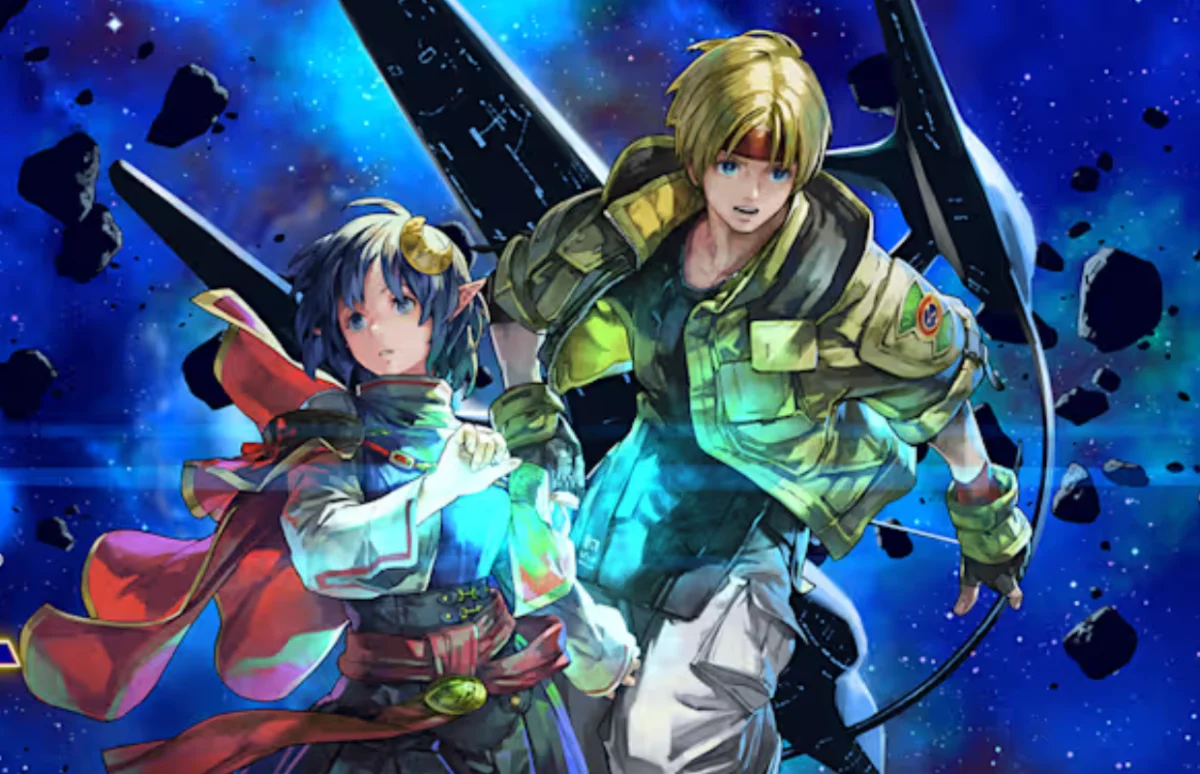
Square Enix has officially expanded the reach of its critically acclaimed JRPG revival, Star Ocean The Second Story R, bringing the title to the Nintendo Switch 2. Following its successful launch in November 2023 across PlayStation 5, PlayStation 4, Nintendo Switch, and PC, the game now joins the burgeoning library of the Switch 2. This release marks another chapter in Square Enix’s ongoing strategy regarding cross-generational software management, a topic that has sparked significant discourse within the gaming community.
The Evolution of a Classic: From PSP to Next-Gen
Star Ocean The Second Story R is not merely a port; it is a sophisticated reimagining of the 1998 classic Star Ocean: The Second Story. The remake builds upon the foundation laid by the PSP version, Star Ocean: Second Evolution, while completely overhauling the visual presentation. By employing a unique "2.5D" aesthetic—a hallmark of modern Square Enix titles—the game fuses high-definition 2D pixel-art characters with immersive 3D environments, creating a visual harmony that feels both nostalgic and contemporary.
The journey to the Switch 2 is the latest milestone in a project that has consistently received high praise. Critics and players alike have lauded the remake for preserving the soul of the original while modernizing its core mechanics. As our own review noted, "It’s one of my favorite video games in even finer form," highlighting the successful marriage of classic JRPG tropes with modern quality-of-life improvements.
Technical Specifications: Bridging the Generational Gap
Following the digital release, Square Enix provided detailed technical specifications, confirming what many hardware enthusiasts had anticipated: the Switch 2 version offers a significant leap in performance over its predecessor. The publisher confirmed that the game features improved texture resolution and enhanced shadow mapping, ensuring that the vibrant 2.5D world looks sharper on the newer hardware.
The performance targets for the Switch 2 represent a doubling of frame rate and a significant boost in resolution compared to the original Switch release:
| Platform | Resolution | Frame rate |
|---|---|---|
| Switch 1 Docked | 864p | 30fps |
| Switch 2 Docked | 1080p | 60fps |
| Switch 1 Handheld | 576p | 30fps |
| Switch 2 Handheld | 1080p | 60fps |
These metrics confirm that the Switch 2 effectively stabilizes the experience at a consistent 60 frames per second, regardless of whether the console is docked or in handheld mode. For a game that relies heavily on fast-paced, real-time battle mechanics, this performance boost is not merely cosmetic—it fundamentally improves the player’s ability to react to combat encounters.
The Controversy of Cross-Generation Policies
Despite the technical prowess of the new release, the launch has not been without controversy. Square Enix has confirmed that there is no save transfer path between the original Switch version and the Switch 2 version. Furthermore, there is no discounted upgrade path for existing owners, meaning players who wish to experience the game on the new hardware must purchase it at the full retail price of $49.99.
This decision mirrors Square Enix’s recent approach to the Octopath Traveler series on the Switch 2. While the publisher has been lauded for the quality of its ports, its stance on "next-gen" upgrades has been inconsistent. For many consumers, the lack of an upgrade path feels punitive, especially when compared to the aggressive cross-buy and upgrade policies seen in other corners of the industry. This has led to a broader conversation regarding the "Switch 1 to Switch 2" transition. Square Enix maintains that these are distinct product SKUs, yet the consumer sentiment remains divided between those who value the performance jump and those who feel the cost of entry is too high for a title they already own.
A Deep Dive into Gameplay Mechanics
Star Ocean The Second Story R remains a masterclass in modernizing a classic without losing its identity. The gameplay loop centers on a dual-protagonist system, allowing players to choose between Claude C. Kenni, a Federation officer, or Rena Lanford, a young girl from the mystical planet of Expel. This choice dictates the perspective of the narrative and offers unique story beats, encouraging replayability.
The remake introduces several modernizations that make the experience feel fresh:
- Enhanced Combat: The battle system has been overhauled to include new mechanics that reward aggressive playstyles, such as the "Break" system, which forces players to strategically manage their character’s stamina and ability output.
- Audio Options: Players can switch between the original, unarranged soundtrack and the fully re-arranged versions, a nod to the long-time fans who hold the 1998 score in high regard.
- Voice Acting: The game features full Japanese and English voice-overs, bringing a cinematic quality to the skits and cutscenes that were previously text-only in older iterations.
- Quality of Life: The addition of fast-travel and more intuitive menus ensures that the pacing—often a hurdle for older JRPGs—remains brisk and engaging for modern audiences.
Narrative and Setting: The Space-Fantasy Aesthetic
The story of Star Ocean is one of its most enduring features. Set in "Space Date 366," the plot kicks off when a Federation officer is accidentally transported to the underdeveloped planet of Expel. The narrative blends high-concept science fiction with traditional high fantasy, a trademark of the series. As the protagonist encounters the enigmatic Rena and becomes embroiled in the prophecy of the "Warrior of Light," the story expands into an epic space opera.
The Switch 2 version provides the most definitive way to experience this narrative. The increased resolution allows the intricate 2D sprite work to pop against the 3D backgrounds, ensuring that the emotional beats—conveyed through character portraits and expressive, high-res pixel art—land with maximum impact.
The Future of Square Enix on Switch 2
The release of Star Ocean The Second Story R on Switch 2 serves as a case study for Square Enix’s current platform strategy. By opting to release the game as a standalone title rather than a system-level upgrade, the company is treating its Switch 2 library as a premium ecosystem. While this creates friction for legacy owners, it also ensures that the title is presented as a "definitive" experience.
Looking ahead, players can expect more titles to follow this pattern. As the hardware gap between the Switch 1 and Switch 2 continues to widen, developers are faced with the choice of maintaining parity or pushing the hardware to its limits. Square Enix has clearly chosen the latter, prioritizing the "best version" of their games, even at the cost of consumer convenience regarding upgrades.
Conclusion: Is it Worth the Upgrade?
For those who have yet to play Star Ocean The Second Story R, the Switch 2 version is undoubtedly the superior choice. The jump from 30fps to 60fps, combined with the jump in resolution, creates a fluid experience that better suits the game’s demanding combat system. It is a brilliant JRPG that manages to feel both ancient and futuristic simultaneously.
However, for those who already own the title on the original Switch, the decision is more complex. The absence of a save transfer means that progress is trapped on the older hardware, and the $49.99 price tag is a significant ask for what is essentially a graphical and performance remaster of an existing product.
Ultimately, Star Ocean The Second Story R on the Nintendo Switch 2 is a testament to the enduring power of classic game design. It reminds us that at the heart of every great remake is a foundation that could survive the test of time, regardless of the hardware it runs on. As Square Enix continues to navigate the complexities of cross-generational releases, one can only hope that future titles find a balance that rewards loyalty while still embracing the technological potential of the new console generation.
For fans of the genre, the arrival of this classic on a platform that finally matches its ambition is a cause for celebration—even if the path to getting there requires a bit of extra investment. The destiny of Claude and Rena is waiting once more, and on the Switch 2, it has never looked—or played—better.

