

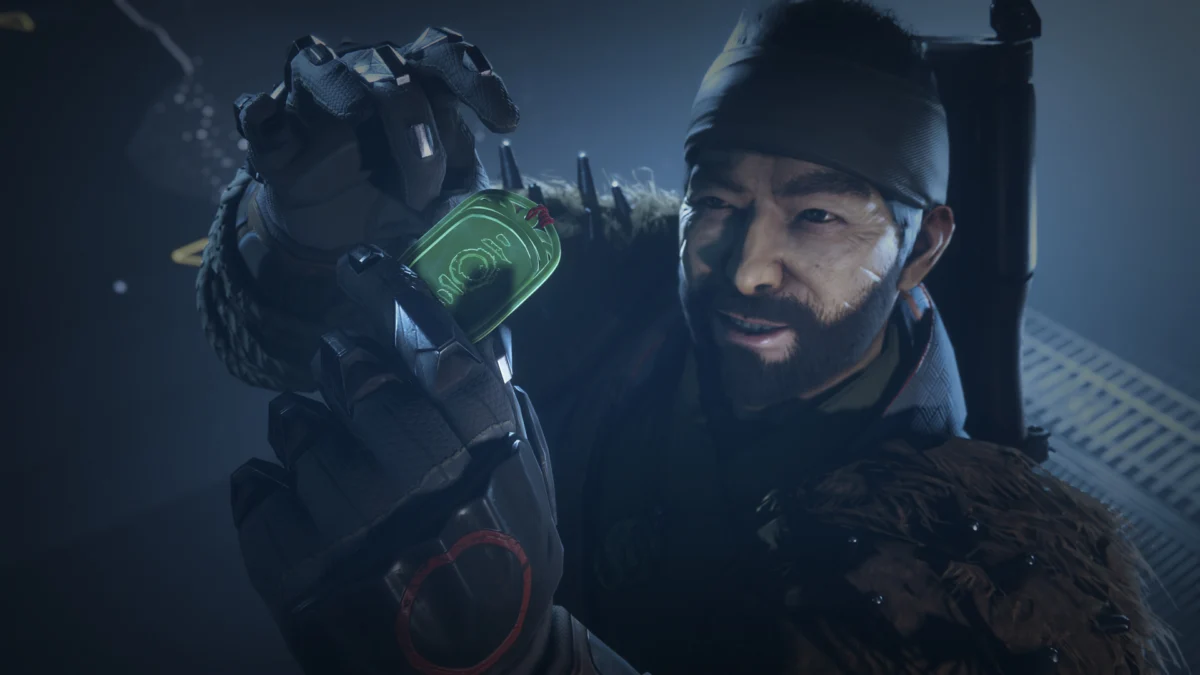
The landscape of the modern "live-service" era has been defined, perhaps more than by any other title, by Bungie’s Destiny 2. For nearly a decade, the space-faring looter-shooter has served as the industry’s gold standard for gunplay, environmental storytelling, and community engagement. However, in a move that has sent shockwaves through the gaming world, Bungie recently announced that active development for Destiny 2 has officially reached its conclusion. This transition marks the end of an era for a title that helped pioneer the "forever game" model, leaving behind a legacy that is as complicated as it is influential.
Ironically, as the game prepares to enter a maintenance-only state, it is experiencing a renaissance of player interest. Recent data indicates that Destiny 2 is currently enjoying its highest engagement levels in years, creating a poignant paradox: the game is more popular than ever, even as its creators prepare to walk away.
Main Facts: The Finality of the Monument
The announcement that active development on Destiny 2 is ending next month follows the release of the game’s final major content update, titled Monument of Triumph. While Bungie has assured the community that the servers will remain online and the MMO will still be playable for the foreseeable future, the "active" lifecycle—characterized by seasonal content, major expansions, and consistent balance overhauls—is drawing to a close.
The Monument of Triumph update was designed as a "grand finale," a celebratory retrospective of the game’s ten-year journey. It reintroduced legacy rewards, simplified the acquisition of rare gear, and provided a narrative closure that many fans found both cathartic and heartbreaking. This "final hurrah" strategy was remarkably effective. According to data from SteamDB, the game’s concurrent player count on Steam surged to over 165,000 shortly after the update went live. To put this in perspective, this is the highest player density the game has seen since the summer of 2024, nearly matching its all-time peak of approximately 316,000 players.
Chronology: The Road to the Sunset
The path to this conclusion has been a turbulent one, marked by soaring highs and devastating lows. To understand how Destiny 2 arrived at this point, one must look at the timeline of the last several years.
- The Sony Acquisition (2022): When Sony Interactive Entertainment acquired Bungie for $3.6 billion, the move was seen as a way to bolster PlayStation’s live-service portfolio. Bungie was expected to act as a "north star" for other internal studios.
- The Final Shape Expansion (2024): This expansion was meant to be the narrative climax of the "Light and Darkness Saga." While critically acclaimed, reports began to surface that the game was falling short of internal revenue expectations despite its quality.
- The Shift to Marathon (2025-2026): Bungie’s internal resources began to shift toward their next major project, Marathon, a sci-fi extraction shooter. This transition led to a gradual thinning of the Destiny 2 development team.
- The Layoffs and Restructuring (Early 2026): In a move that stunned the industry, PlayStation announced significant layoffs within Bungie. Most of the core Destiny 2 development team was affected, signaling that the studio was moving into a new phase of existence.
- The Announcement of the End (June 2026): Bungie officially confirmed that active development would cease following the Monument of Triumph update.
- The Final Resurgence (July 2026): As players returned to say their goodbyes, the game’s metrics skyrocketed, leading to the current state of the game: a vibrant, bustling community inhabiting a world that will no longer grow.
Supporting Data: A Staggering Leap in Engagement
The most compelling evidence of Destiny 2’s enduring appeal comes from Mat Piscatella, Senior Director and Industry Analyst at Circana. Piscatella recently shared data from the Circana Player Engagement Tracker, which monitors Monthly Active Users (MAU) in the United States.
The data for June 2026 revealed a "staggering leap" for the title. On the Steam platform, Destiny 2 jumped from the 32nd position in May to the 5th most-played game in June. For a game that is nearly a decade old and has been officially slated for "death" by its developers, this level of movement is virtually unprecedented in the industry.
While other titles like the debut of Meccha Chameleon took the top spot, and Where Winds Meet performed well on Xbox Game Pass, Destiny 2’s resurgence was the primary talking point among analysts. This data suggests that the "lapsed player" base—those who have played Destiny at some point over the last ten years—is massive. The announcement of the game’s end acted as a powerful catalyst, drawing millions of players back for one final look at the world they once inhabited daily.
Official Responses and Developer Sentiment
The reaction from both inside and outside Bungie has been a mixture of pride, frustration, and mourning. Official statements from Bungie have focused on the "celebration of the community," emphasizing that the game will remain "playable" even without new content. However, the subtext of these communications is heavy with the weight of the recent layoffs.
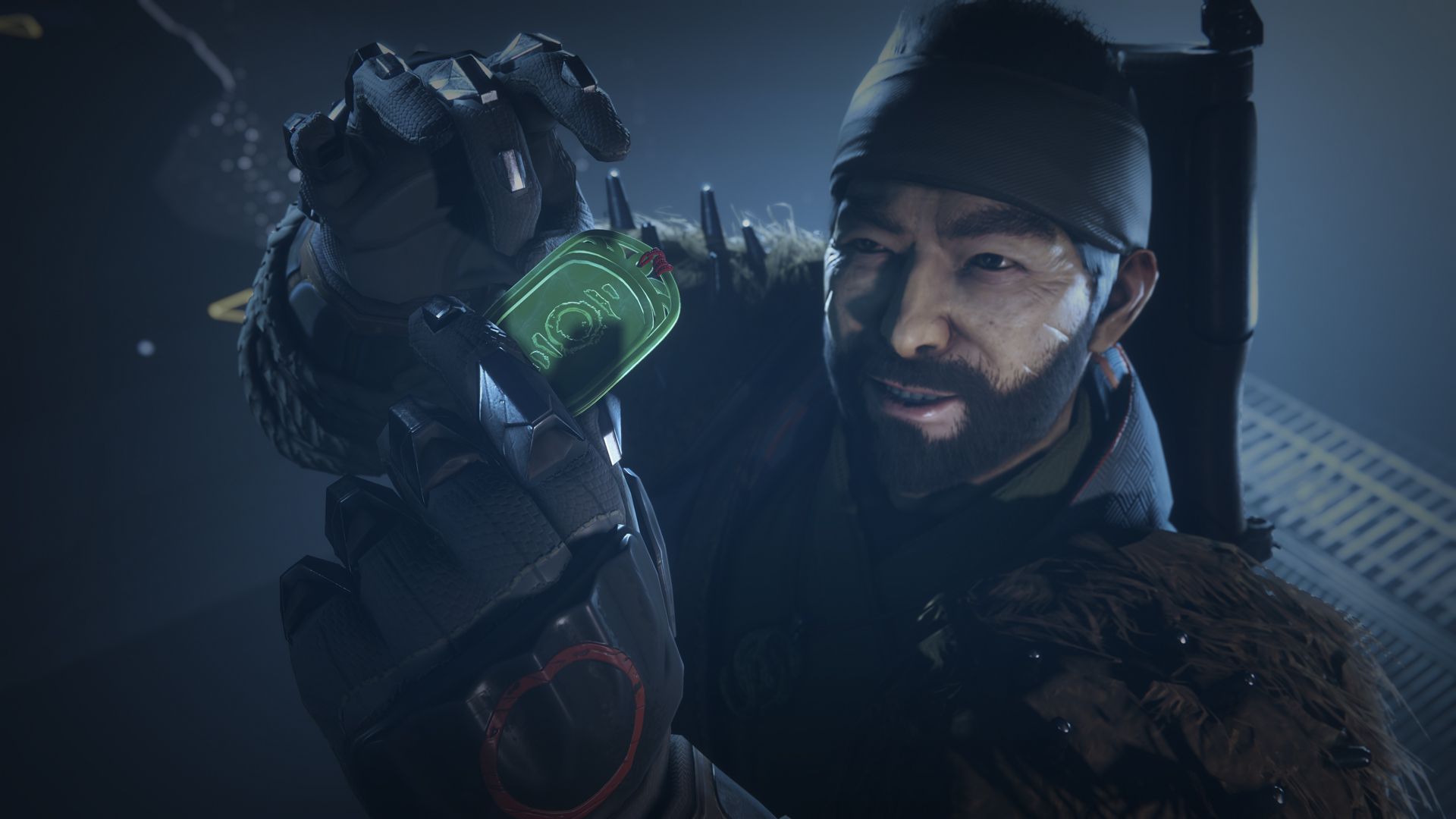
Outside of Bungie, industry peers have expressed alarm. Rebecca Ford, the Creative Director for Warframe—often considered Destiny 2’s primary competitor—described the news as "horrible for everyone." In a recent statement, Ford noted that the end of Destiny 2 is a sobering reminder of the volatility of the industry. "If it can happen to Bungie, a studio with that much talent and a legendary IP, it can happen to anyone," Ford remarked, highlighting a growing sense of precariousness among live-service developers.
Within the fan community, the sentiment is even more pointed. Renowned "lore masters" and community leaders have expressed a sense of "utter lividity." Many point to secret scenes and narrative threads hidden within the Monument of Triumph update that hint at a vast potential for future stories—stories that will now likely never be told. For these fans, the game isn’t ending because it ran out of ideas; it is ending because of corporate restructuring and shifting financial priorities.
Implications: The Crisis of the "Forever Game"
The "death" of Destiny 2’s active development carries profound implications for the video game industry at large. It raises a fundamental question: Can a "forever game" actually exist?
1. The Cost of Content
Destiny 2 demonstrated that maintaining a high-fidelity, AAA live-service game requires an astronomical amount of resources. The sheer volume of content required to keep a player base engaged—new raids, dungeons, weapons, and story beats every three months—is a treadmill that eventually exhausts even the most well-funded studios. The end of Destiny 2 suggests that the current model of constant growth may be unsustainable in the long term.
2. The Risk of the Pivot
Bungie is now betting its future on Marathon. While the extraction shooter genre is popular, it is also crowded. By ending development on a proven, high-performing IP like Destiny to chase a new trend, Bungie is taking one of the biggest risks in gaming history. If Marathon fails to capture the same lightning-in-a-bottle magic, the studio will have no "safety net" to return to.
3. The Preservation of Digital Worlds
As Destiny 2 enters its sunset phase, the conversation around game preservation becomes more urgent. Because Destiny 2 is an online-only title, its existence is entirely dependent on Bungie (and Sony) keeping the servers running. When the day eventually comes that those servers are turned off, a decade of digital history, community effort, and artistic achievement could vanish. The current surge in players proves that there is still a desire for this world to exist, but in the digital age, existence is a line item on a corporate budget.
4. A Warning to the Industry
The fact that Destiny 2 hit the #5 spot on Steam’s MAU charts just as it was being "retired" is a warning to other publishers. It suggests that player interest does not always align with corporate profitability. A game can be beloved, active, and culturally significant, and still be deemed "unsuccessful" by the metrics of a multi-billion-dollar parent company.
Conclusion: The Legacy of the Traveler
As the final updates roll out and the development team disperses to other projects or other studios, Destiny 2 stands as a monument to what the medium of gaming can achieve. It was a game that brought millions of people together to solve complex puzzles, defeat gods, and explore the furthest reaches of our solar system.
The current player surge is more than just a spike in data; it is a wake for a digital world. While the "active" development is over, the impact of Destiny 2 will be felt for decades. It proved that games could be more than just products—they could be evolving, living spaces. Whether Marathon can fill the void remains to be seen, but for the 165,000 players currently patrolling the Moon or the Dreaming City, there will never be anything quite like Destiny. The Traveler may be going silent, but the echoes of its journey will resonate in the industry for years to come.

