

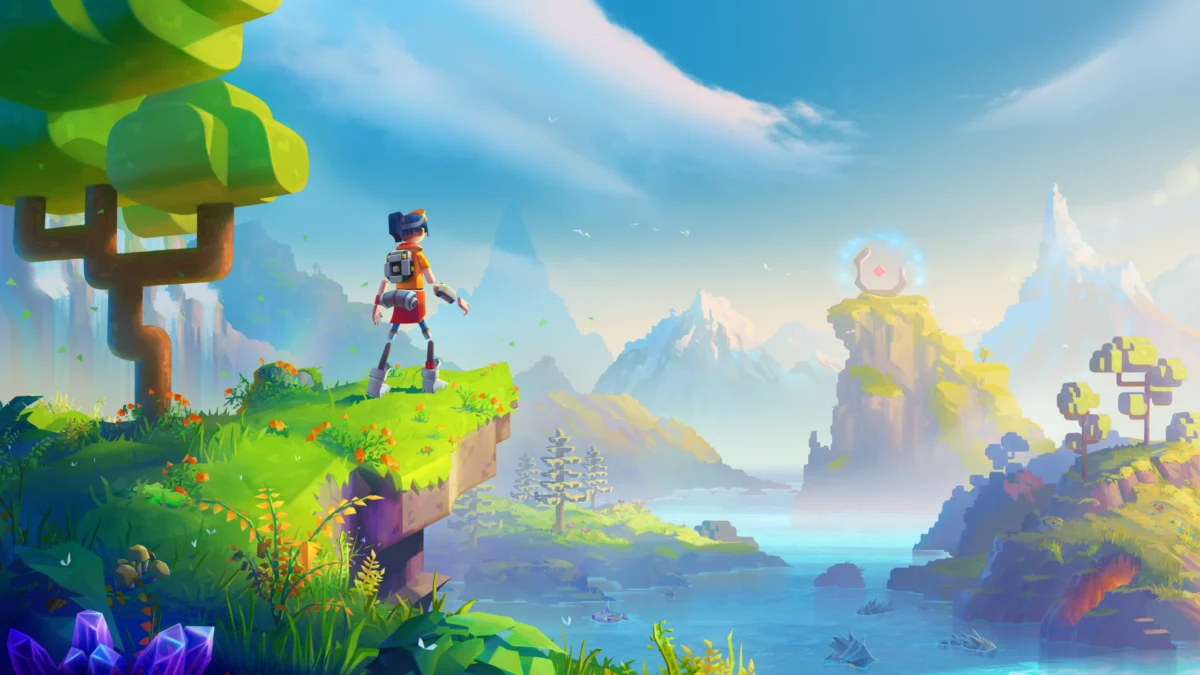
For over a decade, the name 4J Studios has been inextricably linked to the global phenomenon that is Minecraft. As the Dundee-based development house responsible for porting Mojang’s block-based sandbox to nearly every console platform, the team earned a reputation for technical wizardry and unwavering reliability. However, as the industry landscape shifts and corporate mandates tighten, 4J Studios is pivoting from the role of steward to that of an innovator, betting its future on a new, homegrown project: Reforj.
A Legacy of Porting and the Pivot to Originality
Established in 2005 by industry veterans Chris van der Kuyl, Paddy Burns, and Frank Arnot, 4J Studios quickly carved out a niche in the console space. Their trajectory changed forever in 2012 when they began the monumental task of bringing Minecraft to consoles. The partnership was lucrative, providing the studio with the capital to dream bigger.
"They did really well off of Minecraft," says Brian Gomez, executive producer and creative director at 4J. "The leadership had the foresight to negotiate a royalty arrangement, which generated incredible wealth for the studio. But more importantly, it allowed them to stay true to their core mission: making games."
While many would have seen such a windfall as a signal to retire, van der Kuyl and Burns chose to double down on development. According to Gomez, the decision to launch Reforj was born of necessity rather than mere ambition. By 2019, the writing was on the wall. Microsoft, having acquired Mojang in 2014, began moving development efforts in-house. 4J’s leadership recognized that the "Minecraft basket" had a limited shelf life and that, to ensure the studio’s longevity, they needed to build their own intellectual property.
Chronology of Development: From Consoles to the ‘Elements Engine’
The path to Reforj began with a fundamental question posed by Paddy Burns to his engineering team: "If we had the chance to build our own open-world, voxel-based engine from scratch, what would we do differently?"
The answer was shaped by years of "fighting" to get Minecraft to run optimally on diverse hardware. The team established two core pillars for their new technology, eventually dubbed the "Elements Engine":
- Performance Consistency: The engine had to maintain a rock-solid 60 frames per second, regardless of the level of destruction occurring on screen.
- Controller-First Design: Unlike many voxel games designed with a mouse and keyboard in mind, Reforj was built from the ground up to feel intuitive on modern console controllers.
By 2023, the engine was stable, and the design team faced the daunting task of selecting a concept. They drafted six disparate pitches, ranging from niche projects to broad-appeal titles. The chosen path was Reforj, a survival-crafting game that respects the heritage of the genre while pushing technical boundaries.
Supporting Data: Why Reforj Isn’t Just Another ‘Minecraft Clone’
While Reforj shares the DNA of its predecessor, it introduces several mechanical shifts that distinguish it from the standard voxel formula.

The Planetoid Structure
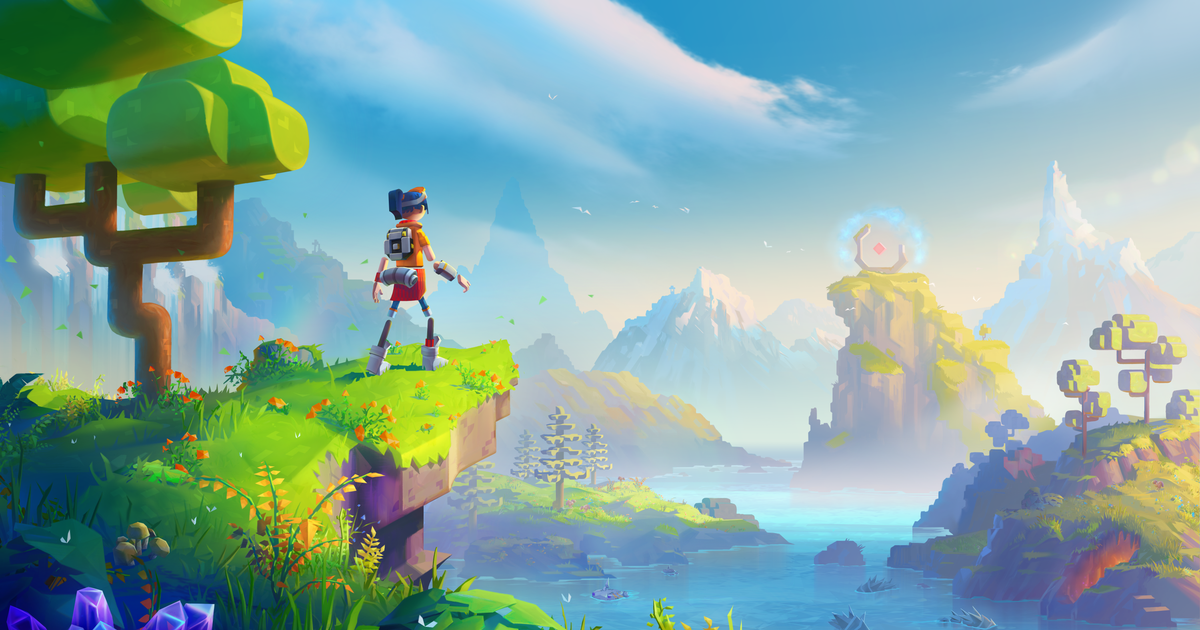
Instead of a singular, sprawling, and often performance-taxing open world, Reforj utilizes a planetoid-based structure. Each world is a 4km x 4km spherical environment. This design choice serves a dual purpose: it keeps technical performance stable and manageable, and it allows for a more focused exploration loop. Players can travel between these planetoids via portals, effectively allowing for a scalable, modular universe.
High-Fidelity Sculpting
The most immediate difference is the level of visual detail. While Minecraft is famous for its 1×1 block aesthetic, the Elements Engine allows for 660 different shapes. Players begin with basic blocks, but they can then employ a "sculpting tool" to refine these blocks into stairs, arches, and intricate architectural features. This elevates the player’s output from "building with blocks" to "digital construction."
The Aura Circuit System
Perhaps the most ambitious addition is the "Aura" system. By bouncing rays of energy off reflective blocks, players can power complex machinery. The system includes logic gates (AND, OR, NOT) and signal splitters, allowing for highly complex creations. The developers were stunned when early playtesters used this system to build a fully functional, playable version of Space Invaders within the game.
The Human Element: Narrative and Talent
One of the most surprising departures in Reforj is the presence of an integrated narrative. Having previously worked as a design director on Silent Hill: Downpour and as a senior manager at Disney Interactive, Brian Gomez brought a "story-first" philosophy to 4J.

"Minecraft had such a blank slate, which was a strength," Gomez admits. "But it meant the lore had to be invented retroactively, often through third-party media. We wanted to build a world that felt lived-in from day one."
The game features a conflict between two ancient civilizations: the Gatekeepers and the Tunnellers. Importantly, the narrative is non-intrusive; players can uncover ruins and artifacts to piece together the history of the world, or they can ignore it entirely. However, the lore is tied to gameplay difficulty. Stockpiling "Aura" energy is essential for advanced building, but the more you hoard, the more you attract the insect-like Tunnellers, turning the game into a high-stakes survival challenge.
The studio also made a high-profile addition to its design team: Joe Garrett, better known as the YouTube creator Stampy. Having maintained a relationship with 4J for years, Garrett moved from a consultant role to a formal design position. His influence was critical in balancing the game’s controls and ensuring the "sculpting" experience felt satisfying to veteran genre fans.
"Imagine you’re building basketballs, and you have LeBron James on your team to tell you exactly what’s wrong with the grip," says Gomez. "That’s what having Joe on the team is like."

The State of the Industry: A "Garbage" Environment
The development of Reforj is happening against a backdrop of widespread industry instability. Gomez is blunt about the current climate: "Nobody is saying, ‘Boy, do I love the game industry right now.’ It’s garbage."
He notes that the studio’s leadership could have easily cashed out following their Minecraft success. "Those two guys [van der Kuyl and Burns] could have been on a yacht, collecting exotic cars. Instead, they are here, in the office, obsessing over frame rates and voxel shapes. It takes a special kind of commitment to choose to build games in this economic climate."
For Gomez personally, the move from Los Angeles to Scotland was also a response to the current climate of American life. Following a school lockdown incident involving his wife, the realization that he could find safety and creative fulfillment back in the UK became a turning point.
Implications: Can They Coexist?
Despite the clear technical superiority of the Elements Engine and the creative depth of Reforj, 4J Studios remains grounded in its expectations. They do not view Reforj as a "Minecraft killer."

"Just because you play Halo doesn’t mean you’ll never play Call of Duty," Gomez explains. The team views the voxel-survival genre as a broad field where multiple high-quality titles can thrive. They point to the launch of Hytale as a sign of the genre’s continued demand, despite the project’s own turbulent development cycle.
For 4J Studios, Reforj represents a transition from a service-oriented company to an original creator. It is an attempt to prove that the team that made the world’s most popular game on consoles still has a fresh perspective on what a block-based game can become. As the studio continues its playtesting phase, the ultimate test will be whether players are ready for a more nuanced, narrative-driven, and architecturally complex voxel experience. One thing is certain: 4J Studios is not interested in settling for the status quo. They are rebuilding the genre, one "Aura" ray at a time.

