

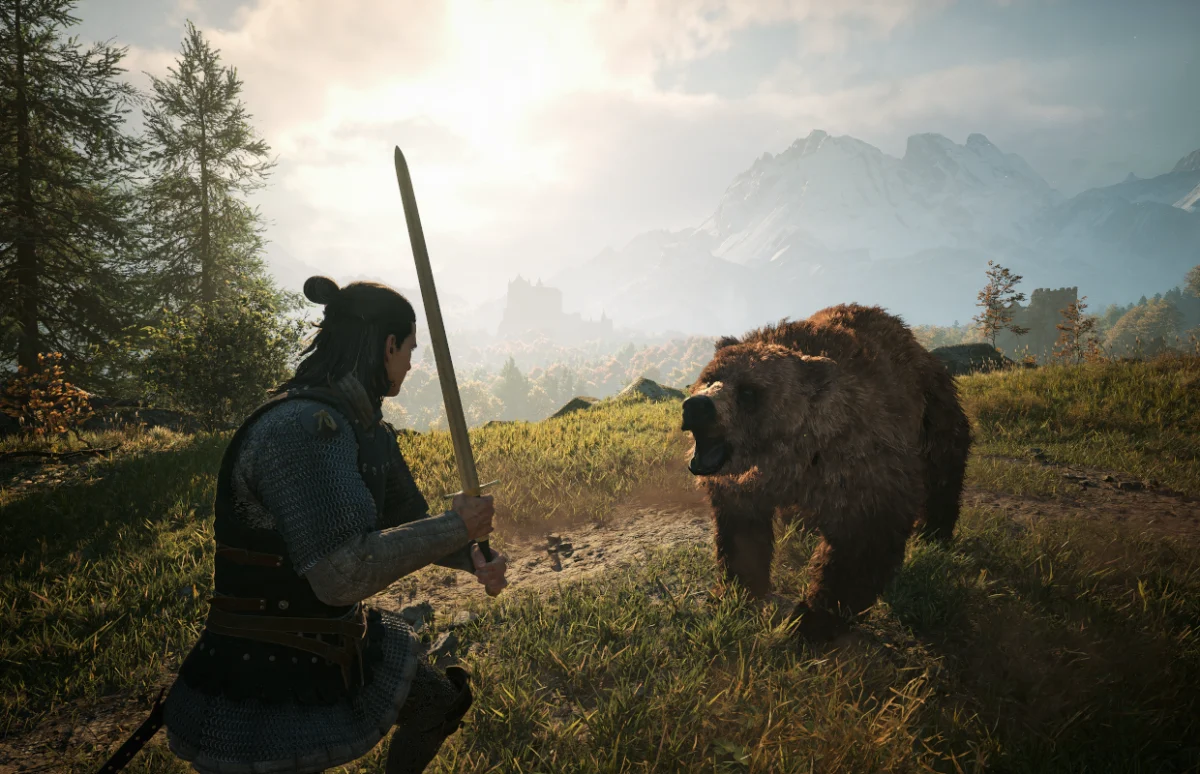
In the dark, rain-slicked landscape of 14th-century Europe, survival is a currency as volatile as the blood that sustains the elite. The Blood of Dawnwalker, the upcoming magnum opus from Rebel Wolves, does not merely invite players to step into the boots of a protagonist; it demands they shoulder the crushing weight of existential morality. With a release date slated for September 3 on PlayStation 5, Xbox Series X|S, and PC, the title is positioning itself as a cornerstone of the modern role-playing genre.
The Premise: A Pact with the Damned
The setting is a chilling subversion of history. While the Black Death ravages the rest of the continent, one specific region has managed to carve out a perverse sanctuary. By submitting to the yoke of a vampire aristocracy, the local populace has traded their autonomy for immunity from the plague. The vampires provide the cure; in return, they demand a steady tithe of blood and absolute, unwavering fealty.
The player assumes the role of Coen, a man caught in the gears of this oppressive machinery. The narrative begins with a desperate, mundane task: gathering herbs to medicate his mother, whose mental state has deteriorated to the point of violence. The stakes are immediate and visceral: failure to keep her sedated for the upcoming communion could result in her execution—or worse—at the hands of their vampiric overlords.
Chronology of Choices: The Weight of the Clock
Unlike many contemporary RPGs that rely on a free-flowing, player-defined pace, The Blood of Dawnwalker operates on a rigid, consequence-heavy temporal system. The game does not track "time" in the traditional sense; instead, it consumes time through the execution of tasks. Every quest, every side-track, and every skill-building moment occupies a precious window of the day.
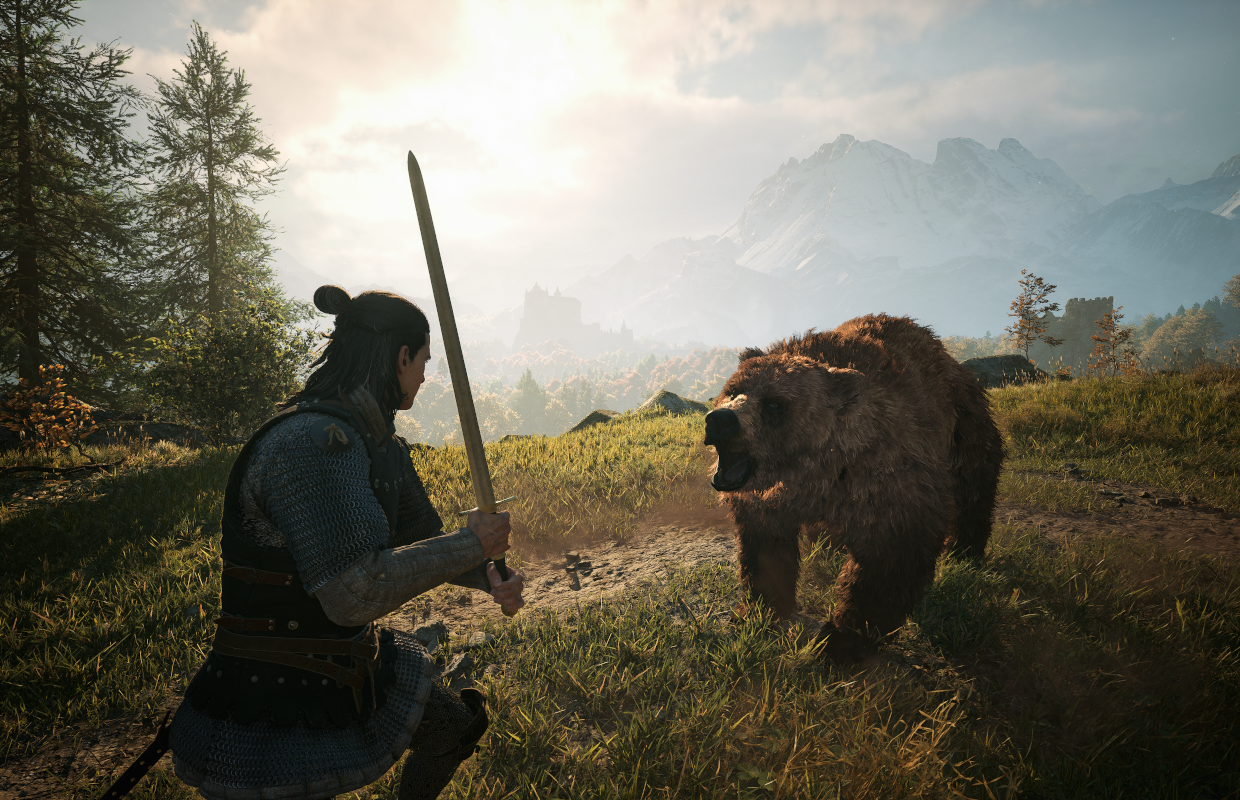
During a recent hands-on preview, the fragility of this system became apparent. My goal was simple: reach the apothecary. Yet, the world of Dawnwalker is designed to distract. A farmer needs help recovering a lost pig; a seamstress fears for her life over a stolen banner; a youth demands a brawl to learn a lesson. In most games, these are "content fillers." Here, they are traps.
My decision to engage with the farmer’s plight—tracking the absconded pig across a river and dealing with a desperate, opportunistic vagabond—was my undoing. By the time I had navigated the complex, multi-stage dilemma of whether to help the farmer slaughter the animal or find another way, the sky had turned, and a torrential storm had closed the roads to the apothecary. I failed my mother. The game did not offer a "reload" or a "retry." It simply allowed me to live with the consequences of my distraction.
Supporting Data: The Mechanics of Despair
The gameplay loop of The Blood of Dawnwalker is built upon three pillars: time-managed narrative, tactical combat, and the internal struggle of the vampire-human hybrid.
The Morality of the Mundane
Rebel Wolves has explicitly eschewed a traditional "Good/Evil" alignment meter. Instead, the game relies on player intuition and internal ethical frameworks. In the pig-slaughter scenario, the game presents a choice: do you assist in the killing, or do you stand aside? If you have the coin, you might buy the animal’s freedom, but currency is scarce. The interaction serves as a mirror for the larger, more harrowing choices—such as whether to force-feed your ailing mother against her will. The game forces the player to consider if autonomy is a luxury one can afford when survival is on the line.
Tactical Combat
When the narrative shifts to physical confrontation, the combat system draws clear inspiration from high-skill titles like For Honor or Chivalry: Medieval Warfare. Players engage in directional combat, managing strikes and blocks across four cardinal axes. The system rewards precision:
- Perfect Counters: Executing a well-timed block preserves stamina and leaves the opponent vulnerable to a devastating counter-attack.
- Visual Cues: For the purists, the game allows for the complete deactivation of the UI. Without the indicator arrows, players must rely on the subtle animations and weapon positioning of their foes to predict the incoming arc of a strike.
The Duality of Coen
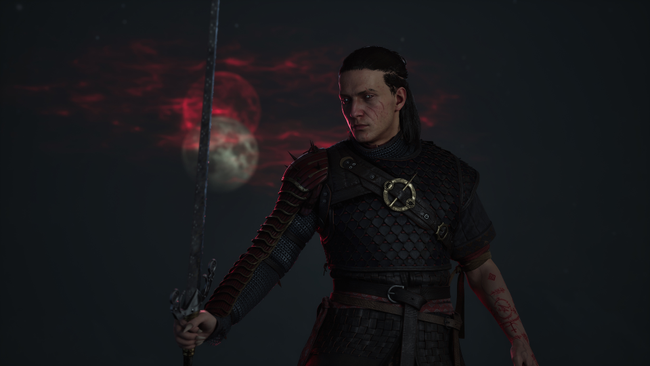
Coen’s nature as a human-vampire hybrid is central to both exploration and combat. During the daylight hours, Coen utilizes Warlock skills to commune with the dead, pulling clues from the ether to advance investigations. By night, his vampiric heritage takes over. He gains the ability to transform into a wolf for rapid traversal or "shadow step" to bypass obstacles. However, this power comes at a cost: the Hunger. Failing to feed on local fauna—or, in dire circumstances, unsuspecting NPCs—will force the player into a state of biological desperation where the game dictates your actions, turning Coen into a predator regardless of the player’s moral leanings.
Official Perspectives: The Philosophy of Design
The developers at Rebel Wolves have been transparent about their intentions: they are not interested in the "completionist" experience. They estimate that a perfectly efficient playthrough will likely capture only 80% of the game’s total content. This design choice is deliberate. It is an intentional push against the "checklist" style of open-world design, forcing players to prioritize what matters most to their version of Coen.
"We want players to feel the gravity of their choices," a spokesperson noted during the preview. By removing the ability to see everything, the developers ensure that every playthrough is unique, colored by the specific failures and successes of the player. This is a game designed to be discussed, debated, and—above all—felt.
Implications for the Genre
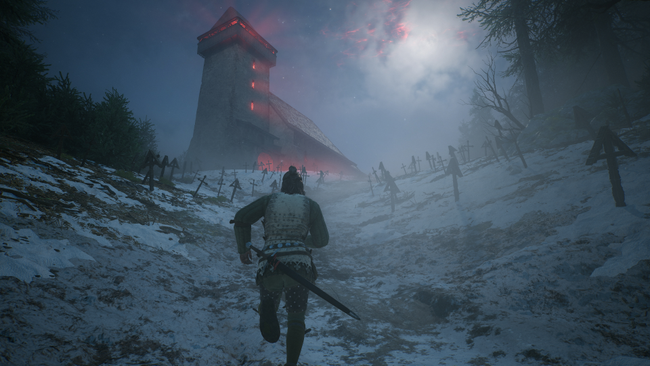
The Blood of Dawnwalker represents a significant departure from the current trend of "endless" RPGs. By anchoring its narrative in a rigid temporal structure and refusing to coddle the player with morality markers, it asks a profound question: What is the cost of being a hero when the world is already broken?
The implications for the RPG market are clear. Players are becoming increasingly fatigued by bloated, repetitive content. The appetite for "compact" experiences that offer intense, branching consequences is growing. If Rebel Wolves can maintain the quality of writing displayed in the prologue throughout the entire runtime, The Blood of Dawnwalker could well be remembered as a pivotal moment in the genre’s evolution.
Conclusion: A Hunger for Release
As the September 3 release date approaches, the anticipation is palpable. The game is not merely a dark fantasy romp; it is a meticulous study of human (and superhuman) fallibility. From the desperate theft of a banner to the visceral act of consuming a rat to satisfy a vampiric bloodlust, The Blood of Dawnwalker is a grim, beautiful, and demanding experience.
Whether this system of "living with your mistakes" will be embraced by the broader gaming public remains to be seen. However, for those who crave a title that respects their intelligence and demands their full engagement, the wait for this September launch feels increasingly like a long, cold night. We will provide a comprehensive, full-length review upon the game’s arrival. Until then, the question remains: when the time comes to make the impossible choice, what will you sacrifice?

