

Welcome to our weekly deep dive into the most-watched branded YouTube videos. As the creator economy continues to mature, sponsorship strategies are evolving from simple product placements into complex narrative-driven campaigns. By analyzing data provided by Gospel Stats, we aim to decode the trends defining how brands interact with creators and their audiences.
In this edition, we track how tech giants like Google and retail powerhouses like Kohl’s are leveraging the reach of YouTube’s top talent to drive consumer engagement. Whether through comedic sketches or high-intensity product demonstrations, the strategies employed this week highlight a shift toward authentic, content-first advertising.
The Landscape: Sponsorship Trends in the Creator Economy
The modern YouTube landscape is no longer just about viral trends; it is a sophisticated marketplace for high-impact advertising. Brands are increasingly moving away from traditional commercials in favor of "sponcon" (sponsored content) that mimics the organic style of a creator’s native library.
This week’s data, powered by Gospel Stats, reveals a recurring theme: utility-based tech integration and relatable, persona-driven storytelling. From the Midwestern charm of Charlie Berens to the high-stakes home renovation fantasies fueled by Google’s Gemini AI, the top-performing videos share one common trait: they provide value to the viewer while seamlessly integrating the brand’s value proposition.
For a comprehensive look at these metrics, industry professionals can download our YouTube 2025 Sponsorship Landscape Report here.
Chronology: The Top-Performing Branded Content
This week, we witnessed a fascinating mix of legacy retail and cutting-edge software dominating the charts. Here is how the leaderboard shook out.
1: Charlie Berens and the Art of the "Influencer Dad" (Kohl’s)
With over 15.9 million views, Charlie Berens secured the top spot by doing what he does best: poking fun at himself while simultaneously selling a lifestyle. Known for his "Average Midwestern Guy" persona, Berens pivoted to "Average Midwestern Influencer" for a Kohl’s campaign.
The skit, which features an exasperated off-camera daughter attempting to wrangle her father through a chaotic unboxing session, works because it acknowledges the absurdity of the influencer industry. By framing the Kohl’s products within the context of a "dad who doesn’t care about the internet," the brand avoids the "stiff" feeling of a traditional commercial, instead embedding itself into a relatable, comedic narrative.
2 & #3: The Google Gemini Offensive (LADbible)
LADbible has become a fixture on our reports, largely thanks to its aggressive partnership with Google UK. Occupying two of the top spots this week with nearly 30 million combined views, these videos demonstrate how brands are utilizing Shorts to reach a younger, mobile-first demographic.
In the #2 spot, YouTubers Behzinga and Faith navigate the complexities of home renovation, using Google Gemini to visualize dream spaces. In the #3 spot, the duo tackles the relatable modern anxiety of "unread messages." Both clips position Gemini not as a faceless piece of software, but as a helpful assistant that can solve the specific, messy problems of daily life—from choosing the right kitchen tile to managing digital burnout.
4: The Power of Visual Demonstration (Dreame Tech)
Gabie Vigneault’s #4 spot is an anomaly in the world of high-production sponsored content. In a video devoid of voiceover or dialogue, Vigneault utilizes the "extreme clean" genre to demonstrate the efficacy of the Dreame Tech steam and carpet cleaner. By focusing entirely on the "before, during, and after" of deep-cleaning a filthy surface, the video delivers instant gratification—a strategy that has proven highly effective in driving conversions without needing to explain the product’s specs.
Bonus: Gaming and Pop Culture (Fortnite)
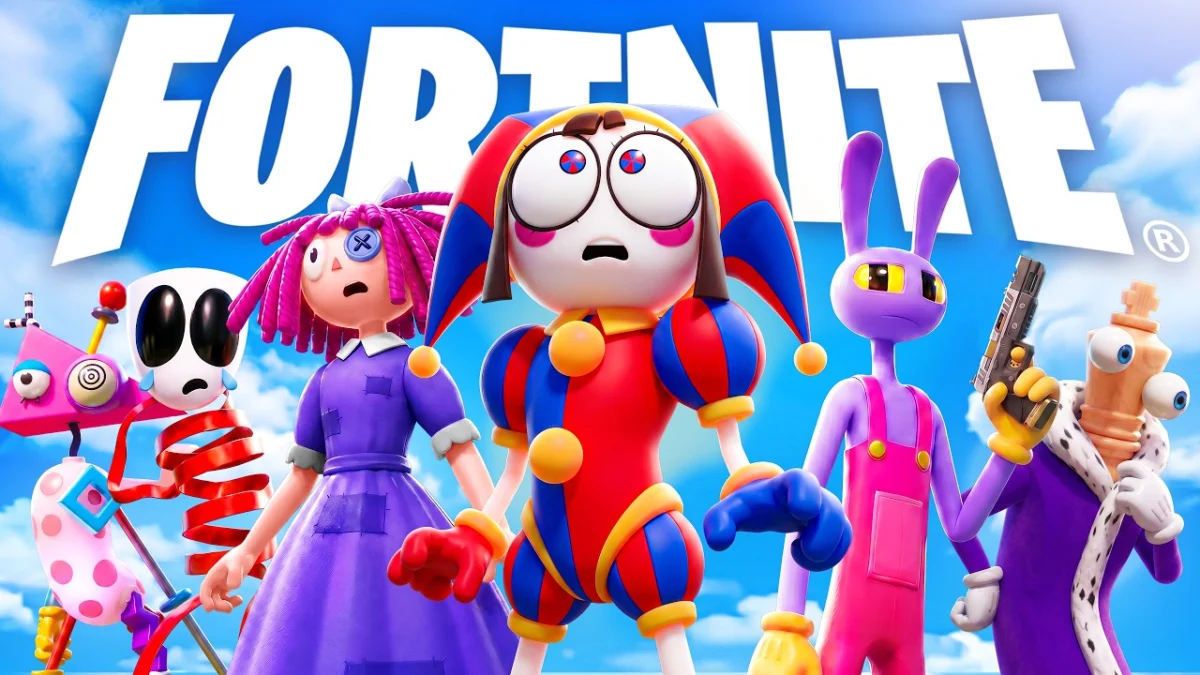
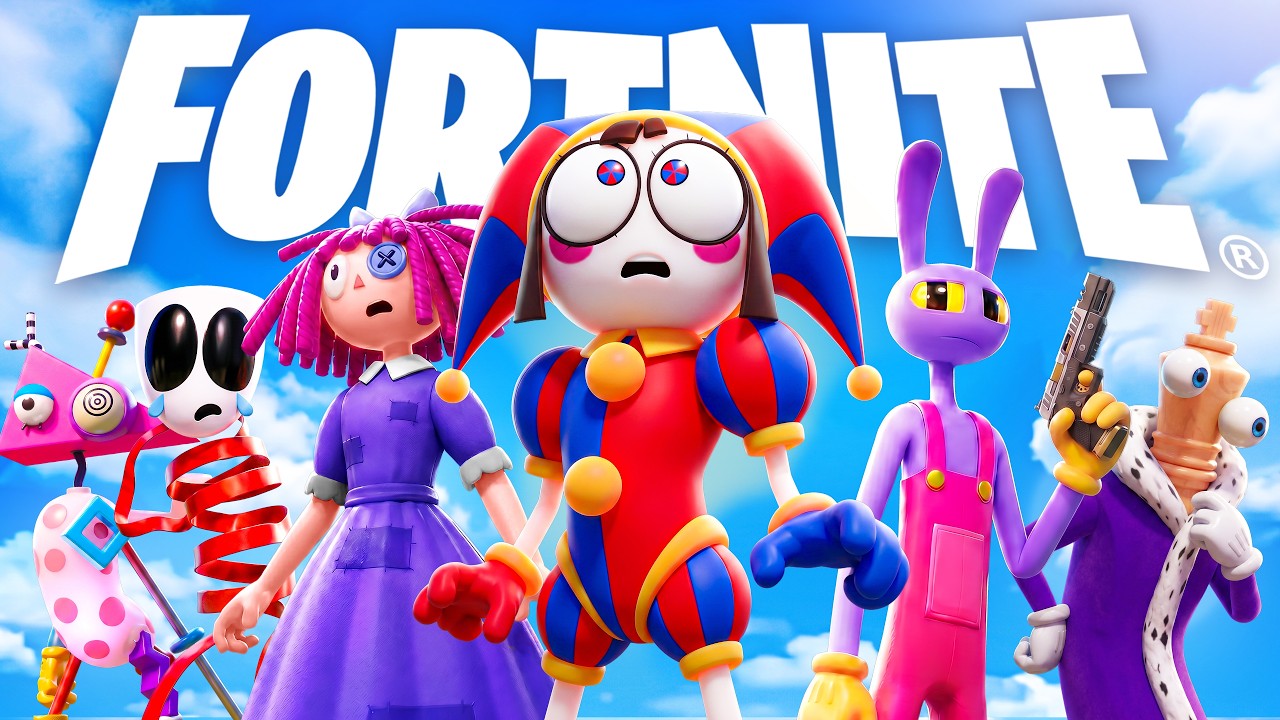
Top5Gaming’s 13-minute breakdown of the latest Fortnite season, featuring a collaboration with the indie animation hit The Amazing Digital Circus, underscores the power of cross-IP promotion. By integrating characters like Jax and Pomni into the Fortnite ecosystem, Epic Games isn’t just selling skins; they are tapping into existing, deeply passionate fanbases.
Supporting Data: Why These Strategies Work
The common thread between these diverse creators is "Contextual Integration."
- Narrative Tension: Whether it’s a daughter trying to stop her dad from ruining an unboxing or a couple arguing over home decor, the videos create a narrative arc. The product is the solution to the tension.
- Short-Form Scalability: The dominance of LADbible and Gabie Vigneault confirms that Shorts are the most efficient vehicle for brand awareness. The "loopable" nature of these videos encourages multiple viewings, which significantly boosts engagement metrics.
- Trust-Based Endorsement: By allowing creators to maintain their specific "voice" (e.g., Berens’ Midwestern sarcasm), the brand adopts the creator’s authority. When a fan watches a favorite YouTuber, they are more likely to trust a recommendation that feels like a natural part of the show rather than an interruption.
Official Perspectives: The Role of Data in Sponsorship
When asked about the current sponsorship climate, industry experts emphasize the importance of data-driven targeting. The Gospel Stats reports, which track everything from audience retention to sentiment analysis, allow brands to move beyond simple vanity metrics like total views.
"The goal is no longer just to get eyes on a screen," says a spokesperson for the analytics firm. "The goal is to understand the sentiment behind those views. Is the audience laughing? Are they frustrated? Are they using the discount code? By analyzing the sponsorship landscape, we help brands identify creators whose audiences are not just watching, but actively converting."
This sentiment is echoed by the move toward the 2025 Sponsorship Landscape Report, which suggests that the future of influencer marketing will rely on predictive modeling. Brands that use data to determine which creators align with their brand identity—rather than just those with the highest subscriber count—are seeing significantly higher ROI.
Implications: The Future of Branded YouTube Content
As we look toward the remainder of the year, several implications for the creator economy emerge:
The Death of the "Hard Sell"
The success of Gabie Vigneault’s silent cleaning video and Charlie Berens’ comedic skit signals the end of the traditional "mid-roll ad read." Viewers are increasingly adept at skipping or tuning out commercials. Future-forward brands will need to invest in "Content-as-Ads," where the sponsorship is an integral part of the creative output.
The Rise of the "Specialist Creator"
Niche channels, such as those focused on home cleaning or gaming news, are becoming more valuable than generalist lifestyle influencers. These specialists have higher trust levels with their audiences. When a cleaning expert recommends a vacuum, the conversion probability is exponentially higher than when a general lifestyle influencer does the same.
The AI Integration
Google’s dominance with the Gemini campaign indicates that tech companies are finally learning how to market AI. Rather than focusing on complex jargon or technical specifications, they are using creators to show how AI can solve the mundane stresses of modern existence. Expect to see more of this "AI-as-a-Utility" content in the coming quarters.
Conclusion: A Data-Driven Path Forward
The data from this week’s Gospel Stats report highlights a maturing industry. While some creators rely on humor and personality, others are finding success through visual proof and niche expertise. However, the one constant is that the most successful campaigns are those that respect the audience’s time and intelligence.
As brands continue to navigate the complexities of the creator economy, the reliance on granular data will only increase. By understanding the nuances of how and why viewers engage with sponsored content, brands can move away from "spray and pray" advertising and toward a model of precision and relevance.
For those interested in diving deeper into these trends, or for creators looking to refine their pitch decks to brands, we encourage you to review the Gospel Stats Weekly Report. The landscape is changing rapidly, and staying informed is the only way to ensure your content—and your brand—remains relevant in the digital age.

