

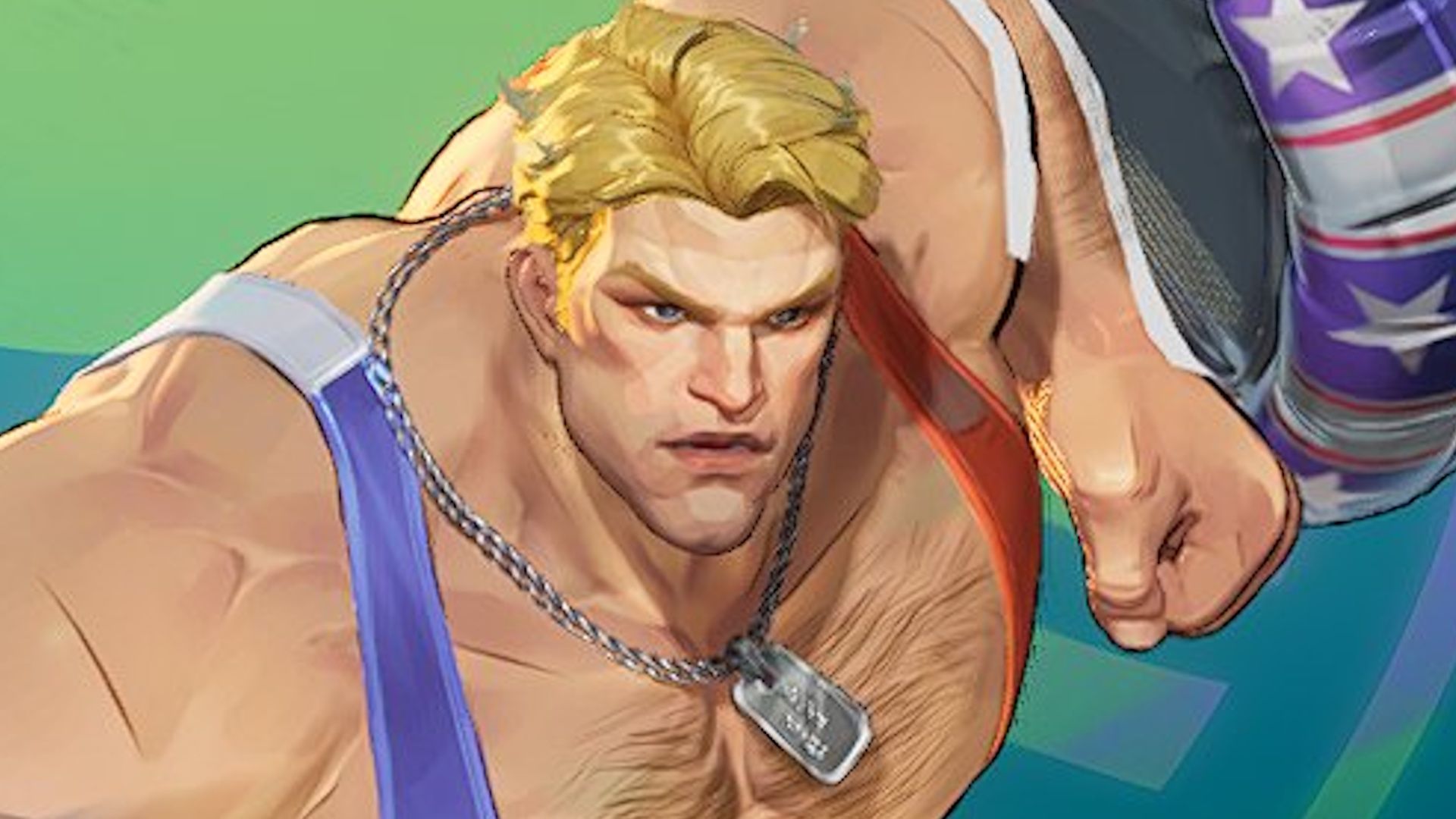
In the high-stakes world of live-service hero shooters, developers often focus on balance patches, frame rates, and map layouts. However, in the case of NetEase’s Marvel Rivals, the latest community discourse has veered into territory that is as unexpected as it is anatomically precise. Over the past week, the internet has been ablaze with discussions regarding a new summer-themed swimsuit skin for Captain America, which features proportions that have sparked a heated debate regarding "nerfs," rigging, and the limits of character design in modern superhero gaming.
The Genesis of the "Washington Monument"
The controversy began with the introduction of a seasonal summer skin for Steve Rogers. While superhero media has long embraced the "cheesecake" aesthetic—often focusing on the physical assets of female characters—this instance was a rare, deliberate pivot toward the male form. The skin, which sees the First Avenger in beachwear, features a pronounced bulge that quickly became the focal point of the Marvel Rivals community.
Players were quick to note that the design was not merely a static texture; the animation appeared to feature physics-based "jiggle" effects, a technical detail typically reserved for more stylized or adult-oriented titles. The internet, true to form, responded with a mixture of shock, amusement, and fervent analysis. The discourse was so widespread that it dominated social media platforms and gaming forums for days, highlighting a shift in how fans interact with the sexualization of iconic comic book characters.
A Chronology of the "Nerf" Allegations
Following the initial excitement, a new wave of speculation emerged: the theory that NetEase had silently "nerfed" the Captain’s physique. The catalyst for this theory was a Reddit post by user Used-Earth8767, titled "Captain America’s bulge has been nerfed. It no longer goes through the chair."
The post included side-by-side comparisons of the character model sitting in a chair, illustrating that the aforementioned "bulge" appeared less prominent than it had been at the skin’s launch. The user suggested that the collision detection or the model’s rigging had been adjusted, resulting in a more restrained silhouette. This sparked a flurry of debate across the Marvel Rivals subreddit, with some users expressing mock-outrage over the perceived reduction, while others argued that it was a necessary technical correction.
The sentiment among those unhappy with the change was best summarized by the original poster: "As a proud straight man, I can say that WE, yes, ALL us straight men, want Captain America’s bulge back and his ass in our face." This tongue-in-cheek demand for "restoration" underscored the humorous but intense investment fans have in the minute details of their digital avatars.
Technical Analysis: The Reality of Rigging
While the community was quick to cry "nerf," the reality of game development often paints a more complex picture. A significant breakthrough in the discourse arrived when user L9-45, a self-identified model-extractor, chimed in with a more technical perspective.
According to L9-45, an examination of the model files revealed no definitive changes to the base mesh or the rigging itself. "I extracted and pulled the model," the user explained. "There are no changes directly to the model or rigging from what I can see." Instead, they suggested that the perceived shrinkage was likely a result of an adjustment to the parent-child relationship between the mesh and the character’s pelvic bone.
In 3D animation, when a character sits, their clothes and anatomy are subject to complex deformation. If the weight-painting or parenting of a specific area is not calibrated correctly, the mesh can "stretch" or clip through objects—such as a chair. By "fixing" the bulge to parent more accurately to the pelvis, the developers likely eliminated the "janky" stretching that made the bulge appear larger or more physics-prone during certain animations. Thus, what fans perceived as a deliberate "nerf" was, in all probability, a standard quality-of-life patch intended to prevent the model from clipping through geometry.
Implications for Live-Service Character Design
The "Captain America Bulge" saga is more than just a viral moment; it serves as a case study in the evolving relationship between developers and the hyper-observant communities surrounding live-service games.
1. The Power of Micro-Observation
Modern gaming communities possess an unprecedented ability to analyze game assets. With data-mining and model-extraction tools becoming more accessible to the average user, developers can no longer hide subtle changes to character models. Every texture tweak, bone adjustment, and physics modification is scrutinized under a digital microscope.
2. Equalizing the "Gaze"
For decades, the "male gaze" has dominated superhero media, with female characters often receiving the brunt of hyper-sexualized costume design. The inclusion of this skin, and the subsequent, highly vocal reaction, suggests a shift in the gaming audience. The fact that the community treated the Captain America skin with the same rigorous scrutiny usually reserved for characters like Widowmaker or Black Cat demonstrates that the appetite for "fan service" is increasingly gender-agnostic.
3. The Transparency Gap
The silence from NetEase regarding this specific change highlights the "transparency gap." When developers make minor adjustments to character models—whether for technical, aesthetic, or policy-related reasons—without communicating them in patch notes, it leaves a vacuum filled by community speculation. In this instance, the speculation was humorous, but it highlights how even small adjustments can become lightning rods for community sentiment.
The "Canon" Dilemma
Perhaps the most absurd element of this debate is the question of "canonical accuracy." When fans argue over whether a character’s proportions are "correct," they are essentially negotiating the boundaries of a fictional identity.
As it stands, Marvel editorial has not weighed in on the "canon" size of Captain America’s anatomy. Without an official, sanctioned "Captain America Style Guide" that includes detailed measurements for swimsuit-based activities, developers are left to interpret the character’s design as they see fit. This leaves the door open for future iterations, skins, and, inevitably, more controversies as developers attempt to balance character fidelity with the desire to sell premium, high-engagement skins.
Conclusion: The Road Ahead
The "nerfing" of Captain America’s summer look serves as a reminder of how deeply invested players are in the visual integrity of their favorite heroes. While the debate over the "Washington Monument" may eventually fade, it has left an indelible mark on the Marvel Rivals community.
Whether the change was a deliberate attempt to dial back the character’s visual intensity or merely a technical fix to prevent clipping, the result remains the same: the internet is watching, the data is being mined, and every pixel is subject to the democratic scrutiny of the player base. For now, Steve Rogers remains one of the most discussed figures in the Marvel Rivals roster—not for his shield, his super-soldier serum, or his tactical leadership, but for a piece of character design that has proven, once again, that in the world of online gaming, everything is a matter of intense public interest.

