

For over a decade, David Gaider was the pen behind the world of Thedas. As a lead writer at BioWare, he didn’t just draft quests; he built the cultural, political, and theological foundations of the Dragon Age franchise. Today, however, Gaider finds himself on the other side of the industry’s shifting landscape—navigating the precarious waters of independent development while observing the evolution of the genre he helped define.
In a candid reflection on the current state of game development, Gaider discussed his upcoming heist-themed RPG, the stifling reality of modern publishing, and why he believes the genre’s "Golden Age" philosophy of character agency is under threat.
A Legacy of Dark Fantasy
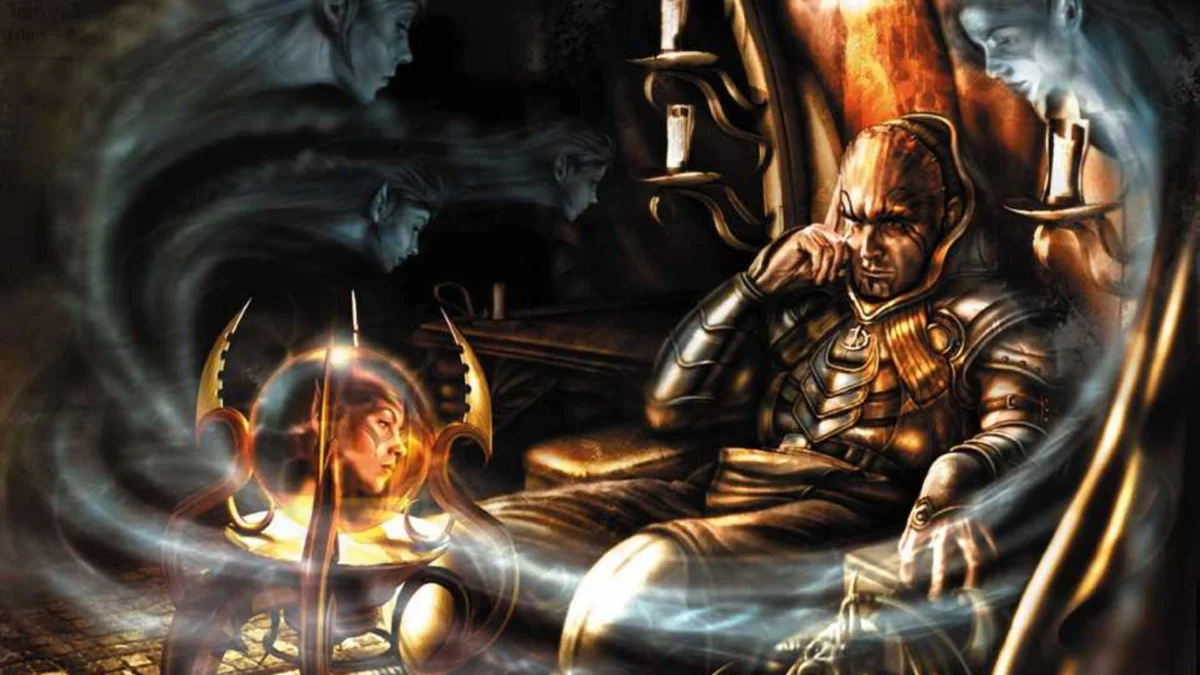
Before his tenure at BioWare, Gaider cut his teeth on some of the most influential titles in PC gaming history. His resume reads like a syllabus for the classic CRPG: he contributed half a million words to Baldur’s Gate 2 and took the helm for the celebrated Neverwinter Nights expansion, Hordes of the Underdark.
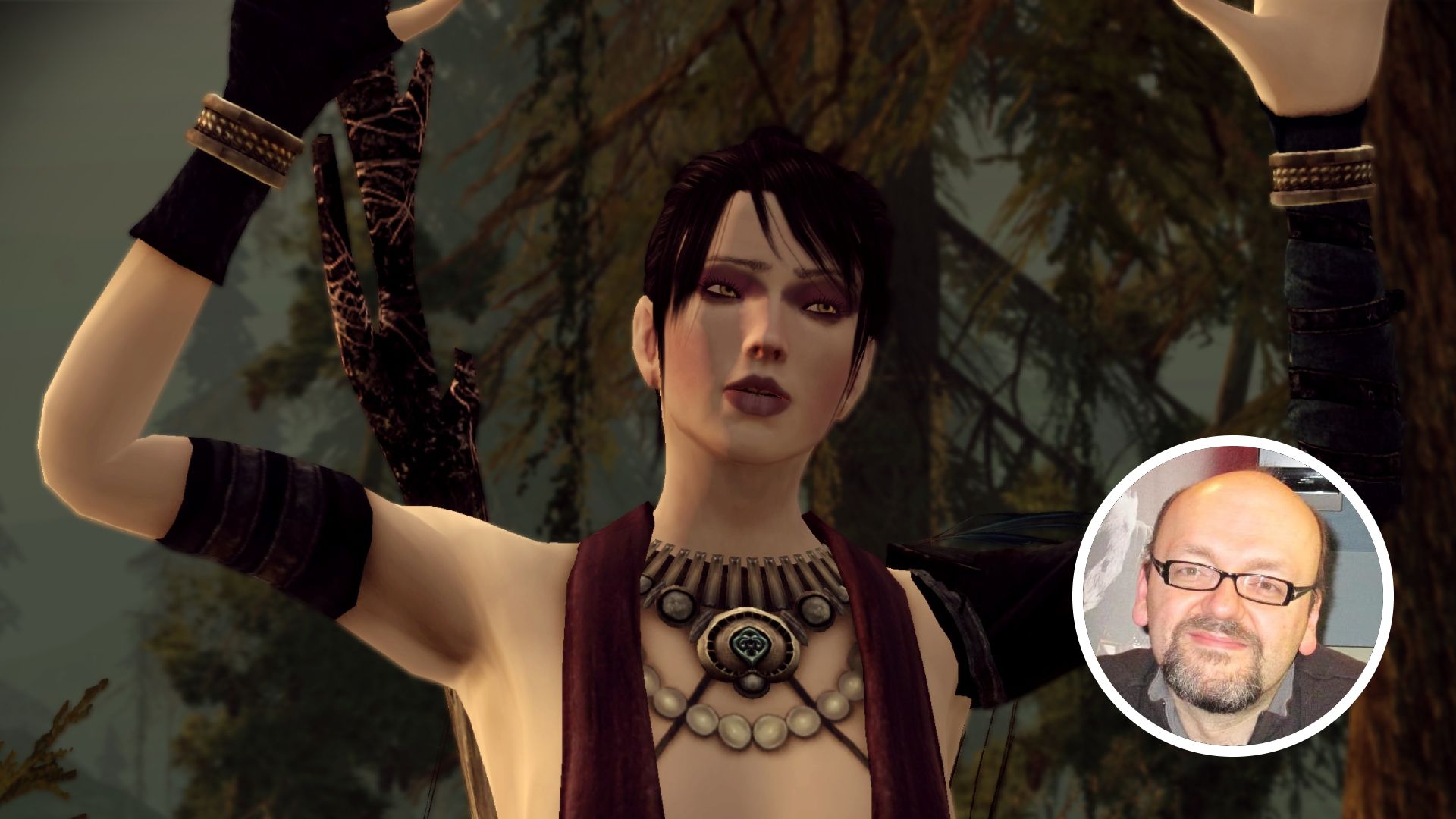
When he moved to Dragon Age, he brought a signature brand of "dark, sword-and-sorcery" writing that prioritized complex moral dilemmas over simple heroic tropes. "I wanted to do something that was not full-on comedy, but something that could make me smile," Gaider says of his current project. "It seems like at this point in the world, we could use something like that. I know I could."
His new studio, Summerfall Studios, is currently pitching an airship-based heist RPG. It is a pivot toward a more lighthearted tone, yet it retains the narrative depth that made his earlier work a touchstone for the industry.
The Industry Contraction: A Crisis of Funding
Despite the critical acclaim surrounding his previous work with Stray Gods—a musical RPG that blended Telltale-style narrative branching with adaptive song mechanics—Gaider faces the cold reality of a volatile market. The gaming industry, he notes, has been in a "weird contraction" for nearly three years.
"The most obvious effect of that is all the layoffs, but that’s just really a symptom of all the studios clenching at once," Gaider explains. "On the funding side, nobody wants to actually commit to a project unless they think it’s a sure thing, and that boils down to existing IPs, sequels, that sort of thing. New projects, almost nothing’s getting funded."
This risk-averse environment has forced developers like Gaider into a "vertical slice" trap. Publishers are increasingly demanding that smaller studios present games that are nearly 80% complete before committing to funding. For a studio the size of Summerfall, this is a significant hurdle. "With one publisher, we said to them, ‘Are you really waiting for us to finish the project before you commit to it?’ And they embarrassedly were like, ‘Well, in so many words, I guess, yeah.’"
The Shadow of Baldur’s Gate 3
The commercial challenges faced by Summerfall are underscored by the massive, unpredictable success of Larian Studios’ Baldur’s Gate 3. Gaider points out an irony in the release window of his own studio’s breakout title.
Larian, uncertain of how Baldur’s Gate 3 would perform against the massive hype surrounding Bethesda’s Starfield, moved their release date forward—landing directly on top of Stray Gods. "I was kind of raw about that," Gaider admits. "Would Stray Gods have been a hit if that hadn’t happened? I don’t know, but it certainly meant that we had a real hard time getting noticed."
Following that, the team produced a smaller narrative deckbuilder, Malys, intended to keep the lights on and the team active. "We really didn’t expect Malys to make any money, actually. It was a little side project… If Malys had sold better, maybe we could have had a bit of a longer runway." Finding funding for the upcoming heist RPG is now, by Gaider’s own admission, a "make it or break it" moment for the studio.
Reflections on BioWare and ‘The Veilguard’
While Summerfall fights for survival, the franchise Gaider helped birth continues at BioWare. Dragon Age: The Veilguard was released in 2024, but Gaider has notably chosen not to play it. His hesitation isn’t born of malice, but of an intimate understanding of the internal pressures the development team faced.
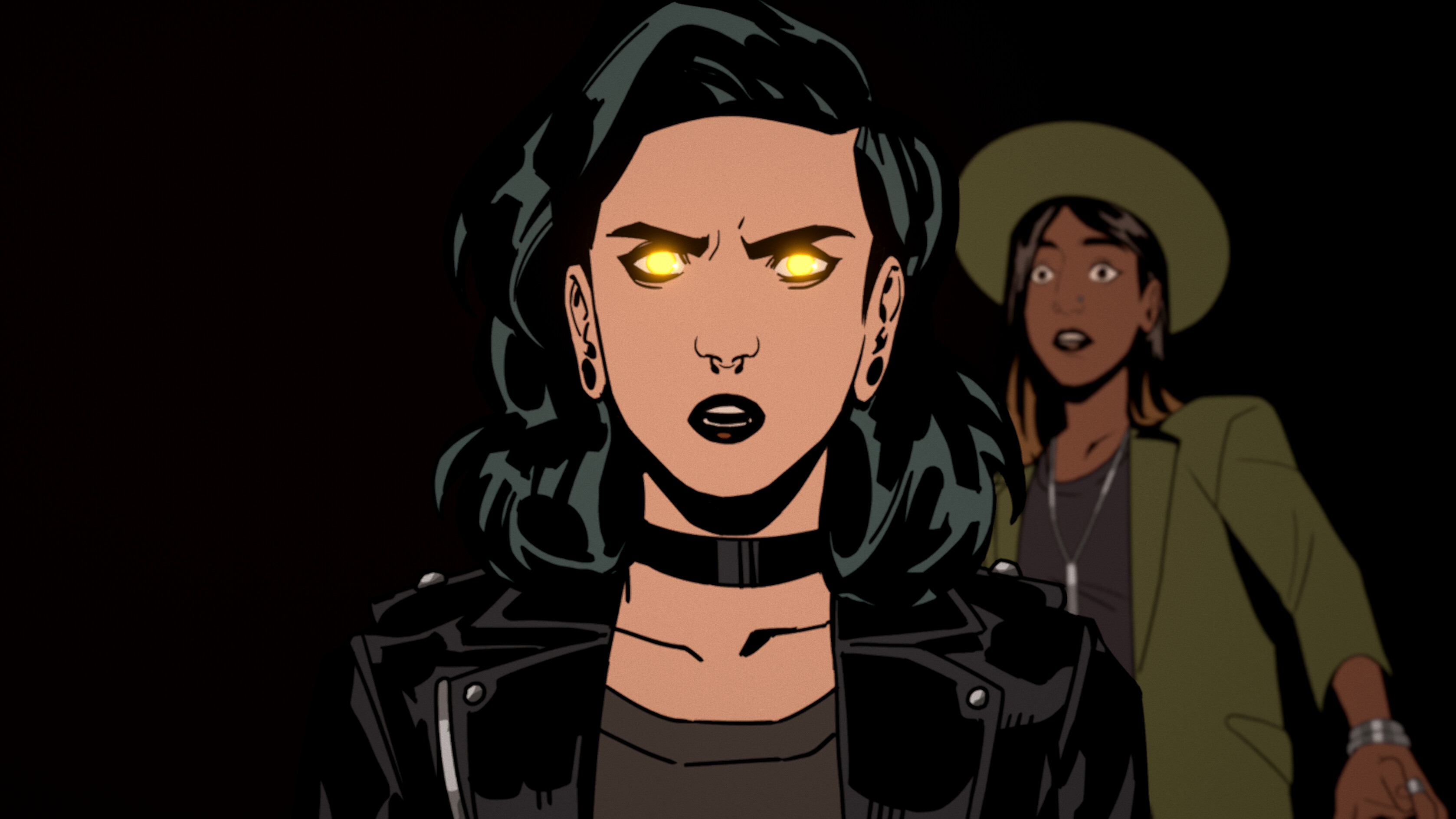
"I know too much about what went on behind the scenes," Gaider says. "The ordeal that the team that remained went through to make it. And I know that they were handicapped from the get-go. Electronic Arts really did a number on them in terms of setting them up to fail, honestly."
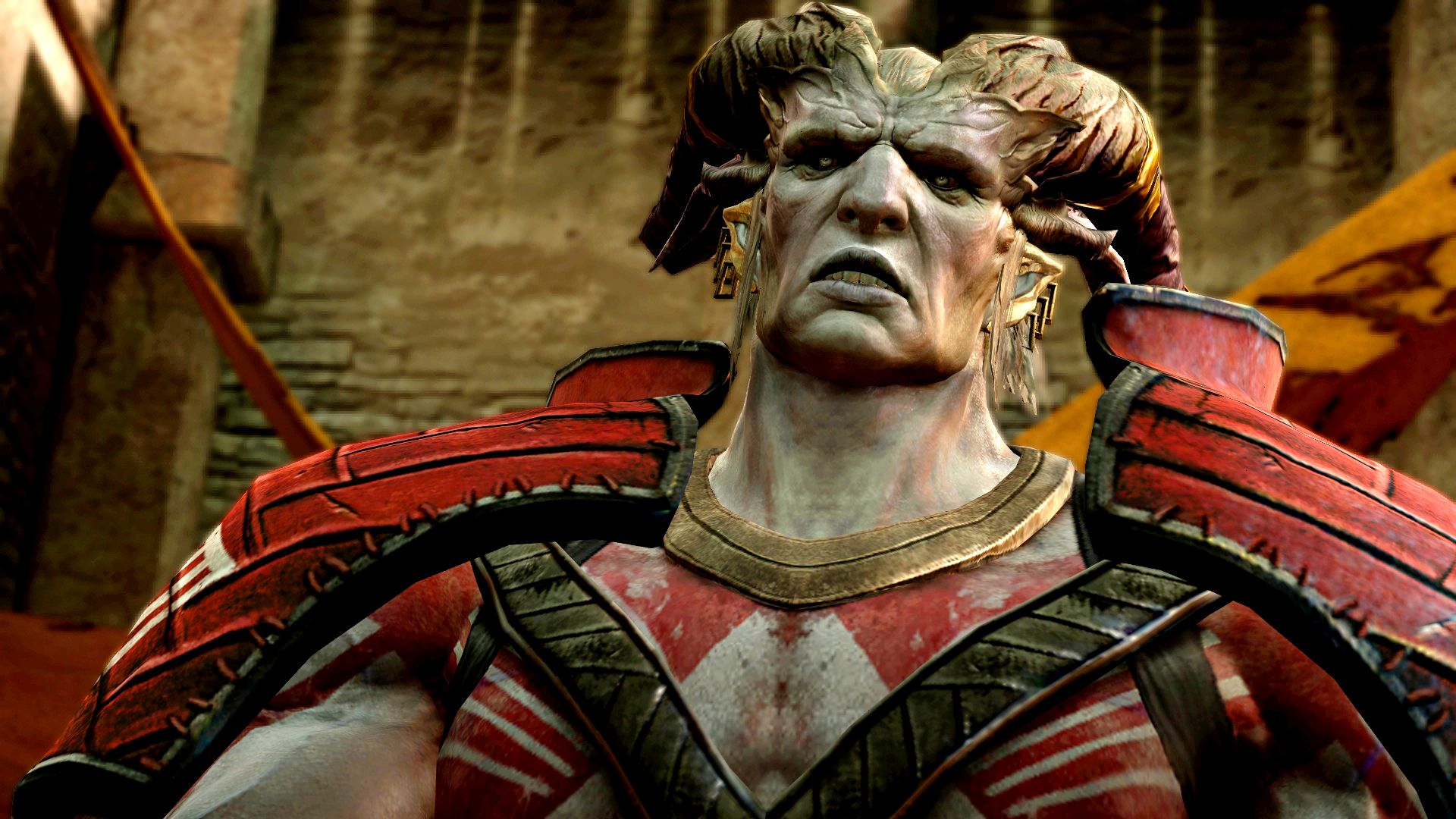
The core criticism of The Veilguard—that it lacks the "friction" of past Dragon Age games—is a point Gaider feels strongly about. In the earlier titles, companions were not just passive observers; they were characters with the capacity to betray the player, leave the party, or become so disillusioned that they would actively oppose the player’s goals.
The Loss of Agency: Why Characters Must Be Unhappy
Gaider argues that the modern trend of catering to player comfort is detrimental to the genre. "They need the ability to be unhappy with your decisions, and possibly even turn on you," he insists. "If you don’t follow it to its natural conclusion, it’s like playing a D&D game where you know that the DM will never kill your character."
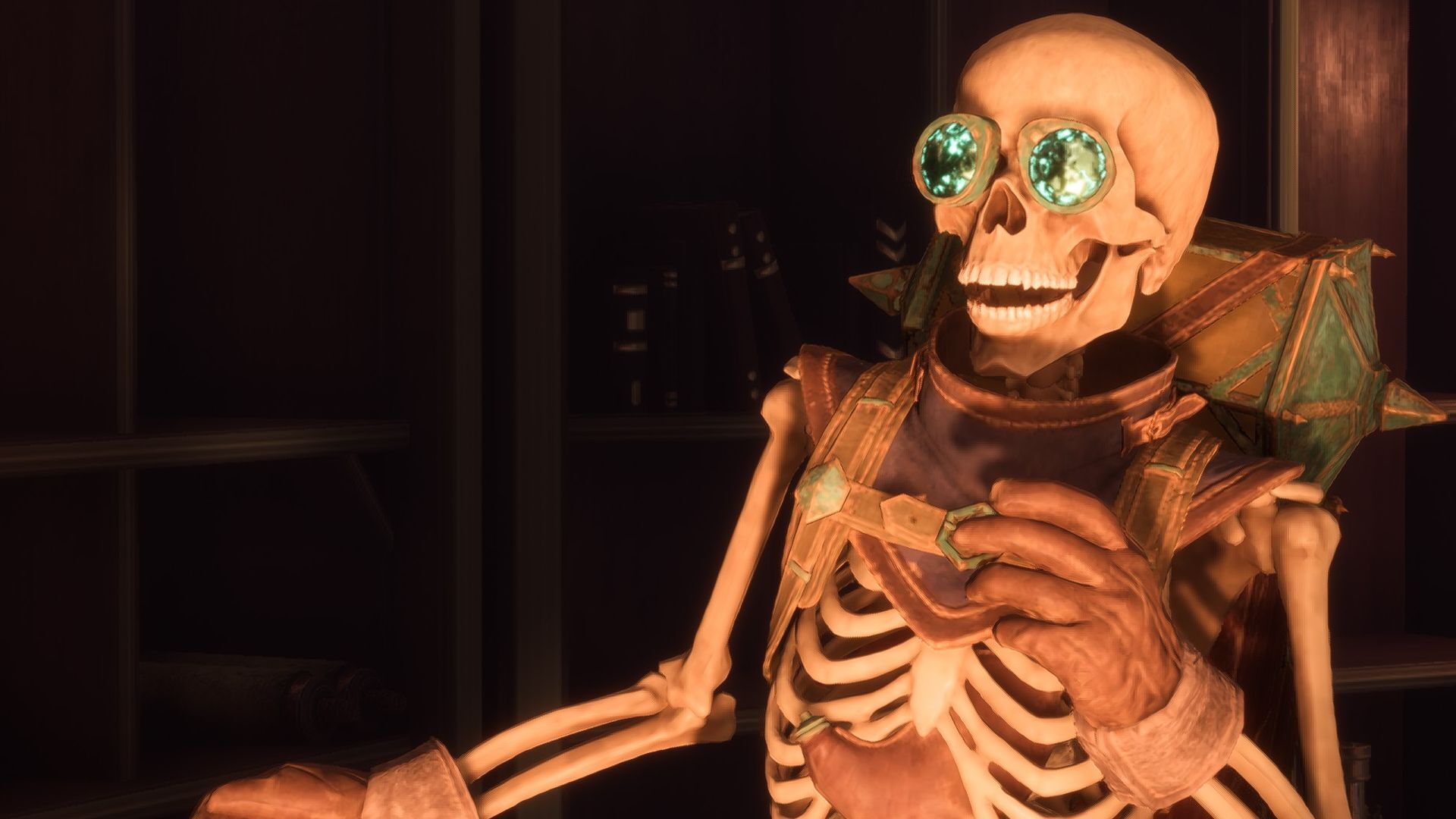
He identifies a shift in philosophy that occurred during his own time at BioWare—a growing fear of allowing the player to "accidentally screw themselves." While this was intended to make the games more accessible to a broader audience, Gaider believes it diluted the very thing that made the characters memorable: their autonomy.
"This idea that we can’t permanently take someone out of a group, that followers have to be agreeable for purely gameplay reasons, runs contrary to the thing that made BioWare games most popular," he says. "Why not just lean into what you do best, rather than trying to lean away from it in order to make other things more broadly acceptable? If you’re not making a game for the audience that loves those games, you’re trying to make this game acceptable to some action gamer who… doesn’t like difficulty? Who is that?"
The Future: A Possible Return?
If Summerfall Studios cannot secure the necessary funding, Gaider remains philosophical. He admits that after nearly a decade of the immense stress associated with running a studio, the idea of stepping back into a contributor role for a project he is passionate about—such as Owlcat’s The Expanse—is appealing.
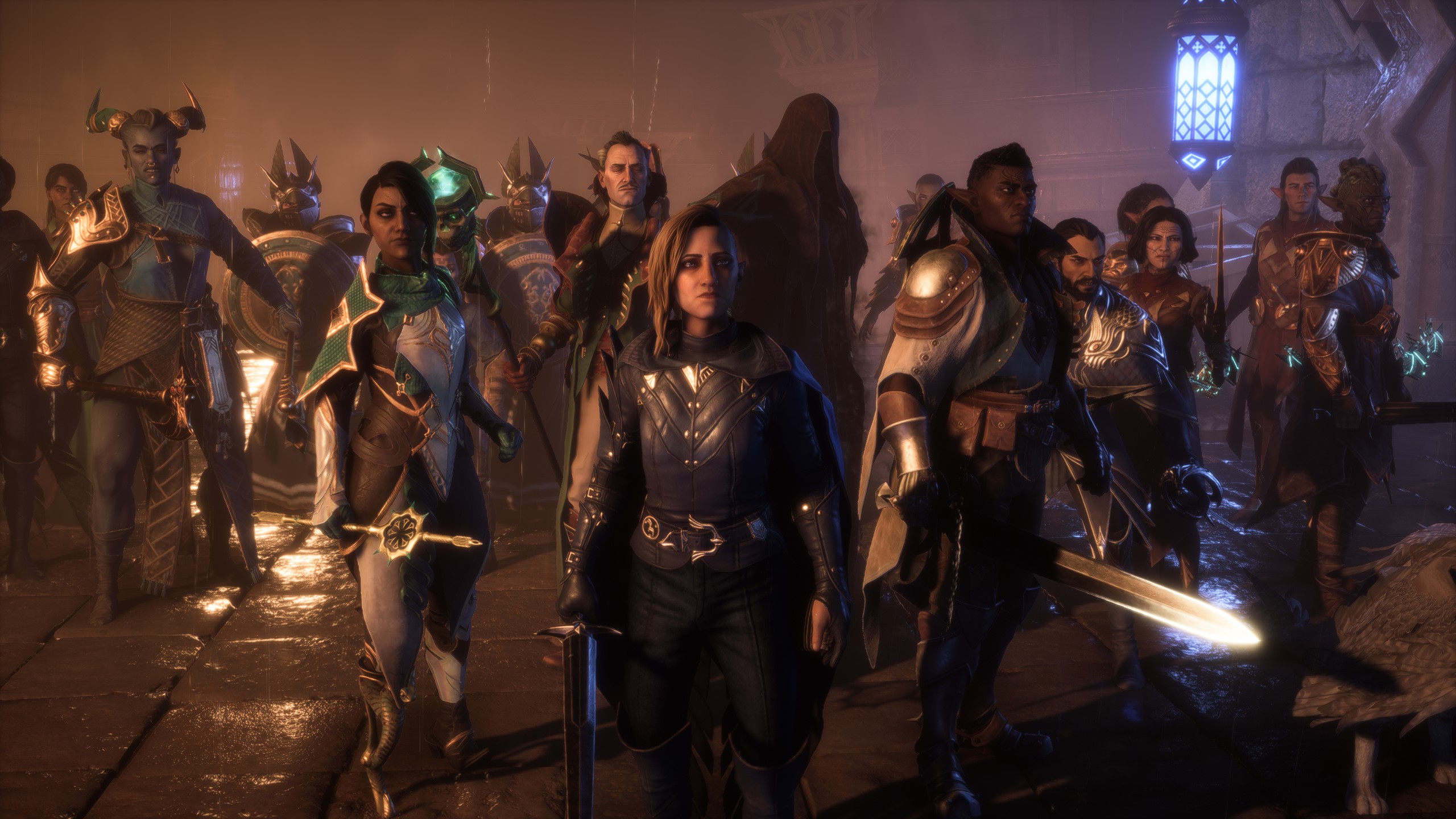
However, the prospect of returning to Thedas is a different matter. While he previously would have rejected the notion, the recent news regarding Richard Garriott potentially reclaiming the rights to Ultima has sparked a flicker of "what if" in Gaider’s mind.
"If, out of some weird alignment of the stars, somebody handed the Dragon Age franchise back to me and said, ‘Breathe the life back into this baby’?" Gaider muses. "That’d be a tough one, but I think that’d be an interesting thing to do. To go back to the basics of what made Dragon Age appeal to so many people in the first place. And go somewhere dark and dangerous, and do things that will make people upset. I think that’s what I would want to do with it."
For now, the architect of Thedas remains in the trenches, fighting to build something new, hoping to prove that there is still a market for games where characters have their own lives, their own morals, and the absolute freedom to say "no" to the player.

