

The gaming industry finds itself in a state of perpetual anxiety, with Microsoft’s Xbox division at the epicenter of a turbulent shift in corporate strategy. Despite record-breaking global revenues and a gaming market that continues to expand, the tech giant has embarked on a series of aggressive restructuring efforts. These moves, characterized by sudden studio closures and sweeping layoffs, have left a trail of shuttered projects and disillusioned developers in their wake. As Microsoft pivots toward an AI-centric future, the human cost of its corporate "efficiency" has ignited a firestorm of criticism from industry workers, labor unions, and players alike.
A Pattern of Volatility: The Recent History of Xbox Layoffs
The narrative of growth has been starkly contrasted by the reality of the workforce experience at Microsoft. The company’s recent trajectory is defined by a pattern of "scattershot" decision-making, where highly touted titles and critically acclaimed studios are liquidated with little warning.
The closure of Tango Gameworks—the developer behind the widely celebrated Hi-Fi Rush—stands as a defining example of this disconnect. Despite the game being hailed as a commercial and critical success, the studio was shuttered, leaving the industry to question the metrics by which Microsoft measures value. This was not an isolated incident. The cancellation of "Project Blackbird," an ambitious MMO that reportedly held the favor of Xbox head Phil Spencer, further underscored a culture where even internal support cannot shield a team from sudden cancellation.
These events are not merely administrative adjustments; they represent a loss of years of institutional knowledge and the evaporation of "future-proof" projects that had the potential to define the Xbox brand for the next decade.
Voices from the Frontline: The CWA Speaks Out
In response to the mounting instability, members of the Communications Workers of America (CWA)—who represent workers across Microsoft’s gaming divisions—have broken their silence. Through recent press briefings, these employees have articulated a growing chasm between Microsoft’s public-facing PR messaging and the lived reality of its staff.
Morgan Goin, a senior encounter designer at ZeniMax Online and a veteran of the industry who personally experienced the shock closure of Arkane Austin, provided a sobering perspective. "There is a clear gap between what we need, how Microsoft talks about us publicly, and how we’re being treated across all of their studios," Goin stated.
For Goin and her colleagues, the issue is one of trust and professional security. As a union representative, she argues that the current environment makes it impossible for employees to perform their roles effectively. "We’re being treated as expendable, valued one week and cut the next," she added. "Why would a game developer bother to put forward their best work under these conditions? Hard work and great games do not save you from layoffs under Microsoft."
Institutional Erosion: The Human Cost of Quarterly Focus
The frustration is echoed by Allison Veneto, a senior editor for franchise development at Blizzard. Having navigated the aftermath of the massive 1,900-person layoff wave that hit Activision Blizzard and Xbox, Veneto emphasizes that these personnel cuts are not just "numbers on a spreadsheet."
"Every time these layoffs happen, we lose incredible talent and years of institutional knowledge," Veneto remarked. The plea from the workforce is simple: they want layoffs to be treated as an absolute last resort, rather than a convenient "quick fix" for quarterly balance sheets.
This sentiment is amplified by Mahreen Fatima, a senior environment artist at Blizzard, who highlights the diminishing distinction between contract and full-time roles in the current climate. According to Fatima, the sense of precarity is universal. "In this climate of layoffs, it feels like there’s really no difference between being contract and being full-time; we’re all just as equally dispensable in the eyes of the company."
Financial Paradox: Billions for AI, Pennies for People
The most striking criticism leveled at Microsoft leadership concerns the company’s financial priorities. While executives point to revenue margins to justify headcount reductions, the company has simultaneously engaged in record-breaking spending in other sectors, most notably artificial intelligence.
In 2025, Microsoft announced plans to invest an staggering $80 billion into AI infrastructure. When contrasted with the relatively modest costs required to sustain a game development studio, the optics are damaging. For instance, the average salary for a professional in the U.S. gaming industry hovers around $142,000. An $80 billion investment could, in theory, sustain a massive studio of 200 developers for over 3,500 years.
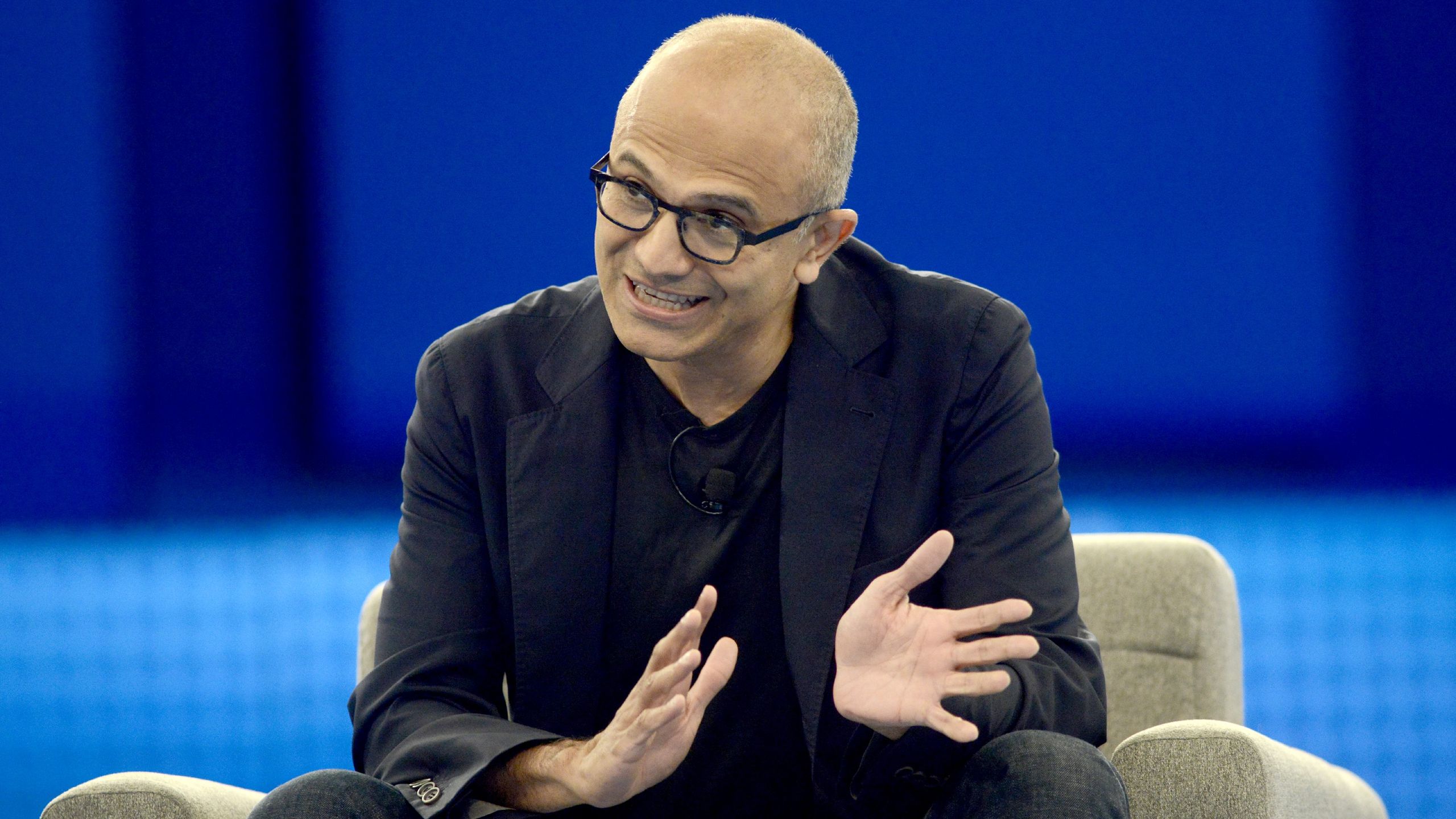
Furthermore, the compensation of leadership remains a point of intense scrutiny. Microsoft CEO Satya Nadella saw his pay jump by 22% between 2024 and 2025, reaching nearly $100 million. This occurs against a backdrop where the company generated $27.2 billion in just three months, yet still chose to move forward with significant workforce reductions. When the company simultaneously raises console prices for consumers—as it did for the third time since 2025—the narrative of "necessary austerity" becomes increasingly difficult to justify.
The Broader Implications for the Gaming Industry
The implications of these actions extend far beyond the walls of Microsoft. As one of the largest players in the industry, Microsoft’s business practices set a precedent for other publishers and platform holders.
1. The Death of Creative Risk
When developers see that high-quality, successful work does not guarantee survival, the incentive to take creative risks vanishes. This leads to a safer, more homogenized industry where studios are pressured to churn out "safe" live-service titles rather than innovative, groundbreaking experiences.
2. The Erosion of Talent
The constant threat of layoffs is causing a "brain drain." Highly skilled developers, artists, and writers are increasingly looking toward industries outside of gaming—or moving to smaller, independent studios—to escape the volatility of the AAA space. This exodus threatens the long-term health of the entire gaming ecosystem.
3. The Future of Labor Relations
The rise of unionization, led by groups like the CWA, suggests that the relationship between labor and management is at a breaking point. As workers organize to protect their livelihoods, Microsoft’s "layoff-first" approach may face increasing legal and public relations hurdles. The company’s refusal to engage in meaningful dialogue with these groups only serves to deepen the divide.
Conclusion: A Call for Accountability
Microsoft stands at a crossroads. While the company is clearly betting its future on the efficiency and scale of AI, it risks losing the very human capital that built its gaming empire. The frustration expressed by employees at ZeniMax and Blizzard is not merely a complaint about job security—it is a cry for a sustainable business model that recognizes the value of the individuals behind the screens.
As the industry continues to generate hundreds of billions of dollars in revenue, the argument that layoffs are a "necessary evil" holds less weight than ever. Unless Microsoft shifts its focus from short-term financial maneuvering to the long-term cultivation of its talent and creative output, it risks not only the quality of its games but the loyalty of its workforce and its players. The era of viewing developers as "dispensable" is yielding a culture of exhaustion and cynicism; whether the leadership chooses to course-correct will be the true test of its commitment to the gaming industry’s future.

