

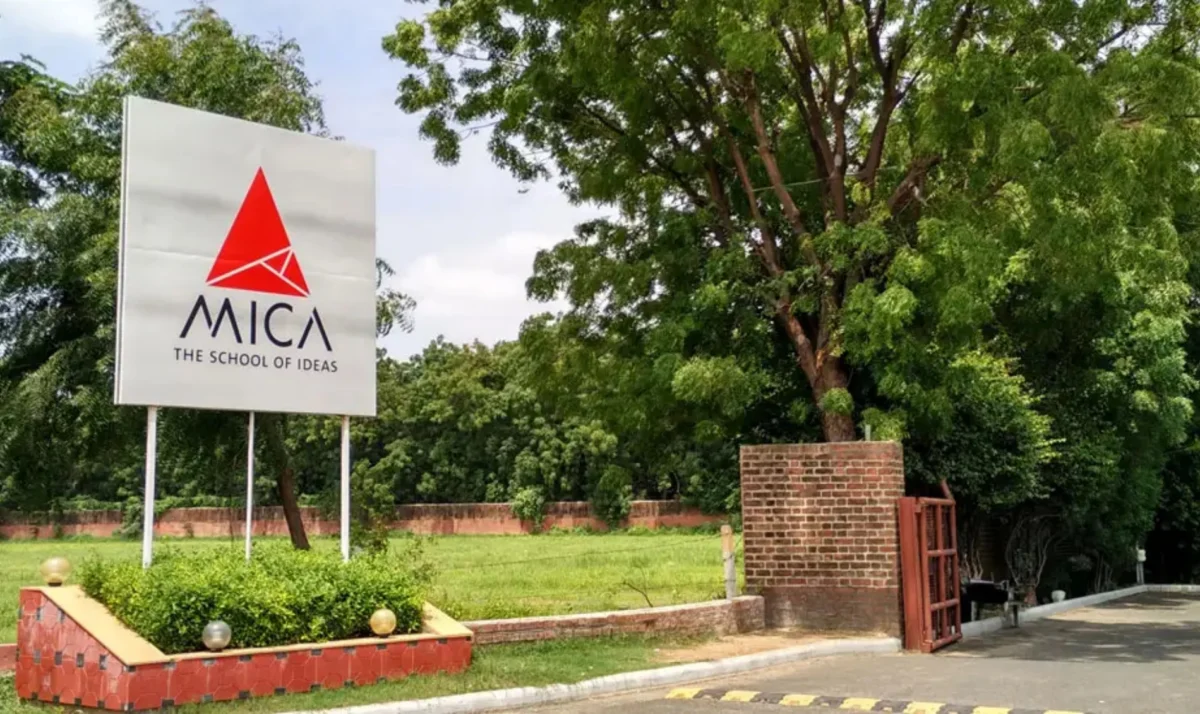
In the rapidly shifting landscape of global digital media, the title of “content creator” is undergoing a radical transformation. Once dismissed as a casual pursuit for tech-savvy hobbyists, the creator economy has matured into a multi-billion-dollar industrial engine. Recognizing this seismic shift, MICA (Mudra Institute of Communications, Ahmedabad)—a premier institution in India—has officially launched a specialized Content and Creator Economy (CCE) course.
This initiative represents a landmark moment for India, positioning the academic sector as a formal pipeline for the next generation of digital entrepreneurs. As the nation solidifies its standing as a global powerhouse of digital consumption and production, MICA’s curriculum serves as a blueprint for how institutions can bridge the gap between creative passion and commercial viability.
The Genesis of the CCE Program: A New Academic Frontier
The CCE program at MICA, situated in the heart of Gujarat, represents a response to a clear market signal: the professionalization of influence. The inaugural cohort consists of 22 hand-picked students—a diverse group of storytellers, choreographers, and management strategists—all eager to transition from sporadic posting to sustainable business operations.
Professor Falguni Vasavada-Oza, who is chairing the program, frames the initiative not merely as a response to a trend, but as an acknowledgment of a new economic reality. “There has been a boom in the content creation economy—it is not only a buzzword due to scores of high-profile podcasts or web-only shows headlined by some of the biggest names today, but also a serious business,” Vasavada-Oza noted. “Anybody with a camera, an internet connection, and an interesting story can take on the web today, but succeeding at scale requires a strategic framework.”
The course is meticulously structured around four primary pillars or “roles” that define the modern creator ecosystem:
- Content Creation: Technical and narrative mastery for digital-first formats.
- Influencer Marketing: Understanding the psychology of persuasion and brand partnerships.
- Talent Management: Navigating the legal, representative, and logistical aspects of being a public figure.
- Social Media Marketing: Data-driven audience growth and platform-specific algorithmic strategy.
Chronology: The Rise of India’s Creator Powerhouse
To understand why MICA is launching this course now, one must look at the meteoric rise of India’s digital ecosystem over the last half-decade.
- 2020–2022: The "Digital Inflection Point." Due to pandemic-driven lockdowns and the mass availability of low-cost mobile data, India saw a surge in user-generated content. Small towns and rural villages, colloquially known as "Bharat," emerged as unexpected production hubs, where local creators began finding massive, niche audiences on YouTube and Instagram.
- 2023–2024: The Institutional Pivot. Following the lead of American universities like Syracuse and East Carolina—which pioneered creator-centric curricula—Indian media schools began evaluating the necessity of formalizing "creator" as a vocational track.
- 2025: The Policy Recognition. The Indian government acknowledged the sector’s potential, with Prime Minister Narendra Modi pledging significant capital to the creator economy, recognizing it as a key pillar for the country’s GDP growth.
- 2026 (Present): The Formalization. MICA launches the CCE course, marking the first time a major Indian institution has created a structured, degree-adjacent framework for digital creators.
Supporting Data: The Scale of the "Orange Economy"
The necessity of this program is backed by overwhelming empirical data regarding how Indians consume media. According to a recent study by Hansa Research, the creator economy is no longer a fringe market—it is the mainstream.
- YouTube Dominance: 93% of Indian consumers access YouTube, with the average user spending 61 minutes daily on the platform.
- Instagram Engagement: Instagram serves as the primary secondary platform, reaching 71% of the population and generating 58 minutes of daily engagement.
- The Global Footprint: In recent global rankings, India has frequently occupied half of the top 50 most-viewed YouTube channels, proving that Indian creators are not just catering to domestic audiences but are shaping global culture.
- Economic Forecast: Experts estimate that the "Orange Economy"—comprising the creative and digital industries—is on track to employ over two million professionals in India by 2030.
This data paints a picture of a nation where digital screens have become the primary venue for commerce, entertainment, and identity. For brands, the challenge is no longer if they should work with creators, but how to manage the complexity of thousands of individual, highly specialized digital entrepreneurs.
Official Responses and Strategic Implications
The launch of the MICA program has garnered attention from both government and corporate stakeholders. The consensus among analysts is that for India to reach its goal of a trillion-dollar digital economy, the talent pool must evolve.
The Government View
Prime Minister Narendra Modi’s $1 billion pledge to the creator economy signaled to the private sector that digital media is a priority for national development. By incentivizing the creation of local content, the government aims to reduce dependence on foreign media imports and promote domestic cultural exports.
The Platform Perspective
YouTube India executives have recently indicated a pivot toward "Connected TV" (CTV) as the next frontier. By moving creator content from the mobile screen to the living room television, they aim to legitimize creator content as "prime-time" viewing, further elevating the stature of professional creators.
The Educational Mandate
Professor Vasavada-Oza’s vision is that MICA will act as a "laboratory for the future." By training students to be both creators and managers, the school is ensuring that the industry is not just flooded with content, but with professionally managed content that adheres to high production and ethical standards.
The Future: A Blueprint for Global Competitiveness
The implications of MICA’s CCE program extend far beyond the classroom walls in Ahmedabad. If successful, this program will create a new class of digital executives—individuals who understand the technical craft of a viral video just as well as the nuances of contract law and brand equity.
As other institutions follow suit, we can expect a homogenization of quality across the digital landscape. However, the true strength of this program lies in its focus on the "creator as a business." In the past, creators were often left to fend for themselves, navigating the complexities of monetization, copyright, and platform algorithms with little to no guidance.
By providing a structured education, MICA is essentially professionalizing the industry from the ground up. This shift will likely lead to:
- Better Brand-Creator Synergy: More professional creators will lead to more effective, long-term brand partnerships rather than one-off, transactional posts.
- Increased Stability: With formal training, creators are more likely to diversify their income streams, ensuring long-term financial viability.
- Cultural Export: As Indian creators become more adept at cross-cultural storytelling, the global influence of the Indian creator economy will likely expand, positioning India as a primary exporter of digital culture.
Final Thoughts
The launch of the Content and Creator Economy course at MICA is a watershed moment for the digital era. It signals that the "Wild West" days of the internet are coming to an end, replaced by a more mature, strategic, and professionalized environment. For the 22 students currently enrolled, the journey is just beginning. But for the broader Indian economy, the message is clear: the future of media is digital, it is decentralized, and it is being built by creators who are now armed with the tools of academia to conquer the world stage.
As we look toward the remainder of the decade, it is highly probable that other prestigious schools will emulate MICA’s model. The race to define the next generation of professional media is on, and India, with its massive, engaged, and digitally native population, is positioned to lead the pack.

