

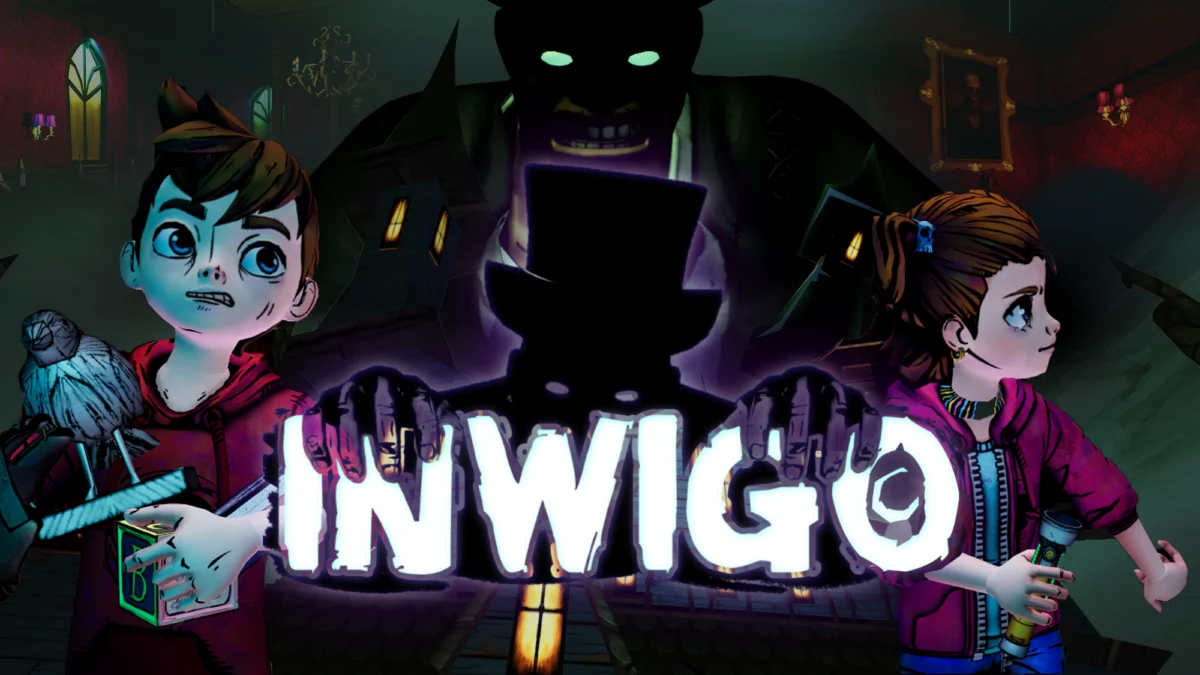
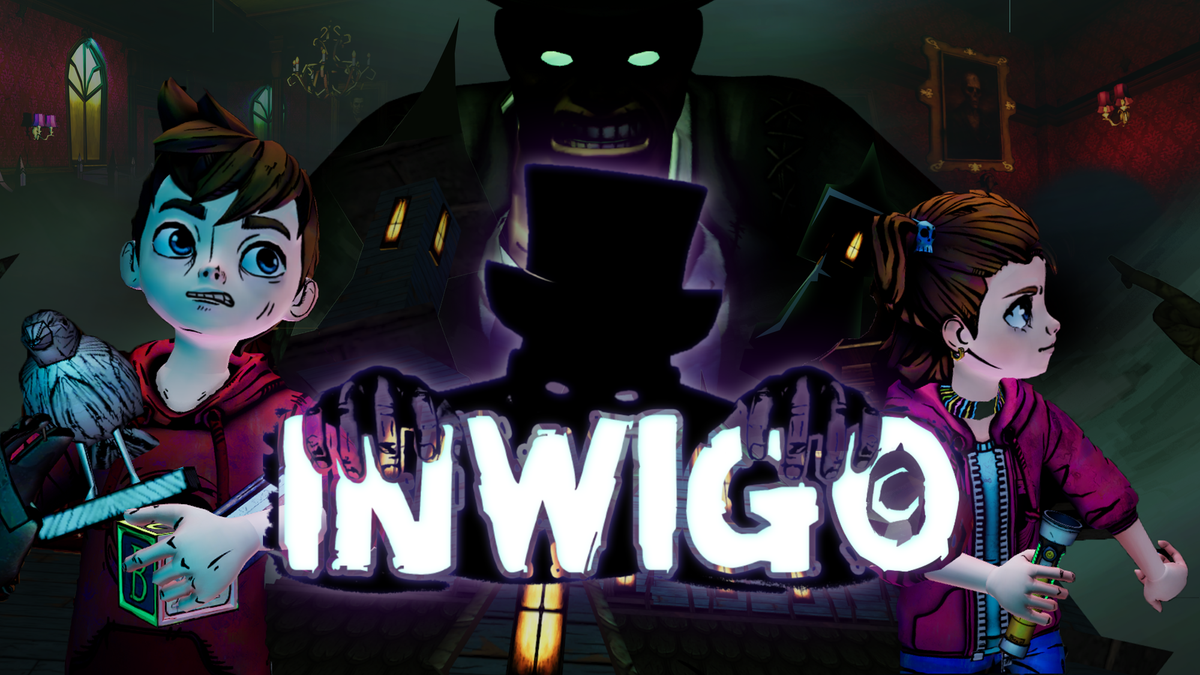
The landscape of virtual reality horror has just become significantly more tense with the official launch of Inwigo. Revealed during the highly anticipated VR Games Showcase, Inwigo has transitioned from its successful series of open beta playtests into a fully fledged free-to-play extraction horror experience. Available now on the Meta Quest platform, the title promises to blend the high-stakes adrenaline of the extraction genre with the immersive, claustrophobic atmosphere of supernatural horror.
Main Facts: The Core of the Inwigo Experience
At its heart, Inwigo is a cooperative multiplayer experience that forces players into the role of paranormal investigators or treasure hunters—depending on how one views their illicit activities—within the decaying walls of haunted mansions. Unlike traditional horror games that rely on scripted jump scares, Inwigo leans heavily into the "extraction" subgenre mechanics, where the primary goal is not just to survive, but to secure valuable loot and successfully escape before being overwhelmed by the environment or its inhabitants.
Key features of the game include:
- Adaptive AI: The monsters haunting each mansion are not static threats. They are designed to adapt to player behavior, making every run unpredictable.
- Procedural Design: To ensure high replayability, the game features a shuffling mechanic that randomizes the location of treasures, secrets, and environmental hazards every time a player enters a new mansion.
- High-Stakes Extraction: Following the "rogue-lite" philosophy of extraction games, Inwigo enforces a strict penalty for failure. If a player dies before reaching the extraction point, all accumulated loot is lost.
- Narrative Agency: The game prides itself on being an "interactive ghost story." Player choices and the quality of their teamwork directly influence how the narrative unfolds within each mansion.
A Chronology of Development: From Concept to Release
The path to Inwigo’s release has been characterized by a transparent development cycle, heavily reliant on community feedback.
The Playtest Era
Prior to its official launch, the developers behind Inwigo took a measured approach to refinement. By conducting multiple open playtests, the team allowed the VR community to stress-test the game’s core mechanics—specifically the tension between looting and surviving. These playtests were instrumental in identifying balancing issues, such as the difficulty curve of the adaptive monsters and the pacing of the extraction process.
The VR Games Showcase Reveal
The culmination of this testing phase occurred during the recent VR Games Showcase. The announcement not only provided a definitive release date but also debuted a high-octane trailer showcasing the game’s atmospheric lighting, sound design, and the palpable dread of being trapped in a dark, shifting hallway with a supernatural entity in pursuit.
Immediate Availability
Following the showcase, Inwigo was immediately pushed to the Meta Quest store, signaling the developers’ confidence in the game’s stability and readiness for a wider audience. This "shadow drop" strategy is increasingly popular in the VR space, allowing developers to build momentum through player word-of-mouth immediately after a big reveal.
Supporting Data: Why Extraction Horror Works in VR
The extraction genre—popularized by titles like Escape from Tarkov and Hunt: Showdown—has found a natural home in virtual reality. The reasons for this are rooted in both psychological and mechanical advantages.
Immersion and "Presence"
In traditional gaming, the tension of an extraction shooter is filtered through a screen. In VR, the sense of "presence" means that when a player hears a floorboard creak behind them in Inwigo, their physiological response is significantly more acute. The VR medium removes the barrier between the player and the threat, making the loss of equipment upon death feel like a genuine, visceral failure.
The Mechanics of "High Stakes"
The data from successful VR multiplayer games suggests that players crave high-risk, high-reward loops. Inwigo capitalizes on this by creating a "greed vs. safety" dynamic. Players are constantly forced to ask: Do I keep the loot I have and extract now, or do I push further into the darkness to find something more valuable? This decision-making process is the engine that drives player retention.
Accessibility via Free-to-Play
By opting for a free-to-play model, Inwigo lowers the barrier to entry significantly. In a market where VR hardware costs are already a significant hurdle, removing the software price tag allows for a larger player base, which is crucial for a multiplayer-focused game that relies on matchmaking and cooperative play.
Official Responses and Developer Intent
While official statements from the development team have been sparse, the design philosophy of Inwigo speaks volumes. The focus on "collaborative narrative" suggests that the team is interested in more than just a shooter; they are interested in creating a social experience.
In various community forums, the developers have emphasized that they wanted to move away from "linear horror." They noted that in many horror games, the second or third playthrough is often boring because the player knows exactly where the scares are. By using procedural generation for secrets and treasures, the developers are aiming to make the 100th playthrough just as terrifying as the first.
When asked about the future of the game, the team noted that they are closely monitoring player metrics. The "adaptive monsters" are reportedly receiving constant tweaks based on how effectively players are managing to outsmart them. The developer’s commitment to this level of live-service tuning is a promising sign for the game’s longevity.
Implications for the VR Industry
The release of Inwigo carries several implications for the future of the VR ecosystem.
The Rise of Multi-Platform Hybridity
While the game is currently exclusive to Meta Quest, the announcement of a planned Steam release indicates a desire for cross-platform expansion. However, the industry is watching closely to see if the Steam version will maintain the free-to-play model. If it does, Inwigo could become a flagship example of how to bridge the gap between standalone mobile-VR (Quest) and high-fidelity PC-VR (Steam).
The Evolution of Social VR Horror
Until recently, VR horror was largely a solo experience. Inwigo is part of a growing movement of social horror, where the presence of a friend serves as both a comfort and a liability. If one player is taken by a ghost, the other must decide whether to attempt a rescue—risking their own loot—or abandon the mission to save their progress. This creates complex social dynamics that are unique to the VR medium.
Sustainability of F2P in VR
The success of Inwigo will serve as a bellwether for the viability of free-to-play models in the VR market. If the game can sustain a healthy player count and monetize effectively through, presumably, cosmetic items or future expansions, it may pave the way for other developers to move away from the "paid-up-front" model that has dominated the early years of VR gaming.
Conclusion: Entering the Mansion
Inwigo represents a sophisticated evolution of the extraction horror genre. By combining the technical capabilities of the Meta Quest with the psychological weight of immersive VR, the developers have crafted an experience that feels both familiar and dangerously new.
For those looking to dive in, the premise is simple: gather your friends, step into the mansion, and try to make it out alive with your spoils. But as the adaptive AI learns your tactics and the hallways shift beneath your feet, you may find that the true challenge is not just the monsters, but the choices you make when the lights go out.
With its free-to-play accessibility and a clear roadmap for future updates, Inwigo is poised to become a staple in the libraries of VR enthusiasts everywhere. Whether you are a veteran of extraction shooters or a newcomer looking for a reason to put on your headset, the mansions of Inwigo are waiting—and they are hungry for more than just your loot.

