

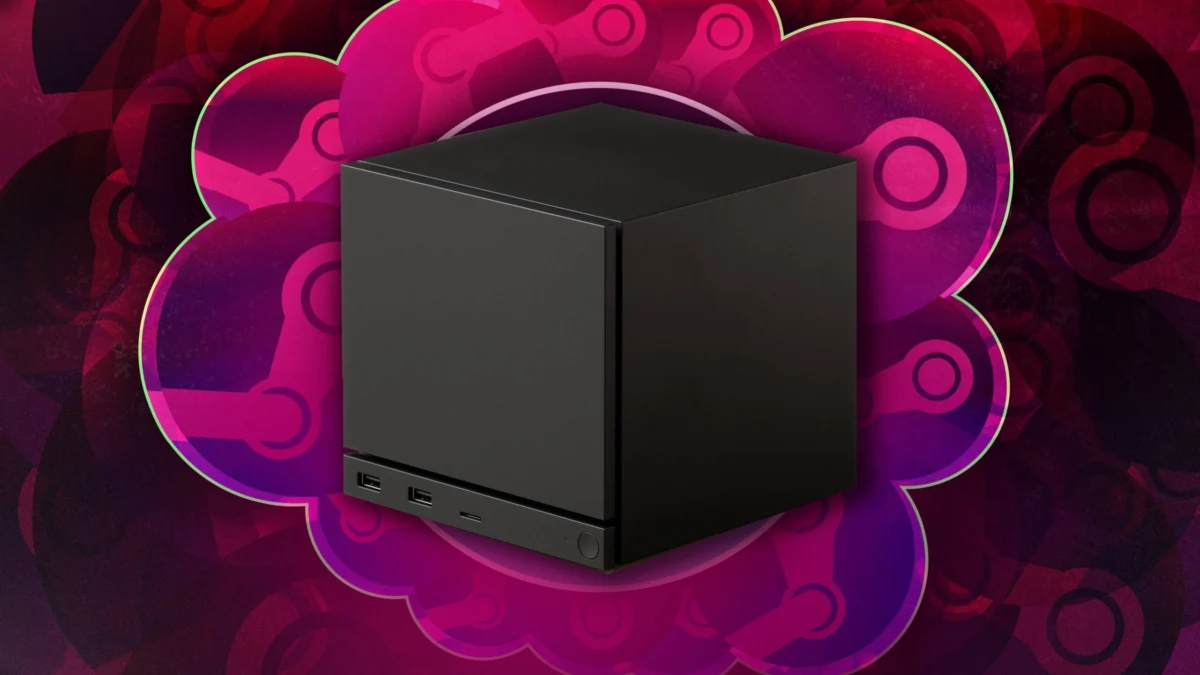
In the rapidly shifting landscape of home entertainment, Valve Corporation has once again attempted to bridge the divide between the high-performance world of PC gaming and the accessible, plug-and-play convenience of the console market. With the launch of the new Steam Machine, Valve is positioning itself as the primary architect of a "console-fied" PC experience. Designed not for the enthusiast who spends hours obsessing over cooling loops and GPU overclocking, but for the casual player who wants to access a massive library of games without the headache of desktop management, the Steam Machine represents a bold, if complex, step forward.
Main Facts: What is the Steam Machine?
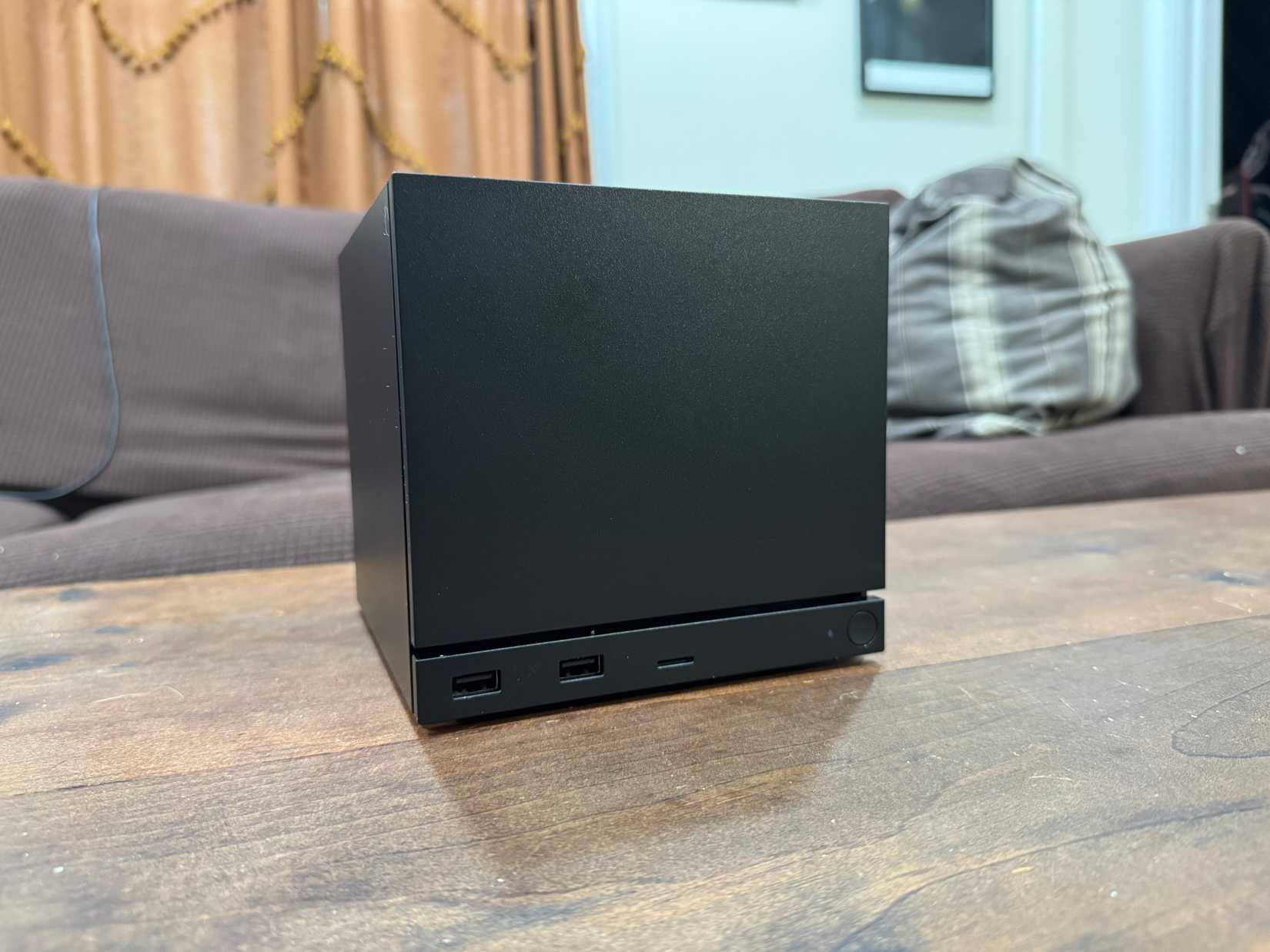
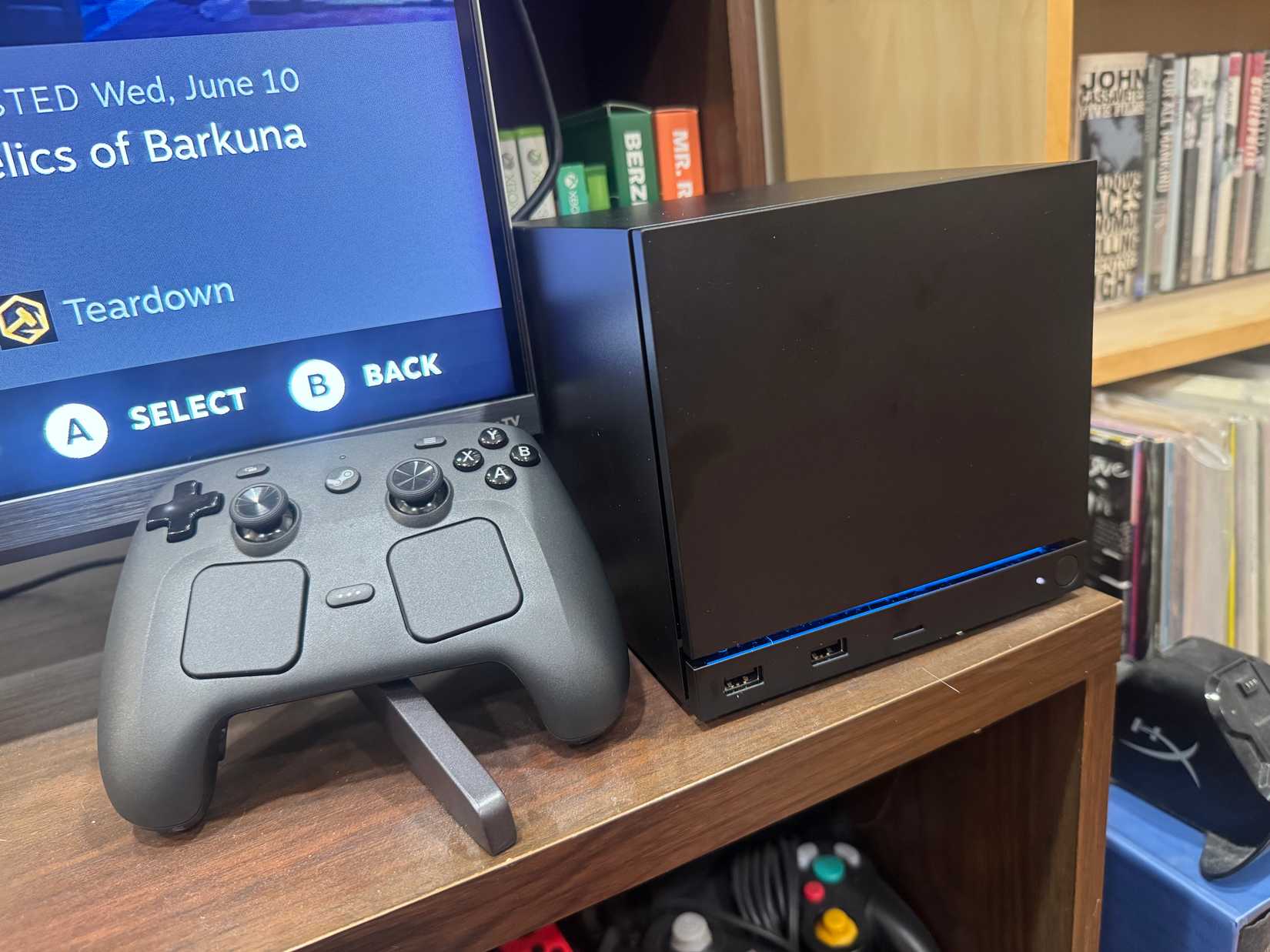
At its core, the Steam Machine is a dedicated, small-form-factor PC optimized for gaming. Unlike a traditional tower, it is designed to sit comfortably in a living room setup, aesthetically mirroring the footprint of a modern console like the Xbox Series X or a classic Nintendo GameCube. However, beneath its sleek exterior lies a Linux-based architecture running SteamOS.
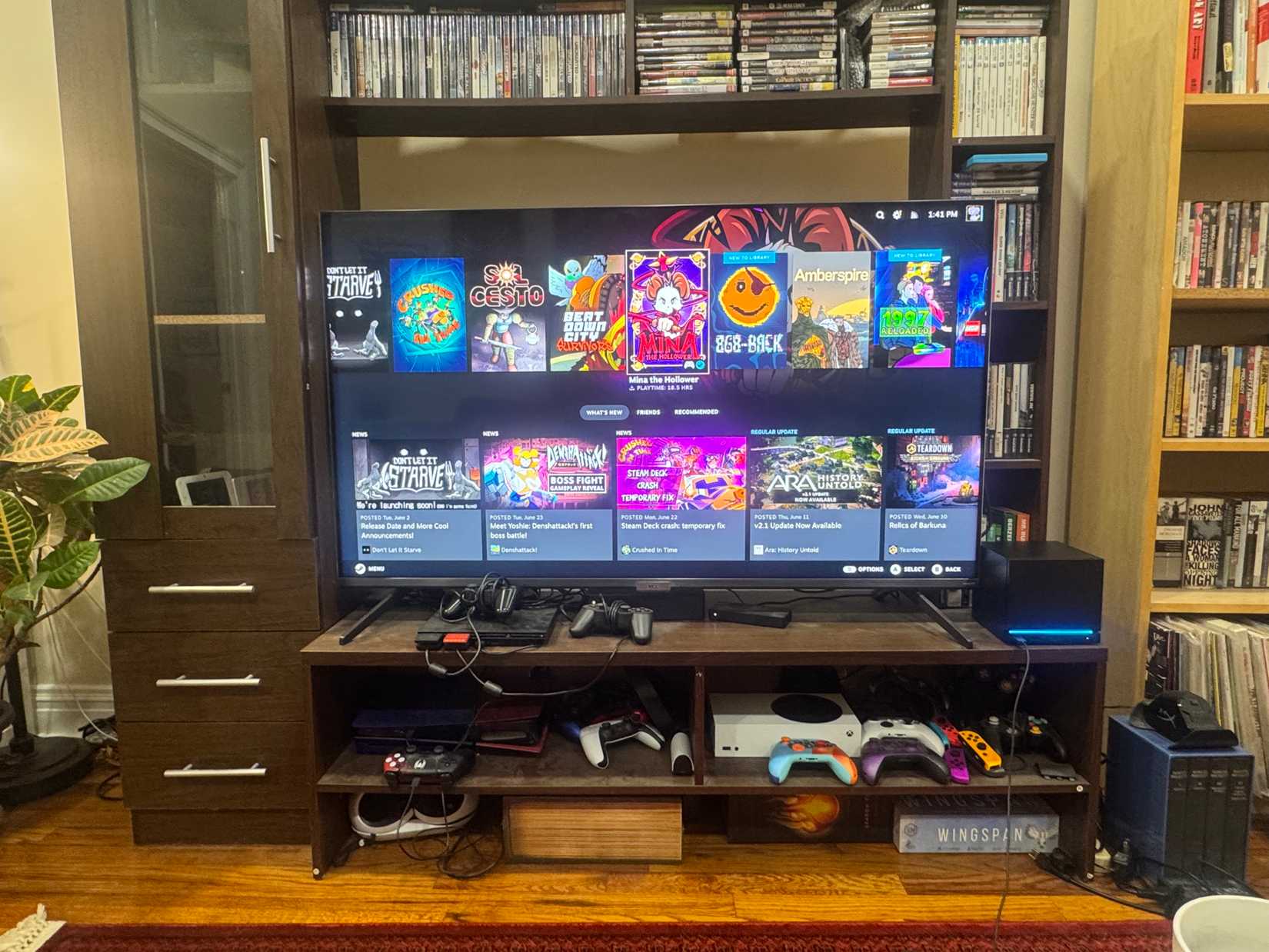
The fundamental value proposition is simplicity. By leveraging a custom, controller-first interface, Valve has stripped away the barriers of traditional Windows computing—such as driver updates, file path navigation, and desktop clutter—to offer a streamlined, console-like experience. While it is technically a computer, it functions as an appliance.
Key Specifications and Hardware
- Form Factor: Compact, portable chassis weighing approximately 5.7 pounds.
- Operating System: SteamOS (Linux-based).
- Interface: A custom Big Picture-style UI optimized for TVs and controllers.
- Compatibility: Broad support for Steam’s extensive library, with specific verification badges (Blue Checkmark) for SteamOS compatibility.
A Chronological Perspective: The Long Road to Living Room Integration
The path to the current iteration of the Steam Machine has been a decade-long endeavor for Valve.
- 2013-2015 (The First Wave): Valve initially experimented with the concept of Steam Machines, partnering with various third-party hardware manufacturers. The project struggled due to high costs, an immature Linux ecosystem, and a lack of software optimization.
- 2016-2022 (The Incubation Period): Following the initial lukewarm reception, Valve pivoted toward internal hardware development. The lessons learned during this period were funneled into the Steam Deck, a handheld device that essentially perfected the SteamOS experience.
- 2023-2025 (The Convergence): With the success of the Steam Deck’s software ecosystem, Valve began readying a new generation of desktop-class hardware that could leverage the mature Linux gaming pipeline.
- June 2026 (The Current Launch): The official release of the next-generation Steam Machine, marking the company’s return to the home console market with a more refined, software-forward approach.
Supporting Data: Performance and Usability Metrics
For the average consumer, the transition from console to Steam Machine involves navigating a different set of performance expectations.
Compatibility and Optimization
Not all games are created equal on this platform. Users should look for the "SteamOS Compatibility" icon. A blue icon indicates a high level of optimization, whereas a circle with a diagonal line suggests the game may face issues—most commonly due to anti-cheat software like that found in Destiny 2.
Controller Versatility
While the Steam Machine is bundled with the proprietary Steam Controller—noted for its haptic touchpads—it is by no means exclusive. Internal testing indicates that:
- Xbox Wireless Controllers: Near-universal plug-and-play support.
- PlayStation DualSense: Excellent compatibility.
- Third-Party Controllers (e.g., Scuf): Results are inconsistent, with some high-end specialized controllers failing to register correctly without manual driver intervention.
Official Responses and Developer Stance
Valve has been transparent about the device’s limitations, particularly concerning non-Steam software. In response to inquiries regarding third-party launchers like the Epic Games Store, Valve representatives noted that while technically possible, the system is not designed to support them natively.

"The Steam Machine is built for the Steam ecosystem," a spokesperson remarked during the launch event. "While we support the open nature of the Linux platform, our primary goal is to ensure that the living room gaming experience remains seamless and verified."
This stance underscores the "walled garden" approach Valve is taking to ensure reliability. They are actively encouraging developers to verify their titles for SteamOS, shifting the burden of optimization from the player to the publisher.
The Implications: Is This the Future of Gaming?
The release of the Steam Machine raises critical questions about the future of the industry. By creating a device that feels like a console but operates like a PC, Valve is challenging the dominance of Microsoft and Sony.
The Linux Shift
The success of this device is inherently tied to the growth of Linux as a gaming platform. Because it utilizes SteamOS, the Steam Machine benefits from every advancement made for the Steam Deck. This creates a powerful cycle: the more users who adopt the Steam Machine, the more developers will prioritize Linux-native builds, eventually negating the need for the "Windows-only" era of gaming.
The "Desktop" Dilemma
While the device is capable of functioning as a desktop computer, it remains a secondary experience. Navigating a full Linux desktop with a controller is, by design, cumbersome. Prospective buyers should view the Steam Machine as a high-end console first and a productivity tool second. If you require a workstation, a traditional PC remains the superior choice.
Challenges for Newcomers
For console players looking to migrate, the learning curve is primarily related to the "Steam Library" reality. Unlike the PS5 or Xbox, where every purchase is guaranteed to work on the hardware, the Steam Machine requires a modicum of due diligence. Users must check compatibility, be prepared for potential hurdles with anti-cheat software, and accept that some titles will require keyboard and mouse input.
Frequently Asked Questions: The 101 Crash Course
To further demystify the device, we have addressed the most common concerns for new users:
1. Is it a console or a PC?
It is a hybrid. It is a PC built in a compact form factor that boots into a console-like interface (SteamOS).
2. How portable is it?
At 5.7 pounds, it is significantly lighter and smaller than the current generation of flagship consoles, making it highly portable.
3. What about non-Steam streaming apps?
Services like Netflix or Disney+ are accessible through the desktop mode’s browser. However, they are not integrated as standalone apps, and users may encounter browser-related playback issues.
4. Can I mod games?
Yes, the platform is open, but it requires familiarity with the Linux file system. If you are a modding enthusiast, the experience will be familiar to those who have modded games on the Steam Deck.
5. Does it replace my PC?
For gaming? Potentially. For work, creative projects, or heavy multitasking? No. It is an entertainment device, not a workstation replacement.
Final Verdict: Who is the Steam Machine for?
The Steam Machine is for the gamer who loves the massive library and competitive pricing of PC gaming but feels alienated by the hardware maintenance and technical complexity of the Windows ecosystem. It is a bold, refined product that prioritizes the "play" button over the "install" process.
While it is not yet a complete replacement for the sheer power and versatility of a high-end gaming desktop, it is arguably the most user-friendly entry point into the PC gaming world to date. For those tired of the console wars and ready to tap into the infinite potential of Steam, the machine is a compelling, if slightly experimental, piece of hardware that signals a new era for living room gaming. As we continue to test the device, we will keep our readers updated on software patches and community-led compatibility solutions.

