


The landscape of PC gaming hardware is undergoing a seismic shift. For decades, the x86 architecture—dominated by Intel and AMD—has been the undisputed foundation of the gaming industry. However, the rise of Arm-based chips, championed by the success of Apple Silicon and now supported by heavyweights like Nvidia, is forcing a re-evaluation of how we build gaming devices. Valve, ever the disruptor, is at the heart of this transition. While the company is already steering its upcoming Steam Frame VR headset toward an Arm-based future, the question remains: could the Steam Machine evolve into an Arm-powered powerhouse?
The Main Facts: Valve’s Pivot Toward Versatility
Valve’s commitment to hardware is increasingly defined by its software-first approach. By leveraging the power of SteamOS, the company has effectively decoupled itself from the Windows-centric ecosystem that dominated the gaming desktop for years. The upcoming launch of an Arm-specific version of SteamOS, designed to run alongside the Snapdragon-powered Steam Frame, is the most significant indicator of this strategy.
Central to this effort is the FEX translation layer. Much like Proton allows Windows-native games to run seamlessly on Linux, FEX acts as a bridge, enabling software compiled for x86 architecture to execute on Arm-based chips. This technology is not merely a stopgap; it is a strategic tool for Valve to ensure that a massive back catalog of games remains playable regardless of the underlying hardware architecture.
When asked about the future of the Steam Machine and whether Arm is being considered for a potential second iteration, Valve engineers Yazan Aldehayyat and Pierre-Loup Griffais were clear: the option is firmly on the table. "Definitely, yeah," Pierre-Loup confirmed. "We’re just trying to be able to support everything, right?"
A Chronology of the Steam Machine and the Evolution of SteamOS
To understand where Valve is going, one must look at where they started.

- 2015: Valve launches the original Steam Machine initiative, a bold attempt to bring PC gaming into the living room via dedicated, Linux-based consoles. The project struggled due to limited game support and a fragmented ecosystem.
- 2021: Valve releases the Steam Deck. This device proves that a handheld, Linux-based gaming PC is not only viable but highly desirable. The secret sauce is Proton, which made Windows games playable on Linux, effectively solving the "game library" issue that crippled the first Steam Machine.
- 2025: Nvidia announces the RTX Spark, a custom Arm-based architecture aimed at high-end gaming laptops, promising 144fps performance at 1440p. This marks a pivotal moment where Arm-based hardware begins to shed its "mobile-only" reputation.
- 2026: Valve announces the Steam Frame, a VR-focused headset running on an Arm-based architecture, necessitating the development of an Arm-specific version of SteamOS.
- 2026-Present: Ongoing supply chain instability, specifically the "RAMpocalypse," continues to throttle the production and pricing of traditional desktop components, leading to a climate where alternative architectures like Arm become more economically attractive.
Supporting Data: Why Arm is More Than Just a Mobile Chip
The primary argument against Arm in gaming has historically been its lack of raw horsepower compared to x86 giants. However, the market is changing. Nvidia’s "RTX Spark" initiative has provided a proof-of-concept that Arm chips can handle demanding AAA titles.
During internal testing, developers have successfully ported and optimized titles like Alan Wake 2 for Arm-native execution. When these native builds run on hardware like the Microsoft Surface Laptop Ultra, the efficiency gains are staggering. The key metrics for this shift include:
- Thermal Efficiency: Arm chips consume significantly less power, allowing for thinner, quieter, and more efficient hardware designs—ideal for the living room form factor.
- Performance-Per-Watt: By utilizing a reduced instruction set, Arm processors can deliver competitive frames-per-second while generating less heat, potentially lowering the total cost of ownership for the consumer.
- The FEX Advantage: FEX allows for a "bridge" period. Even if a game isn’t coded for Arm, it can still run. As more games receive Arm-native updates, the reliance on translation layers will decrease, further increasing performance.
As Pierre-Loup noted, "If we have more options to pick from, and if users have more options to pick from… to play all the latest games in their back catalog library, they’ll have a better outcome in terms of finding something that is cheaper for the horsepower that they need."
Official Responses: Valve’s Design Philosophy
Valve’s approach to hardware design is strikingly grounded. Rather than chasing bleeding-edge benchmarks at any cost, the team acts as "users." They are looking at the same variables as the average consumer: price, performance, and library compatibility.
"When we’re designing a system like that, we’re just like users: Picking parts, trying to figure out what makes sense," Pierre-Loup explains. "Things like FEX and the work that we’ve done on SteamOS and Proton are more like catalysts to get to a better outcome."
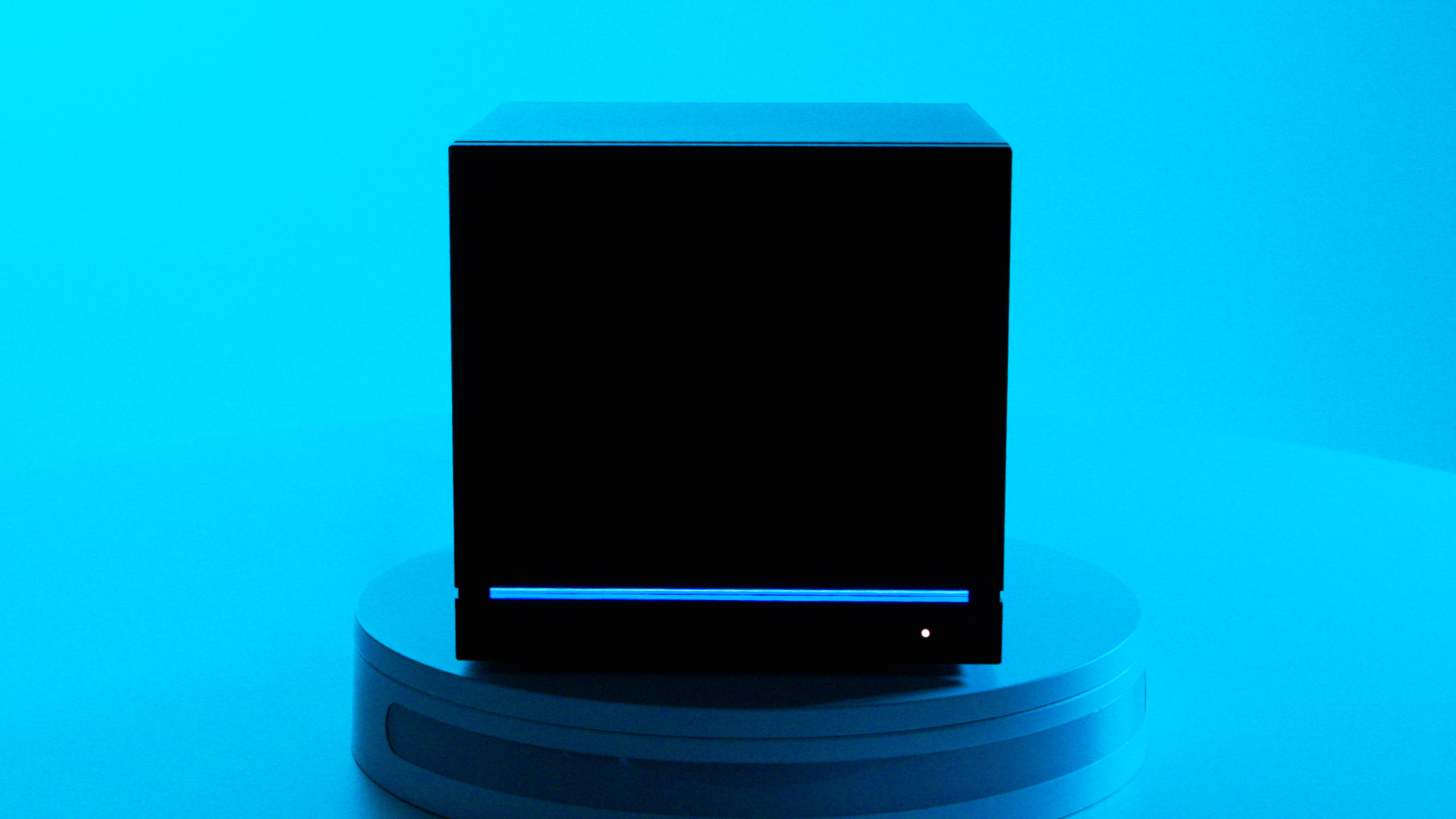
However, Valve is also tempered by reality. While they have stated that the Steam Machine won’t have the same long, stagnant timeframe as the original iteration, they are not immune to global market forces. The current scarcity of high-speed memory (DRAM) is a massive hurdle. With major manufacturers struggling to bring new factory capacity online, experts predict the "RAMpocalypse" will persist until at least 2028. Consequently, any new Steam Machine—whether it features an x86 or an Arm chip—must navigate a market where the cost of RAM remains a significant inflationary pressure.
Implications: The Impending "Chip Architecture Slap Fight"
The potential move toward Arm has profound implications for the gaming industry.
1. The Death of the "Intel/AMD Monopoly"
If Valve, Nvidia, and other major players successfully pivot to Arm, the duopoly held by Intel and AMD in the high-performance desktop space will be fractured. This could lead to a more competitive market where manufacturers are forced to lower prices or increase efficiency to remain relevant.
2. The Living Room Revolution 2.0
The original Steam Machine failed because it tried to be a console while remaining tethered to the limitations of PC hardware. An Arm-based Steam Machine could truly be the "living room PC" that Valve envisioned—a compact, silent, and affordable device that offers the power of a desktop with the form factor of a console.
3. Developer Workflows
The rise of Arm-native gaming means developers will need to invest in multi-architecture support. While this adds complexity to the development pipeline, the rise of tools like Prism and automated porting utilities is lowering the barrier to entry. We are already seeing developers creating wholly Arm-native versions of their titles, indicating that the industry is taking the shift seriously.
Conclusion: A Patient Wait for the Future
While the excitement surrounding an Arm-powered Steam Machine is palpable, caution is required. Valve has made it clear that while they are exploring every architectural avenue, they are not in a rush to force a product to market before the conditions are right.
The convergence of FEX translation technology, Arm’s increasing efficiency, and the long-term necessity of moving away from expensive, power-hungry x86 components paints a clear picture of the future. We may not see an Arm-based Steam Machine tomorrow, or even next year, but the foundational work is being laid. When the memory crisis finally eases and the ecosystem for Arm-native titles matures, Valve will be positioned to redefine the desktop gaming experience once again—not just by building a faster machine, but by choosing the right architecture to power it.
For now, the industry watches and waits. The "chip architecture slap fight" is only just beginning, and Valve is holding a very interesting set of cards.

