

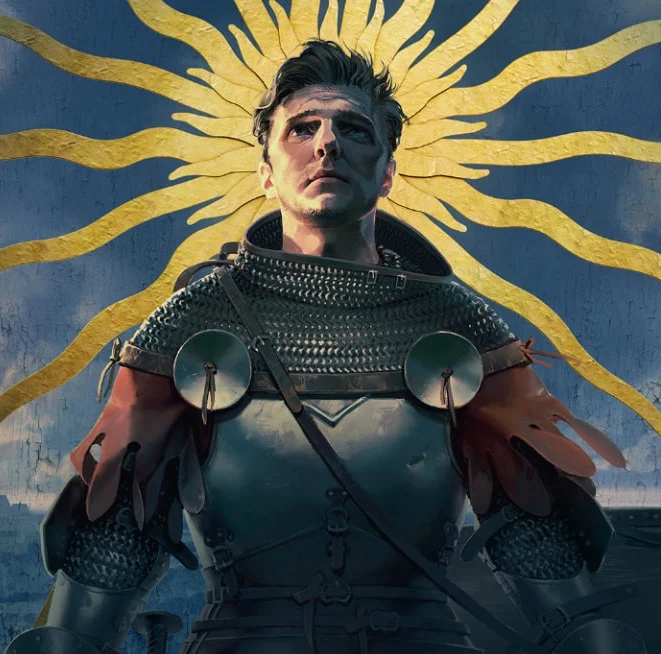
While Baldur’s Gate 3 has undeniably cemented itself as the gold standard for modern Dungeons & Dragons adaptations, capturing the imagination of millions with its cinematic flair and deep mechanical agency, there remains a phantom limb in the history of CRPGs. That phantom is Planescape: Torment. Released in 1999 by Black Isle Studios, it remains a singular, fever-dream masterpiece—a game defined by existential philosophy, grotesque beauty, and writing that arguably has never been surpassed in the medium.
For years, rumors persisted that a sequel was once in the works. We now know that project was titled Planescape: Unraveled. It was a vision spearheaded by the custodians of classic RPGs, Beamdog, and legendary writer David Gaider. Yet, despite initial enthusiasm from those who hold the keys to the D&D license, the project withered on the vine. It serves as a poignant case study in the harsh realities of the gaming industry, where creative ambition frequently collides with the cold, unyielding wall of risk-averse corporate finance.
The Pitch: A Return to Sigil
The concept for Planescape: Unraveled was not merely a sequel in name, but an attempt to recapture the surreal, extra-planar magic of the original. Beamdog, under the leadership of CEO Trent Oster, had positioned itself as the definitive caretaker of the Infinity Engine era of BioWare and Black Isle titles. Having worked on enhanced editions of classic games, the studio possessed the technical pedigree and the cultural reverence necessary to tackle such a legacy.
The team brought in heavy-hitting talent, including David Gaider, the narrative architect behind much of the Dragon Age series. Together, they approached Wizards of the Coast (WotC) with a vision that aimed to tie the game into the broader, then-current D&D sourcebooks. According to Oster, the early meetings with WotC’s creative leads—Chris Perkins and Mike Mearls—were promising. "They were really into what we were doing," Oster noted. "It was an exciting concept."
However, the transition from a "creative pitch" to a "production roadmap" revealed a fundamental disconnect between the publisher’s ambition and their appetite for financial commitment.
A Chronology of Failure: The 2016 Collapse
The timeline of Planescape: Unraveled is one of slow-burning frustration. By 2016, the project had reached a critical impasse. Despite the creative alignment between Beamdog and WotC, the financial model for the project simply would not coalesce.
- 2014–2015: Beamdog initiates internal development and planning for Unraveled. The pitch is refined to align with modern D&D lore, ensuring a bridge between the classic Planescape setting and contemporary tabletop aesthetics.
- Early 2016: High-level meetings with WotC confirm that the creative vision is sound. The idea of a tie-in sourcebook is floated, suggesting a cross-media synergy that was, at the time, ahead of its time.
- Mid-2016: The fiscal reality hits. Wizards of the Coast clarifies that they have no budget for external development. The burden of funding shifts entirely to the developers.
- Late 2016: After failing to secure external funding or a publisher willing to take the financial risk of a niche, high-concept RPG, the project is officially shelved.
David Gaider, reflecting on the experience via social media years later, captured the heartbreak of the moment: "Whatever the problem, we couldn’t sell it… and by the end of 2016, we had to put Planescape: Unraveled on the shelf and start something new. Which killed me, and I almost moved on right then."
The Corporate Pendulum: Why Risk Aversion Killed the Dream
The primary reason for the project’s death, according to Oster, was the volatile nature of Wizards of the Coast’s business strategy. Throughout the 2010s, WotC operated like a pendulum, swinging between internalizing development to capture all profit and licensing out IP to minimize overhead.
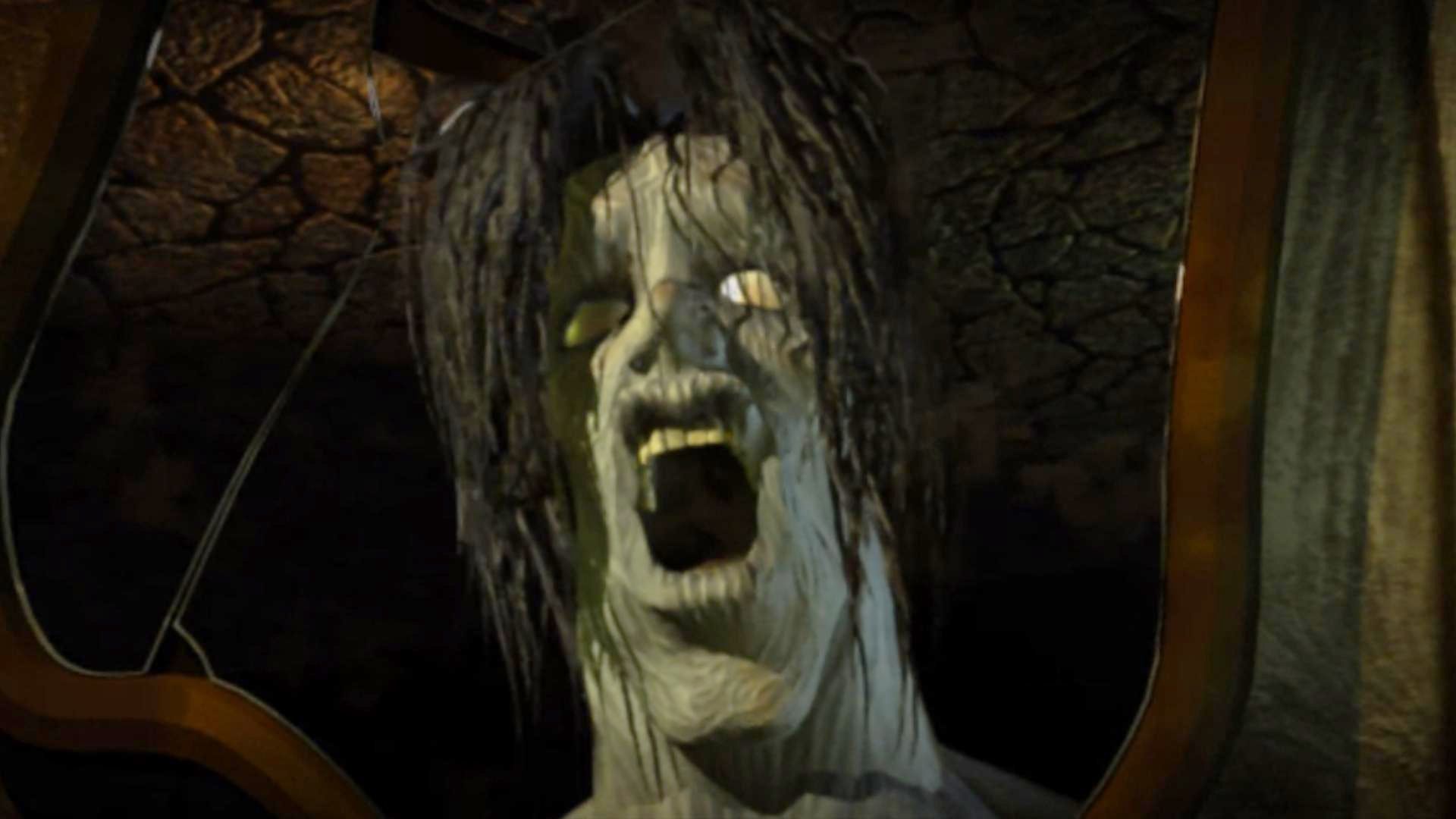
"Over time, Wizards has kind of gone through these cycles," Oster explains. "They’re like, ‘Oh, we’ll do all the internal development.’ And then, ‘Oh my God, internal development’s so expensive, we’ll just license it all out. We’ll let partners take all the risk.’ Then, ‘Hey, wait, these guys made a ton of money, let’s bring it internal again.’"
During the pitch period for Unraveled, the industry was trapped in a "licensing trap." External publishers were hesitant to invest in an IP they didn’t own, and WotC was unwilling to provide the capital to de-risk the venture. Every potential investor posed the same rhetorical question: "Why would we spend our money making their IP worth more money?" It was a classic "Catch-22" of modern intellectual property management.
Implications for the Industry
The failure of Planescape: Unraveled is not just about one lost game; it is a symptom of a systemic issue in the gaming industry regarding "cult classic" IPs.
- The Commercial vs. Critical Gap: The original Planescape: Torment was a commercial disappointment upon release, despite its enduring critical acclaim. This reputation cast a long shadow over any potential sequel. Publishers often prioritize immediate market saturation over "long-tail" prestige, leaving games with complex, niche appeal in a state of permanent abandonment.
- The Cost of Ambition: As modern RPGs like Baldur’s Gate 3 demonstrate, the production value required to satisfy contemporary audiences is astronomical. A Planescape game today would require not just a great writer, but a massive art team capable of rendering the shifting, impossible geometry of Sigil. The cost of entry has risen, making it harder for experimental projects to find a foothold.
- The Value of Heritage: The "Beamdog model"—preserving and updating old classics—is a vital service, but it lacks the leverage to greenlight massive, original AAA sequels. The industry needs a bridge between the high-risk, high-reward model of modern blockbusters and the smaller, passion-driven development of the past.
The Legacy of the Planes
While Planescape: Unraveled remains a "what-if" for the history books, the influence of the Planescape setting remains potent. The success of Torment: Tides of Numenera proved that there is still a massive, hungry audience for CRPGs that prioritize existential dread and complex dialogue over traditional combat encounters.
Furthermore, the rise of "weird fiction" RPGs like Disco Elysium and Esoteric Ebb suggests that the DNA of Planescape: Torment has successfully mutated into new, vibrant forms. These games have captured the same sense of philosophical exploration that made the 1999 original a classic.
If there is a silver lining, it is that the industry is changing. The massive success of Baldur’s Gate 3 has proven that the "CRPG" is not a dead genre; it is a hungry one. It has shown that if you provide players with a world that reacts to their every moral and philosophical choice, they will show up in their millions. Perhaps, as the market matures and the appetite for deeper, more "tabletop-inspired" roleplaying grows, the doors to the City of Doors will eventually open once more.
Until then, Planescape: Unraveled serves as a sobering reminder: even in a multiverse of infinite possibilities, the most difficult obstacle is often the simplest one—finding someone who believes in the value of the strange, the difficult, and the profound.

