

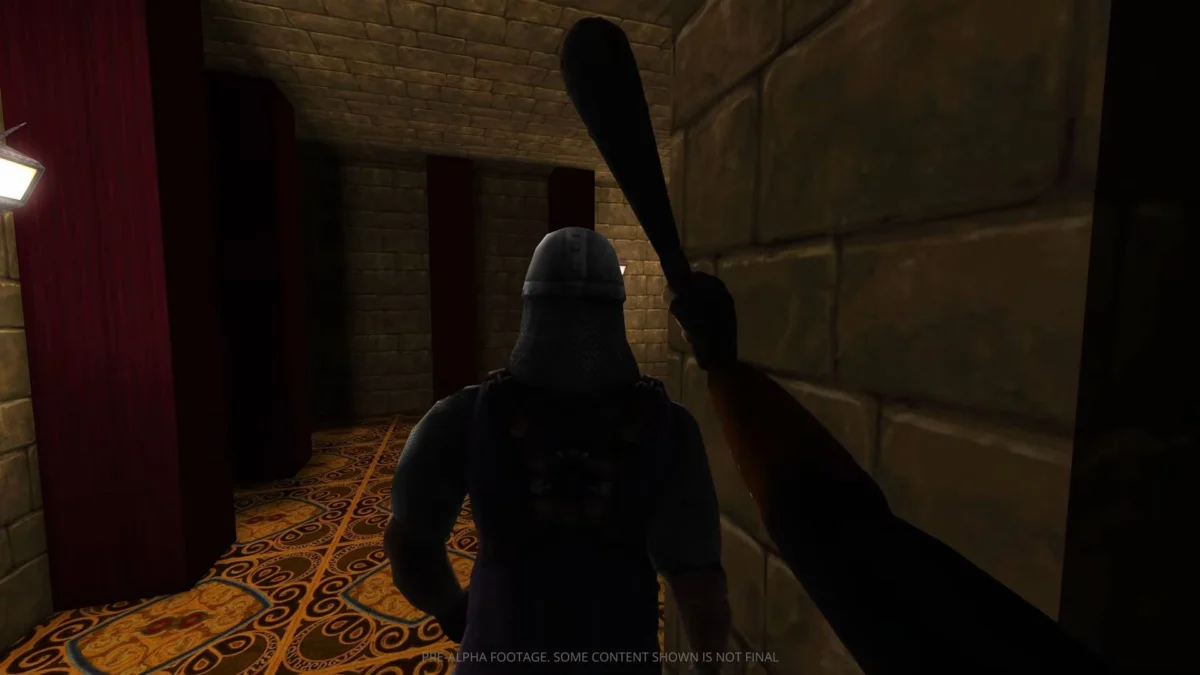
In the hallowed halls of gaming history, few titles hold as much reverence as Looking Glass Studios’ 1998 masterpiece, Thief: The Dark Project. It was a game that didn’t just define the stealth genre; it pioneered the use of sound as a core mechanic and introduced a level of environmental storytelling that remains the gold standard for immersive sims. Now, Nightdive Studios—the masters of the modern retro-revival—have set their sights on bringing Garrett back to the shadows.
In a recent deep-dive discussion, producer Daniel Grayshon and studio head Stephen Kick sat down to peel back the curtain on their approach to remastering this seminal work. Their mission statement is clear: preservation, not transformation.
The Philosophy of "Invisible" Restoration
The primary challenge in remastering a quarter-century-old classic is the "Ship of Theseus" paradox: how much can you change before it is no longer the game fans remember? For Nightdive Studios, the answer is to focus on modernization without compromising the soul of the experience.
"As with a lot of Nightdive games in the past, we’re not looking to change the core experience of the game," Grayshon explained during the presentation. This sentiment is the bedrock of the project. Stephen Kick, the studio’s CEO, echoed this, noting that when fans see trailers and comment, "It looks exactly like the game I remember," he considers that the ultimate compliment.
For the developers, the goal is to bridge the gap between 1998 hardware and modern high-fidelity displays. This means keeping the lighting models, the AI behavior, and the level design intact, while polishing the visual fidelity to ensure that when a player steps into the murky streets of The City, they are transported exactly where they were twenty-six years ago—only with fewer jagged edges and a higher frame rate.
A Legacy of Muscle Memory
One of the most fascinating aspects of Thief is how deeply it embedded itself into the muscle memory of its player base. Even decades later, veterans of the series can recite the keybindings like a mantra. The blackjack, the indispensable tool for a quiet takedown, was bound to ‘2’. The rope arrows, a staple for vertical navigation, sat on ‘8’. And, of course, the panic-button flash bombs resided on ‘F6’.
This deep-seated familiarity is something the developers at Nightdive are acutely aware of. Grayshon noted, "Partway through the project, I realized I still remember a bunch of the keybinds for Thief’s arsenal of items." This realization served as a guiding light for the development process. The team recognizes that for a significant portion of the audience, changing the core control scheme would feel like a betrayal. If the game is to be "faithful," it must allow the veteran thief to return to their craft without having to relearn their own hands.
Modernizing the Toolkit: The Weapon Wheel
While the team remains staunchly traditional regarding the core loop, they are not afraid to introduce quality-of-life improvements that alleviate the friction of aging design. Perhaps the most significant addition is the inclusion of a weapon wheel.
In the original 1998 release, cycling through a vast inventory of specialized tools—water arrows, moss arrows, gas mines, and varying types of lockpicks—was a manual process. Players often found themselves frantically hitting the ‘Tab’ key while guards were closing in, desperately searching for the right item.
"The first thing that I wanted to do for the game was introduce a weapon wheel," Grayshon stated. The logic is sound: in the heat of a high-pressure situation, such as needing to lockpick a door while being hunted, the original interface could become a source of frustration rather than a test of skill.
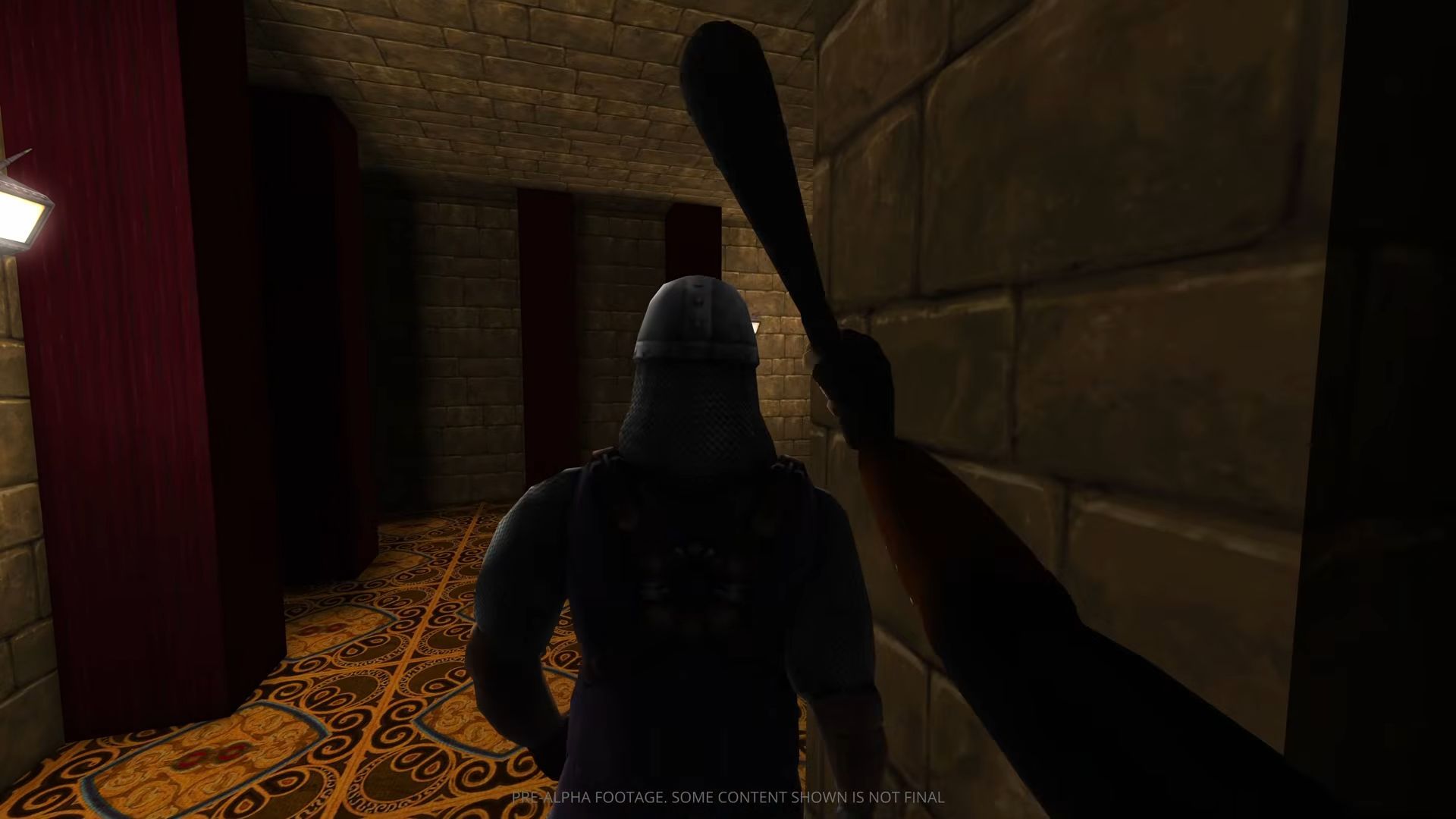
The new weapon wheel acts as an optional layer of convenience. "If you fancy the convenience, it’s there for you, but we’re not forcing you to use it," Grayshon clarified. This "opt-in" philosophy is the perfect compromise for a remaster. It allows new players—who may be accustomed to modern UI standards—to navigate the inventory with ease, while long-time purists can ignore the wheel entirely and stick to their tried-and-true keyboard shortcuts.
A Playful Debate: Convenience vs. Realism
During the interview, a humorous dynamic emerged between Grayshon and Kick. While Grayshon advocated for the efficiency of the weapon wheel, Kick playfully adopted the role of the purist skeptic, questioning whether the original, slightly clunky inventory system was actually part of the game’s intended charm.
"Did you think for a moment that that was part of the original design, that as a thief you’d have this bag of just stuff?" Kick joked, suggesting that the "fumbling" for equipment was an unintentional, yet immersive, simulation of a thief’s chaotic pockets.
This banter highlights the internal dialogue at Nightdive. They aren’t just developers; they are fans who respect the eccentricities of the original design. By keeping the option to play the game "the old way," they preserve the original’s tension—where a mistake in the dark isn’t just a failure of skill, but a consequence of your own human error in selecting the wrong tool.
Technical Implications: Preserving the Immersive Sim
The implications of this remaster extend beyond simple nostalgia. Thief: The Dark Project is one of the pillars of the "Immersive Sim" genre, alongside titles like Deus Ex and System Shock. These games are characterized by their "emergent gameplay," where the environment reacts to the player’s choices.
By bringing Thief to a modern engine, Nightdive is essentially performing an act of historical preservation. The original code, built for a bygone era of computing, is increasingly difficult to run on modern Windows operating systems. By updating the backend while keeping the game logic, AI routines, and sound design untouched, Nightdive is ensuring that the "Thief experience"—the sound of boots on marble versus carpet, the light gem mechanics, and the dark, oppressive atmosphere—will remain playable for another twenty years.
The Road Ahead
As the project continues, the community’s eyes are fixed on how Nightdive handles the balance between the technical upgrade and the original aesthetic. The studio has proven its mettle with previous successes like the System Shock remake, but Thief presents a unique challenge: its aesthetic is less about "realistic graphics" and more about "painterly atmosphere."
The use of shadow, the specific color palette of the Victorian-gothic setting, and the unique, low-poly character models all contribute to the game’s identity. If Nightdive maintains their current trajectory—prioritizing the original intent while smoothing out the rough edges—they are likely to provide the definitive way to experience the adventures of Garrett.
For the veteran player, the muscle memory remains. They will still press ‘4’ for water arrows. They will still instinctively listen for the tell-tale clatter of a guard’s armor. And, thanks to Nightdive’s meticulous approach, they will be able to do so with the confidence that the game they love has been respected, not reinvented.
In an industry that often favors sweeping changes and "reimagined" mechanics, Nightdive’s commitment to the source material is a refreshing change of pace. It suggests that sometimes, the best way to move forward is to look back, appreciate what made a classic great, and simply ensure that the shadows remain as dark and inviting as they were in 1998.

