

By [Your Name/Journalistic Staff]
Published June 24, 2026
For over a decade, Adventure Time stood as a landmark achievement in modern animation, transforming from a quirky, candy-colored romp into a sprawling, philosophical epic. By the time the final credits rolled on its 44-minute series finale, the show had explored the existential weight of immortality, the trauma of post-apocalyptic survival, and the inevitable decay of all things.
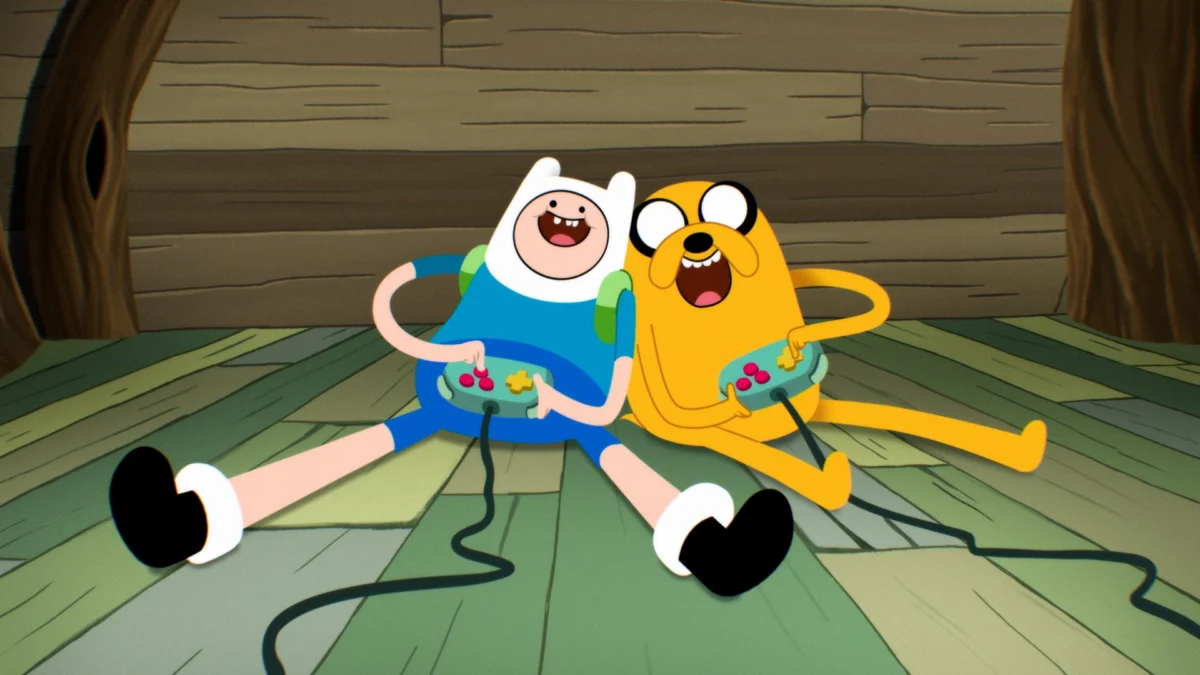
However, as the series concluded its complex narrative arc, a segment of the fanbase—and indeed, some of its original creative team—found themselves missing the show’s humble beginnings. On June 29, 2026, those calls for a return to simplicity are being answered with Adventure Time: Side Quests, a new spinoff series premiering on Hulu and Disney Plus. Designed as a "spiritual reset," the show transports viewers back to the early days of Finn the Human and Jake the Dog, capturing the "gumption" and comedic spirit that first put the Land of Ooo on the map.
The Evolution of Ooo: From Zombies to Existential Dread
To understand why Side Quests is such a significant pivot, one must look at the trajectory of the original series. In the pilot and the premiere episode, "Slumber Party Panic," the stakes were refreshingly low: Finn and Jake were tasked with defending the Candy Kingdom from a zombie outbreak, a conflict resolved with slapstick humor and a ten-minute runtime.
As the series progressed through its ten seasons, it grew in both ambition and melancholy. The Land of Ooo was eventually unmasked as the remnants of Earth following a devastating nuclear conflict—the "Mushroom War." Characters like the Ice King were revealed to be tragic vessels of lost humanity, and the primary antagonist, the Lich, introduced a level of multiversal horror that pushed the boundaries of what a "kids’ show" could tackle. While these narrative shifts were critically lauded for their maturity, they fundamentally changed the texture of the viewing experience. Side Quests aims to peel back those layers, returning to the era of "seasons 1 and 2," where the most pressing issue was a minor misunderstanding or a neighborhood monster.
A Chronological Reset: Filling the Cracks
The creative force behind Side Quests is Nate Cash, a seasoned veteran of the Adventure Time universe. Joining the original crew in season 2, Cash eventually served as a creative director before moving on to acclaimed projects like Over the Garden Wall. His goal for Side Quests was specific: to inhabit the narrative gaps between the first and second seasons of the original run.
"I love where the series went," Cash told Polygon in a recent interview. "It was really fun to see the characters progress. But having a quick, 11-minute comedy like season 1 was my goal."
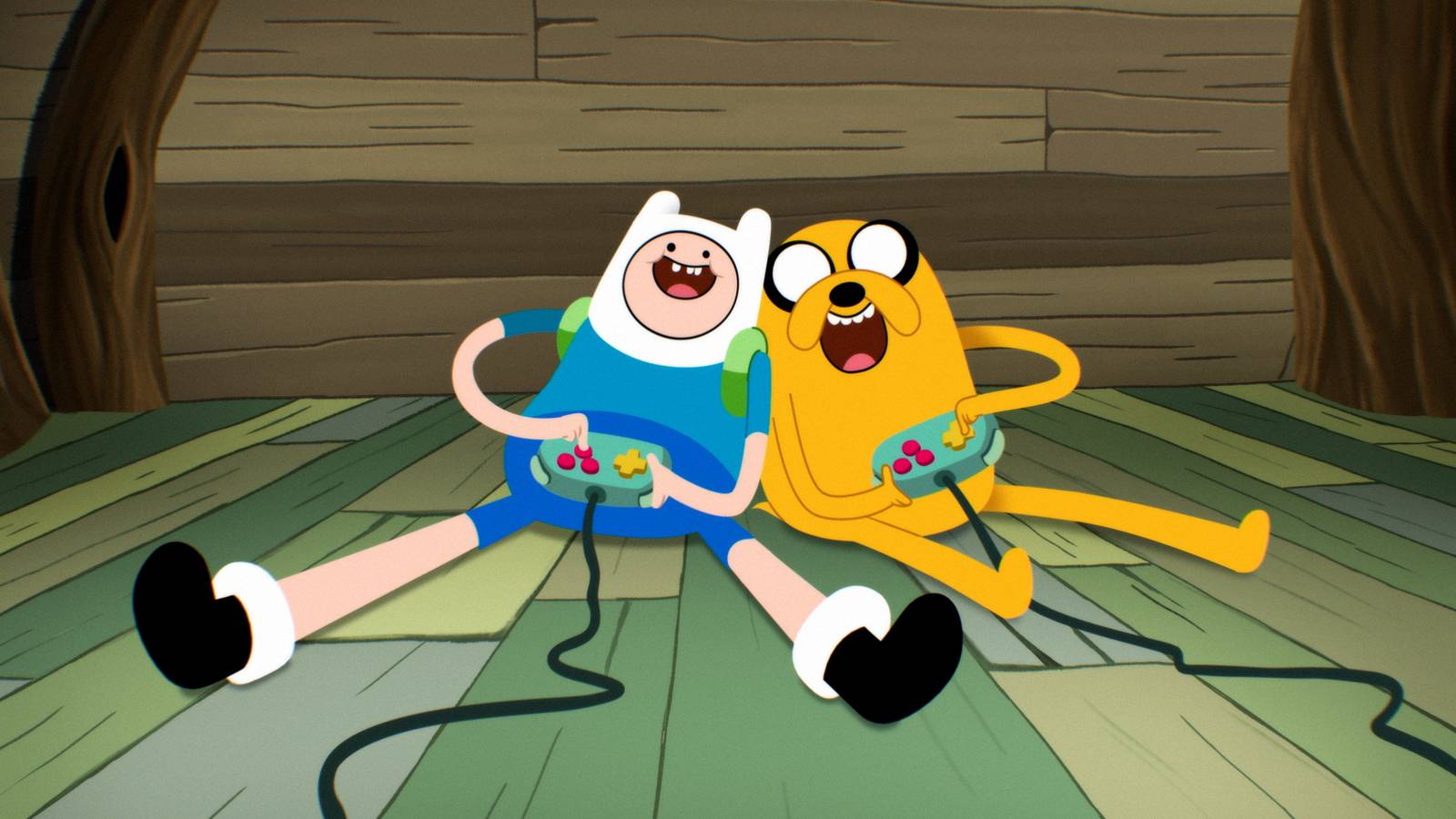
The format of the new series reflects this mission. Each episode is self-contained, eschewing the serialized, world-ending stakes of later seasons in favor of "side quests." Whether it is Finn attempting to master a crossbow despite his complete lack of talent, or navigating the social intricacies of high-society bugs, the show prioritizes character-driven humor over lore-heavy revelations.
Technical Craft: The "Painterly" Aesthetic
While Side Quests acts as a tonal throwback, it does not ignore the visual advancements made in the industry over the last decade. Art director Nick Cross has taken great care to honor the show’s visual heritage—utilizing original character designs and the iconic, intricate backgrounds created by artist Ghostshrimp—while introducing a modern, refreshed aesthetic.
"We made them more painterly," Cross explained. "So it kind of feels like a different show, but also the same show. We didn’t want to completely recontextualize everything. Why mess with something that worked really well?"

This approach is bolstered by the return of original series creator Pendleton Ward, who contributed a storyboard for the episode "Rescue Princess." To maintain the vibrant, "storybook" feel, the animation team has also experimented with techniques like painting on physical cels, providing a tactile, high-quality finish that distinguishes Side Quests from its predecessor without clashing with the established canon.
The Voice of a Hero: Casting and Characterization
One of the most intriguing aspects of Side Quests is the decision to recast the role of Finn. While John DiMaggio returns as the iconic Jake the Dog, 17-year-old actor Sasha Knight steps into the role of Finn.
For Nate Cash, this was a creative necessity. The goal was to return Finn to his "12-year-old" roots—a character defined by naive, unbridled optimism. Cash describes this iteration of Finn as a "righteous barbarian," a kid whose primary tool is his sheer gumption. By grounding the character in his earlier developmental stage, the show allows for a level of physical comedy and simple problem-solving that would feel out of place for the battle-hardened Finn seen in the series finale.
John DiMaggio notes that this shift has been equally refreshing for the actors. "The Land of Ooo has so many directions you can go in," DiMaggio said. "Those dark episodes in the first version were brilliant, but they were scary and they were pretty heavy duty. This skews a little bit younger. It’s lighter. It’s funnier. It’s goofier."
Navigating the Lore: A Deliberate Omission
A major challenge for the production team was how to handle the extensive, sometimes heavy, lore that the show established later in its run. To maintain the lighthearted tone, the creative team has made a conscious decision to avoid referencing the more distressing aspects of the Ooo timeline, such as the Lich or the deeper implications of the Mushroom War.
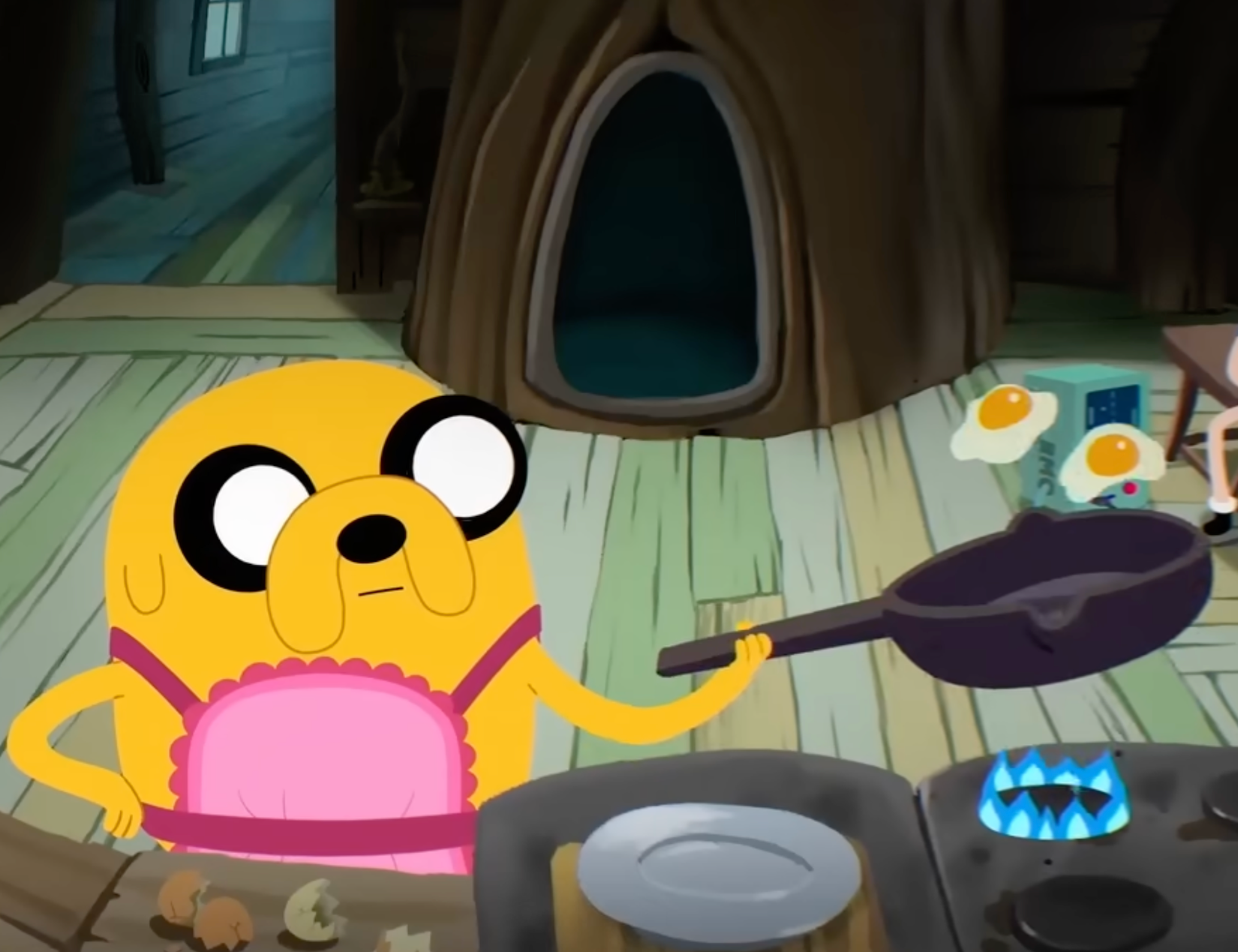
Even Peppermint Butler’s dark-arts background is handled with a "light touch." While the lore exists in the background, the characters of Finn and Jake remain blissfully unaware of it. This creates a unique dynamic where the audience—armed with the knowledge of ten seasons of history—can appreciate the innocence of the characters, while the show itself remains unburdened by those darker secrets.
The Ice King serves as the most prominent example of this tonal "reset." In the latter half of the original series, the Ice King was treated with immense sympathy as the tragic Simon Petrikov. In Side Quests, however, he is back to his original persona: a bumbling, princess-kidnapping antagonist.
"We were asked to pump the brakes on Ice King episodes," Cash admitted, laughing. "But they’re so fun! He’s just a weird dude who kidnaps princesses and needs to be told not to do that. The simplicity of it is pretty fun."
The Enduring Appeal of the Dork
Despite the shift in tone, the creative team remains aware of the heart that made Adventure Time a cultural phenomenon. When asked about the contradiction between the "goofy" Ice King and the "tragic" Simon, Cash points to a lesson he learned from Pendleton Ward early in his career.
"The key to Ice King is, as awful and twisted as he is, he just wants to find companionship and love," Cash said. That pursuit remains the emotional anchor of the series, even when it is expressed through the lens of a "big, nervous dork."
Implications for the Future of Ooo
Adventure Time: Side Quests arrives at a time when audiences are increasingly looking for comfort viewing. By leaning into the humor and the "goofiness" that first defined the show, it offers a necessary respite from the heavier, more complex narratives that dominate much of modern television.
It is not an attempt to erase the legacy of the original Adventure Time; rather, it is an invitation to revisit the spark that started the fire. By choosing to focus on the small, inconsequential moments of adventure, Side Quests proves that the Land of Ooo is a world vast enough to hold both the terrifying darkness of the apocalypse and the simple, joyous fun of a boy and his dog playing in the woods.
Adventure Time: Side Quests is set to premiere on June 29 on Disney Plus and Hulu. Whether you are a fan of the show’s original run or a newcomer looking for a lighthearted fantasy adventure, this series promises a return to the roots of a modern classic.

