

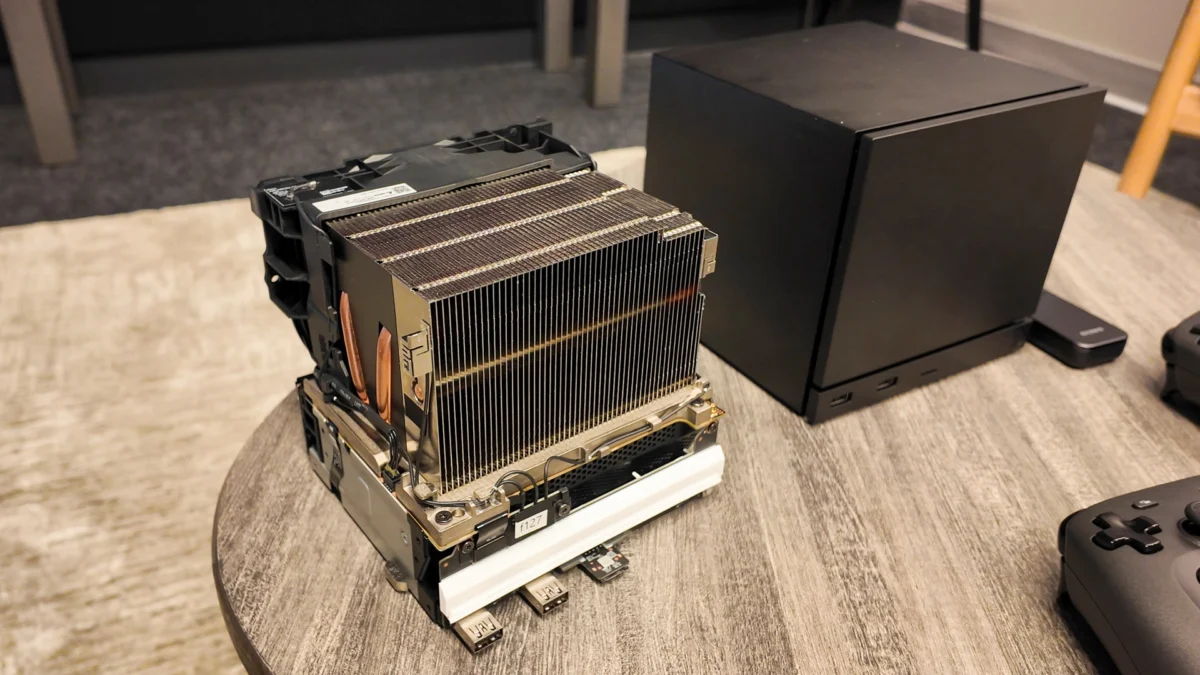
The long-awaited return of Valve’s living room gaming hardware has finally arrived, but it comes with a twist that has caught the gaming community off-guard. Rather than the traditional, high-pressure "first-come, first-served" storefront battle that defined the original Steam Deck launch, Valve has unveiled a randomized reservation system for the new Linux-powered Steam Machine.
Starting at $1,049 for the entry-level 512GB model, the device is positioned as a premium, compact powerhouse for the living room. However, securing one is no longer a matter of reflexes or high-speed internet connections; it is now a matter of luck. As Valve attempts to navigate a volatile global supply chain and a rampant reseller market, the company has opted for a lottery-style queue, turning the act of buying a gaming PC into a digital game of chance.
The Mechanics of the Reservation System
Valve’s new approach is explicitly designed to dismantle the bot-driven ecosystem that has plagued hardware launches for the better part of a decade. By moving away from a traditional "checkout" button, Valve aims to prioritize actual gamers over automated scripts designed to sweep inventory for secondary market resale.
"In an effort to improve the purchase experience and limit resellers, we’re implementing a reservation system," the company stated in its official FAQ. This system effectively separates the act of expressing interest from the act of purchasing.
The Chronology of the Launch
- June 25: The official registration window opens. Users must sign up by this date to enter the initial drawing pool.
- June 29: The first wave of notification emails will be sent out. Recipients will be informed if they have been selected for a reservation or placed on the general waitlist.
- The 72-Hour Window: Those selected have exactly 72 hours from the moment the notification email arrives to complete their purchase. Failure to act within this timeframe results in the forfeit of the unit, which is then passed down to the next person in the queue.
- Late 2026/Early 2027: Valve anticipates the current reservation queue will be exhausted by the end of 2026. Those who join late or miss the initial window are likely looking at a 2027 delivery date, barring any significant cancellations within the existing queue.
Supply Chain Volatility: The Engine Behind the Delay
The primary catalyst for this conservative rollout is a persistent and worsening shortage of critical hardware components. While the global semiconductor market has seen fluctuations, the specific components required for the Steam Machine—most notably high-density RAM and specialized NVMe storage—have become increasingly difficult to source at scale.
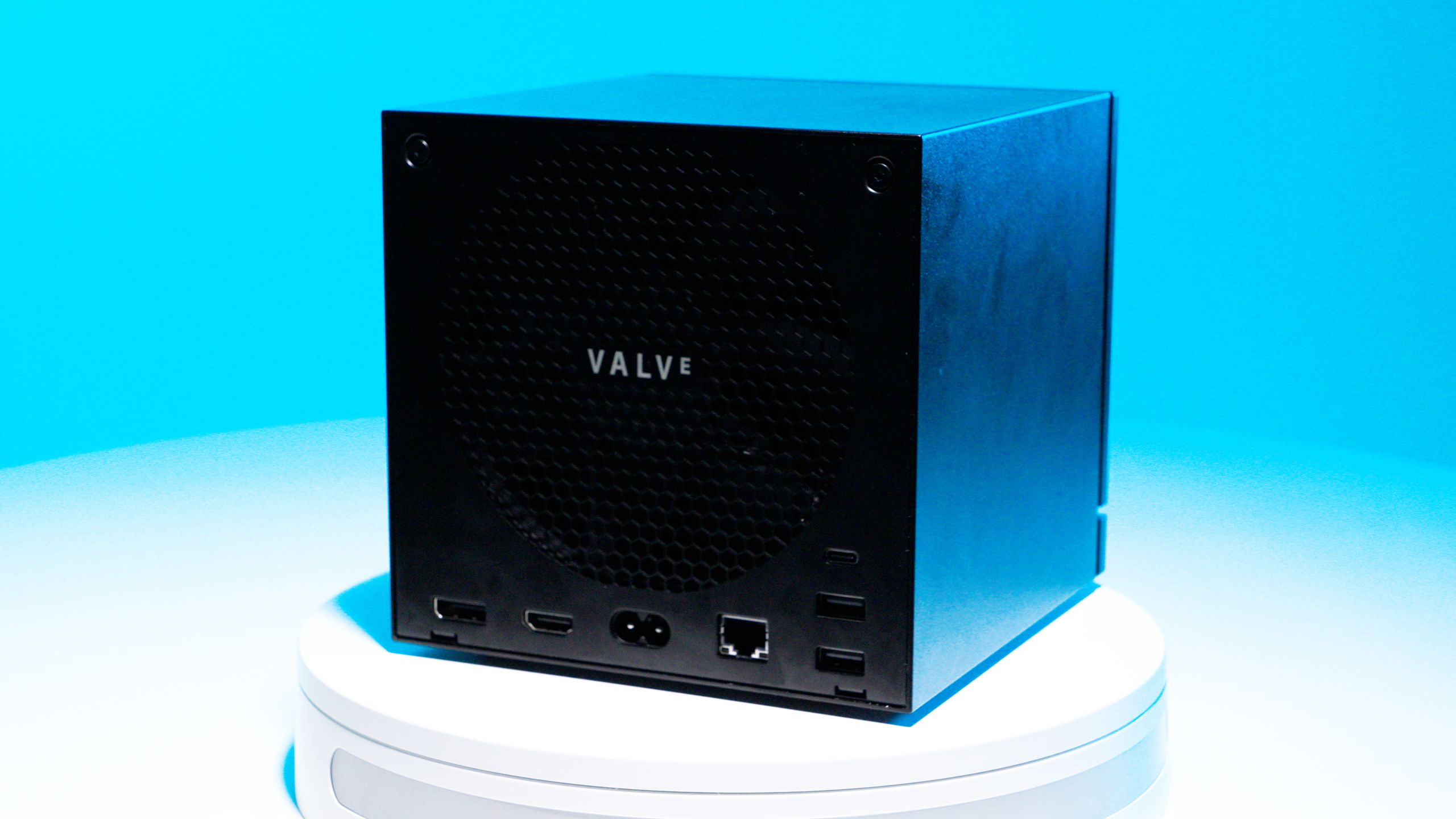
Valve has been uncharacteristically transparent regarding these struggles. In its recent communications, the company admitted that its original pricing strategy, formulated months ago, is no longer viable due to the inflationary pressure on these specific components. For a company that prides itself on delivering high value, the current market reality has forced a compromise between keeping the device affordable and keeping it available.
The "Big Fish" Problem
The hardware industry is currently experiencing a "precious commodity" crisis. As major OEMs like Dell, HP, and Lenovo command the lion’s share of memory and storage production capacity, smaller—albeit influential—players like Valve are finding themselves at the back of the line.
"We found we couldn’t source some of our components at all, at any price," Valve noted in its briefing. This lack of supply has effectively kneaded the launch into a "drawn-out affair," where the number of units available for the 2026 calendar year is significantly lower than initial projections.
Who Qualifies? Rules and Regional Distribution
To ensure fairness and prevent bulk purchasing, Valve has implemented strict household limitations. Each reservation is restricted to one unit per household. Valve’s internal systems will cross-reference payment data, shipping addresses, and account history to identify and disqualify duplicate entries or bot-farm attempts.
Regional Infrastructure
Valve is managing the rollout directly in four primary regions:
- North America
- United Kingdom
- European Union
- Australia
For markets in Japan, Taiwan, and Hong Kong, Valve has partnered with its long-standing distributor, Komodo. This regional delegation is intended to streamline logistics and ensure that local import regulations and shipping standards are met without creating further bottlenecks at Valve’s primary distribution hubs.
Implications for the PC Gaming Market
The transition to a lottery system signals a broader shift in how hardware manufacturers view the "Day One" experience. For years, the industry has suffered from the "scalper effect," where consumers are forced to pay double or triple the MSRP on third-party sites within minutes of a product launch. By turning the launch into a queue-based lottery, Valve is attempting to reclaim the narrative of the "fair launch."
The "DIY" Alternative
For those who are frustrated by the lottery system or the long wait times, Valve has provided a subtle, yet powerful, alternative: the software itself. With the release of SteamOS 3.8, Valve is effectively encouraging enthusiasts to build their own hardware.
By making the OS widely available, Valve is essentially saying that while the "Steam Machine" is the optimized, factory-built experience, the underlying Linux ecosystem is open for those who have the skills to assemble their own hardware. This strategy maintains the spirit of PC gaming—customization and control—even when the pre-built hardware is in short supply.
Expert Analysis: Is the Wait Worth It?
The decision to buy a Steam Machine now involves calculating the "frustration cost." Is the hardware unique enough to warrant waiting until 2027?

From a technical perspective, the Steam Machine represents the culmination of Valve’s multi-year investment in Linux gaming. The integration between the hardware, the SteamOS interface, and the vast catalog of "Deck Verified" titles creates a console-like experience that is currently unrivaled in the Windows space. However, the $1,049 entry price tag puts the device firmly in the premium category, competing directly with high-end gaming laptops and mid-range custom desktops.
The lottery system is a double-edged sword. It creates a sense of exclusivity and fairness, but it also creates a significant amount of anxiety for potential buyers. If you are selected, you have 72 hours to make a decision on a product that is, in many ways, an unproven evolution of the Steam Deck concept.
Conclusion: A New Era for Hardware Launches
As we look toward the June 29 kickoff, the gaming industry will be watching Valve closely. If the system works—if bots are successfully excluded and real gamers receive their units without the fear of scalpers—this could become the industry standard for high-demand hardware launches.
However, if the system leads to long, silent waiting periods and frustration among the loyal community, it may serve as a cautionary tale about the dangers of prioritizing supply chain management over customer satisfaction.
For now, the advice remains the same: ensure your account details are up to date, check your regional eligibility, and prepare for the possibility that you might be waiting until 2027 to get your hands on the latest piece of hardware from Gabe Newell’s team. In the world of modern hardware, patience is no longer just a virtue—it is a requirement.

