


As the DC Universe (DCU) undergoes a seismic creative reset under the stewardship of James Gunn and Peter Safran, anticipation for the next phase of "Chapter One: Gods and Monsters" is reaching a fever pitch. With the upcoming release of Supergirl, audiences are being introduced to a bold, interstellar iteration of Kara Zor-El, brought to life by House of the Dragon star Milly Alcock.
While the new DCU is designed to be accessible, the interconnectivity of this cinematic landscape invites questions regarding what "homework" is necessary to fully appreciate the scope of this new odyssey. Whether you are a die-hard DC devotee or a casual fan, here is your definitive guide to the upcoming film, the necessary viewing, and the implications of this new era.
The Main Facts: What We Know About the New Supergirl
Supergirl marks the second major live-action feature in the revamped DCU, following the foundational launch of Superman. Directed by Craig Gillespie, the film promises to pivot away from the traditional "hero in the city" narrative. Instead, it positions Kara Zor-El as a space-faring protagonist on a quest for justice.
Unlike previous iterations that focused on Kara’s adaptation to Earth-based life, this film sees her teaming up with the fan-favorite anti-hero Lobo—played by Jason Momoa—for an expansive, cosmic adventure. The film seeks to explore the trauma of losing Krypton and the distinct moral compass that separates Kara from her cousin, Kal-El. With a release date slated for June 26 in the United States and June 25 in the United Kingdom, Supergirl is poised to redefine the character’s legacy for a modern audience.
Chronology and Continuity: Is There Homework?
The primary concern for modern audiences entering a shared universe is the "barrier to entry." Under the previous DCEU regime, continuity was often sprawling and fragmented. However, James Gunn has been clear: the slate has been wiped clean.
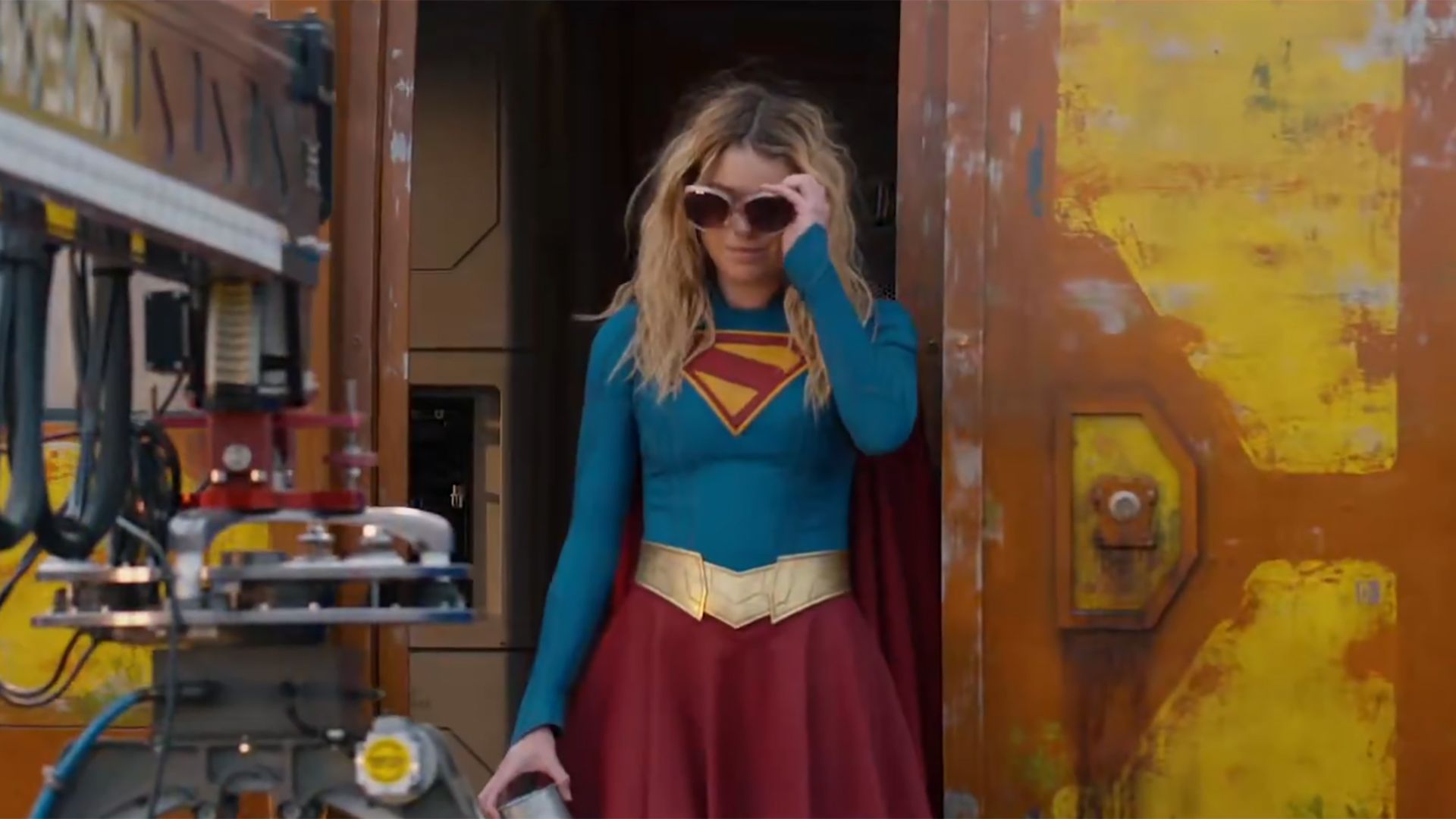
The Essential Watch: Superman
If there is one title that serves as a prerequisite, it is Superman. While Supergirl is designed to function as a standalone solo debut, Superman provides the crucial context for the dynamic between the two remaining survivors of Krypton.
The film serves two vital purposes:
- Character Foundation: It establishes the baseline for the DCU’s Man of Steel (David Corenswet) and introduces the audience to the version of Kara that audiences first glimpsed in a post-credits tease or cameo capacity.
- The Krypto Factor: The film provides an essential introduction to Krypto the Superdog. The upcoming Supergirl narrative leans heavily into the relationship between the hero and her canine companion. Seeing how they are united—and the chaotic, endearing nature of their bond—will pay dividends when viewing Supergirl.
Supporting Data: Exploring the Evolution of Kara Zor-El
To understand why this version of Supergirl feels so different, it is helpful to look at the history of the character on screen. While the new DCU is a total reboot, the lineage of the character informs the expectations of the fandom.
The 1984 Supergirl
Starring Helen Slater, the original 1984 film remains a cult classic. While it shares no narrative DNA with the current DCU, it serves as a historical benchmark for how the character has been portrayed in a solo, theatrical capacity.
The "Arrowverse" Legacy (2015–2021)
For six seasons, Melissa Benoist defined the character for a generation of television viewers. The CBS/CW series explored Kara as a refugee finding her purpose in National City. The primary distinction between the television series and the upcoming film lies in the setting. Where the television series was grounded in terrestrial threats and interpersonal workplace dynamics, the new DCU film is set primarily in the vacuum of space, focusing on Kara’s vengeance and her struggle to reconcile her past with her future.
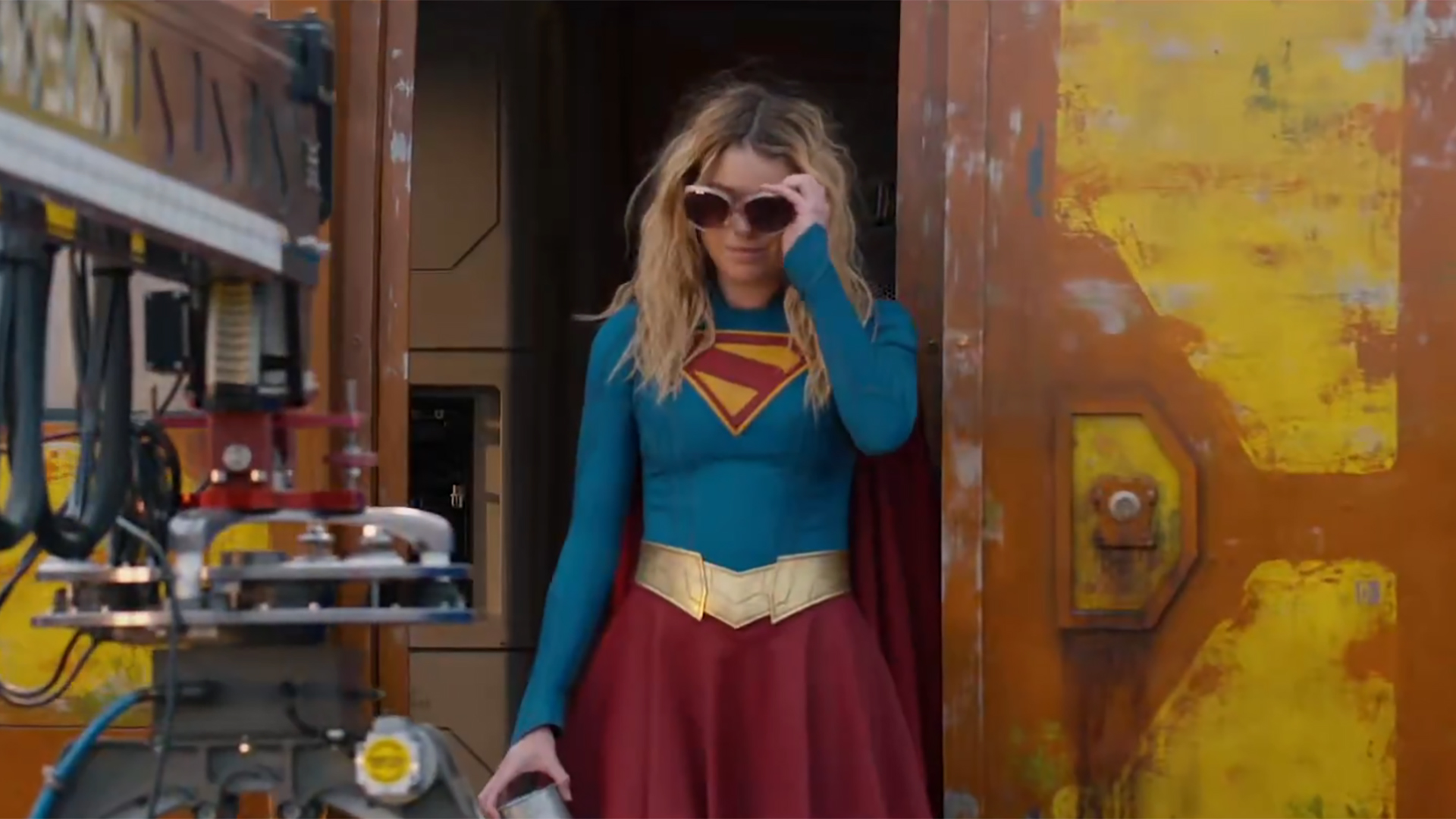
The Sasha Calle Transition
The 2023 film The Flash featured Sasha Calle as a gritty, captive version of Supergirl. Though there was initial speculation that this version of the character would lead to a solo project, that iteration was eventually shelved in favor of the new DCU vision. Writer Ana Nogueira, who was involved in the development of both the DCEU script and the current DCU project, has confirmed that the two projects share no continuity. The upcoming film is, for all intents and purposes, a fresh start.
Official Responses and Creative Vision
The creative team behind the new DCU has been transparent about the philosophy driving this transition. James Gunn has emphasized that the "Gods and Monsters" phase is about character-driven storytelling that rewards audiences who invest in the overarching narrative, without requiring them to watch years of disparate television shows or failed franchise attempts.
Regarding the tone of Supergirl, early reports suggest a darker, more philosophical approach. The choice to pair the hero with Lobo—a character known for his cynical humor and violent tendencies—indicates that the film will challenge Kara’s morality. Gunn’s team has made it clear that while Superman is the heart of this new universe, Supergirl is intended to be the edge, providing a stark contrast to the optimism of her cousin.
Implications for the Future of the DCU
The introduction of Supergirl carries significant implications for the future of the DCU:
- Expanding the Cosmic Scope: By moving the narrative to space, the DCU is signaling that it intends to explore the galactic corners of the DC mythos early on. This opens the door for other cosmic characters, such as the Green Lantern Corps or the New Gods, to integrate into the narrative flow more naturally.
- Redefining the "Sidekick" Trope: By ensuring Kara’s journey is independent of Superman’s, the studio is actively dismantling the trope of the female sidekick. Her journey is not to assist the Man of Steel, but to navigate her own trauma and identity as a survivor of a dead world.
- The Stability of the "Chapter One" Roadmap: The success of Supergirl will be a litmus test for the DCU’s "reset" strategy. If audiences embrace a new version of a classic character so soon after previous iterations, it validates the studio’s decision to move past the baggage of the DCEU.
Final Thoughts: What to Expect
As we approach the late June release, fans should prepare for a film that balances the emotional weight of a displaced hero with the high-octane action of an interstellar buddy-cop dynamic.

While you do not need to memorize every comic book issue or watch every previous film incarnation to understand the plot, setting aside time to view Superman will undoubtedly enhance your experience. It provides the emotional tether—the relationship between the two Kryptonians—that will likely serve as the heartbeat of the new franchise.
As the DCU prepares to take flight, the focus remains clear: the goal is not to preserve the past, but to build a cohesive, compelling, and bold future for the most iconic heroes in fiction. Whether you are coming for the action, the character development, or the potential for a sprawling cinematic universe, Supergirl stands as the next essential pillar in this ambitious new project.

