

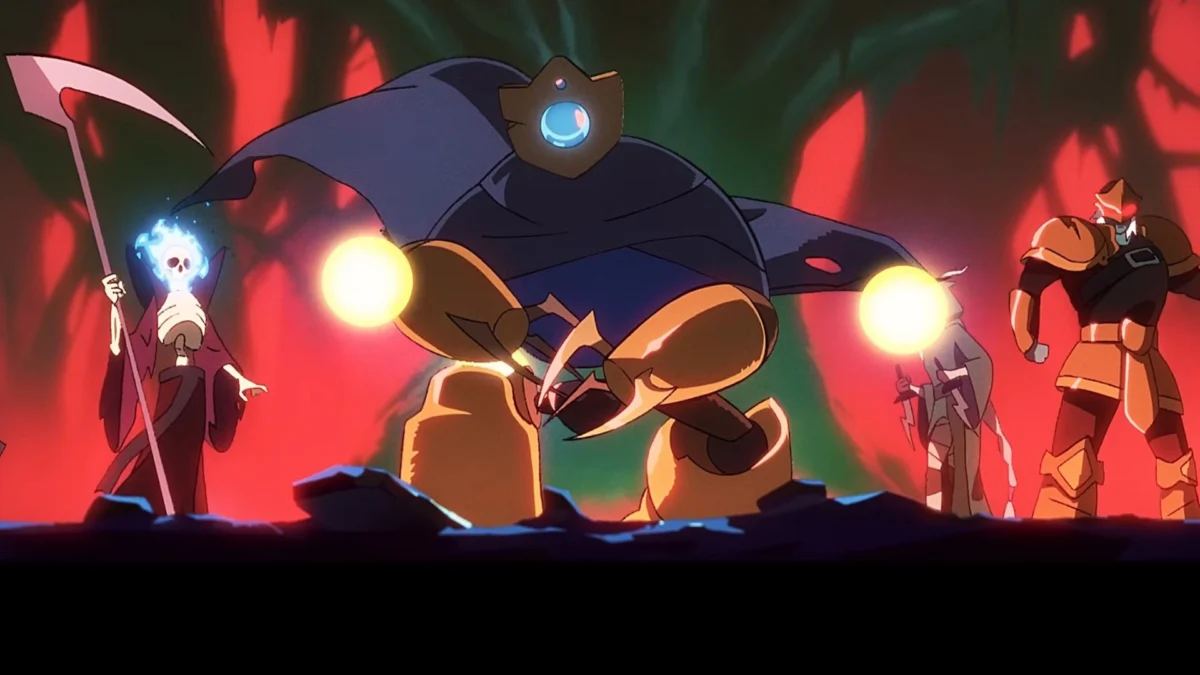
The landscape of the roguelike deckbuilder was irrevocably altered in 2017 when Mega Crit released Slay the Spire. It was a masterclass in synergy, risk-reward mechanics, and minimalist storytelling. Now, as the gaming world turns its eyes toward the highly anticipated sequel, Slay the Spire 2, the developers are peeling back the curtain on the creative process that fuels their "funky critters" and "threatening beasts."
In a comprehensive recent update and newsletter, Mega Crit co-founder and lead developer Casey Yano addressed the community, providing a rare glimpse into the eclectic mix of media that informs the game’s design. From the high-octane hero-shooting of Valve’s Deadlock to the ethereal majesty of Studio Ghibli’s Princess Mononoke, the DNA of Slay the Spire 2 is as diverse as the decks players build.
Main Facts: A New Chapter in the Spire’s Evolution
The latest communications from Mega Crit have solidified several key points regarding the current state and future trajectory of Slay the Spire 2. Primarily, the developer has been transparent about the "hit-and-miss" nature of Early Access development, particularly regarding boss design and player frustration.
One of the most significant revelations involves the "Doormaker," a boss that became a flashpoint for community debate. Following a wave of negative feedback on Steam, the developers took the "nuclear option," removing the boss entirely and replacing it with the "Aeonglass" boss. This move underscores a design philosophy that prioritizes player agency and the core fun of deckbuilding over rigid complexity.
Furthermore, the newsletter served as a "Frequently Asked Questions" session, clarifying pronunciations—such as the correct way to say "Nonupeipe" (No-nu-pay-peh)—and debunking fan theories regarding literary references. Perhaps most importantly for the game’s longevity, Mega Crit has officially enabled Steam Workshop support, signaling that the game’s modding infrastructure has finally reached a level of "maturity" the developers are comfortable advertising.
Chronology: From 2021 Concepts to Early Access Reality
The development of Slay the Spire 2 has been a multi-year journey, far predating its public debut. According to Yano, the "Ceremonial Beast"—one of the sequel’s standout encounters—was actually the first boss designed for the game, with its origins tracing back to 2021.
The timeline of the game’s recent public updates reveals a rapid cycle of iteration:
- 2021: Initial design phase begins; the Ceremonial Beast is conceptualized as a "solemn and grotesque" entity inspired by the Forest Spirit of Princess Mononoke.
- Early Access Launch: Slay the Spire 2 enters the hands of the public, introducing new mechanics and a revamped engine.
- The "Doormaker" Crisis: Shortly after a major update, players began to voice intense dissatisfaction with the Doormaker boss. The boss was criticized for being "over the complexity threshold," effectively preventing players from executing the very deckbuilding strategies the game is known for.
- The RNG Correction: Simultaneously, a dedicated player’s "eight-hour descent into madness" proved that the game’s random number generation (RNG) was, in fact, malfunctioning, leading to a swift patch to normalize card and encounter distributions.
- Late 2024: The latest newsletter confirms the removal of the Doormaker, the introduction of Aeonglass, and the formal rollout of Steam Workshop compatibility.
Supporting Data: Balancing the "Complexity Threshold"
The decision to delete the Doormaker was not made lightly, but it was supported by a significant dip in player sentiment. During the height of the Doormaker’s presence, the game’s lifetime Steam reviews plummeted to 66% positive—a staggering drop for a franchise that typically enjoys "Overwhelmingly Positive" status.
The issue, as described by the developers, was a breach of the "complexity threshold." In a deckbuilder, the player’s primary source of joy is the "solve"—finding the right combination of cards to overcome an obstacle. When a boss encounter becomes so complex or restrictive that it nullifies the player’s deck choices, it ceases to be a challenge and becomes a chore.
The data from the "unusual RNG" incident also provided a fascinating look at the technical hurdles of Early Access. After one player documented hours of anomalous results, Mega Crit’s investigation confirmed that certain seed generation parameters were producing skewed outcomes. This fix, combined with the boss overhaul, has seen a steady recovery in community sentiment as the game returns to its balanced roots.
Official Responses: Direct Insights from Casey Yano
In his newsletter, Casey Yano addressed several fan theories with refreshing candor. One of the most persistent theories was that the Doormaker was a reference to the popular web serial Worm. Yano clarified that the inspiration was much more contemporary.
"Doormaker isn’t a Worm reference, I was playing too much Deadlock," Yano wrote. Deadlock, Valve’s unreleased but widely tested hero shooter, features a character known as "The Doorman" (or similar portal-based mechanics), which apparently seeped into Yano’s subconscious during the design phase.
Regarding the Ceremonial Beast, Yano confirmed the Studio Ghibli influence while acknowledging the creature’s evolution. "The original was based on the Forest Spirit from Princess Mononoke," he noted, referring to the massive, multi-antlered deity from Hayao Miyazaki’s masterpiece. He credited artist Marlowe with updating the creature to be "more regal and spirity" and less "grotesque," though he admitted he can see why players might also find similarities to the bosses in the survival game Valheim. "I’m a big fan of Valheim actually!" Yano added, highlighting the "cross-pollination" of ideas that occurs when developers are also avid gamers.
Yano also addressed the frequency of updates, a topic of much discussion among the fanbase. While the first Slay the Spire saw weekly updates, the sequel has moved to a bi-weekly or monthly cadence. Yano explained that the weekly grind "really sucked" and was unsustainable for the team’s long-term health and the quality of the game.
Implications: The Future of the Spire and the Power of Modding
The formal introduction of Steam Workshop support is perhaps the most significant long-term development for Slay the Spire 2. The original game owes much of its enduring popularity to a vibrant modding community that created everything from new characters (like the popular "Googly Eyes" mod or the "Downfall" expansion) to entirely new game modes.
By waiting until the modding tools were "mature," Mega Crit is ensuring that the foundation of the sequel is stable enough to support years of community-created content. This suggests that Slay the Spire 2 is being built not just as a standalone experience, but as a platform for the genre.
The removal of the Doormaker also sets a precedent for Mega Crit’s "Nuclear Option" approach to feedback. It demonstrates a developer that is not precious about its creations; if a feature—even a major boss—is detrimental to the player experience, it is on the chopping block. This level of responsiveness is rare in the industry and builds a high level of trust between the studio and its audience.
As Slay the Spire 2 continues its journey through Early Access, it is clear that the game is a melting pot of cultural influences. Whether it is the haunting beauty of a Ghibli forest or the frantic tactical play of a Valve shooter, these disparate elements are being forged into something uniquely "Mega Crit." The Spire is changing, growing, and occasionally shedding its skin, but its heart remains a commitment to the perfect, synergistic deck.
With the RNG issues resolved, the "complexity threshold" recalibrated, and the doors to the Steam Workshop now wide open, Slay the Spire 2 is positioned to reclaim its throne at the apex of the roguelike genre. Players can now climb the tower knowing that while the beasts they face may be inspired by the nightmares and dreams of other worlds, the climb itself is being carefully curated by a team that knows exactly when to open a door—and when to tear it down.

