

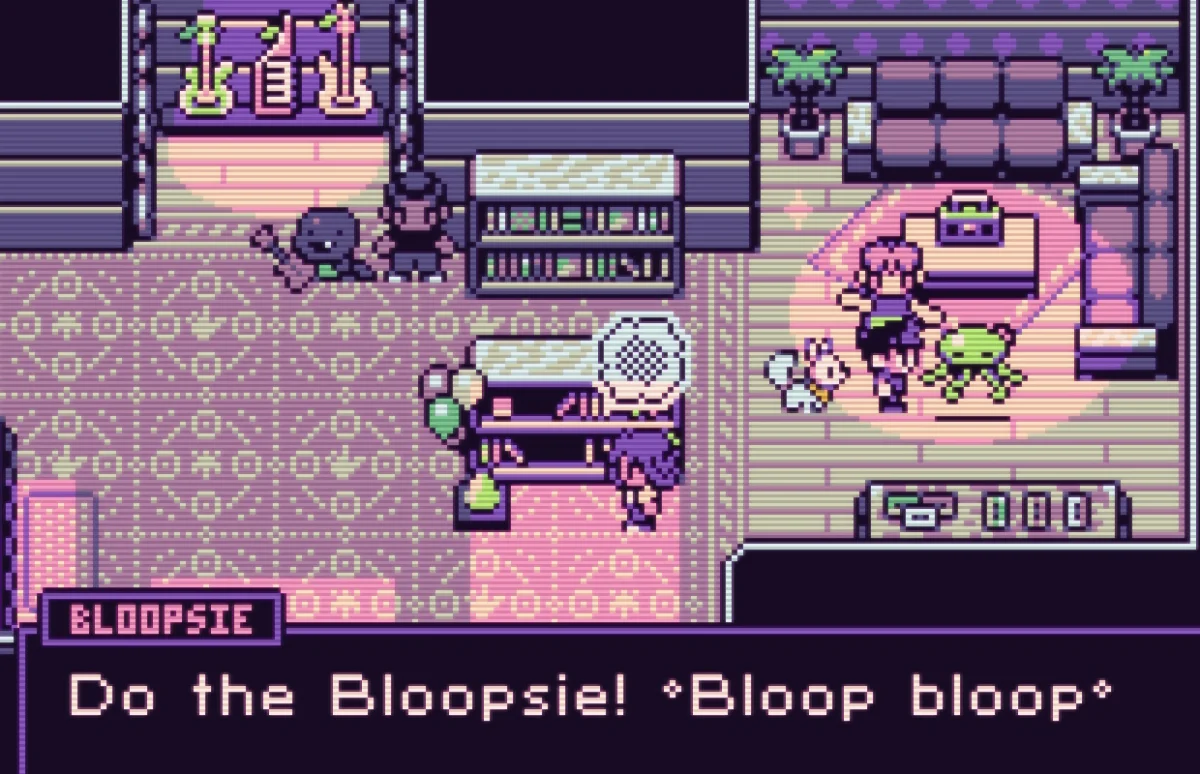
In the bustling landscape of indie gaming, where the aesthetic of the 90s handheld era has become a crowded genre, Petal Runner stands out as a beacon of "solarpunk" optimism. Developed by the artistically driven BJGpixel, the title promises a low-stakes, cozy adventure that trades the competitive fervor of monster-battling RPGs for the heartfelt delivery of companions to new homes. However, after two consecutive years of hands-on sessions at Summer Game Fest Play Days, the game finds itself at a curious crossroads: while its visual fidelity and atmosphere have evolved into something truly special, its narrative voice remains a point of contention that may alienate players seeking a more grounded experience.
The Core Concept: A Departure from Tradition
At a surface level, Petal Runner wears its influences on its sleeve. Players step into the role of Cali, a protagonist who traverses sprawling, pixel-art suburban neighborhoods and vibrant, neon-drenched cityscapes. Accompanied by Kira, a fox-like HanaPet, the game immediately evokes the golden age of creature-collecting titles. However, the similarities end there. Unlike the combat-centric pillars of Pokémon or the evolution-heavy growth of Digimon, Petal Runner is entirely non-violent.
The HanaPets are not soldiers; they are companions. Housed in a Tamagotchi-inspired device known as a "Leash," these creatures are sentient, expressive, and conversational. The primary objective is not to defeat rivals in battle, but to navigate the logistical and emotional challenges of delivering these creatures to families who need them. It is a game about connection, logistics, and the quiet beauty of a world that prioritizes care over conflict.
Chronology: Two Years of Iterative Development
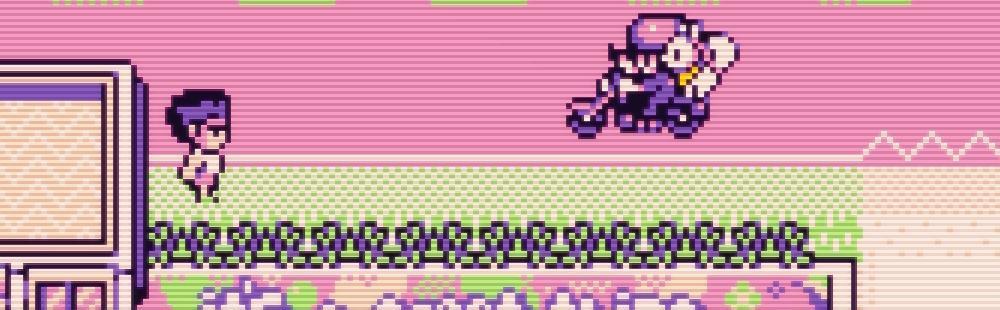
To understand Petal Runner, one must look at its trajectory over the last twenty-four months. During the 2024 iteration of Summer Game Fest Play Days, the game was a standout curiosity. Critics and attendees were drawn to its distinctive color palette—a soothing, retro-leaning aesthetic that felt like a love letter to the Game Boy Color era. The soundtrack, characterized by lo-fi, melodic chiptunes, cemented the game’s reputation as a "vibe-first" experience.
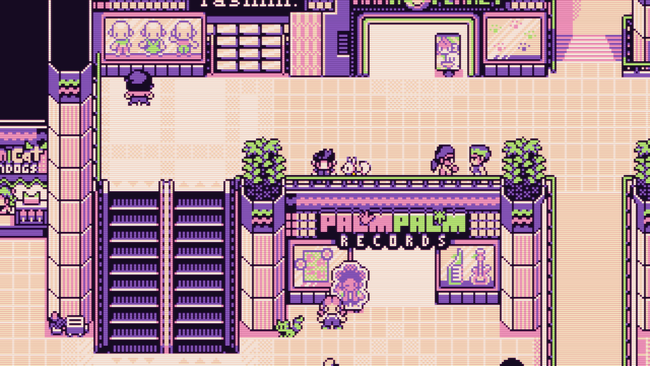
This year, the development team returned with a significantly expanded demo. Guided by studio founder Brandon James "BJGpixel" Greer, I had the opportunity to explore a late-game urban environment that had never been seen by the public. This progression revealed a title that has successfully iterated on its foundational mechanics. The delivery micro-games, which serve as the primary gameplay loop during a hand-off, have received a significant facelift. They are more intuitive, visually distinct, and varied than the initial prototypes, suggesting that the team is listening closely to feedback regarding pacing and clarity.
Supporting Data: Visuals and World-Building
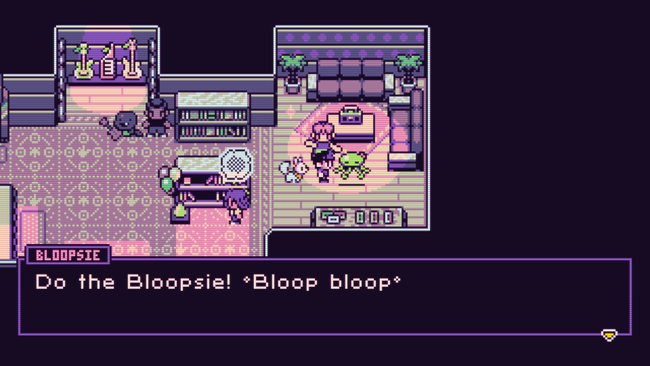
The technical maturation of Petal Runner is evident in its environmental design. The new city location showcased in the demo was a masterclass in density and verticality, all rendered within a strict pixel-art constraint that remains readable and charming.
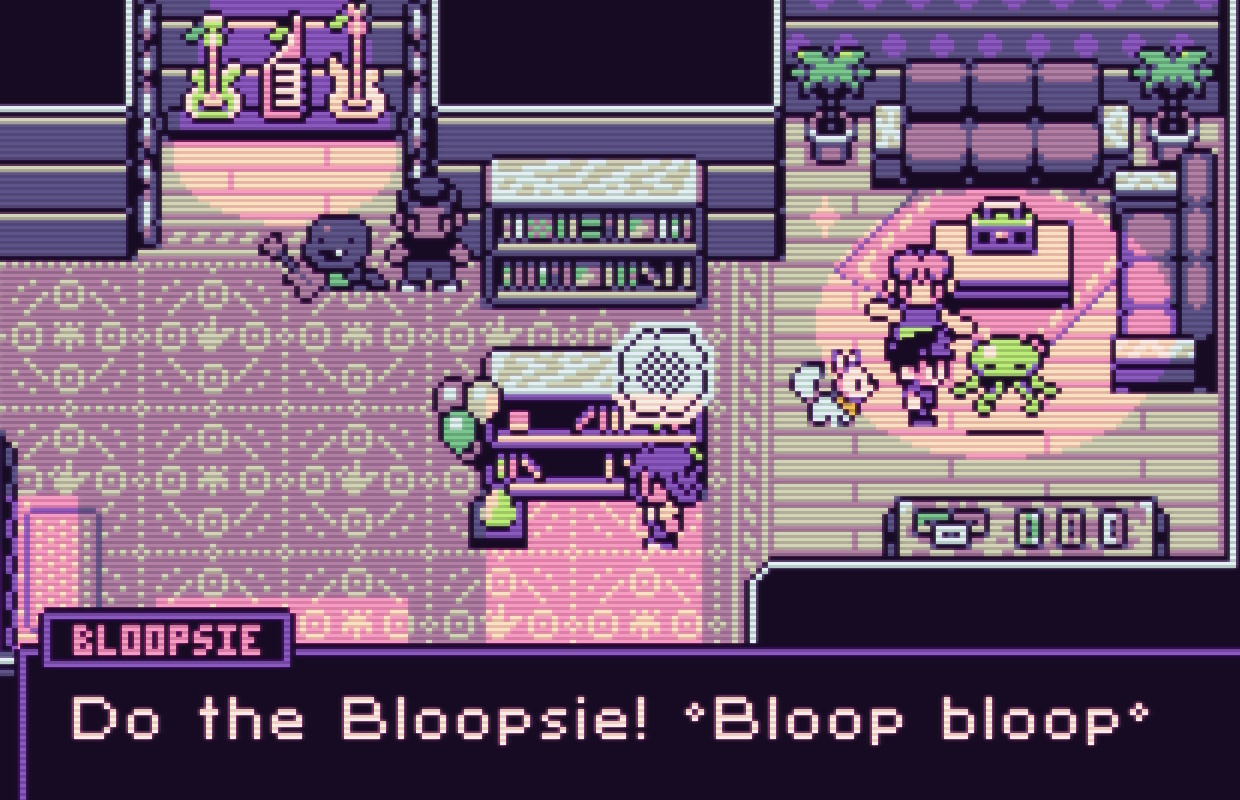
One particular highlight of the current build is a high-energy dance sequence set on a stage packed with NPCs. The sheer amount of movement and the clever use of sprite-based animation to mimic a crowd showcased a level of polish that few indie projects reach before their final year of development. The "cozy" goal stated by BJGpixel is not merely a marketing buzzword; it is baked into the UI, the lighting, and the way the world reacts to the player. The game feels like a warm, digital hug—a sentiment that continues to draw interest from fans of the "slice-of-life" genre.
Official Perspectives: The Creator’s Vision
During our time with the demo, BJGpixel remained adamant about the project’s identity. When asked about the lack of traditional combat or high-stakes narrative beats, he was clear: "We’re definitely going for the cozy vibes."
This commitment is reflected in the game’s design philosophy. By stripping away the need for HP bars, status effects, and elemental advantages, the studio has created a vacuum where the personality of the characters must carry the weight of the experience. It is a bold move, but it places a heavy burden on the script. If the game does not feature combat, it must feature a compelling reason for the player to continue their journey—a task usually handled by the dialogue.
The Narrative Hurdle: The "Cringe" Factor
Despite the improvements in gameplay and visual presentation, a significant concern persists: the writing. After two years of engagement with the demo, the dialogue remains the game’s most polarizing element. While it is unfair to judge an entire script based on a slice, the banter between characters feels, at times, more "corny" than charming.
In a specific sequence during the demo, a character insisted on using the phrase "lickety-split." When another character responded with a quip about not wanting to "lick anything," the joke fell flat. The true issue was not the joke itself, but the fact that the script circled back to the same groan-worthy quip moments later. This reliance on repetitive, low-effort humor creates a disconnect between the high-quality world-building and the character interactions.
For a game that aims to be a relaxing, long-term experience, this tonal dissonance is problematic. If the player feels a sense of "second-hand embarrassment" during short demo sessions, the risk of "dialogue fatigue" over a 20-hour campaign is high. The humor often feels forced, lacking the witty, observational charm that defines the best slice-of-life media.
Implications: A Future Still Bright
As Petal Runner approaches its 2026 release date on Steam, the team has time to refine these rough edges. The core pillars—the aesthetic, the music, and the innovative non-combat gameplay—are already solid. The game occupies a unique niche that will undoubtedly find an audience among those who adore the aesthetic of the 90s and the gameplay loop of modern cozy simulators.
However, the success of Petal Runner will hinge on whether the developers can elevate the dialogue to match the quality of the art. The "corny" nature of the banter is currently the only major obstacle preventing the game from becoming a must-play title for the indie community.
In conclusion, Petal Runner is an ambitious, beautiful, and deeply nostalgic project that understands exactly what it wants to be. It is a love letter to a bygone era of gaming, updated for a modern audience that craves tranquility. If the writing can pivot from being merely "quippy" to being genuinely character-driven, Petal Runner has every potential to become a defining title in the cozy gaming space. Until then, it remains a beautiful, albeit occasionally awkward, journey that is well worth watching as it nears completion.

