

While The Witcher 3: Wild Hunt stands as a monumental achievement in open-world game design—often cited as one of the greatest interactive experiences ever created—a growing sentiment among the core fanbase and industry analysts suggests that its successor, The Witcher 4, needs to evolve beyond its predecessor’s formula. Specifically, there is an urgent call for a return to the granular, high-stakes narrative branching that defined the series’ earlier entries.
As we look toward the future of the franchise, the central challenge for CD Projekt Red (CDPR) is to balance the sheer, sprawling scale of a modern open-world RPG with the profound, world-altering consequences that made The Witcher 2: Assassins of Kings a masterclass in player agency.
The Evolution of Choice: From Linear Complexity to Open-World Dilution
To understand the trajectory of the series, one must examine the fundamental shift in philosophy between the second and third installments. The Witcher 2 was a tighter, more focused experience. Built with a fraction of the budget of its successor—reportedly $10 million compared to the $80 million-plus rumored for Wild Hunt—it prioritized depth over breadth.
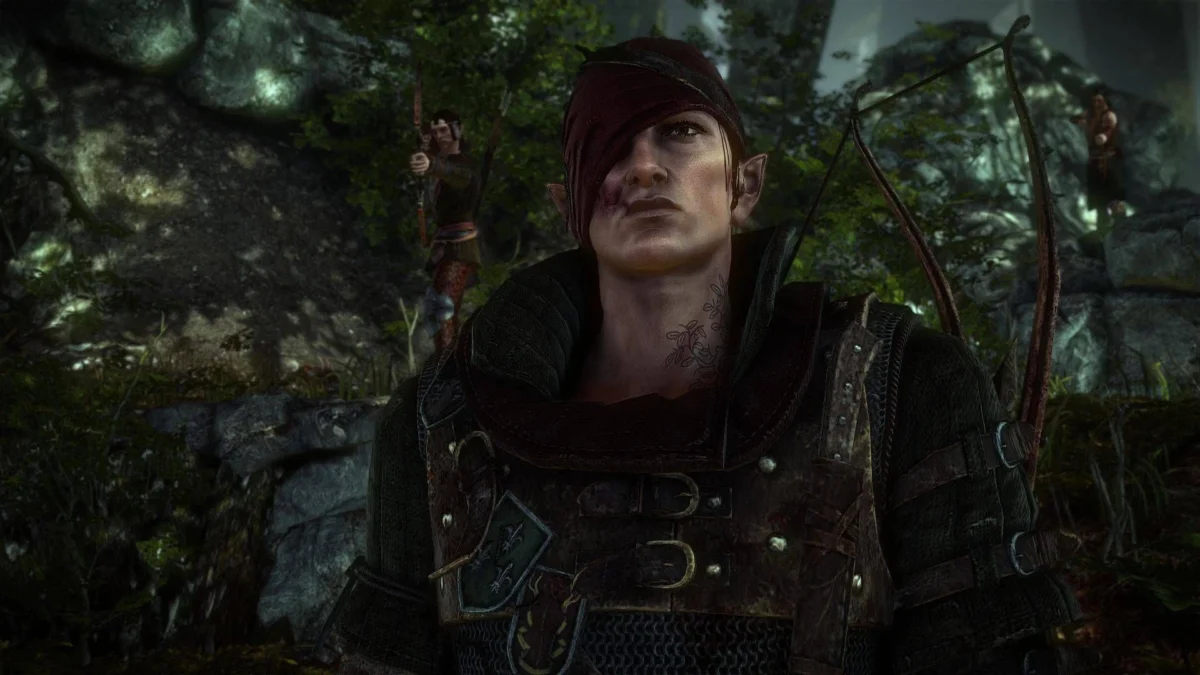
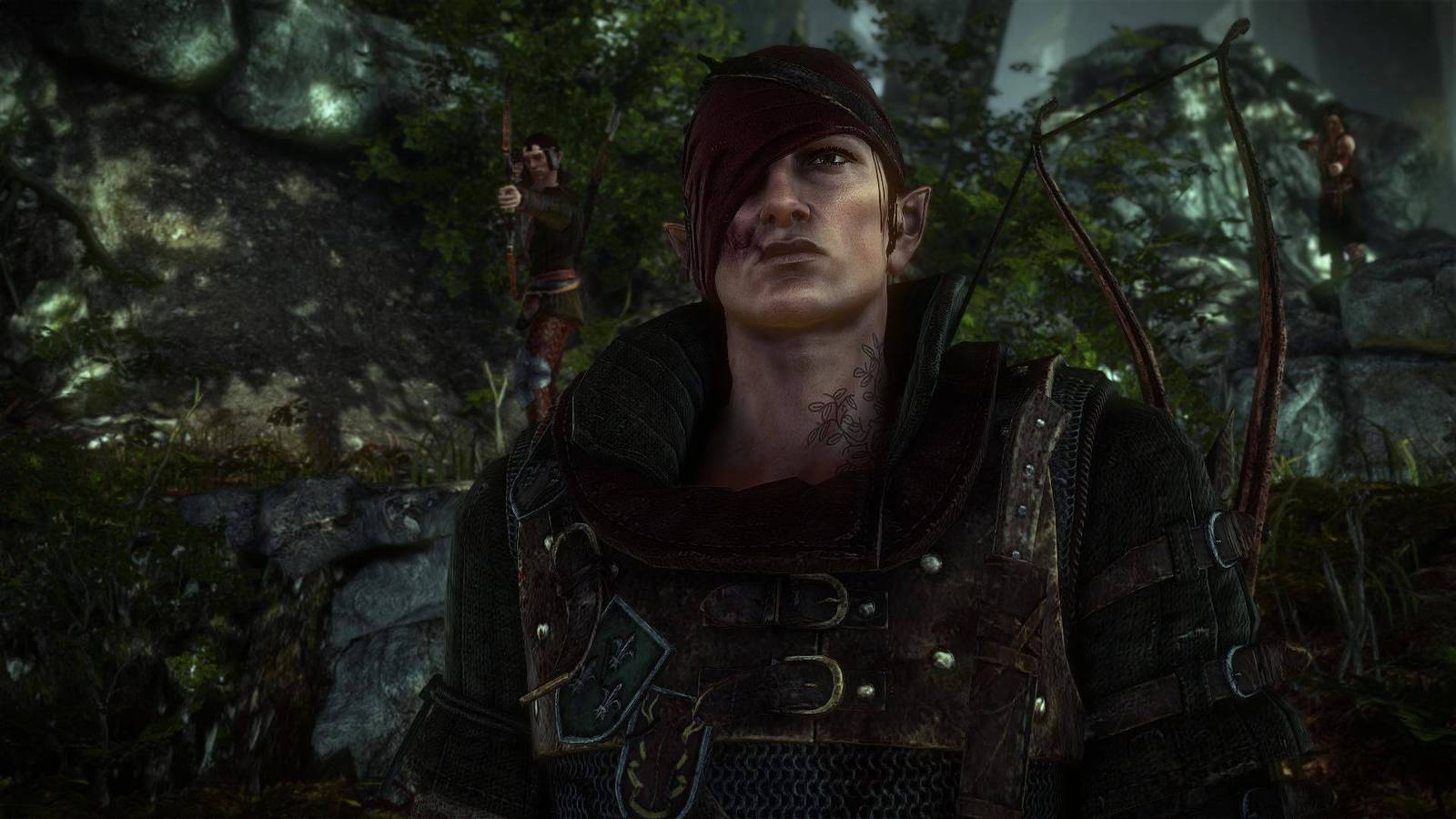
In The Witcher 2, a single decision made in the first act could entirely dictate the geography and political landscape of the subsequent chapters. Choosing between the elven rebel Iorveth and the human partisan Vernon Roche was not merely a superficial dialogue choice; it was a fork in the road that determined which entire regions the player would explore and which secondary characters would survive to see the finale. This binary structure forced players to engage with the world’s politics rather than just observing them.
Conversely, The Witcher 3 utilized a wider, more horizontal approach to storytelling. While the game excelled in character-driven quests—such as the tragic arc of the Bloody Baron or the romantic entanglements with Yennefer and Triss—these choices often felt contained. They shaped the personal journey of Geralt of Rivia, but they rarely shifted the geopolitical tide of the Northern Realms in a way that felt immediate or transformative to the player’s traversal of the world.
Chronology of Consequence: A Series in Flux
The history of CD Projekt Red’s narrative design can be viewed through a three-act structure:
- The Witcher (2007): The foundation. A game that experimented with the "lesser evil" morality that would become the series’ hallmark, though constrained by a clunky engine and limited resources.
- The Witcher 2: Assassins of Kings (2011): The peak of branching narratives. By segmenting the game into distinct chapters with mutually exclusive paths, CDPR proved that a game could be both a cinematic, story-driven experience and a complex RPG where choices had undeniable, lasting consequences.
- The Witcher 3: Wild Hunt (2015): The triumph of the open world. CDPR mastered the art of the "lived-in" world, making the experience of exploration unrivaled. However, the sheer size necessitated a dilution of consequence, as the game could no longer lock entire regions behind player choice without wasting massive amounts of development assets.
The "Baldur’s Gate 3" Benchmark
The conversation around RPG design changed permanently with the release of Baldur’s Gate 3. Larian Studios demonstrated that it is possible to provide a vast, expansive world while maintaining the kind of reactive, consequence-heavy storytelling that The Witcher 2 championed.
In Baldur’s Gate 3, player agency is the primary engine of the game. A decision made in the opening hours can ripple outward, closing off certain quests while opening others, and fundamentally altering the relationship between the player and the world’s factions. It succeeds because it treats every player’s journey as a unique narrative document.

For The Witcher 4, the lesson is clear: players are no longer satisfied with "pseudo-consequences"—choices that provide a different cutscene but ultimately lead to the same destination. The modern player craves agency that feels tangible. They want to see the world physically change, trade routes shift, or entire towns burn based on their specific intervention.
Supporting Data: The Economics of Narrative Design
The transition from The Witcher 2 to The Witcher 3 highlights a difficult truth in game development: scale often comes at the expense of complexity. When a developer spends $80 million on an open world, they need the player to see every asset they have created. This creates a "content trap" where developers are hesitant to lock off large swaths of the map behind player choices because doing so would effectively mean "deleting" hours of work for a large percentage of the player base.
However, the industry is seeing a shift. Modular design and better AI-driven narrative tools are allowing developers to create reactive environments without needing to build entirely separate physical maps. The Witcher 4 represents the perfect opportunity for CDPR to use these new technological efficiencies to blend the massive, seamless world of The Witcher 3 with the intense, choice-driven reactivity of The Witcher 2.
Official Perspectives and Studio Strategy
While CD Projekt Red has been tight-lipped regarding the specific mechanics of the upcoming sequel, the studio’s trajectory since the release of Cyberpunk 2077 suggests a shift in priorities. The redemption arc of Cyberpunk 2077, culminating in the Phantom Liberty expansion, demonstrated a renewed focus on deep, personal, and highly consequential quest design.
In recent developer roundtables, CDPR representatives have hinted that they are looking to leverage the "Polaris" project (the internal codename for the new Witcher title) to redefine what an open-world RPG can be. There is an unspoken acknowledgment within the studio that the "Wild Hunt" formula is the ceiling for one style of game, and to move forward, they must incorporate the lessons learned from the broader RPG landscape.
Implications for the Future of the Franchise
If The Witcher 4 successfully integrates high-stakes decision-making into an expansive, open world, the implications for the genre are profound:
- Replayability: By creating meaningful branches, the game would extend its lifecycle, encouraging multiple playthroughs without the need for filler content.
- Narrative Ownership: Players will feel more like they are writing the story of the Continent, rather than simply following a set path to a predetermined conclusion.
- Political Realism: The Witcher world is defined by its cynicism and the harsh reality of war. If the game’s mechanics reflect this through volatile, high-stakes consequences, it will finally bridge the gap between the source material’s dark, gritty tone and the gameplay experience.
As we look toward the horizon—and perhaps find clues in the upcoming Songs of the Past DLC for The Witcher 3—it is evident that the future of the series rests on the shoulders of its choices. The technology exists, the narrative ambition is there, and the audience is hungry for a game that doesn’t just let them explore the world, but lets them irrevocably change it.
The Witcher series has always been about the burden of choice. It is time for the fourth installment to ensure that those choices finally carry the weight they deserve.

