

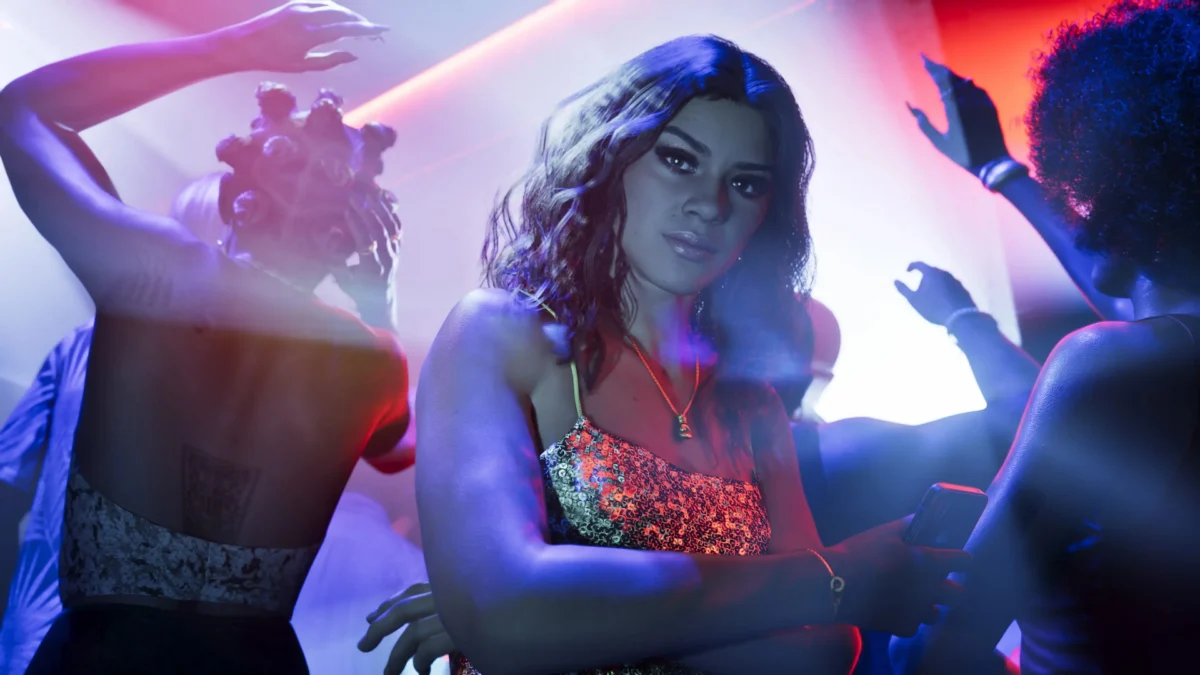
The gaming industry has long operated on the principle of "avoidance" when it comes to Rockstar Games. When a title of the magnitude of Grand Theft Auto is slated for release, rival publishers scurry to clear their schedules, pushing their own marquee projects into different quarters to avoid being cannibalized by the sheer gravitational pull of Rockstar’s marketing machine. However, as we approach the November 2026 launch of Grand Theft Auto 6, the phenomenon has transcended the gaming sector.
In an unprecedented development, the "GTA 6 effect" has breached the walls of traditional industries, with private companies now formally announcing operational pauses to accommodate the release. The automotive performance firm Burger Motorsports has become the latest, and perhaps most notable, entity to officially declare a "company-wide holiday" to allow its staff to immerse themselves in the streets of Vice City.
The Anatomy of an Unprecedented Corporate Pause
The announcement from Burger Motorsports, delivered via an Instagram post, has sent waves through social media, serving as a humorous but telling barometer of just how deeply anticipated Grand Theft Auto 6 has become.
"Burger Motorsports will be observing a temporary company-wide operational pause on Thursday, November 19, 2026," the official statement reads. The justification provided by management is perhaps the most refreshing aspect of the entire situation: "After reviewing multiple employee scheduling conflicts, management has determined that normal business operations may be impacted due to the release of Grand Theft Auto 6. Several team members have already notified management that they will be unavailable, unreachable, and/or ‘in Vice City’ for the duration of the day."
This is not a mere "sick day" or a quiet absence; it is a formal recognition that the cultural gravity of the game outweighs the immediate productivity of the business. By validating their employees’ desire to participate in what is widely considered a generational media event, the company has successfully transformed a potential absenteeism issue into a massive public relations win.
A Chronology of Anticipation: A Decade in the Making
To understand why a company would halt operations for a video game, one must look at the timeline of the franchise. It has been over a decade since the release of Grand Theft Auto V in 2013. In that time, the landscape of gaming has shifted from a niche hobby to a primary pillar of global entertainment.
- 2013–2018: GTA V shatters all existing entertainment records, becoming the most profitable media product in history.
- 2019–2022: The "content drought" begins. Rumors, leaks, and intense speculation dominate the discourse. Rockstar Games maintains a near-total silence, which only serves to heighten public fervor.
- December 2023: The official trailer drops, confirming the setting of a modernized Vice City and the dual-protagonist structure featuring Lucia and Jason. The trailer amasses hundreds of millions of views in mere days, cementing the game’s status as a global cultural touchstone.
- 2024–2025: Investment firms and market analysts begin adjusting their fiscal year projections based on the expected release window.
- November 2026: The official launch window. The "GTA 6 Holiday" becomes a reality for businesses like Burger Motorsports.
Supporting Data: The Economic Weight of Rockstar Games
The impact of GTA 6 is not just anecdotal; it is backed by cold, hard financial projections. Investment analysts have been working overtime to calculate the sheer scale of the release. Some banks have theorized that the title could move as many as 46 million copies at launch, a feat that would dwarf the opening numbers of almost any other entertainment product in history, including blockbuster films like Avengers: Endgame or Avatar.
This economic impact is driven by a "feral" community—a demographic of players who have matured alongside the series. The average GTA player is no longer a child; they are working professionals, homeowners, and parents. When this demographic decides to take a day off, it represents a significant, albeit temporary, dip in national productivity.
Furthermore, the "cultural event" status is bolstered by the integration of social media. GTA is no longer just a game; it is a platform for content creation, live streaming, and social interaction. For many, the release is a communal experience. The "cost" of the business closure is, in the eyes of management at places like Burger Motorsports, a small price to pay for employee morale and the recognition of a legitimate cultural milestone.
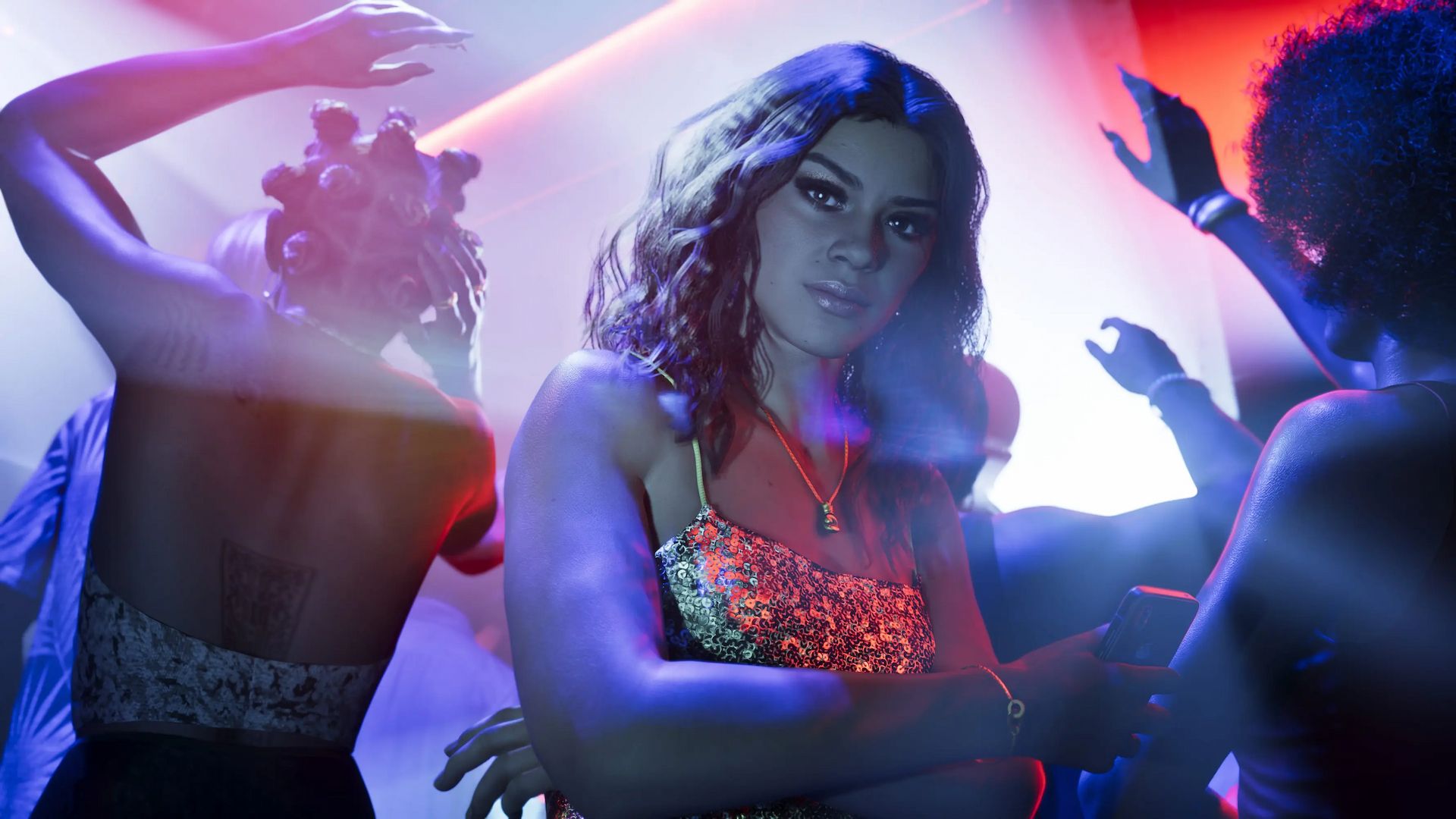
Official Responses and the Corporate "W"
The response from the public to the Burger Motorsports announcement has been overwhelmingly positive. On social media platforms, the sentiment is almost universally celebratory. "We got a GTA 6 holiday before GTA 6," one user joked on Instagram, while others praised the company as a "W company" (a slang term for a "win" or a great organization).
The company’s follow-up statement regarding the end of the "chaos" is equally candid: "Normal business operations are expected to resume once employees have completed their initial exploration, finished at least one mission, and returned to reality."
This level of transparency suggests a shift in the employer-employee contract. In a post-pandemic world, where "work-life balance" is a central demand of the workforce, companies that lean into the hobbies and passions of their staff—even when those passions involve taking a day off to play a video game—are finding that they can foster deeper loyalty and engagement than those that enforce rigid, traditional workplace norms.
Broader Implications: Where Will the Trend Lead?
If one automotive firm has set the precedent, could we see this become a broader trend? As the November 2026 launch approaches, it is highly probable that other small-to-medium-sized enterprises (SMEs) will follow suit.
The Ripple Effect on Productivity
While large corporations with strict deliverables may struggle to adopt such a policy, smaller, agile firms are likely to view it as an opportunity for internal branding. The "GTA 6 Holiday" could become a standard perk in the tech and gaming-adjacent industries, functioning as a "cultural leave" day similar to the tradition of taking a day off for a major sporting event or a holiday.
The Marketing Power of Rockstar Games
The fact that a third-party company is using the GTA 6 launch to market itself shows just how powerful the Rockstar brand has become. By aligning their brand with the excitement surrounding the game, Burger Motorsports has gained exposure far beyond their typical client base. This implies that the marketing ecosystem of GTA 6 will not just be controlled by Rockstar, but will be crowdsourced by the global community.
The Future of "Cultural Events"
We are moving toward a future where digital entertainment is treated with the same weight as traditional civic holidays. If a video game can halt commerce, then the industry has effectively achieved its goal of becoming the dominant form of human leisure. The implication for the future of work is clear: companies that adapt to the cultural rhythms of their employees will thrive, while those that ignore the "GTA 6 effect" may find themselves dealing with massive, unplanned, and disorganized absenteeism.
Conclusion
As we look toward the final five months before the launch of Grand Theft Auto 6, one thing is clear: the industry and the public at large are bracing for a seismic shift. The decision by Burger Motorsports to formalize a closure for the release is a sign of the times. It is a recognition that when an event is significant enough to capture the collective imagination of millions, the best course of action for a business is not to fight the current, but to swim with it.
The "GTA 6 Holiday" may be a novelty today, but as the boundary between our digital lives and our professional lives continues to blur, it may eventually become a sign of a workplace that truly understands its people. Whether or not other industries will follow suit remains to be seen, but for now, the message is clear: on November 19, 2026, the real world may just have to wait. The streets of Vice City are calling, and it appears the entire world is listening.

