

In the wake of this year’s Summer Game Fest, the gaming industry remains abuzz with the massive influx of announcements and hands-on impressions that flooded the event. Among the high-octane titles and AAA spectacles, one project has quietly clawed its way to the forefront of many critics’ minds: Capcom’s Onimusha: Way of the Sword. Having spent significant time with a behind-closed-doors demo that expanded upon the public Steam release, it is becoming increasingly clear that this reboot is not merely a nostalgic revival, but a bold attempt to pivot the action-genre meta away from the "floaty" tropes that have defined recent years.
The Evolution of the Samurai Slasher
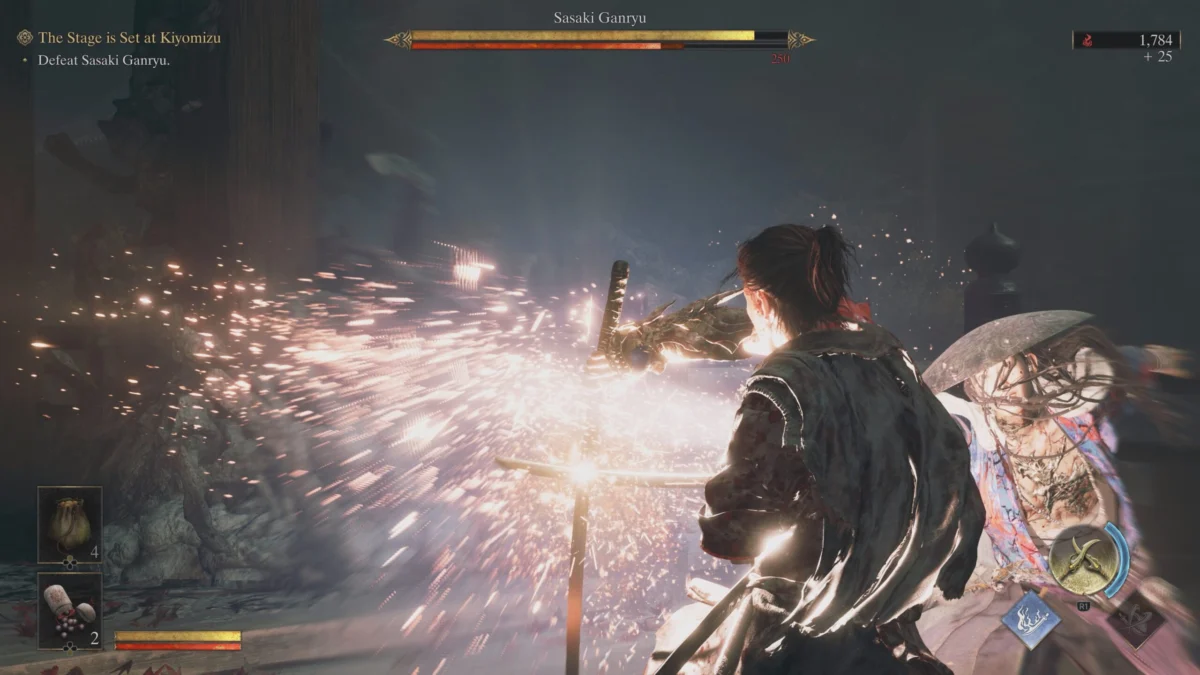
The demo provided a window into an "open area" of Kyoto, a setting that serves as a masterclass in atmospheric environmental design. Unlike the initial public build, this section of the game introduced players to more complex combat encounters and terrain that demanded a higher level of tactical awareness.
What separates Onimusha: Way of the Sword from its contemporaries is the visceral, grounded nature of its melee combat. For years, the action RPG space has been dominated by the FromSoftware school of design—characterized by rapid, often weightless dodge-rolling and frantic button-mashing. While successful, this style has arguably stifled the evolution of swordplay mechanics. Onimusha chooses a different path. Each swing of the katana carries a sense of bone-splitting followthrough; every deflection and parry produces a cacophony of sparks and clashing steel that feels tactile and earned. It is a system built on weight, momentum, and the brutal reality of blade-on-blade contact.
A Chronology of Anticipation
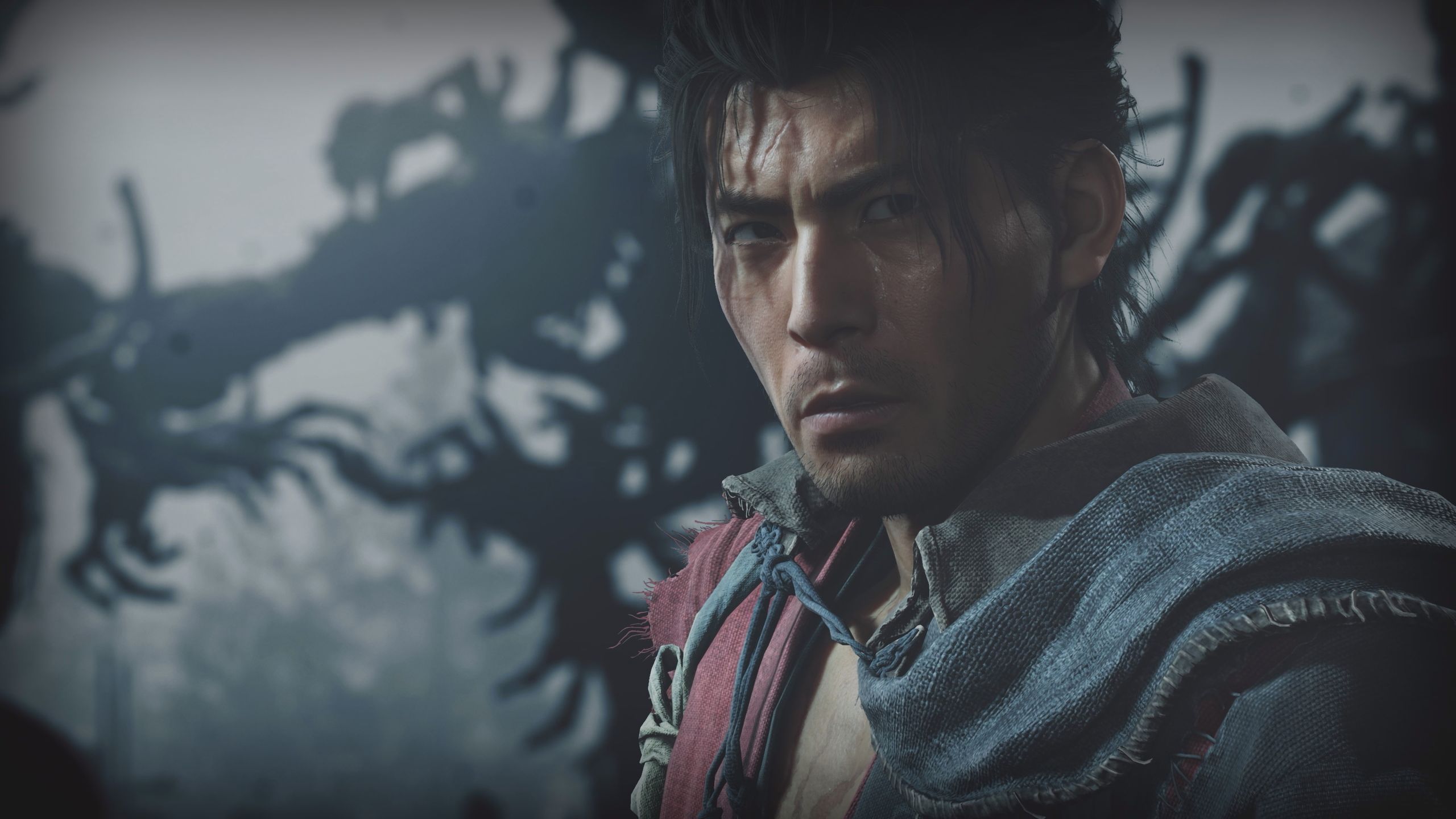
The trajectory of Onimusha: Way of the Sword has been one of slow-burning hype. Ever since the project’s announcement, fans of the classic franchise have been clamoring for a return to the series’ roots, albeit with modern technical polish.
- Initial Announcement: Capcom confirmed the project, signaling a return to the iconic Genma-slaying formula.
- The Public Demo: The Steam demo arrived to critical acclaim but raised immediate questions regarding the game’s challenge level, with many players noting that the AI felt suspiciously passive.
- The Summer Game Fest Showcase: The private demo provided a deeper look at the game’s later mechanics, moving beyond the opening tutorial phase and into more demanding, open-ended skirmishes.
- The Path to September: With a global release date set for September 24, the development team is currently in the final "polishing" phase, adjusting enemy density and scaling.
Decoding the Difficulty: Is it Too Easy?
A recurring point of contention among those who experienced the demo—myself included—is the perceived lack of difficulty. Even when selecting the "Action" mode (as opposed to the "Story" mode), the rank-and-file Genma troops rarely posed a meaningful threat. They often stood idle, waiting to be dispatched, rather than forcing the player into the intricate counter-play mechanics that the game is clearly designed to support.
However, a singular exception existed: the final boss encounter. This many-armed monstrosity, which served as the climax of the demo, was a stark departure from the preceding combat. It was a chaotic, multi-stage fight that demanded an understanding of specific attack patterns and gimmicks. It was the only moment in the demo that truly "handed me my ass," to put it plainly. This discrepancy led me to pose a direct question to the creative force behind the game: Is the game actually too easy, or is the demo misleading us?
Official Insight: Director Satoru Nihei Responds
To reconcile these concerns, I spoke with Game Director Satoru Nihei. Through an interpreter, Nihei provided much-needed context regarding the balancing of the demo versus the final product.
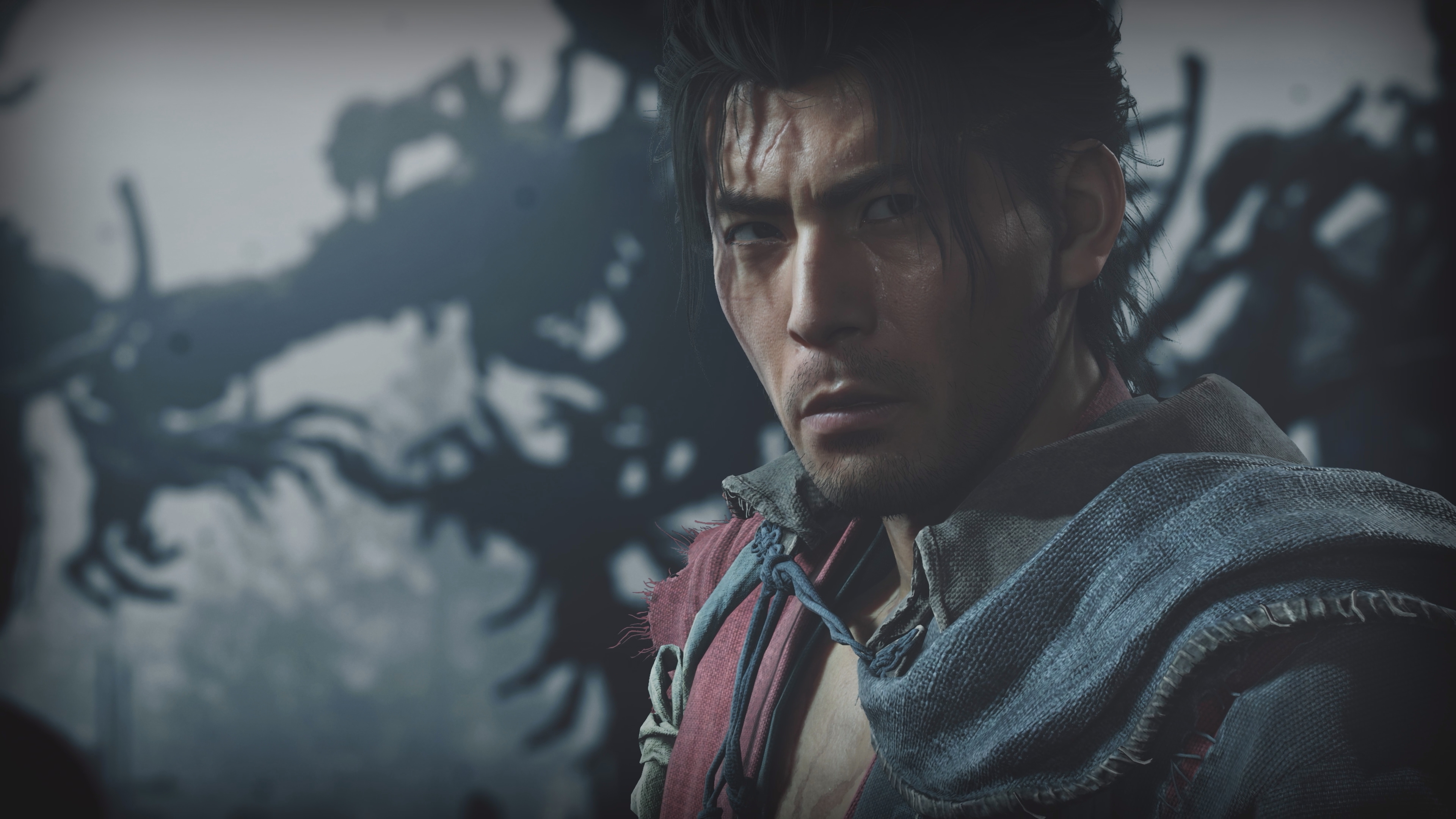
"Both the demo and the version you’ve played today are early in the game," Nihei explained. "There is a natural sense that the basic enemies are easier because of where that section sits in the progression. Furthermore, the demo build provided Musashi Miyamoto with a full arsenal of skills and abilities that the player would not have access to in the early hours of the final game."
Nihei further clarified that the "training wheels" currently present—such as the prominent button prompts appearing over enemy heads—are specific to the demo environment. These were implemented to help players grasp the wide range of moves quickly, at the expense of a truly authentic, challenging experience. "We are confident that in the release version, as players earn abilities gradually and the enemies scale in difficulty, the community will find the challenge they are looking for," he added.
Implications for the Genre
The implications of Onimusha: Way of the Sword are significant. By eschewing the "spam-to-win" mechanics that have become common, Capcom is essentially challenging the player to master a rhythmic, deliberate combat language. If successful, this could signal a return to the "character-action" games of the mid-2000s, where precision and animation priority were paramount.
Furthermore, the decision to limit the game to two specific difficulty presets—Story and Action—is a bold statement in an era where developers often feel pressured to include exhaustive accessibility or difficulty sliders. Capcom is clearly prioritizing a specific, curated experience over a "one-size-fits-all" approach.
The Road Ahead
As we approach the September 24 launch, the industry is bracing for an exceptionally crowded release window. With an unprecedented wave of titles hitting the market in the coming months, the challenge for Onimusha will be to stand out not just as a nostalgia piece, but as a legitimate contender for the best action game of the year.
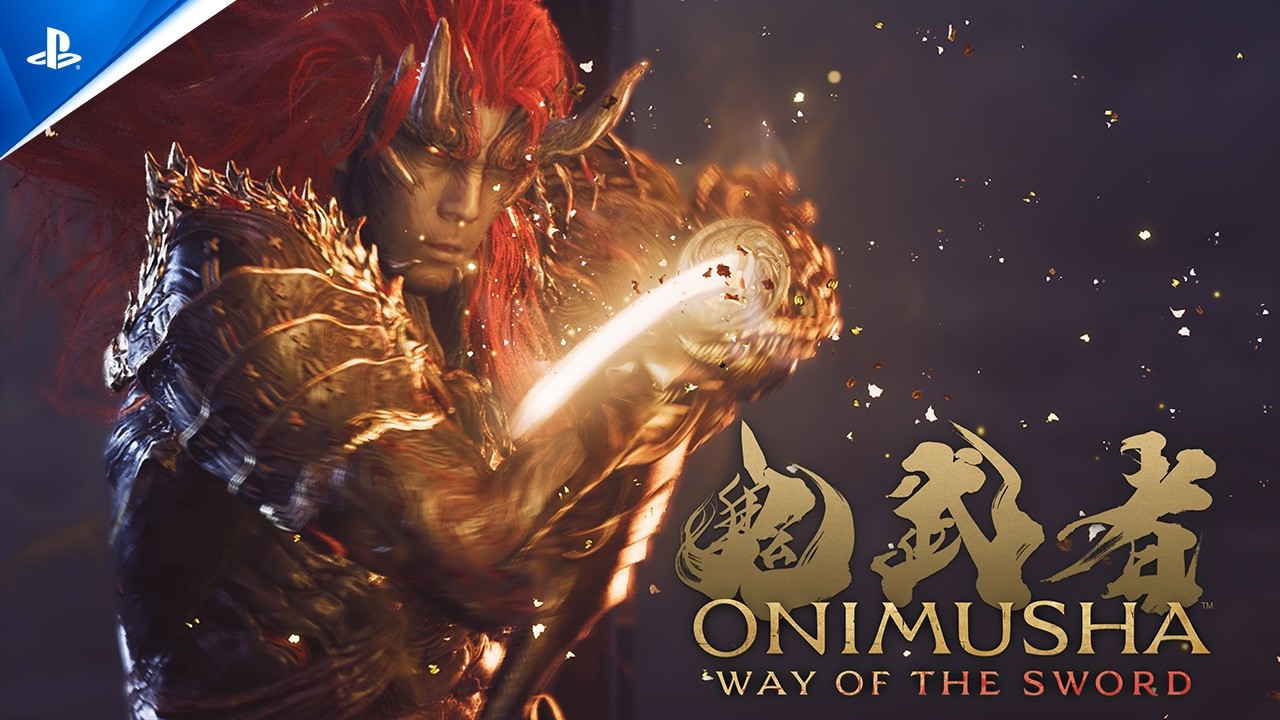
If the combat systems hold up to the promise shown in the Kyoto demo—and if the difficulty scaling truly delivers the challenge that the early-game builds were masking—Onimusha: Way of the Sword may well become the benchmark by which all future samurai-themed action games are measured. The blade is forged; now, we only need to see if the steel holds when it meets the fire of a full-scale release.

