


At a time when the global Virtual Reality (VR) market is navigating a period of profound instability and sobering market corrections, Japan’s VR ecosystem is demonstrating remarkable resilience. While international studios grapple with shrinking budgets, the closure of high-profile development teams, and a general cooling of consumer interest, the Japanese industry has quietly cultivated a unique, sustainable model. By prioritizing collaborative innovation, leveraging location-based entertainment, and leaning into a hyper-indie spirit, Japan is not just weathering the storm—it is actively redesigning how VR reaches the mainstream.
At the heart of this movement is G-Smash, a grassroots-turned-global initiative that served as the primary disruptor at Bitsummit 2026, Japan’s premier indie gaming festival. By uniting disparate developers under a single, cohesive banner, G-Smash is attempting to prove that the future of VR doesn’t lie in high-risk, blockbuster gambles, but in a community-driven, experimental front that values agility over scale.
The State of Play: A Global Industry in Flux
The broader VR landscape has been marred by volatility. The industry’s transition from an experimental frontier to a stable commercial market has been slower than anticipated. High-profile setbacks—most notably the underwhelming performance of the PlayStation VR2 and the subsequent shuttering of established studios like Vertigo Studios Amsterdam—have left the medium in a state of nervous apprehension.
In this environment, developers are acutely aware that a single failed release can lead to terminal financial distress. However, Japan has mitigated these risks through a unique blend of cultural and structural factors. Unlike Western markets, where the focus is almost exclusively on home-based consumer hardware, the Japanese industry has long thrived on a "third space" model: location-based entertainment.
From the immersive, high-end installations of Tyffonium to the ambitious, tech-forward projects by Excurio, Japan has successfully integrated VR into the fabric of its entertainment culture. This synergy is now being adopted by major corporations. Capcom’s Monster Hunter Bridge, initially created for the World Expo 2025, has proven so successful that it is being transitioned into a permanent installation at the Nijigen no Mori theme park. These corporate partnerships provide a vital secondary revenue stream, insulating studios from the wild fluctuations of the consumer-purchasing cycle.
G-Smash: A New Philosophy for VR Advocacy
The G-Smash initiative, founded by industry veteran Shun Harashima, represents a paradigm shift in how VR developers interact with the market. Launched in the lead-up to Bitsummit 2025, the initiative was born out of Harashima’s desire to bridge the gap between niche innovation and mainstream adoption.
Harashima’s career—spanning a tenure at toy giant Takara Tomy to a pivotal role at Konami, and later, a stint at Meta—provided him with a bird’s-eye view of the industry’s structural failures. "Japan always felt ahead of other countries at the time," Harashima explains, citing the legendary Shinjuku VR Zone. "But companies often pivot, and Japan is not always the first priority. I wanted to do more for the local talent, to provide a contact point for developers who have the passion but lack the infrastructure to scale."
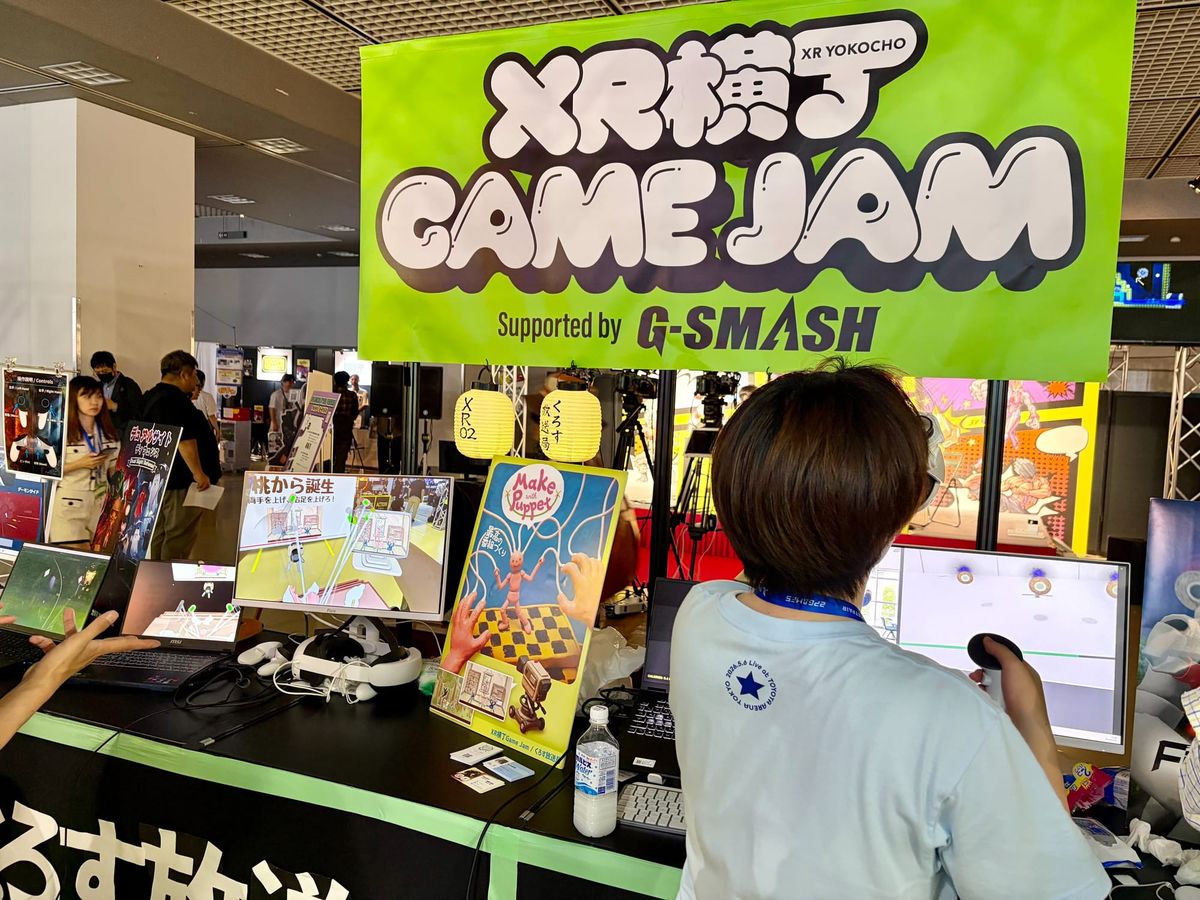
The philosophy behind G-Smash is one of "radical cooperation." By creating a collective presence, G-Smash removes the burden of marketing from individual, small-scale studios. At Bitsummit 2026, this was evident as G-Smash commanded the largest booth at the festival, housing 15 developers from both Japan and the West. This united front, sponsored by industry titans like Meta, Pico, and even Sony, marked the first time these major stakeholders have collaborated to back a collective indie showcase.
Chronology of the Movement
- 2018: Shun Harashima joins Konami, spearheading their entry into the VR space and establishing initial ties with global hardware leaders.
- 2025: Following his departure from Meta, Harashima utilizes his severance package to fund the first "XR Yokocho" (VR Alley) at Bitsummit, pulling the event together in just two months.
- Late 2025: G-Smash gains formal traction, securing support from major manufacturers like Meta and Pico.
- May 2026: The second iteration of XR Yokocho at Bitsummit 2026 expands significantly, featuring an international cohort of developers and a student-led game jam.
- Mid-2026: The announcement of the first G-Smash collaborative titles, including Project Punch and Sausage Batting, sets a new course for "hyper-indie" rapid development.
Data and Innovation: The "Sausage" Strategy
G-Smash’s current strategy focuses on what Harashima calls "low-risk, high-viral potential" titles. Recognizing that the VR audience is currently small, the team believes that the medium’s strength lies in its flexibility. By creating quirky, highly replayable, and "silly" experiences, they aim to lower the barrier to entry for the uninitiated.
"VR is very indie," Harashima notes. "If VR is small, we should use that to our advantage. If we launch five ‘sausage’ games from different companies in a few months, we create a trend. No one can do that on a traditional platform."
This is not just marketing; it is a calculated effort to build a culture of discourse. The game Sausage Batting—a title that is as ridiculous as it sounds—was designed specifically to trigger curiosity. It is a "social object," something intended to be played in public, recorded, and shared. By pairing these viral-first projects with more polished, traditional titles like CharacterBank’s Knights of Fiona, G-Smash provides a holistic view of what VR can offer: from deep, narrative-driven experiences to immediate, chaotic fun.
Implications for the Future of VR
The success of the G-Smash booth at Bitsummit 2026 carries significant implications for the global VR market. First, it highlights the necessity of the "community-first" model. Many developers, particularly those in Japan, have historically faced barriers due to language and the difficulty of pitching to English-speaking investors. G-Smash acts as a translator, not just of language, but of market value.
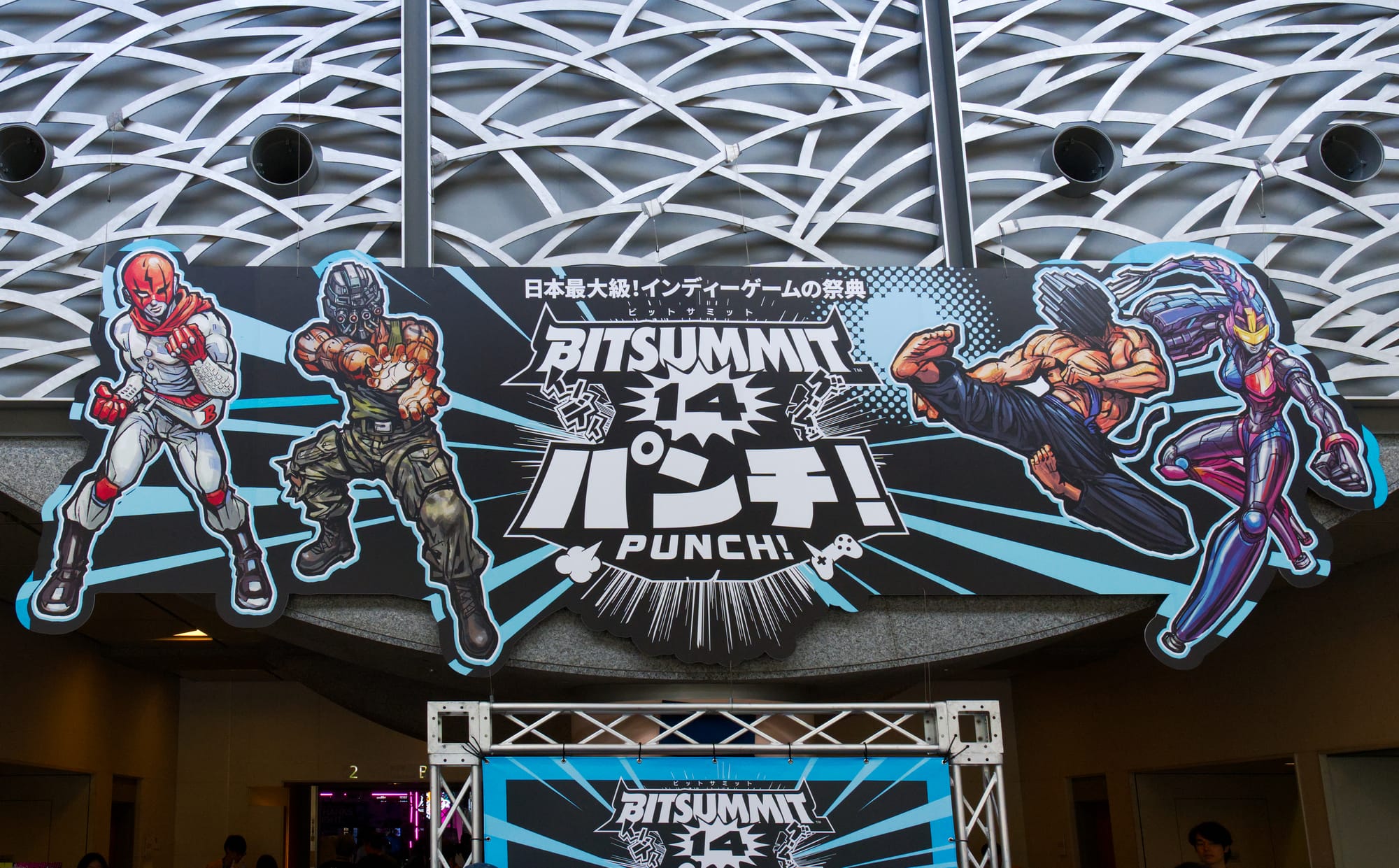
Second, the data points to a massive, untapped demographic. Harashima estimates that 90% of the people who visited the G-Smash booth had never played modern VR. By focusing on public-facing events rather than solely digital storefronts, the collective is successfully moving the needle on adoption.
Finally, the initiative is forcing a conversation about the sustainability of the medium. The presence of Shuhei Yoshida, former President of SIE Worldwide Studios, at a stage event alongside CharacterBank CEO Shuto Mikami, signals that the industry’s old guard is paying close attention to these new, scrappy methods of engagement.
Looking Ahead
As the industry moves into the second half of the decade, the "G-Smash model" offers a blueprint for survival. By fostering camaraderie, encouraging international collaboration, and refusing to take the medium too seriously, these developers are cultivating a base of users who are not just consumers, but participants in a growing cultural movement.
While VR may never replace the traditional console or PC gaming experience, the work being done in Kyoto suggests that it doesn’t have to. By carving out a niche defined by innovation, silliness, and shared experience, the Japanese industry is ensuring that when the VR market eventually hits its next inflection point, it will have a strong, united, and creative foundation waiting to meet it.
"I don’t want to do this alone," says Harashima. "I want to make the industry exciting again. If we can make people stop and look, even if they’re just confused by the sausages at first, we’ve already won."

