

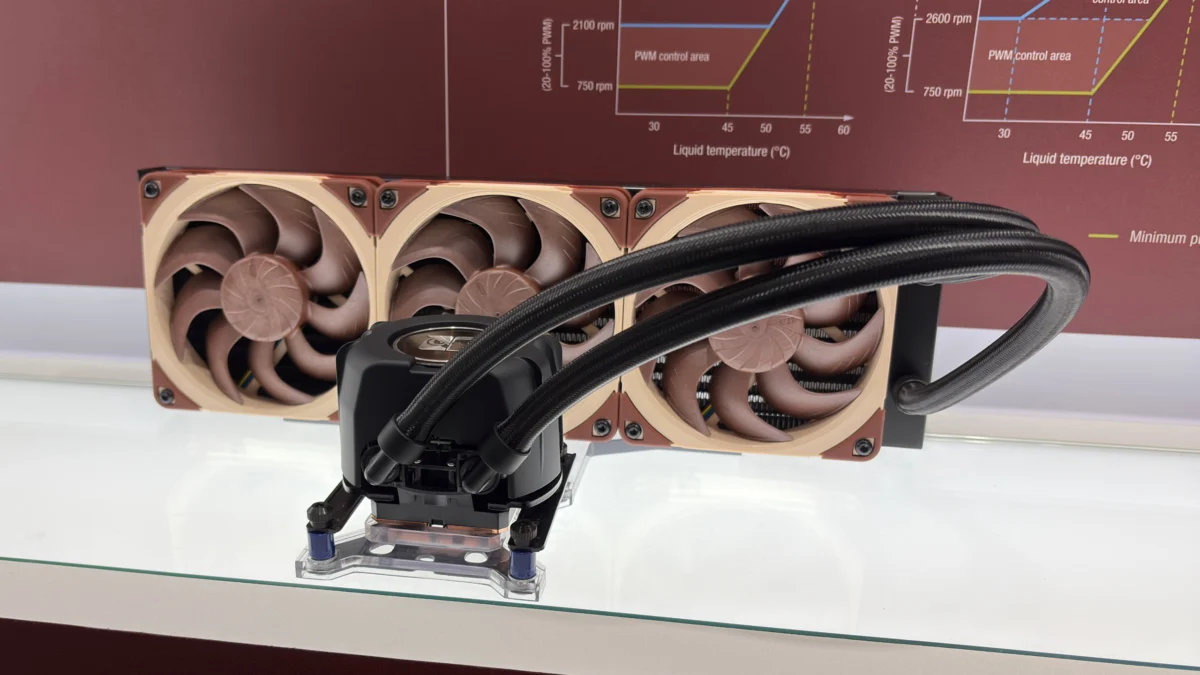
In a tech landscape increasingly dominated by generative AI announcements and software-defined hardware, Noctua has returned to its roots at Computex 2026, shifting the focus back to the fundamental physics of thermal management. The Austrian cooling giant, long revered for its uncompromising dedication to acoustic performance and engineering longevity, has officially broken its long-standing tradition of air-only cooling solutions. By partnering with industry leader Asetek, Noctua has launched the NL-LC1, a series of all-in-one (AIO) liquid coolers that aim to redefine the premium segment of the market.
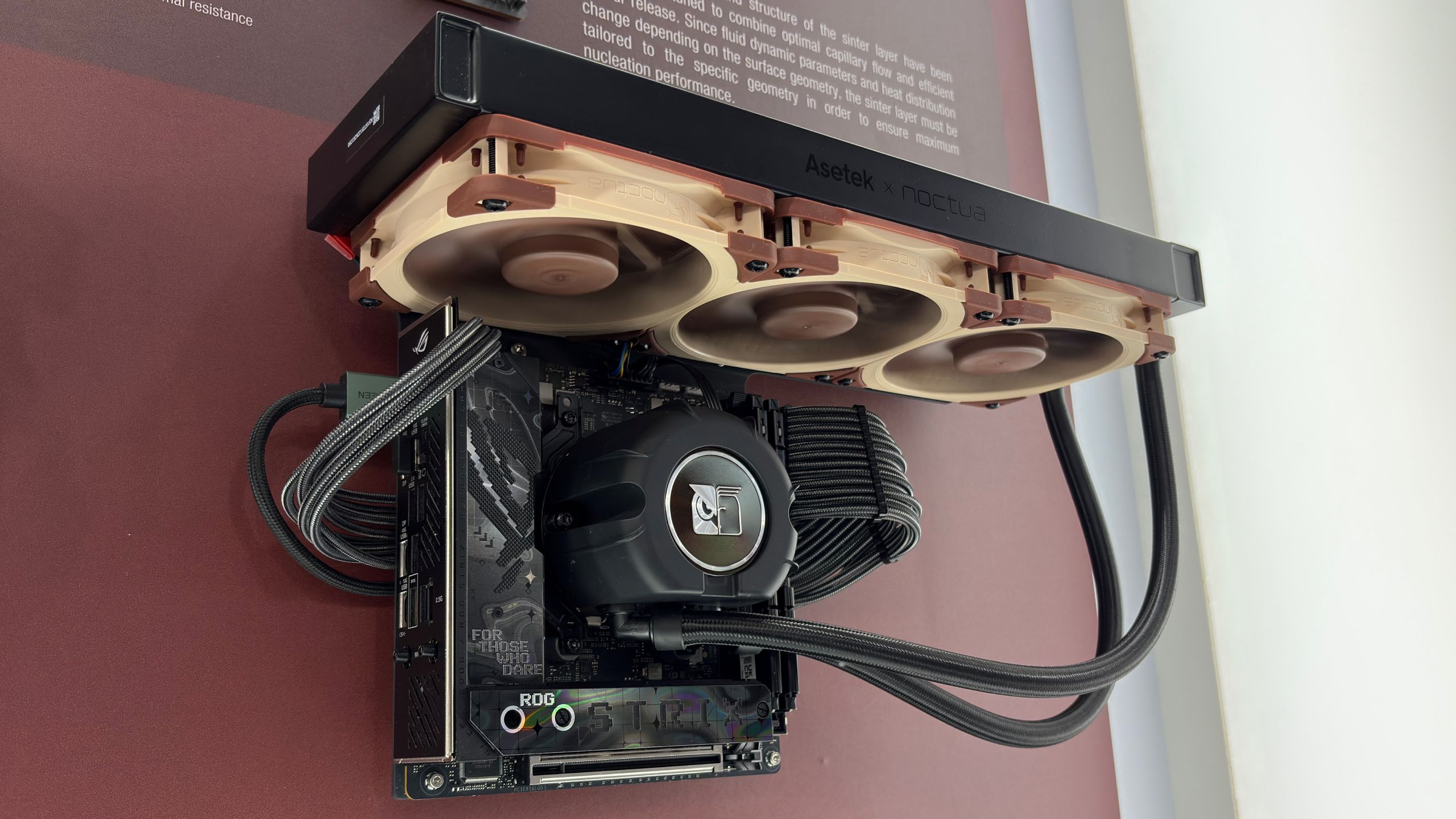
For PC enthusiasts, the name "Noctua" has become synonymous with the beige-and-brown aesthetic and the "set it and forget it" reliability of their air coolers. However, the release of the NL-LC1 represents a significant pivot. By integrating Asetek’s proven Emma V2 pump platform with their own proprietary acoustic damping technologies and flagship fans, Noctua is attempting to solve the most persistent grievance associated with liquid cooling: pump noise and vibration resonance.
The Core Facts: What is the NL-LC1?
The Noctua NL-LC1 is not merely a rebranded Asetek unit; it is a collaborative engineering effort designed to bring Noctua’s "virtues of silence" to the liquid cooling ecosystem. Available in 240mm, 360mm, and 420mm radiator configurations, the series is designed to handle the thermal demands of the latest generation of high-TDP processors, such as the AMD Ryzen 9 9950X3D.
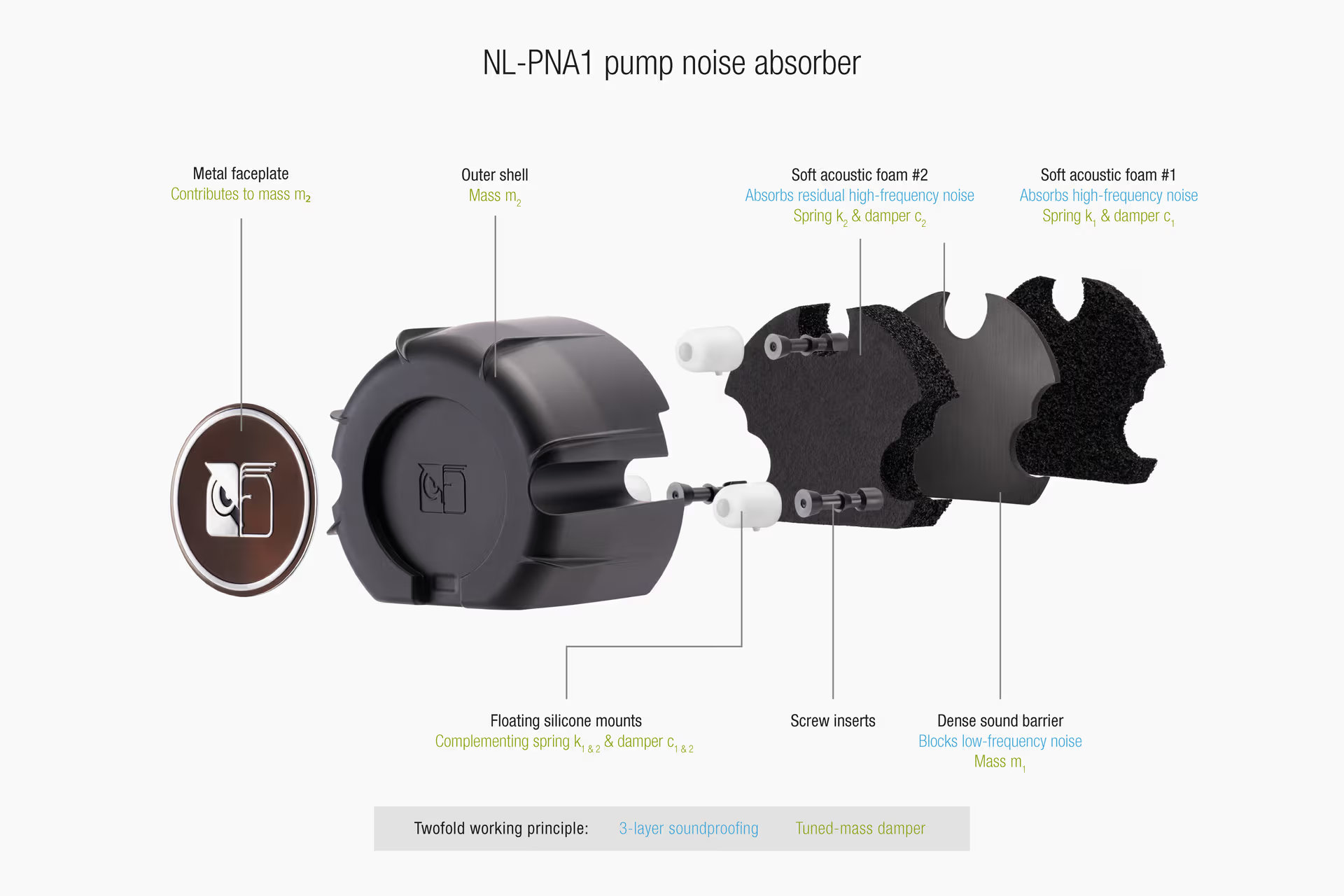
The standout feature of the NL-LC1 is its specialized pump cover. Utilizing a three-layer acoustic soundproofing structure, the unit incorporates a "tuned-mass damper" effect designed to mitigate both airborne noise and the mechanical vibrations that often translate into the dreaded "humming" sound in many chassis builds. Noctua has effectively treated the pump head as an acoustic chamber, wrapping it in high-density, tailored foam inserts that isolate the pump’s operation from the rest of the metal chassis.
The unit ships with a magnetic, brushed-metal faceplate for a sleek, industrial aesthetic. However, for users pushing extreme overclocks or operating in high-ambient temperature environments, the faceplate can be removed and replaced with a dedicated mini-fan module—an optional accessory sold separately—to provide localized airflow to the motherboard’s VRM (Voltage Regulator Module) area.
A Chronology of Development
The path to the NL-LC1 has been one of extreme caution and iteration. For years, the Noctua development team faced a dilemma: how to offer liquid cooling without compromising the "Noctua standard" for noise-to-performance ratios.
- Pre-2024: Noctua maintains a firm stance that air cooling remains the most reliable and efficient method for the majority of users, focusing development on their flagship air towers like the NH-D15 G2.
- Computex 2024/2025: Rumors swirl as Noctua showcases various prototypes, including a "pumpless" liquid cooler that utilizes advanced capillary action and thermosiphon principles. While groundbreaking, it serves as a proof-of-concept for internal thermal research.
- Computex 2026: The company formally unveils the NL-LC1, confirming a strategic partnership with Asetek. By utilizing the Emma V2 platform, Noctua gains a reliable pump foundation, allowing them to focus their engineering resources on noise mitigation and fan optimization.
- June 2026: Official launch. Noctua begins retail distribution, bringing the series to global markets and signaling the end of their "air-only" era.
Supporting Data: The Science of Silence
The performance of an AIO is only as good as its weakest link. Noctua has opted to pair the Asetek radiator with their own NF-A12x25 G2 and NF-A14x25 G2 fans. These fans are widely considered the gold standard in the industry, utilizing a custom-engineered liquid crystal polymer (Sterrox) to maintain a razor-thin tip clearance, which significantly boosts static pressure while minimizing turbulence.
The "secret sauce," however, lies in the synchronization of these components. The NL-LC1 system employs a unique speed-offset algorithm. When the fans and pump operate in tandem, the controller forces a subtle, calculated offset in their RPMs. This prevents "beat frequencies"—the annoying, rhythmic pulse that occurs when two vibrating components oscillate at nearly identical speeds. By forcing the components to operate at slightly different frequencies, Noctua effectively eliminates the harmonic resonance that causes many AIOs to sound "whiny" or "throbbing" under load.
Independent testing, including early benchmarks from outlets like TechPowerUp, has noted that the NL-LC1 performs exceptionally well in noise-normalized tests. When capped at 30dB, the NL-LC1 manages to maintain lower coolant temperatures than many competitors, proving that the acoustic damping on the pump head is not just marketing fluff—it is a functional reduction in mechanical noise.
Official Responses and Industry Positioning
In their official statement, Noctua emphasized that the NL-LC1 is intended for the "no-compromise" user. "With first-class cooling performance, superb quietness of operation, and industry-leading reliability, our new NL-LC1 series brings classic Noctua virtues to the world of all-in-one liquid cooling," a company spokesperson stated during the launch event.
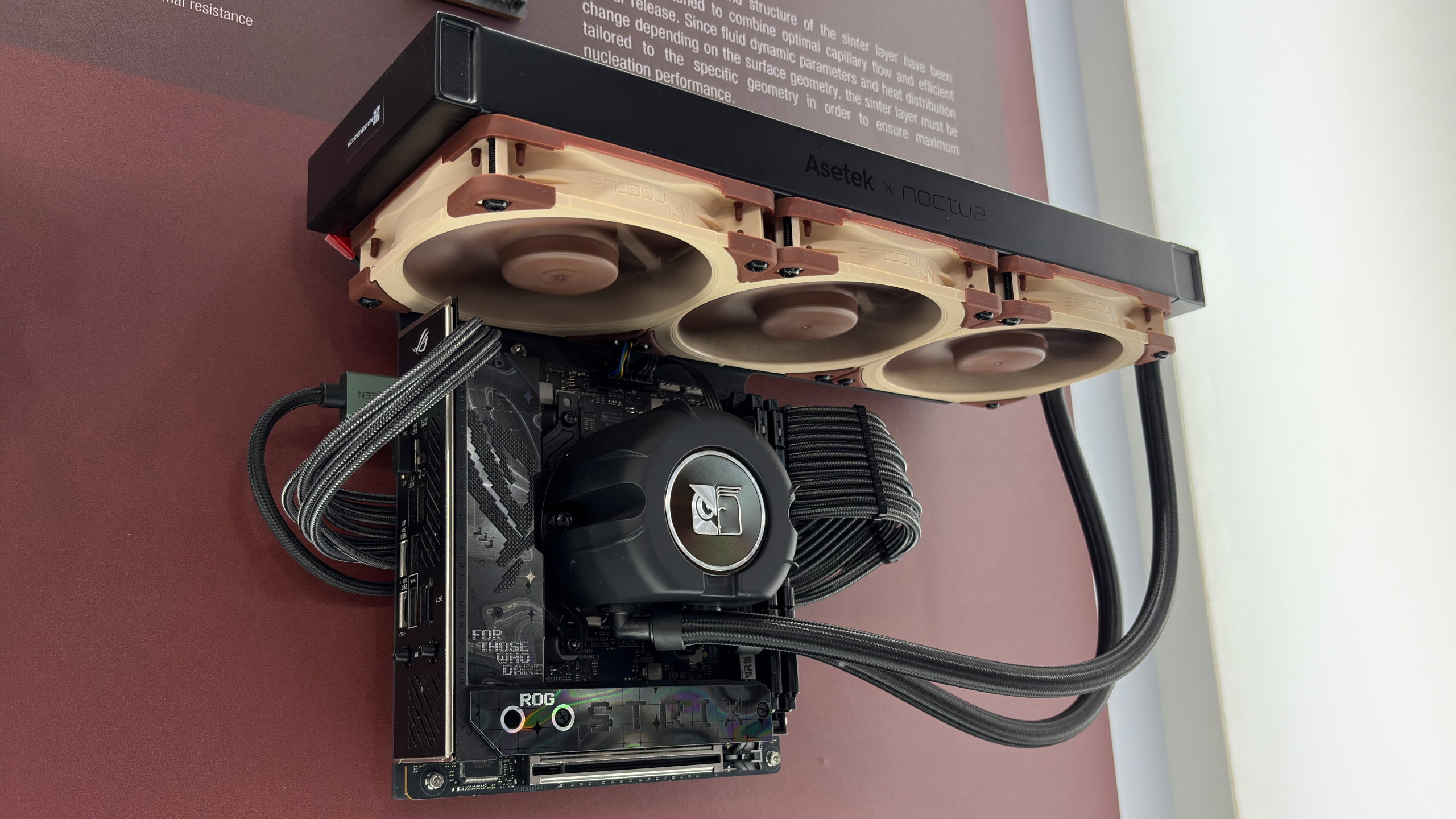
Industry analysts have noted that this move puts Noctua in direct competition with premium cooling brands like be quiet!, Corsair, and Arctic. However, the pricing strategy is arguably the most aggressive aspect of the launch:
- 240mm Model: $220 USD
- 360mm Model: $250 USD
- 420mm Model: $280 USD
These prices place the NL-LC1 at the top tier of the AIO market. Critics have questioned whether the market will accept a $250 cooler in an era where high-performance alternatives exist for $120–$150. Noctua’s defense is rooted in longevity; they are offering an industry-leading warranty and a commitment to spare parts availability that is largely unheard of in the AIO space, where most units are considered "disposable" once the pump fails or the coolant evaporates.
Implications for the PC Hardware Market
The entry of Noctua into the liquid cooling space has three major implications for the broader PC building market:
1. The Death of the "Cheap AIO" Narrative
For years, AIOs have been sold as commodity items. Noctua’s premium pricing forces consumers to view liquid cooling as a long-term investment. By focusing on repairability and acoustic dampening, they are challenging manufacturers to move away from disposable, RGB-heavy designs toward functional, long-lasting engineering.
2. Standardization of Acoustic Engineering
The inclusion of a "tuned-mass damper" and harmonic offset algorithms in the NL-LC1 will likely set a new trend. We expect to see competitors attempting to replicate these noise-mitigation strategies in their next-gen releases. If Noctua’s experiment proves successful, the "pump hum" that has plagued AIO users for a decade may soon become a thing of the past.
3. The Future of Air vs. Liquid
While Noctua has entered the liquid market, they have not abandoned air cooling. The existence of the NL-LC1 alongside their high-end air coolers suggests a dual-pronged strategy: liquid for the high-TDP, space-constrained, or aesthetics-focused user, and air for the ultra-reliable, long-term workstation builder.
Conclusion: A New Standard?
The Noctua NL-LC1 is a bold, expensive, and necessary step for a company that has spent decades defining the standard for PC silence. It is not an entry-level product, nor is it aimed at the budget builder. It is a calculated piece of engineering for the enthusiast who views their PC as a refined instrument rather than just a collection of parts.
Whether the performance gains and acoustic isolation justify the significant price premium remains to be seen in long-term, real-world testing. However, the fact that Noctua—a company historically allergic to compromising on their own rigid standards—has finally deemed an AIO worthy of their branding is, in itself, the most significant hardware endorsement of the year. For those who have longed for the silence of a Noctua air cooler but required the thermal headroom of a 420mm radiator, the wait is officially over. The "beige-and-brown" revolution has arrived in the world of liquid cooling, and it is remarkably, refreshingly quiet.

