

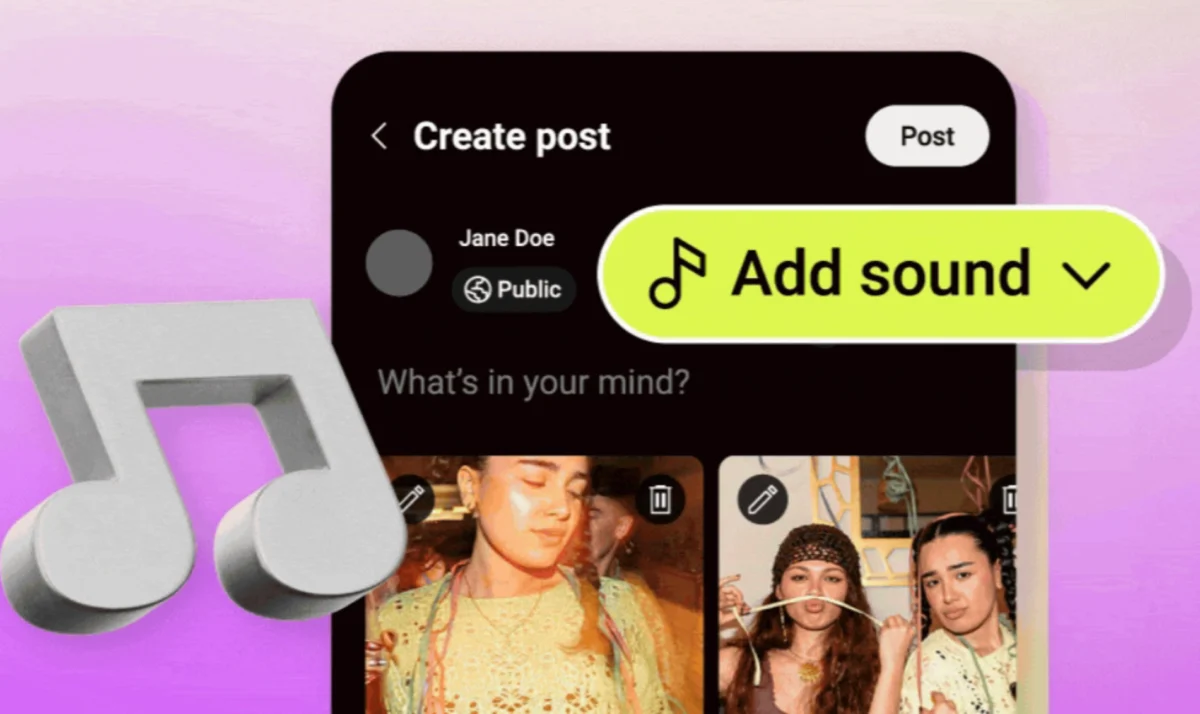
In a landscape where social media platforms are constantly iterating to secure user attention, YouTube has unveiled a significant update to its "YouTube Posts" feature. By integrating licensed pop music into still image and carousel uploads, the platform is signaling a renewed commitment to static content—a format that was once the bedrock of social media but has been increasingly sidelined by the industry’s obsession with short-form vertical video.
This move marks a tactical expansion of YouTube’s ecosystem. By allowing creators to soundtrack their photos with 15-second snippets of popular music, YouTube is not merely adding a feature; it is aggressively positioning itself as a legitimate home for creators who feel alienated by the video-centric pivots of competitors like Instagram.
Main Facts: The Evolution of YouTube Posts
The core of this update lies in the integration of music into the "Posts" format, which originally debuted as part of the Community tab. These non-video uploads—often featuring text-based updates, polls, and static images—have been gradually migrated to the Shorts feed.
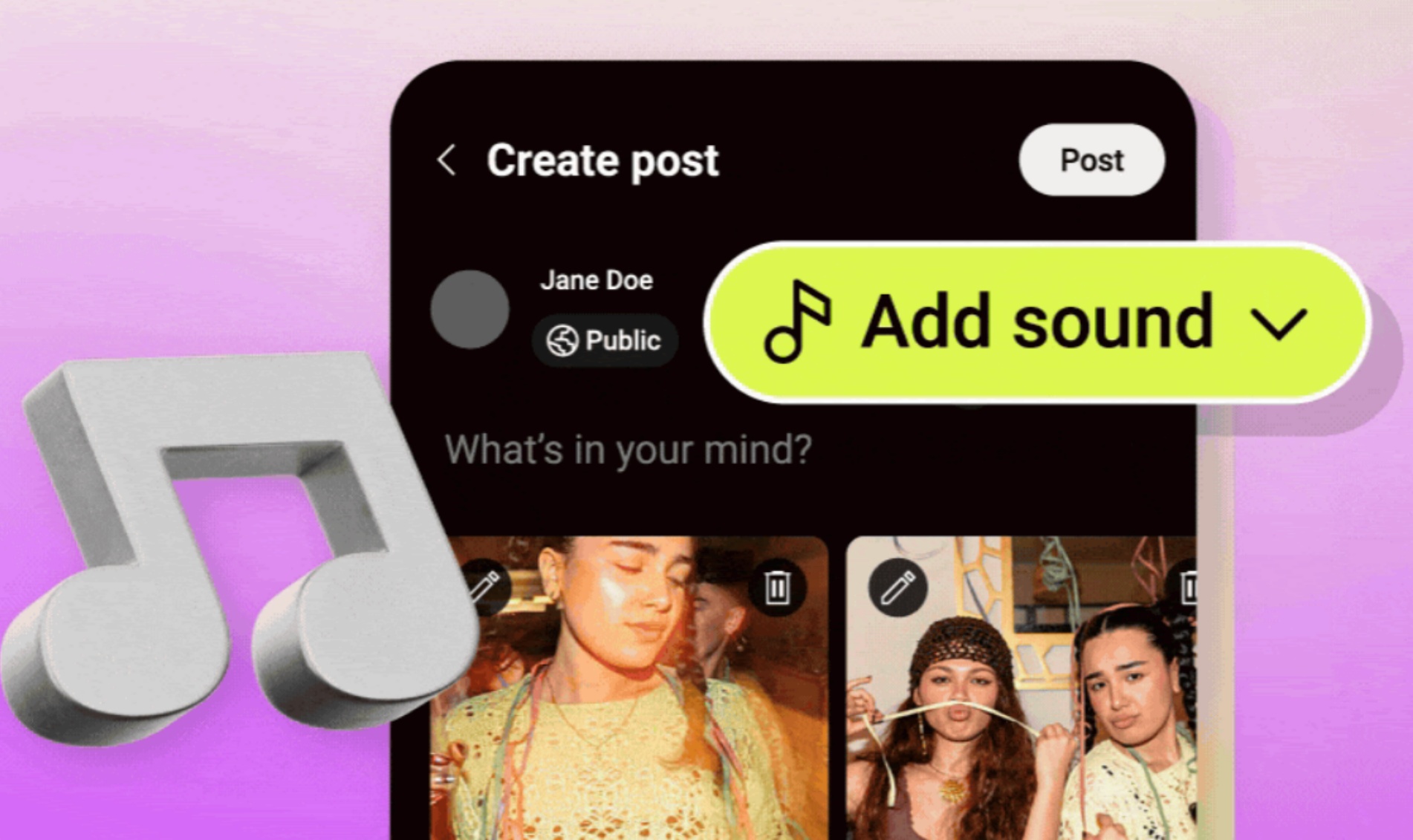
Under the new update, creators can now layer licensed, high-profile music tracks over their image carousels (which support up to ten photos). This creates a dynamic, "slideshow-style" experience that mirrors the aesthetic of early Instagram or the current photo-posting trends on TikTok.
Key details of the rollout include:
- Music Integration: Creators can select from a vast library of popular, licensed music.
- Time Constraints: To maintain the focus on visual content, licensed music usage is capped at 15 seconds per post.
- Compatibility: This feature is accessible via the YouTube Shorts feed, ensuring that static content gains the same discoverability as traditional video content.
- Existing Tools: This update complements existing audio options, such as the royalty-free YouTube Audio Library and the AI-driven "Dream Track" feature.
Chronology: From Community Tab to the Shorts Feed
To understand why this change is significant, one must look at the timeline of YouTube’s experimentation with non-video content.
2021: The Genesis of Community Engagement
YouTube initially launched the Community tab to facilitate deeper connections between creators and their subscribers. This allowed for text updates and basic image uploads, serving as a social media "feed" within the video platform.
Early 2026: The Shift to Carousels
In the spring of 2026, YouTube began experimenting with "sneaking" image carousels into the Shorts feed. This was a pivotal moment, as it broke the barrier between the video-only Shorts feed and the static content of the Community tab. By allowing users to swipe through ten images, YouTube successfully gamified the viewing experience.
Mid-2026: The Music Integration
Building on the success of the carousel format, the platform has now introduced licensed audio. This is the latest step in a deliberate strategy to make the YouTube app a "one-stop-shop" for all content consumption, effectively challenging the dominance of TikTok and the legacy of Instagram.
Supporting Data: Why Photos Still Matter
The industry’s collective pivot toward video in 2022 and 2023 left a massive vacuum in the market. As Instagram moved aggressively toward Reels, many photographers, lifestyle influencers, and visual storytellers felt abandoned.
Data suggests that while video offers high engagement, static content remains superior for brand discovery and quick-consumption narratives. TikTok was the first to recognize this, implementing "Photo Mode," which proved that users enjoy the ability to swipe through images at their own pace while enjoying a soundtrack.
YouTube’s decision to follow this path is backed by the platform’s sheer scale. With billions of active users, YouTube possesses a unique advantage: it can aggregate audiences who are already there for long-form video, providing them with a "snackable" content format that doesn’t require the time commitment of a full-length production. Furthermore, while TikTok has successfully monetized photos through the TikTok Shop, YouTube’s integration of licensed music provides a creative layer that feels more aligned with the platform’s creator-first identity.
Official Responses: What YouTube Has to Say
The communication regarding this update has been centralized through the YouTube Help forums. A spokesperson identified as "J.J." from TeamYouTube provided a statement that emphasizes the company’s focus on "dynamic storytelling."
"We recently shared that image posts, including carousels, can now appear in the Shorts feed to help your audience connect with you in a new place," the statement noted. "Now, we’re excited to expand our music options to help you tell your story in even more dynamic ways!"
This messaging is carefully crafted to frame the update as a creator-centric tool rather than a defensive industry maneuver. By positioning it as a way to "connect," YouTube aims to maintain its reputation as a supportive ecosystem for creators, contrasting with the often-criticized algorithm shifts seen at other social media giants.
Implications: The Battle for the Creator Class
The ripple effects of this update will likely be felt across the creator economy.
1. The "Instagram Refugee" Migration
Instagram Head Adam Mosseri famously admitted in early 2023 that his team "over-indexed" on video, leading to a decline in the reach of static photos. This created a generation of displaced creators. By providing a stable, high-reach home for photos, YouTube is effectively courting these users. If a creator can get the reach of the Shorts feed for their photography, there is little incentive to remain on a platform that does not prioritize their medium.
2. A New Competitive Frontier
While YouTube and TikTok are now competing directly in the photo-carousel space, their monetization models differ. TikTok’s photos are largely tied to e-commerce and shopping. YouTube’s focus, conversely, is on the "creator-viewer relationship" and audio-visual synergy. This allows YouTube to avoid the "commercialized" feel that some users find off-putting about current TikTok trends.
3. The Future of Content Hybridization
The distinction between "video platforms" and "social networks" is evaporating. YouTube is no longer just for long-form tutorials or gaming streams; it is becoming a holistic feed. This creates a challenging environment for smaller, specialized apps that focus only on photography, as they struggle to compete with the feature-rich environments of tech conglomerates.
4. Monetization Potential
While YouTube has stated that these images are not yet primary revenue drivers in the same way that mid-roll ads are on long-form videos, the groundwork is being laid. If image posts become a primary vehicle for audience engagement, YouTube will inevitably integrate monetization tools, potentially through Super Thanks on posts or affiliate links within the carousels.
Conclusion: A Platform Reborn
YouTube’s update is a masterclass in platform evolution. By recognizing that users want the convenience of a swiping feed but the aesthetic value of photography, the platform has managed to capture a segment of the market that was previously slipping away.
For creators, the message is clear: YouTube is committed to keeping the "Creator" in the "Creator Economy." As the lines between video, photo, and music continue to blur, those who can master the art of the 15-second musical photo carousel will likely find themselves at the forefront of the next wave of digital influence. The challenge for YouTube now will be to balance this influx of new, static content with its legacy as the premier destination for video, ensuring that the user experience remains cohesive rather than cluttered.
As of now, the feature is rolling out to eligible creators. Those looking to jump on the trend should review their eligibility status and begin experimenting with how music can transform their static portfolio into an immersive, rhythmic experience. The "still" image, it seems, has found its second wind in the world of modern social media.

