

In a significant move that underscores the shifting power dynamics of the global entertainment landscape, the powerhouse talent agency WME has officially unveiled Creator Labs. This new in-house division represents a sophisticated evolution of the traditional agency model, designed to transform individual celebrities and athletes into self-sustaining, full-fledged media companies.
By integrating production, distribution, and monetization under one roof, WME is effectively positioning itself as a modern-day studio—one that operates not out of a sprawling Hollywood lot, but through the digital infrastructure of YouTube.
The Genesis of Creator Labs
While the announcement of Creator Labs is fresh, the blueprint for the initiative has been in testing for years. The agency has been quietly refining its approach to digital talent management, viewing the rise of the "creator economy" not as a peripheral trend, but as a fundamental restructuring of how fame is captured, nurtured, and sold.
The initiative is designed to handle every facet of a digital footprint. From the initial ideation phase—where agents and producers brainstorm content strategies—to the technical heavy lifting of channel management, video production, and syndicated distribution, WME is positioning itself as an end-to-end partner. Crucially, the agency also handles the monetization aspect, securing high-value brand sponsorships that bridge the gap between traditional celebrity endorsements and native digital advertising.
Case Study: The Haaland Blueprint
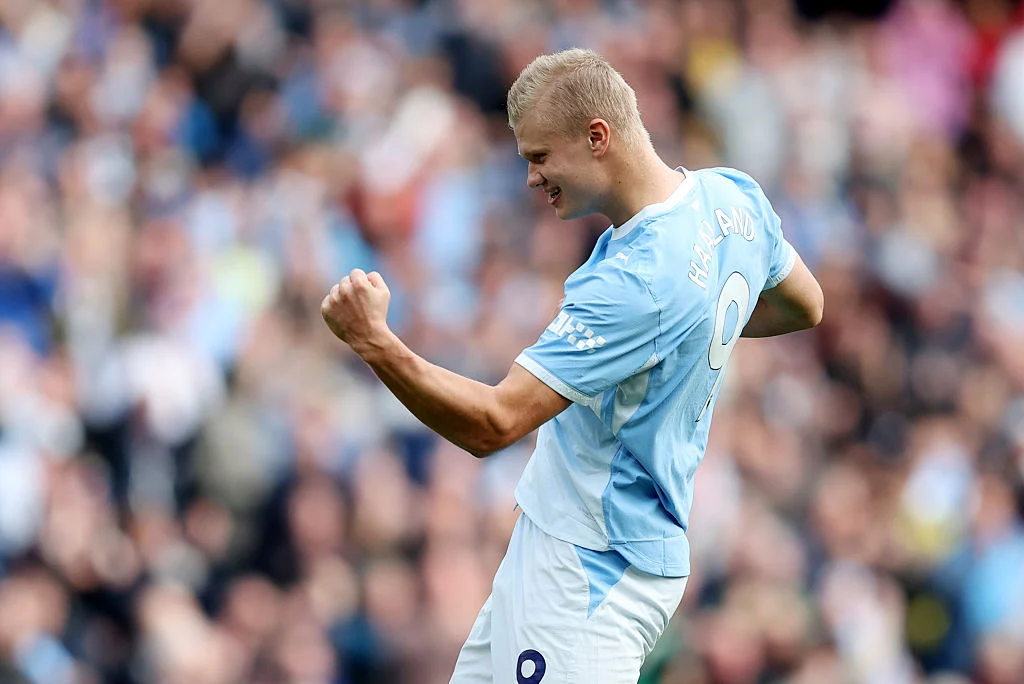
The most visible success story for Creator Labs is undoubtedly Manchester City striker Erling Haaland. Long before his global popularity reached a fever pitch during the 2026 World Cup, WME was working behind the scenes to cultivate his digital presence.
WME utilized the Creator Labs framework to launch and scale Haaland’s YouTube channel, which has since ballooned to 4.5 million subscribers. By providing the infrastructure for high-quality, behind-the-scenes content—such as his "Day in the Life" series—WME helped Haaland build a brand that resonates with younger, digital-native demographics who prioritize authenticity over traditional media appearances.
Beyond the footballer, the lab has also partnered with comedian Julian Shapiro-Barnum. For his webseries, Outside Tonight with Julian Shapiro-Barnum, WME acted as an engine for sponsorship acquisition, ensuring the project had the financial backing required to maintain high production values from day one. While the channel is smaller in scale, the model serves as proof that Creator Labs is intended to support diverse formats, from athlete lifestyle vlogs to scripted late-night comedy.
Strategic Chronology: From Agency to Studio
The launch of Creator Labs did not occur in a vacuum. It is the result of a deliberate, iterative process that saw WME investing in digital capabilities while navigating broader corporate restructuring.
- 2022-2024 (The Testing Phase): WME began testing the waters, working with early adopters to see how traditional agency services could be translated into digital-native workflows.
- March 2026 (Structural Streamlining): In a move aimed at "reducing layers and increasing responsibilities," WME underwent a series of layoffs, cutting 30 staff members. However, in a clear signal of where the company’s priorities lay, the agency simultaneously committed to hiring 11 new specialists specifically for the Creator Labs and Creator Sales teams.
- Mid-2026 (The Official Unveiling): Following the massive success of the Haaland digital campaign, WME officially launched the division, backed by an investment in the social video company Astra Media—a firm known for its work with heavyweights like Khloe Kardashian and Kevin Hart.
The "Deconstruction" of Traditional Media
The philosophy behind Creator Labs is best summarized by Jad Dayeh, Senior Partner and Co-Head of WME’s Digital Media Division. Dayeh views the rise of YouTube as the ultimate "deconstruction" of the legacy studio system.
"YouTube has in many ways deconstructed all the different pieces that you have in what historically was a network or distribution operation and put that in the hands of the creator," Dayeh told The Hollywood Reporter.
This perspective highlights a major shift in the agency business model. Historically, an agent’s job was to secure a role for a client in a project owned by a third-party studio. Today, the creator is the network. They own the distribution channel, they own the audience, and they own the data. For WME, the challenge—and the opportunity—has been to evolve from being the "middleman" to becoming the "operations team" for these new, decentralized media empires.
Ben Davis, Co-Head of WME’s Digital Media Division, emphasizes the necessity of this shift. "We’ve been investing in it and building this out slowly over the past couple years… testing and iterating around it. Our clients now own their distribution, so how does the role of an agent change?"
The answer, it seems, is by providing the professional-grade support—the editing, the sponsorship sales, the analytics, and the strategic roadmapping—that allows a creator to scale without losing the essence of their voice.
Implications for the Sports Industry
While Creator Labs is open to various talent types, the sports sector is clearly a primary focus. WME represents an unparalleled roster of athletes across the NFL, Premier League, NBA, and beyond. Given that YouTube is currently engaged in a massive, aggressive push for sports rights, the synergy here is palpable.
If WME can successfully replicate the Haaland model, they will effectively bridge the gap between "traditional sports broadcast" and "influencer media." By tying the growth of an athlete’s channel to live tournament coverage and behind-the-scenes narratives, WME is perfectly positioned to capitalize on the "social sports wave."
This creates a self-reinforcing loop: athletes gain more control over their own narrative and revenue streams, while WME secures a dominant position in the digital distribution ecosystem.
Challenges and Future Outlook
Despite the optimism surrounding the launch, the model faces significant challenges. The creator economy is notoriously volatile, and the transition from a celebrity influencer to a sustainable media company requires a level of consistency and business acumen that not all talent possesses. Furthermore, the competition is fierce. Other talent agencies and boutique digital firms are also pivoting toward in-house production.
WME’s investment in Astra Media suggests a broader strategy of "buy vs. build." By bringing established players like Astra into their ecosystem, they are signaling a desire to acquire expertise quickly rather than developing it entirely from scratch.
Ultimately, Creator Labs is a bold admission that the era of the passive talent roster is over. In the new media economy, talent must be proactive, and agencies must be production-capable. Whether WME can maintain this momentum will depend on its ability to scale its services without sacrificing the individual touch that made its early experiments, like the Haaland channel, so successful.
As the lines between athlete, celebrity, and content creator continue to blur, WME’s latest venture suggests that the future of Hollywood isn’t just about who you know—it’s about who owns the channel.

