

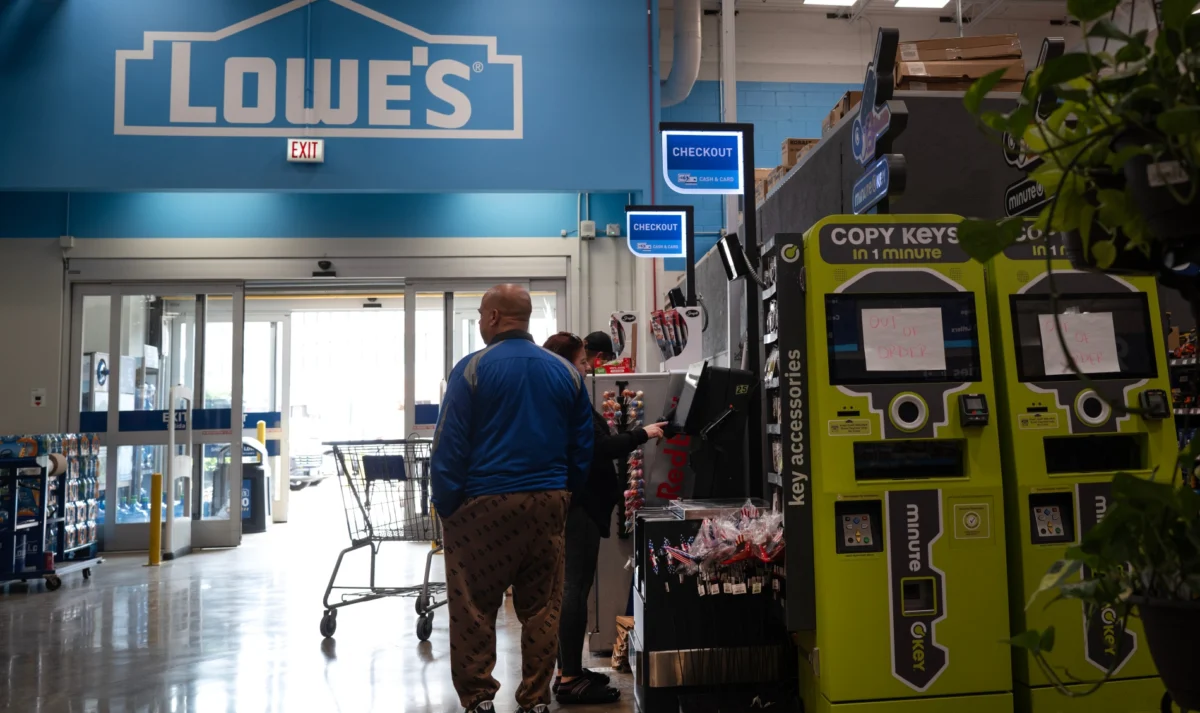
In a significant pivot for the home improvement retail sector, Lowe’s Companies, Inc. has announced a bold evolution of its engagement strategy with the digital creator economy. The retailer is launching “Lowe’s Creator: Into the Blue,” a comprehensive program designed to transition influencers from mere promotional partners to actual product developers. By merging its existing Creator Network with its “Into the Blue” business incubator, the home improvement giant is effectively turning its retail shelves into a launchpad for the next generation of entrepreneurial content creators.
The Main Facts: Bridging the Gap Between Influencer and Maker
At its core, “Lowe’s Creator: Into the Blue” is a high-stakes initiative that invites members of the Lowe’s Creator Network to pitch original product concepts directly to the company’s internal product design and development teams. Unlike traditional brand partnerships, where influencers are paid to showcase existing inventory, this program offers creators a seat at the table in the product lifecycle.
Participating creators will have the opportunity to propose projects ranging from refinements of existing merchandise to entirely new, proprietary product lines. The goal is clear: to leverage the specialized knowledge, design aesthetic, and consumer feedback loops that creators have built within their respective niches—be it DIY home repair, interior design, or sustainable living—to create products that are primed for retail success.
For those who succeed in their pitches, the reward is significant: the potential for national retail distribution. Successful products will move from digital concepts to physical items sitting on shelves alongside industry-leading brands, including the wildly popular MrBeast Lab Swarms toy line.
A Chronological Evolution: From Curation to Creation
The journey to this program has been a deliberate, multi-year strategy by Lowe’s to understand and monetize the influence of the YouTube and social media creator communities.
- 2022: The Initial Outreach. Lowe’s first made waves by partnering with lifestyle influencer Jenn Im. This collaboration, which saw Im curating unique home décor looks from the company’s “Origin 21” line, proved that influencers could move the needle on product perception. It established the proof-of-concept that a creator’s aesthetic could influence mainstream consumer habits.
- 2025: Establishing the Network. Recognizing that one-off partnerships were insufficient, Lowe’s launched the dedicated “Lowe’s Creator Network.” This platform formalized the company’s relationship with content creators, providing them with resources and consistent access to brand materials.
- 2025–2026: The MrBeast Synergy. The partnership with Jimmy Donaldson, known globally as MrBeast, signaled a shift toward product-centric collaborations. The “MrBeast Lab Swarms” initiative, which included in-store workshops where children could assemble build kits, demonstrated that Lowe’s was comfortable integrating external brands and creator-led IPs into its retail experience.
- June 2026: The Launch of "Into the Blue." With the announcement of the new program, Lowe’s has officially moved into the final phase of its strategy: co-creation. By combining its supply chain and design expertise with the creative ingenuity of the influencer class, Lowe’s is essentially decentralizing its R&D department.
Supporting Data: Why the Creator Economy Matters to Retail
The home improvement industry has historically relied on established manufacturers like DeWalt, Craftsman, or Kohler. However, the rise of the "prosumer" and the DIY enthusiast has shifted the landscape. According to recent industry trends, consumers are increasingly turning to TikTok, Instagram, and YouTube for home renovation advice, effectively making these creators the new "experts" in the space.
Data from the creator economy indicates that influencer-backed brands often see higher engagement rates and lower customer acquisition costs compared to traditional marketing. By formalizing a pipeline that allows these creators to sell their own products, Lowe’s is capitalizing on three key metrics:
- Trust Equity: Creators have spent years building a rapport with their audience. When a creator launches a product, their followers perceive it as an endorsement of quality.
- Agility: Traditional retail product cycles can take 18–24 months. By collaborating with agile creators who are already identifying real-time consumer pain points, Lowe’s can potentially shorten the feedback loop and bring relevant products to market faster.
- Community Loyalty: By giving creators a stake in the business, Lowe’s ensures that these partners are incentivized to promote their products authentically, creating a self-sustaining marketing cycle.
Official Responses: Aligning the Vision
The leadership at Lowe’s has been vocal about the strategic necessity of this move. Jen Wilson, Senior Vice President and Chief Marketing Officer at Lowe’s, described the program as the "next evolution" of the company’s strategy.
"Creators today are evolving their ideas and audiences into businesses, brands, and products," Wilson noted in a June 2026 press statement. "Through Lowe’s Creator Network, we’ve helped creators grow through content and curation, and we took it a step further with MrBeast by expanding the collaboration into creation… Lowe’s Creator: Into the Blue allows us to help more creators move into creation and turn their ideas into products and scalable businesses."
The message is one of empowerment. Lowe’s is positioning itself not just as a store, but as an incubator. They are offering the structural support—supply chain, logistics, and retail floor space—that individual creators, regardless of their social media following, would struggle to build on their own.
Implications for the Future of Retail
The implications of “Lowe’s Creator: Into the Blue” are far-reaching, both for the retail sector and for the future of the creator economy.
1. The Rise of the Creator-Entrepreneur
For years, the career path for an influencer was limited to brand deals, affiliate marketing, and merchandise. This partnership signals a shift where creators are now entering the realm of high-level business partnerships. If this program succeeds, it could set a new industry standard where retailers compete to attract top-tier creative talent to their "incubator" programs.
2. Retail as a Destination for Innovation
By integrating with the creator community, Lowe’s is ensuring that its shelves remain relevant to younger demographics who might otherwise prioritize online-only marketplaces. If a customer can find a specialized tool or unique home item created by their favorite YouTuber at their local Lowe’s, the brick-and-mortar store becomes a destination for discovery rather than just a warehouse for staples.
3. Competition in the Industry
Lowe’s is not the only player looking at this space. Competitors like The Home Depot have also been aggressively pursuing creator-led strategies, such as recent collaborations with high-profile personalities like Dude Perfect. The race is now on to see which retailer can provide the most robust infrastructure for creators to scale their brands.
4. A Shift in Product Quality Control
While the prospect of creator-designed products is exciting, it also introduces challenges regarding quality control and brand alignment. Lowe’s must ensure that the products emerging from these collaborations meet the rigorous standards expected by professional contractors and serious DIYers. The success of the program will hinge on the company’s ability to balance "viral" potential with industrial-grade durability.
How to Participate: A New Path for Creators
For those creators interested in the program, the barrier to entry is both high and accessible. Interested parties must apply through the official Lowe’s website. The selection process will likely favor those who have demonstrated a long-term commitment to their craft, have a proven track record of audience engagement, and can provide a clear, business-focused pitch for how their product solves a specific home improvement problem.
The "Into the Blue" program is not merely a contest; it is a serious business pitch. Successful applicants will work closely with Lowe’s product development teams, essentially acting as product managers. This is an unprecedented opportunity for creators to move from the digital screen to the physical shelf, potentially changing the face of the home improvement industry in the process.
Conclusion
Lowe’s move to bridge the gap between social media influence and retail product development is a masterclass in modern corporate strategy. By recognizing that the most innovative ideas in home improvement are now being generated in comment sections and YouTube studios, the retailer is ensuring its own future growth. As “Lowe’s Creator: Into the Blue” begins to roll out, the retail world will be watching closely to see if this marriage of digital influence and physical commerce can truly redefine the shopping experience. For the creators involved, the sky is the limit—provided they can translate their online engagement into real-world utility.

