

By Ford James
Published Sept. 15, 2026, 2:20 PM EDT
Main Facts: The Tone-Gouging Dichotomy of Marvel’s Wolverine
Insomniac Games has officially broken away from the PG-friendly confines of its critically acclaimed Spider-Man franchise. Released on September 15, 2026, for the PlayStation 5, Marvel’s Wolverine plunges players directly into a much darker, blood-soaked corner of the Marvel Universe. Swapping the acrobatic web-slinging of Peter Parker and Miles Morales for the raw, unbridled brutality of James "Logan" Howlett, the 20-hour linear action-adventure relies heavily on a moody, solemn atmosphere. Logan spends the campaign driving his foot-long adamantium claws deep into the viscera of countless adversaries, painting moody cinematic environments with arterial spray.
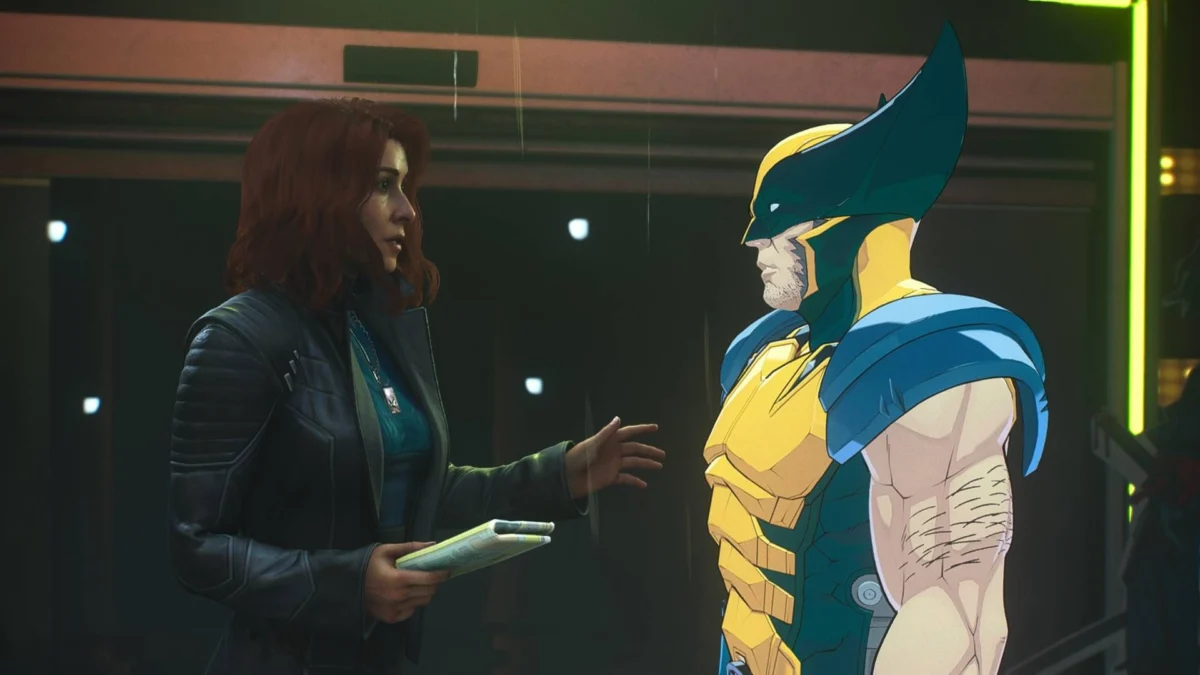
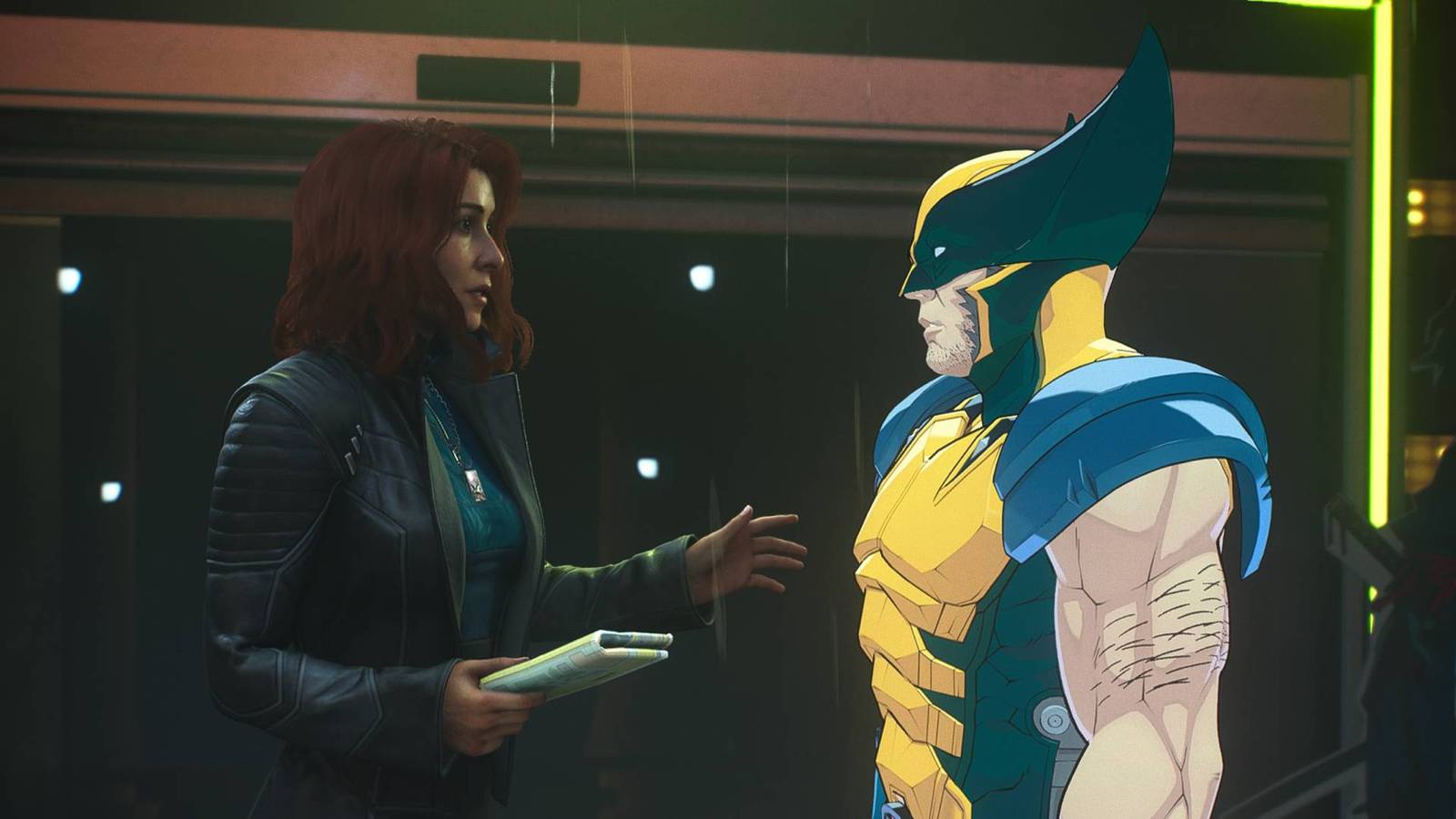
Yet, amidst the visceral horror of Logan’s inner demons and psychological torment, Insomniac has included a suite of unlockable cosmetic items. Among them are the Marvel Tokon: Fighting Souls and Animated suits—cel-shaded, cartoonish outfits that look strikingly out of place. While these outfits feature bold, bright aesthetics that function as neat Easter eggs in isolation, they fundamentally shatter the emotional gravity of the game’s dramatic narrative moments, creating a jarring juxtaposition that leaves players laughing during scenes meant to break their hearts.
Chronology: The Evolution of Insomniac’s Marvel Universe and the Backlash
To understand the controversy surrounding these alternate costumes, it helps to trace the timeline of Insomniac Games’ trajectory with Sony Interactive Entertainment:
- September 2018: Insomniac launches Marvel’s Spider-Man on the PlayStation 4, establishing a blueprint for accessible superhero blockbusters characterized by witty banter, open-world exploration, and PG-13 violence where foes are safely webbed up or knocked unconscious.
- November 2020: The studio expands its superhero portfolio with Marvel’s Spider-Man: Miles Morales, further cementing its mastery of open-world urban playgrounds and lighthearted, comic-book-accurate suit variants.
- September 2023: Marvel’s Spider-Man 2 hits shelves, continuing the trend of blending comic book homage with cinematic spectacle. Cel-shaded and stylized suits are once again met with universal acclaim from fans who enjoy dressing up their friendly neighborhood heroes in vibrant, retro aesthetics.
- September 15, 2026: Marvel’s Wolverine launches globally on PlayStation 5. Eschewing the open-world format of its predecessors, the game opts for a tightly paced, linear narrative structure. Reviews immediately highlight a mix of praise for its combat and storytelling, alongside criticism regarding heavy-handed navigation aids and quick-time events (QTEs). Concurrently, players begin unlocking the game’s wardrobe—leading to widespread social media discourse regarding the inclusion of the Marvel Tokon and Animated suits.
- September 16, 2026: Following rapid community feedback and meme circulation, editors update the headline of initial reviews to better encapsulate the community’s disbelief regarding how poorly the cartoon aesthetics mesh with the game’s graphic violence.
Supporting Data: Narrative Mismatch and Player Feedback
The disconnect between the cosmetic options and the core gameplay loop of Marvel’s Wolverine goes beyond mere visual preferences; it actively disrupts the emotional architecture carefully constructed by Insomniac’s writing team.
The Weight of the Narrative
Unlike the optimistic, mentoring dynamic found in the Spider-Man series, Marvel’s Wolverine focuses heavily on Logan’s internal struggle. The narrative centers on a protagonist fighting his own mind, wrestling with a long-forgotten past he wants nothing to do with, and trying to rein in a bloodlust that threatens to turn him into an unbridled, unthinking killing machine.

The Clashing Cinematic Moments
Players who immediately craft and equip the Marvel Tokon: Fighting Souls or Animated suits upon unlocking them quickly realize the aesthetic choice backfires during dramatic set-pieces:
- The Tokyo Breakup: Shortly after unlocking the Tokon suit, players experience a tense, emotional fallout between Logan and Jean Grey (who serves as his primary love interest) on the neon-lit, moody streets of Tokyo. Against the solemn, rain-slicked lighting and raw voice acting, a bright, cel-shaded Wolverine looks utterly absurd, rendering a gut-wrenching dramatic beat borderline comical.
- Nightmarish Episodes: Later in the campaign, Logan nearly stabs Jean during a PTSD-induced hallucination. Watching a brightly outlined cartoon character experience a psychological breakdown strips the scene of its horror.
- Tragic Confrontations: The dissonance peaks when Wolverine is forced to put down his long-time friend and fellow mutant, Walter Langkowski (Sasquatch). Facing down an old comrade in a pool of blood while clad in a Saturday-morning-cartoon outfit shatters any semblance of immersion.
Official Responses and Developer Intent
Insomniac Games has long championed player choice and fan service, offering a vast array of comic-inspired suits in their previous titles as a love letter to decades of Marvel history. In Spider-Man, where the source material naturally accommodates whimsical alternate realities and cartoon shaders, these options were a roaring success.
However, the studio’s transition into more mature, M-rated territory with Wolverine appears to have caught developers—and players—in a transitional design philosophy. While the inclusion of these suits is entirely optional (players are never forced to craft or equip them), their mere presence in the wardrobe menu highlights a broader debate in modern game design: Should developers prioritize absolute creative freedom and fans’ desire for silly customization, or should they curate a strict artistic vision to protect the narrative integrity of mature titles?
To date, Insomniac has not issued a patch to alter or restrict the suits, maintaining that optional cosmetics should remain purely in the hands of the player. Critics and fans alike, however, remain divided on whether giving players the option to ruin their own cinematic experience is a feature or a flaw.
Implications: What Wolverine Means for the Future of Mature Superhero Games
The controversy over Marvel’s Wolverine’s cartoon suits carries significant implications for the future of adult-oriented comic book adaptations in video games:
- Redefining Tone in AAA Blockbusters: As developers like Insomniac branch out from family-friendly or general-audience properties into darker, bloodier narratives, traditional "fan service" tropes (such as comedic skins, joke weapons, and retro filters) may require more careful curation. What works for a web-slinging teenager falls flat for a blood-soaked, immortal berserker.
- Player Agency vs. Artistic Integrity: The debate underscores a classic tension in game development. While sandbox freedom is generally praised, visual dissonance can alienate players who invest emotionally in a cinematic story. Future titles may implement dynamic tone locks—restricting certain joke costumes to post-game free-roam modes or New Game Plus runs where narrative stakes are no longer active.
- The Shadow of Spider-Man: Insomniac has firmly established itself as the premier studio for interactive Marvel adaptations. As they continue to build a cohesive universe that reportedly balances multiple heroes of varying tones, maintaining distinct gameplay identities and aesthetic rules for each character will be vital to keeping players immersed in the specific genre of story being told.
Ultimately, while Marvel’s Wolverine succeeds in delivering a brutal, uncompromised look at Logan’s psyche, the ability to dress him up like a Saturday morning cartoon character serves as a humorous—and jarring—reminder that sometimes, giving players what they want isn’t always what the game needs.

