

By the Gaming Desk
Published: March 2026
Main Facts: Performance Targets and Release Schedule
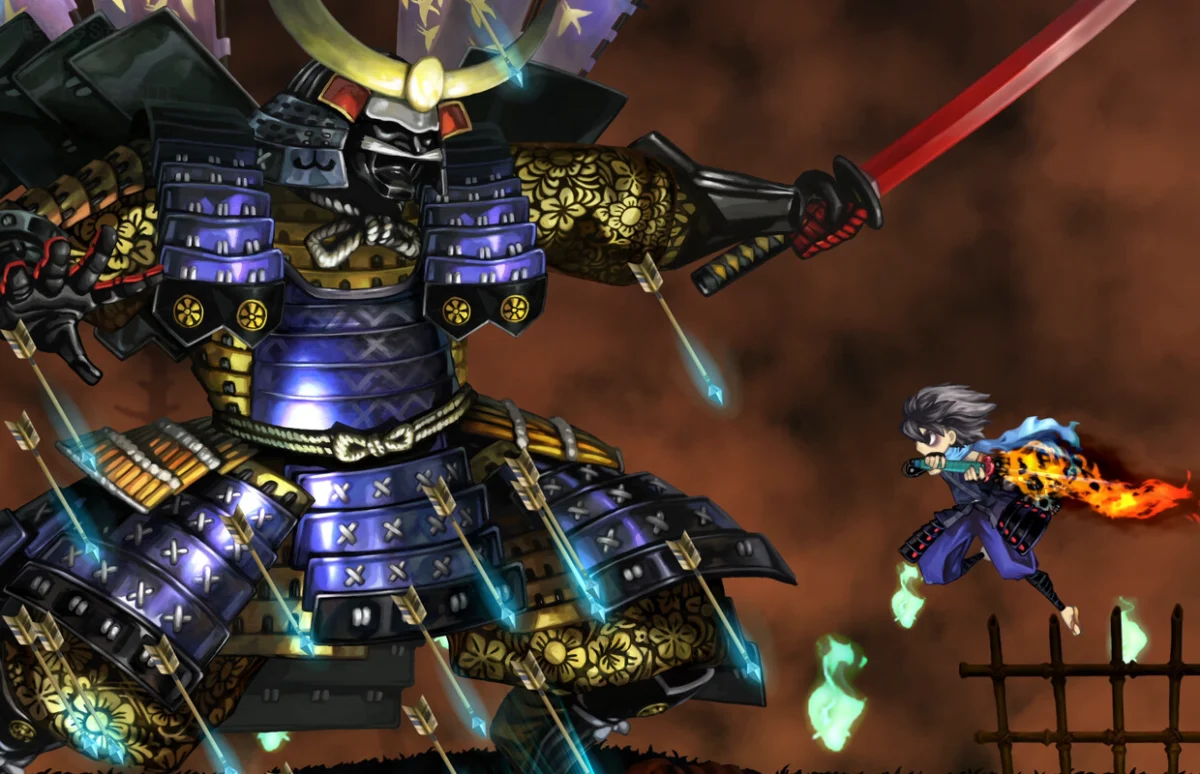
Developer Vanillaware and publisher Marvelous have officially revealed the resolution and frame rate targets for the upcoming action-RPG remaster, Muramasa: Revenant Blades. Following recent announcements regarding the game’s multiplatform launch, updated listings on the official Japanese product page have provided technical clarity for fans eager to see how the beloved 2D hack-and-slash title will scale across contemporary hardware.
According to the newly published specifications, Muramasa: Revenant Blades is targeting pristine visual fidelity and ultra-smooth performance across major console platforms. The performance benchmarks are as follows:
- PlayStation 5: 4K Resolution at 60 Frames Per Second (fps)
- Nintendo Switch 2 (Docked / TV Mode): 4K Resolution at 60 Frames Per Second (fps)
- Nintendo Switch (Original / TV Mode): 1080p Resolution at 60 Frames Per Second (fps)
These targets confirm that both Sony’s current-generation flagship console and Nintendo’s heavily rumored, next-generation successor (referred to in industry listings as the "Switch 2") will achieve native 4K output while maintaining a locked 60 frames per second. Meanwhile, the original Nintendo Switch hardware will comfortably run the game at a crisp 1080p and 60 fps, ensuring that legacy owners are not left behind in the technical dust.
The game is scheduled for a worldwide release on February 4, 2027, and will land on an expansive suite of platforms, including PlayStation 5, Nintendo Switch 2, the original Nintendo Switch, and PC via Steam.
Chronology: The Long Road from Wii and Vita to Modern Platforms
To truly understand the significance of Muramasa: Revenant Blades and its technical targets, one must look back at the tumultuous and fascinating history of George Kamitani’s masterpiece.
The Origins: Muramasa: The Demon Blade (2009)
The journey of this legendary action-RPG began in 2009, when Vanillaware—then rapidly building a reputation for breathtaking, hand-drawn 2D artwork—released Muramasa: The Demon Blade exclusively for the Nintendo Wii. Published by Ignition Entertainment in North America and Marvelous in Japan, the game was widely praised for its fluid combat, metroidvania-style exploration, and deeply researched Japanese folklore narrative set against the backdrop of the Genroku era. However, the original Wii release was constrained by standard-definition hardware, leaving fans yearning for a sharper presentation that could truly do justice to Vanillaware’s intricate, painterly aesthetic.
The Definitive Handheld Edition: Muramasa Rebirth (2013)
That wish was partially granted in 2013 with the release of Muramasa Rebirth for the PlayStation Vita. Handled by Aksys Games in the West and Marvelous in Japan, this enhanced port brought the game into high-definition (for a handheld screen), introduced a smoother 60 fps standard, and expanded the experience with four downloadable content (DLC) character scenarios known as the "Genroku Legends." Despite its critical acclaim, Muramasa Rebirth fell victim to the tragic commercial fate of the PlayStation Vita. For over a decade, the game remained essentially trapped on Sony’s defunct handheld, accessible only to collectors and enthusiasts holding onto aging hardware.
The Modern Resurrection: Muramasa: Revenant Blades (2027)
For years, fans wondered if licensing issues involving Nintendo, Sony, and Marvelous would permanently prevent the game from being re-released. Those fears were finally put to rest when Marvelous announced Muramasa: Revenant Blades. Designed to bring the 2013 Vita classic forward to modern platforms, the project marks a monumental milestone for Vanillaware. Most notably, Revenant Blades represents Vanillaware’s very first release on PC (via Steam) since 2006’s Fantasy Earth Zero—a project developed back when the studio was still operating under the corporate name Puraguru.
With the release date now locked in for February 4, 2027, the reveal of these targeted 4K/60fps metrics marks the next major milestone in a nearly two-decade-long journey for one of the industry’s most visually distinct action titles.
Supporting Data: Technical Breakdown and Platform Scalability
Vanillaware’s artistic style relies heavily on lush, high-resolution hand-drawn sprites, deeply layered parallax scrolling backgrounds, and particle effects that can easily overwhelm lesser hardware if not properly optimized. Achieving a locked 60 frames per second is vital for an action-RPG of this caliber, where split-second parries, rapid sword-switching, and combo execution dictate survival.
The Power of 4K at 60 FPS on PS5 and Switch 2
The confirmation that both the PlayStation 5 and the forthcoming Nintendo Switch 2 will run Muramasa: Revenant Blades at 4K resolution and 60 fps offers a fascinating look into the hardware parity of these systems for 2D titles. While 2D asset scaling is far less demanding on modern GPUs than open-world 3D rendering, handling thousands of ultra-high-definition hand-painted textures simultaneously still requires substantial VRAM and processing bandwidth.
- PlayStation 5: Utilizing the custom AMD Zen 2 CPU and RDNA 2 architecture, the PS5 effortlessly handles the mathematical load of displaying uncompressed 4K assets at 60 fps. For Sony players, this ensures that the rich mythology and vibrant colors of the Genroku underworld will look immaculate on modern 4K OLED televisions.
- Nintendo Switch 2: The inclusion of the Switch 2 in the 4K/60fps tier validates persistent industry rumors regarding the technical capabilities of Nintendo’s next-generation console. When docked, the system appears to possess enough graphical horsepower to match contemporary home consoles in handling optimized 2D remasters, ensuring that Nintendo loyalists do not experience a visual downgrade compared to their PlayStation-owning peers.
The Legacy Handheld Experience
For players sticking with the original Nintendo Switch, the target of 1080p at 60 fps ensures that the game will still perform impeccably. Because the original Switch hardware was built around mobile architecture (the NVIDIA Tegra X1), hitting a native 1080p resolution while locking the frame rate to 60 fps guarantees a buttery-smooth experience that surpasses the original PlayStation Vita version in both resolution and display crispness.
Official Responses and Industry Context
The announcement of Muramasa: Revenant Blades and its accompanying performance specifications has generated immense excitement across the global gaming community. Vanillaware, led by veteran game director George Kamitani, has earned a fiercely loyal fanbase through subsequent masterworks like Dragon’s Crown, Odin Sphere: Leifthrasir, and 13 Sentinels: Aegis Rim.
In statements released alongside the upcoming port’s initial reveals, representatives from Marvelous emphasized that Revenant Blades is not a simple, bare-minimum port. In addition to visual upgrades, the game includes refined balancing, added modes, and integrated content from the original Genroku Legends expansions, ensuring that both newcomers and returning veterans have plenty of new material to explore.
Furthermore, the decision to launch on Steam represents a watershed moment for PC-based JRPG and action enthusiasts. For nearly twenty years, PC gamers have watched from the sidelines as Vanillaware partnered exclusively with console manufacturers. Bringing Muramasa to Steam opens the floodgates for modding potential, ultra-wide monitor support, and infinite backwards compatibility—a massive win for preservationists who argue against the digital obsolescence of classic titles.
Implications: Game Preservation and the Future of Vanillaware
The rollout of Muramasa: Revenant Blades carries deep implications for the broader video game industry, touching upon crucial themes of game preservation, multiplatform accessibility, and the evolving relationship between independent studios and major publishers.
Combating Digital Obsolescence
For over a decade, Muramasa Rebirth was frequently cited by preservationists as a prime example of software trapped in hardware purgatory. With the PlayStation Store for the Vita long past its operational prime and physical cartridges commanding exorbitant prices on the secondhand market, experiencing the game legally and affordably was becoming nearly impossible.
By bringing the game to PS5, Nintendo Switch, the upcoming Switch 2, and PC, Marvelous and Vanillaware are setting a gold standard for retro-modern preservation. Gamers will no longer need to hunt down aging hardware or rely on emulation to experience one of the 2010s’ defining action-RPG masterpieces.
Vanillaware’s Expansion into the PC Market
The most far-reaching commercial implication of this release is Vanillaware’s official return to the PC market. Historically, the studio has cited resource limitations and structural preferences as reasons for avoiding PC development. However, the PC market has grown exponentially over the last decade, particularly for Japanese action games and visually stunning indie titles.
If Muramasa: Revenant Blades succeeds on Steam—and given the fervent demand for Vanillaware’s catalog, commercial success is almost guaranteed—it could pave the way for PC ports of other classic titles like Odin Sphere and Dragon’s Crown. More importantly, it signals that Vanillaware’s future releases may adopt a simultaneous multiplatform strategy, ensuring that players across all ecosystems can experience their breathtaking artistry on day one.
Looking Ahead to February 2027
As the gaming community counts down the months toward the February 4, 2027 launch date, the clarity provided by Marvelous regarding 4K/60fps performance targets instills confidence in the technical execution of the project. Whether players choose to slay demons in crisp 4K on a PlayStation 5 or a next-generation Nintendo Switch 2, or revisit the action in handheld mode on a legacy Switch, Muramasa: Revenant Blades is shaping up to be the definitive edition of a timeless classic.

