

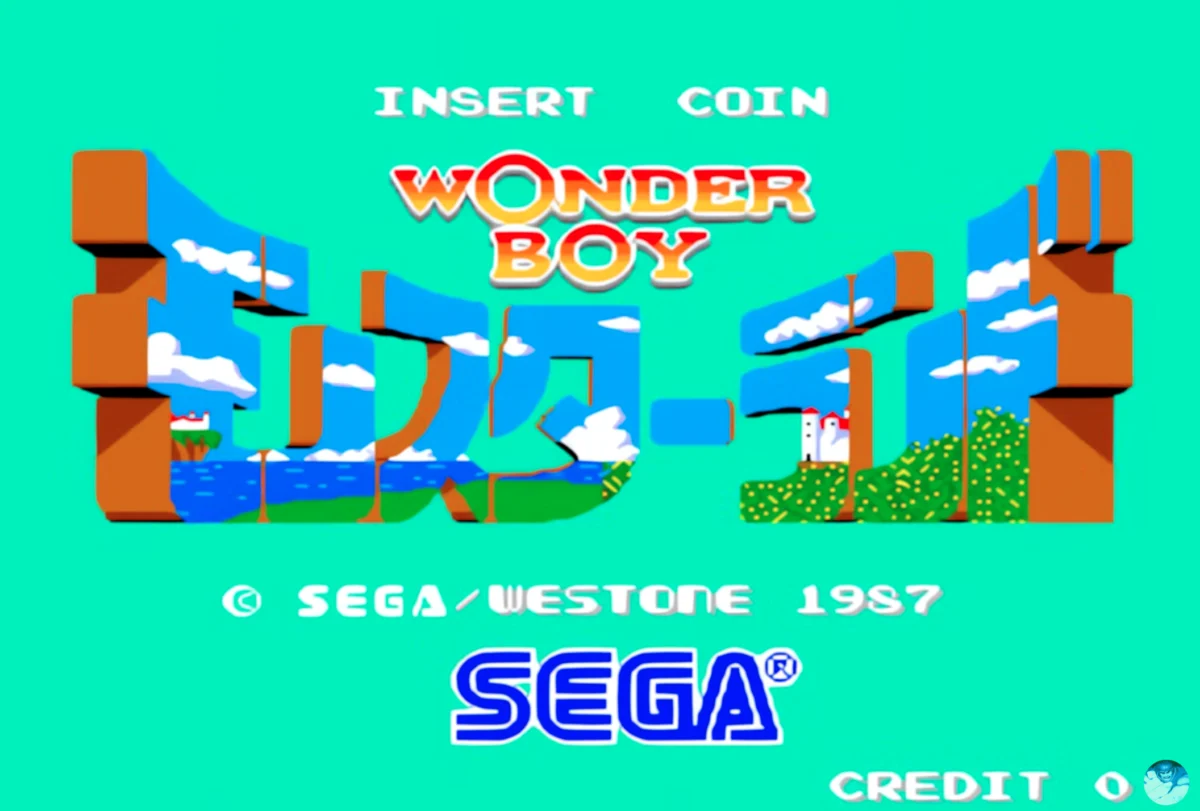
Nearly four decades after its original debut in Japanese arcades, the classic platforming-RPG hybrid Wonder Boy in Monster Land finally appeared to make its long-awaited PC debut on Steam. However, rather than triggering a wave of nostalgia-fueled celebration from the retro gaming community, the September 28 release immediately raised red flags.
Plagued by glaring typos, missing copyright disclosures, and an uncanny resemblance to pre-packaged emulation setups, the listing has unmasked a broader, systemic issue: how easily the murky waters of intellectual property rights can be exploited on modern digital storefronts.
Main Facts: The Unsanctioned Steam Listing
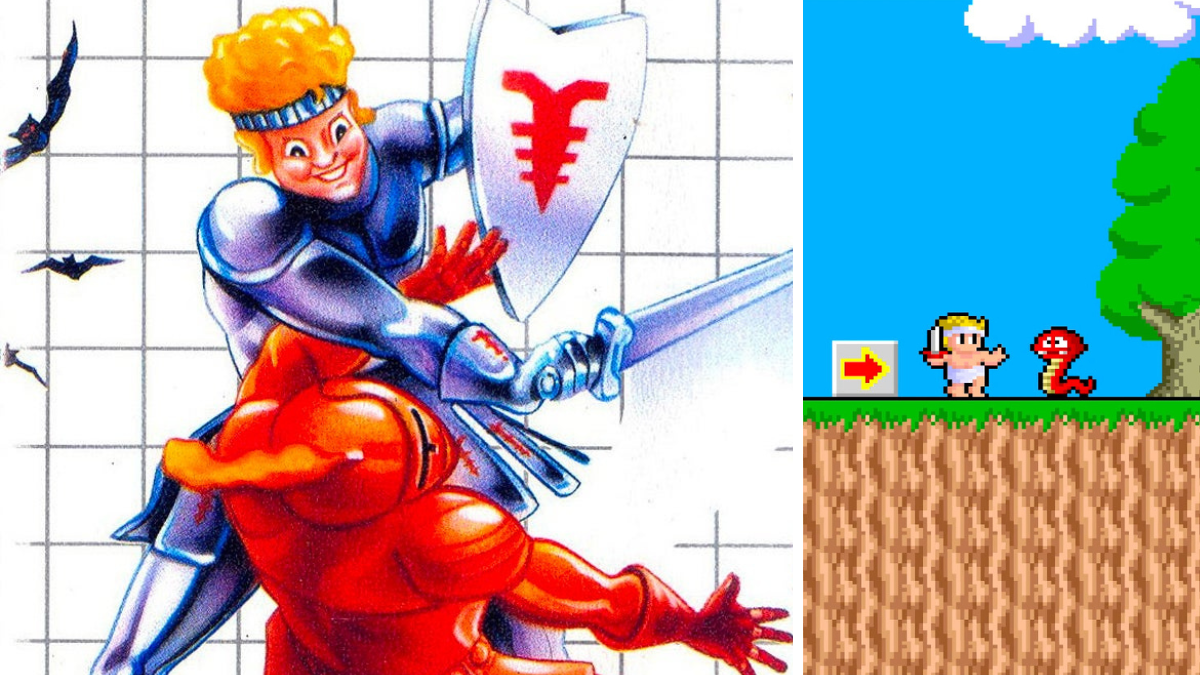
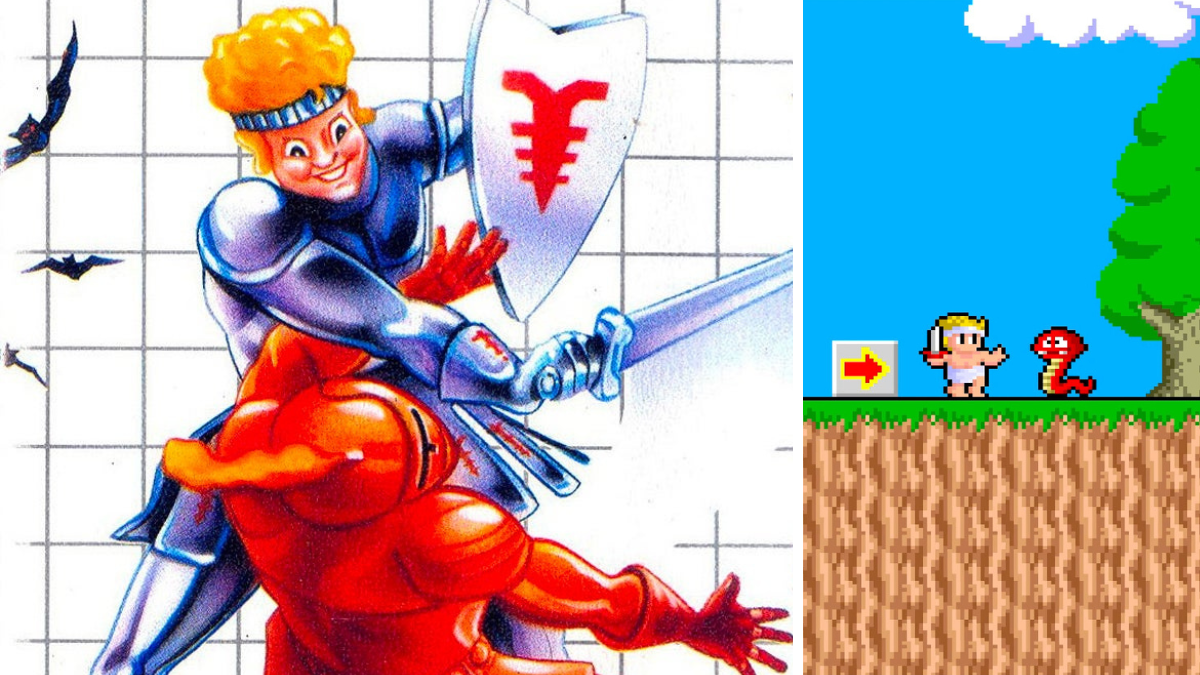
The controversy centers around a Steam store page titled Wonderboy in Monster Land—a subtle yet damning typo, given that the canonical title of Westone Bit Entertainment’s 1987 masterpiece is Wonder Boy (spaced).
Published under the moniker "Retro Maniac," the software package represents the sole other Steam offering from a publisher whose catalog consists entirely of Street Hoop (also known as Street Slam), a 1994 arcade basketball title originally developed by Data East.
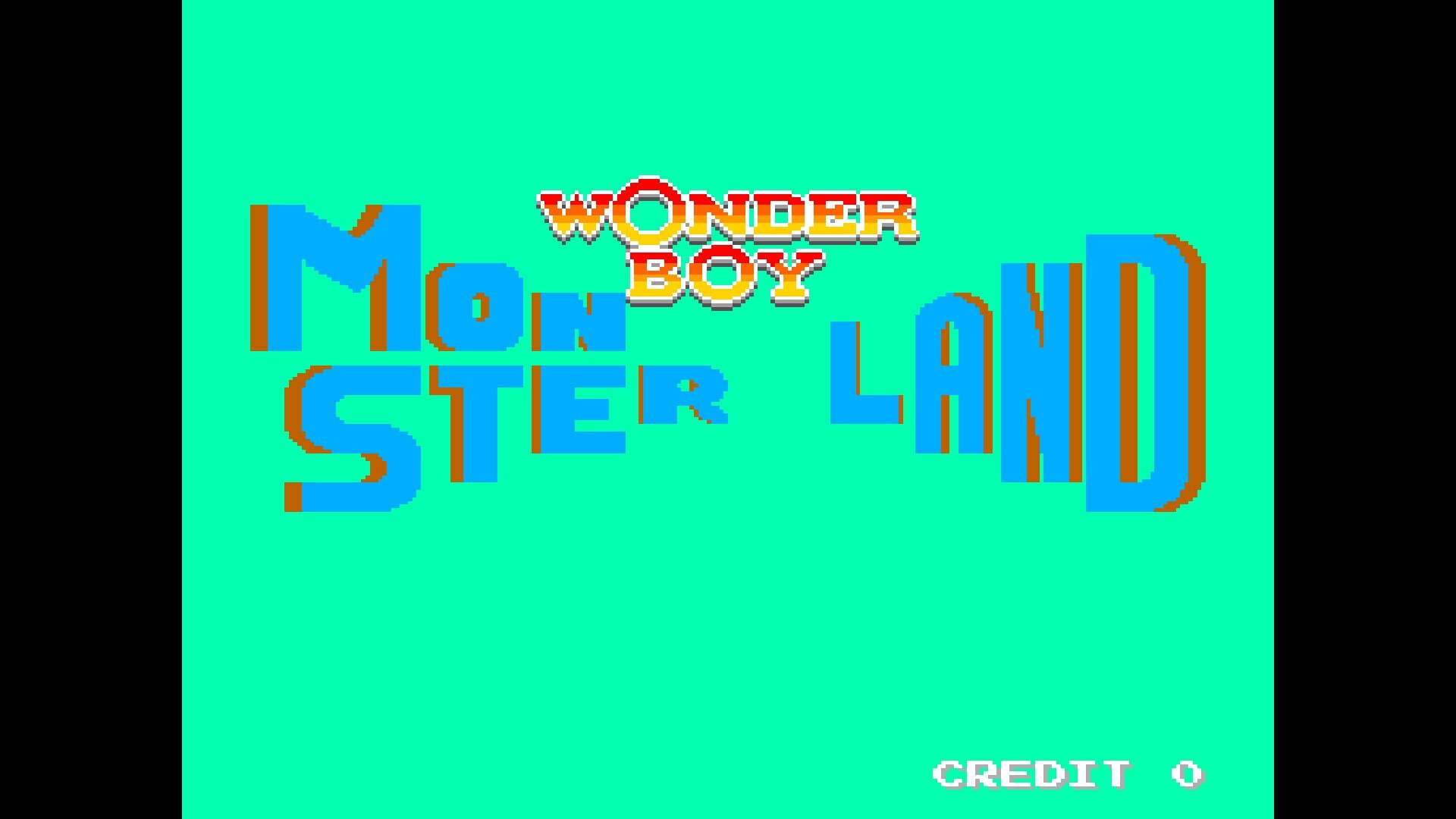
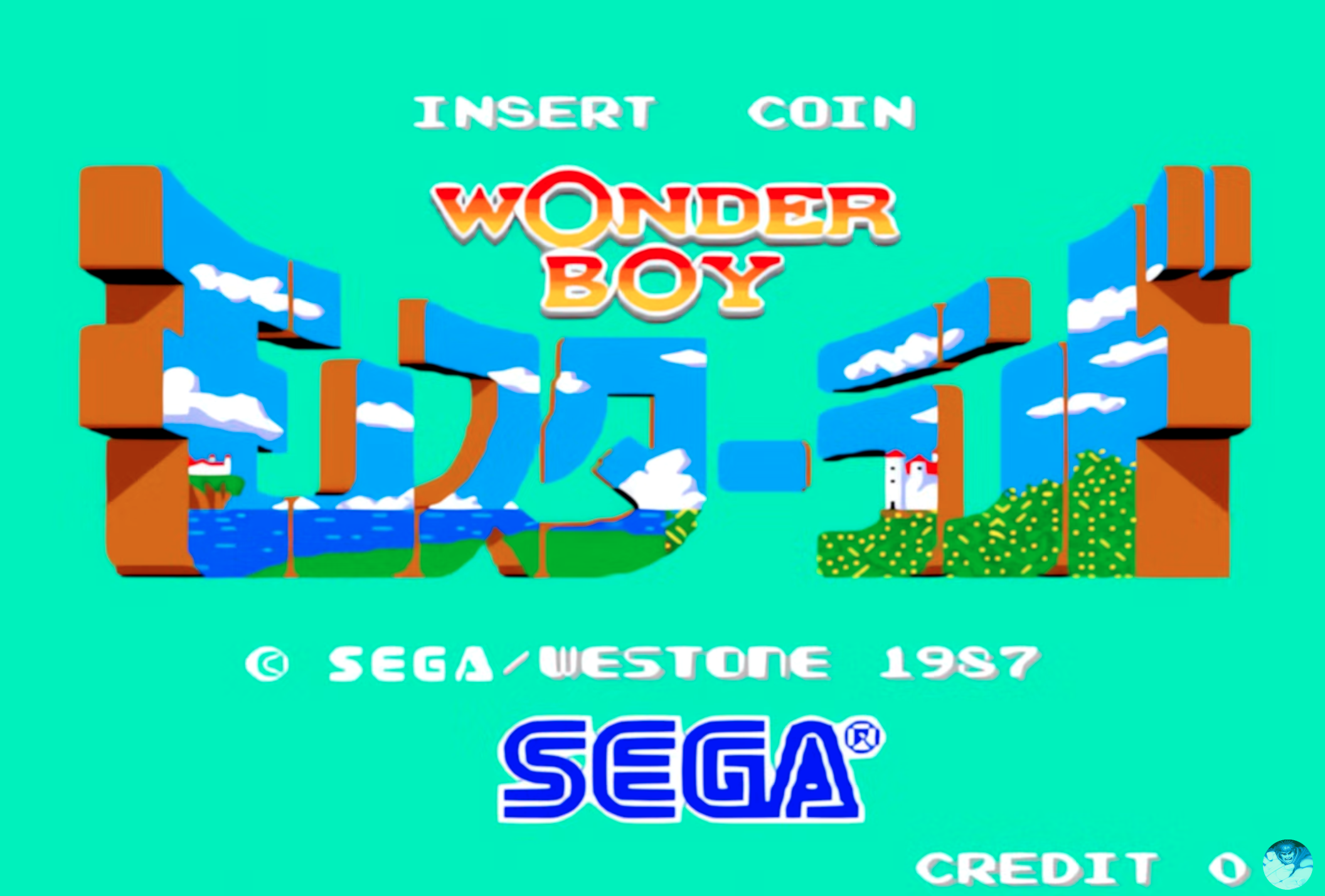
An investigation into the executable reveals that the product is not an official, natively engineered PC port. Instead, it is a barebones arcade ROM running inside the MAME (Multiple Arcade Machine Emulator) environment. The only discernible alteration made by the publisher was the removal of the iconic introductory splash screen bearing the SEGA copyright logo.
Despite operating without official authorization, the game sat unhindered on Valve’s premier digital distribution platform weeks after its initial discovery, racking up thousands of downloads and laying bare the vulnerabilities of Steam’s curation pipelines.
Chronology: How the Unlicensed Port Unraveled
- September 27–28, 2026: The Steam page for Wonderboy in Monster Land goes live, quietly entering the marketplace without traditional press releases, publisher announcements, or promotional fanfare.
- September 28, 2026: The "Wonder Boy Universe" fan-run account on X (formerly Twitter) raises the initial public alarm, pointing out the strange publisher background and the irregular lack of copyright disclosures.
- September 29, 2026: Original Wonder Boy composer Shinichi Sakamoto publicly addresses the listing via social media, confirming its illegitimate nature. Sakamoto notes that the game has already accumulated roughly 10,000 downloads on Steam, though it curiously displays as region-locked ("unavailable in your region") to users accessing the store from Japan. Sakamoto initiates steps to coordinate an official takedown.
- Late September, 2026: Gaming journalists purchase, test, and subsequently request refunds for the title, confirming that the files consist merely of a standard arcade ROM married to an emulator wrapper. Valve and SEGA remain silent as the community waits for formal administrative action.
Supporting Data and Rights Complexities: Why It Happened
To understand how a retro classic owned by major industry entities could be unceremoniously packaged and sold on Steam, one must untangle the convoluted legal history of the Wonder Boy franchise.
The intellectual property rights governing the series are notoriously fractured:
- LAT Corp: Holds the legal ownership of the original intellectual property assets and code once belonging to Westone Bit Entertainment, the visionary studio behind the franchise.
- SEGA: Retains legal ownership of the global trademark for the name "Wonder Boy."
Consequently, releasing an authentic, legally compliant Wonder Boy title bearing its trademarked name requires explicit sign-off from both entities. When publishers cannot secure dual approval, strange anomalies occur. For instance, the critically acclaimed spiritual successor Monster Boy and the Cursed Kingdom (2019) featured heavy involvement from series creator Ryuichi Nishizawa, but because publisher FDG Entertainment failed to secure SEGA’s trademark licensing, the game dropped the iconic moniker entirely.
Conversely, when legitimate ports or remakes do materialize, their legal compliance is explicitly detailed in the fine print. Projects like Wonder Boy Returns Remix (published by CFK Co., Ltd with Nishizawa’s involvement) and Wonder Boy: The Dragon’s Trap (developed by Lizardcube and published by Dotemu) clearly list their official licensing credentials at the bottom of their respective Steam store listings.
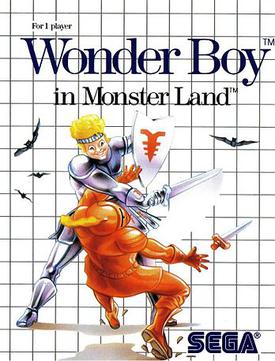
Compounding this confusion is the historical quirk that the original arcade game was marketed as Adventure Island in North America by Hudson Soft, spawning an entirely separate, parallel lineage of releases. Retro Maniac likely banked on this labyrinthine web of ownership, assuming that consumer apathy and administrative gridlock would allow the rogue listing to fly under the radar.
Official Responses and Industry Reactions
As of mid-October, formal corporate responses have been muted. Both Valve and SEGA declined multiple requests for comment regarding the status of the Retro Maniac store page.
However, primary stakeholders have taken matters into their own hands. Shinichi Sakamoto voiced his frustration publicly, noting the absurdity of an unauthorized party profiting off his creative labor while local fans in Japan were blocked from viewing the store page entirely.
┌─────────────────────────┬────────────────────────────────────────────────────────┐
│ Stakeholder             │ Stance / Action Taken                                  │
├─────────────────────────┼────────────────────────────────────────────────────────┤
│ Retro Maniac            │ Publisher of the disputed Steam listing; unresponsive. │
│ Shinichi Sakamoto       │ Original composer; confirmed illegitimacy, pursuing    │
│                         │ removal.                                               │
│ SEGA & LAT Corp         │ Trademark and IP holders; yet to issue a public        │
│                         │ statement.                                             │
│ Valve / Steam           │ Platform host; processing standard review windows for  │
│                         │ copyright complaints.                                  │
└─────────────────────────┴────────────────────────────────────────────────────────┘
According to community sources close to the copyright holders, formal Digital Millennium Copyright Act (DMCA) takedown notices have been initiated. While Valve’s documentation outlines a standard 72-hour turnaround for straightforward DMCA processing, complex multi-party ownership claims frequently stall automated removal protocols, leaving questionable listings active for weeks.
Broader Implications for Digital Storefronts and Abandonware
The Wonder Boy in Monster Land incident highlights a persistent vulnerability within modern PC digital distribution. While mobile storefronts (such as iOS and Android app stores) have long wrestled with low-effort asset flips, copyright infringement, and unauthorized ROM repackaging, platforms like Steam are increasingly becoming targets for bad-faith actors exploiting grey-market definitions of abandonware.
Strictly speaking, Wonder Boy in Monster Land is not abandonware; its rights are actively held by corporate entities. However, because SEGA and LAT Corp have left major gaps in the legal availability of these retro titles on PC—especially following the 2024 delisting of the SEGA Mega Drive and Genesis Classics collection, which housed related titles—a vacuum has formed.
When rights holders fail to provide accessible, official avenues for consumers to purchase classic games, opportunistic operators step in to fill the void. The ease with which an unverified publisher can upload a commercial MAME wrapper to Steam in 2026 serves as a wake-up call. It forces both platform holders and legacy publishers to reevaluate how they police digital catalogs, protect historical works, and satisfy a passionate global community eager to consume retro gaming history legally and ethically.

