

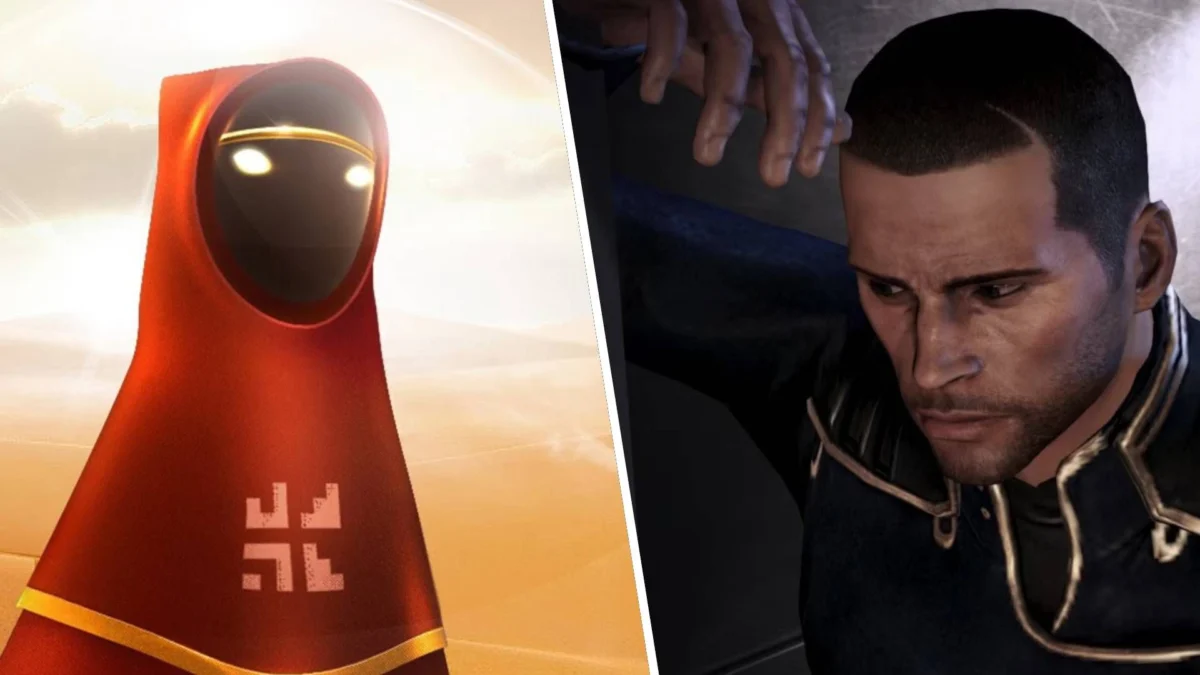
In the world of high-stakes video game development, the auditory landscape is as critical as the narrative arc or the engine that powers it. For the Mass Effect series, music has always served as the emotional backbone, anchoring the vast, cold reach of space with the warmth of human (and alien) sentiment. Recently, acclaimed composer Austin Wintory—famed for his work on Journey, Stray Gods, and Assassin’s Creed: Syndicate—pulled back the curtain on a "what if" scenario that has sent waves through the gaming community. Wintory has unveiled 20 minutes of original, unreleased musical drafts composed specifically as an audition for the upcoming Mass Effect 5 (codenamed Mass Effect: Universe), revealing a sonic direction that fans are already calling a "lost masterpiece."
The Genesis of a Galactic Score
The revelation came via a YouTube upload titled "My Mass Effect 5 early musical drafts," which serves as both a portfolio piece and a bittersweet look at a "white whale" project that ultimately did not come to pass. According to Wintory, he had been in "serious conversation" with both BioWare and Electronic Arts to take the helm of the series’ next musical chapter.
To clarify the nature of this project: this was not a commissioned score that was later discarded, but rather a proactive, elaborate pitch. Wintory aimed to demonstrate his understanding of the Mass Effect DNA by crafting a suite of music that felt both nostalgic and forward-thinking. Recorded in Los Angeles with a blend of analog synthesizers, soaring vocals, and a full-scale orchestra, the tracks represent a composer attempting to capture the zeitgeist of a legendary franchise without having access to the game’s actual script.
Chronology of the Pitch
The timeline of this collaboration remains somewhat opaque, as is standard for high-profile industry negotiations. However, the intent behind Wintory’s work is clear. In the early stages of his discussions with the development team, he chose not to wait for a formal brief or story beats. Instead, he opted to "surprise" EA and BioWare with a fully realized production, aiming to prove that he could honor the legacy of the original trilogy while elevating the series to a new aesthetic plateau.
The process involved:
- Conceptualization: Wintory analyzed the original scores by Jack Wall and Sam Hulick, identifying the core tenets of the Mass Effect sound: isolation, wonder, and high-stakes heroism.
- Production: Utilizing a mix of vintage-style analog synths to evoke the 1980s sci-fi aesthetic of the original 2007 title, he wove in orchestral arrangements to add the modern, cinematic scale expected of a triple-A title in the late 2020s.
- The Pitch: These drafts were presented to the decision-makers at BioWare and EA as a potential roadmap for the game’s sonic identity.
While the partnership did not materialize, the existence of these 20 minutes of music provides a fascinating window into how a master composer approaches the daunting task of defining a sequel to a cultural touchstone.
Deconstructing the Sound: A Love Letter to the Trilogy
The most striking element of Wintory’s drafts—most notably in tracks like "The Legacy of Shepard"—is the intentional return to the series’ roots. While subsequent entries in the Mass Effect franchise trended toward more traditional, sweeping orchestral scores, the original 2007 game relied heavily on the distinct, "wobbly" texture of retro-futuristic synths.
Wintory’s philosophy was simple: "My suggestion was to treat the original game’s masterful Jack Wall / Sam Hulick score as a starting point, and to build on it from there with deeper use of physical, analog synths and a more tightly interwoven use of the orchestra."
This approach strikes a chord with long-time fans who have argued that the franchise lost some of its "space-age" identity in later sequels. By prioritizing the synth-heavy, Vangelis-inspired textures of the first game, Wintory’s score feels both intimate and expansive. The track "Hold the Line," for example, showcases his ability to pivot from the ethereal, lonely atmosphere of space exploration to the high-tempo, adrenaline-fueled intensity of combat, proving he had a firm grasp on the rhythm of BioWare’s signature gameplay loops.
Industry Implications and the "Composer-as-Auteur" Model
The release of these tracks raises significant questions about the current state of music in AAA game development. Traditionally, composers are brought on later in the development cycle, working against tight deadlines and rigid narrative requirements. Wintory’s "audition" approach—the proactive, high-effort pitch—suggests a shift toward a more collaborative, creative partnership between developers and composers.
When a composer of Wintory’s stature treats a franchise as a "dream project," the resulting work often transcends functional background music. It becomes a thematic pillar that can actually inform the game’s direction. While BioWare chose a different path for the upcoming title, the public reception of these drafts highlights a recurring theme in the industry: fans are deeply invested in the "sound" of their favorite worlds.
Furthermore, the transparency of sharing these "lost" tracks serves to demystify the industry’s black box. By allowing the public to hear what could have been, Wintory has created a conversation about the creative process that rarely makes it out of the boardroom. It humanizes the development of a massive, multi-million dollar product, reminding players that behind every franchise entry are individual artists struggling to find the right chord to capture a feeling as complex as the Mass Effect universe.
The Legacy of the "What If"
As the gaming community looks forward to the next installment of the Mass Effect series, Wintory’s drafts will likely remain a popular point of reference for what fans want to hear. The tracks represent a successful marriage of the old and the new—a sonic bridge between the grounded, mysterious beginnings of Commander Shepard’s journey and the vast, unwritten future of the franchise.
While the "white whale" escaped in this instance, the 20-minute suite remains a testament to Wintory’s talent and his deep respect for the source material. It is a rare, high-fidelity glimpse into the imagination of a composer at the top of his game, and for those who felt the series lost its way, it is a tantalizing look at a version of Mass Effect 5 that, while never made, is now immortalized in the digital ether.
For now, we are left to wonder how these tracks would have played against the backdrop of a new galaxy, a new crew, and a new threat. As for Wintory, his work continues to set the bar for the industry, proving that even a "rejected" pitch can leave a lasting, haunting impression on the hearts of players. Whether or not these specific sounds ever make it into the final product, the conversation sparked by their release ensures that the expectations for the auditory experience of the next Mass Effect have never been higher.

