

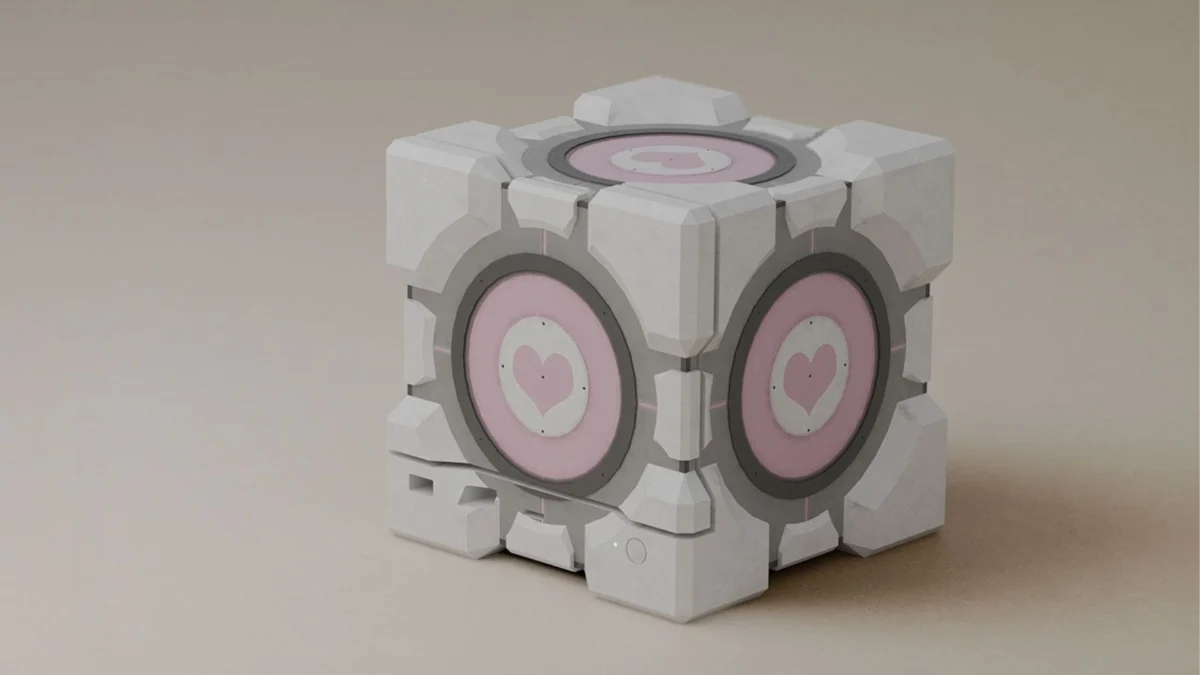
San Francisco, CA – [Current Date] – In a move that surprised few but disappointed many fans, the popular accessory manufacturer Dbrand has ceased sales and initiated refunds for its Steam Machine Companion Cube case. The highly sought-after custom skin, which transformed Valve’s handheld gaming PC into the iconic Weighted Companion Cube from the critically acclaimed Portal 2, was withdrawn after Valve Corporation, the intellectual property (IP) owner, intervened. This incident marks another chapter in Dbrand’s contentious history of leveraging established gaming IPs without prior authorization, raising crucial questions about corporate branding, intellectual property rights, and the increasingly blurred lines in the burgeoning customization market.
The Companion Cube case, priced at $99, quickly became a fan favorite, tapping into the deep nostalgia and affection players hold for Portal 2. Its discontinuation, as revealed by Dbrand’s own statement on Reddit, underscores the immutable legal reality that even the most creative and popular fan-inspired products cannot circumvent copyright law when entering commercial distribution.
The Main Facts: An Unsanctioned Homage Meets Legal Reality
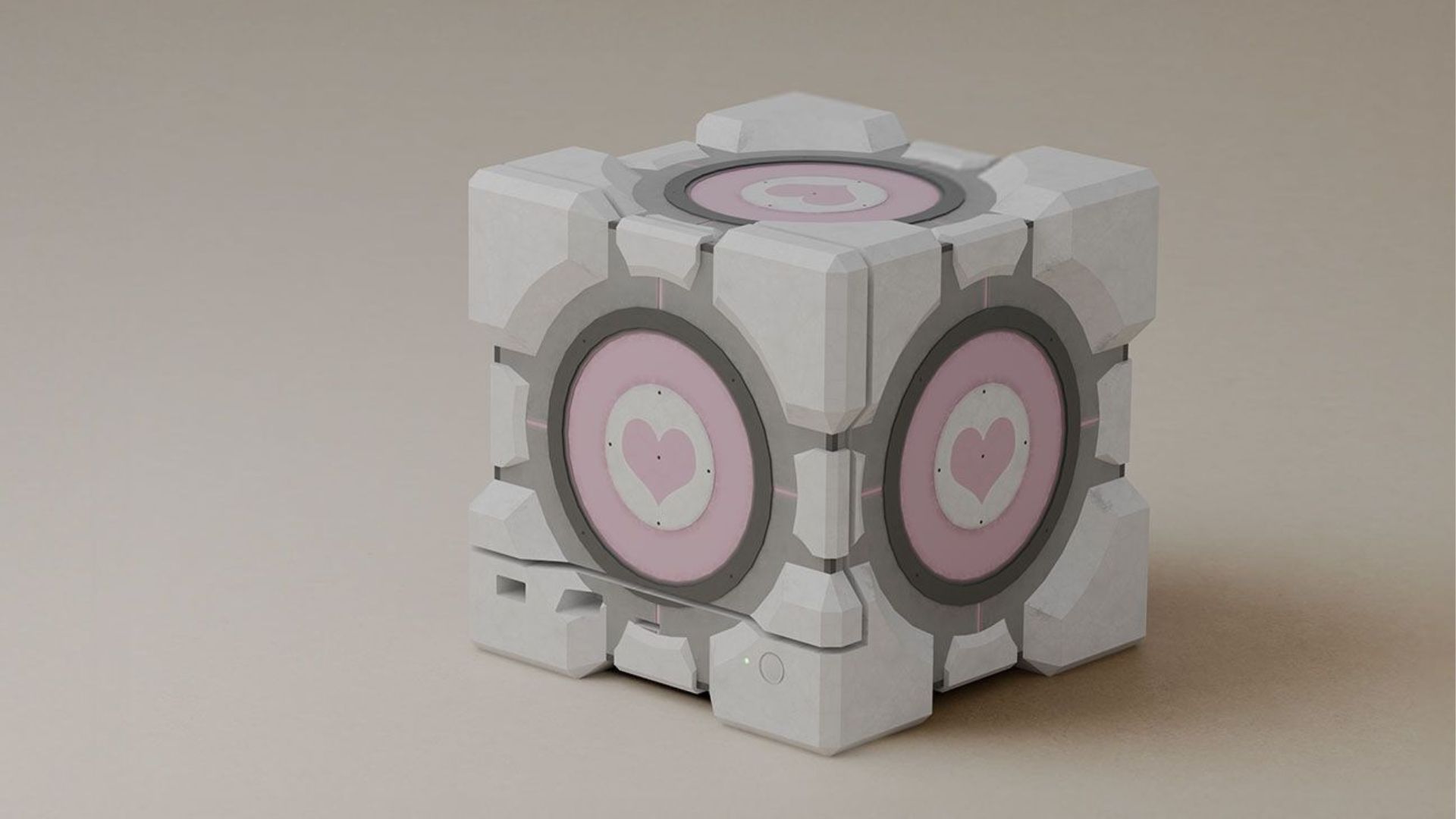
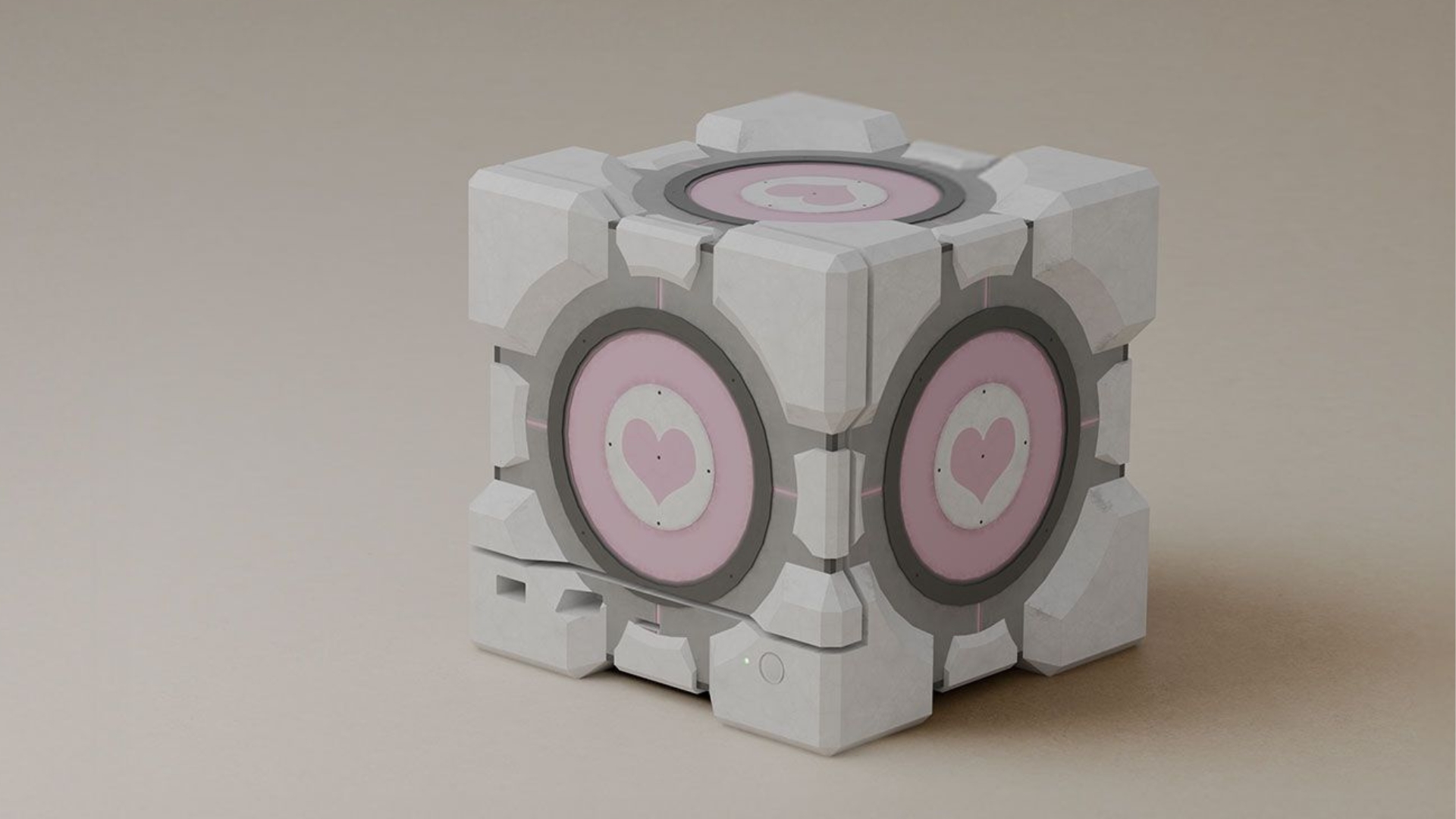
Dbrand, a company known for its audacious marketing and a self-proclaimed disregard for conventional corporate niceties, had been selling the Steam Machine Companion Cube case for an undisclosed period. The product was a direct aesthetic homage to Valve’s intellectual property, featuring the distinctive grey, pink heart, and paneling of the Companion Cube. Crucially, Dbrand had never sought or obtained official permission or a licensing agreement from Valve to utilize their IP for commercial gain.
This oversight, or deliberate gamble, ultimately led to Valve’s legal team contacting Dbrand. According to Dbrand’s public statement, Valve’s communication was "direct, fair, and respectful," yet unequivocal: sales of the infringing product had to cease immediately, and all associated promotional content removed. Dbrand, facing undeniable legal grounds, complied without protest, subsequently initiating a full refund process for all customers who had purchased the case. An attempt by Dbrand to salvage the situation by proposing an official collaboration was reportedly declined by Valve.
The incident highlights a recurring pattern for Dbrand, which has previously engaged in similar disputes with other major gaming entities, including Sony and Nintendo, over unauthorized use of their intellectual properties. While Dbrand’s aggressive, boundary-pushing marketing tactics have cultivated a distinct brand identity and a loyal customer base, they consistently place the company in direct conflict with the legal frameworks designed to protect creators’ rights.
Chronology of a Copyright Clash
The journey of Dbrand’s Companion Cube case, from its initial unveiling to its eventual withdrawal, provides a concise timeline of an IP dispute:
Initial Unveiling and Market Introduction
When the Steam Machine was first introduced to the market, one of its touted features was its potential for aesthetic customization. Capitalizing on this, Dbrand showcased a prototype or concept for a Steam Machine skin that strikingly resembled the Weighted Companion Cube from Portal 2. This concept immediately resonated with the gaming community, especially Portal enthusiasts who appreciated the clever integration of a beloved in-game item into a practical accessory. The initial buzz likely fueled Dbrand’s decision to proceed with its commercial production.
Commercial Sale and Popularity
Following the positive reception, Dbrand began selling the Companion Cube case for $99. The product quickly gained traction, becoming, by Dbrand’s own admission, its second-fastest-selling product ever. This commercial success was a testament to both the enduring appeal of Portal 2 and Dbrand’s effective marketing, which often generates significant hype around its releases. The case offered Steam Machine owners a unique way to personalize their device, transforming it into a recognizable piece of gaming iconography. For many consumers, the question of IP rights likely took a backseat to the desire for a cool, fan-inspired accessory.
Valve’s Intervention
Despite the product’s popularity and Dbrand’s established presence in the accessory market, the commercial exploitation of Valve’s IP without permission could not go unnoticed indefinitely. Valve’s legal department eventually contacted Dbrand. While the exact date of this communication is not publicly known, Dbrand’s statement indicated that Valve’s approach was professional and direct, outlining the infringement and demanding a cessation of sales and removal of all related content. This intervention underscored Valve’s commitment to protecting its intellectual assets.
Dbrand’s Compliance and Public Statement
Upon receiving Valve’s request, Dbrand promptly complied. The company announced the discontinuation of the Companion Cube case through a public statement posted on Reddit, directly addressing its community. In this statement, Dbrand acknowledged Valve’s "direct, fair, and respectful" demeanor throughout the process. The statement also confirmed that all existing orders for the Companion Cube case would be refunded, and the sales page, along with all promotional materials, would be taken down. This swift compliance, while legally necessary, also served to maintain some goodwill with their customer base.
Failed Collaboration Attempt
In a gesture that suggested a recognition of the product’s market appeal, Dbrand extended an offer to Valve for an official collaboration or licensing agreement. Such a partnership would have legitimized the Companion Cube case, allowing Dbrand to continue selling it with Valve’s blessing and likely sharing in the profits. However, Valve reportedly declined this offer, indicating either a preference to avoid association with Dbrand’s brand image, a lack of interest in the product line, or a desire to maintain strict control over its IP without external partnerships for this specific item.
Refund Process and Aftermath
Following the announcement, Dbrand initiated the refund process for all affected customers. This final step closed the chapter on the unauthorized Companion Cube case, leaving many fans to simply appreciate the brief period it was available, while also serving as a stark reminder of the legal boundaries surrounding intellectual property.
Supporting Data: A Pattern of Provocation
Dbrand’s encounter with Valve over the Companion Cube case is far from an isolated incident. The company has, on several occasions, flirted with, or outright crossed, the lines of intellectual property law, often framing these actions as part of its "edgy" corporate persona. Examining these past skirmishes provides crucial context for understanding Dbrand’s business strategy and the broader implications for the accessory market.
The "Darkplates" Saga: A Clash with Sony
Perhaps Dbrand’s most famous IP confrontation involved Sony and its PlayStation 5 console. Shortly after the PS5’s launch, Dbrand began selling custom faceplates, which it boldly marketed as "Darkplates." These faceplates were designed to replace the standard white side panels of the PS5, offering users a sleek, all-black aesthetic that many consumers desired but Sony did not initially provide.
Sony’s response was swift and definitive. The company issued a cease and desist letter to Dbrand, citing trademark infringement related to the design and shape of the faceplates. Initially, Dbrand defiantly challenged Sony, daring them to "sue us." However, after further legal pressure, Dbrand eventually complied, discontinuing the original Darkplates.
The story didn’t end there. Dbrand, ever resourceful, quickly introduced "Darkplates 2.0." These new faceplates featured a slightly altered design, particularly around the "wings" of the console, which Dbrand claimed were sufficiently different to avoid infringing on Sony’s design patents. This strategic pivot demonstrated Dbrand’s willingness to adapt and navigate legal challenges, albeit after a direct confrontation. The Darkplates 2.0 proved successful, illustrating that while directly infringing IP is a no-go, innovating around design patents with original (or sufficiently altered) aesthetics can be a viable path. This case also highlighted the distinction between a generic accessory (like a console faceplate, if sufficiently original) and a direct appropriation of a copyrighted character or logo.
"Clone of the Kingdom": Nintendo’s Unyielding Stance
In stark contrast to the Darkplates’ eventual return, Dbrand’s "Clone of the Kingdom" skins for the Nintendo Switch OLED met a permanent end. These skins were directly inspired by Nintendo’s immensely popular The Legend of Zelda franchise, particularly the Tears of the Kingdom game. The name itself was a barely veiled reference, and the designs featured recognizable elements and iconography from the Zelda universe.
Nintendo is renowned for its aggressive and uncompromising defense of its intellectual property. Unlike Sony, which was primarily concerned with the physical design of its console, Nintendo’s focus was on the explicit use of its highly valuable and protected characters, symbols, and lore. The "Clone of the Kingdom" skins were a clear and undeniable infringement of Nintendo’s copyrights and trademarks.
Predictably, Nintendo issued a cease and desist, and Dbrand was forced to withdraw the skins without any possibility of a revised version. This outcome reinforces the principle that direct appropriation of copyrighted characters, storylines, or unique visual styles from a game franchise is almost always a non-starter without explicit licensing. The creative effort Dbrand put into manufacturing the skins was irrelevant; the underlying design belonged to Nintendo.
The Companion Cube: A Direct IP Violation
The Steam Machine Companion Cube case falls squarely into the category of the "Clone of the Kingdom" rather than the Darkplates. The Companion Cube is a distinctive and highly recognizable element of Valve’s Portal universe. It’s not a generic cube; it’s the Weighted Companion Cube, complete with its specific markings and endearing, yet tragic, association. Dbrand’s product was a direct reproduction of a copyrighted character/object from Valve’s IP.
The company’s own statement implies the case was a significant commercial success, becoming its "second-fastest selling product ever." This financial gain derived directly from Valve’s creative work, further solidifying the grounds for an IP infringement claim. The high sales figures, while beneficial for Dbrand, also made the product more visible and thus more likely to attract the attention of Valve’s legal team.
These instances collectively paint a picture of Dbrand’s operational philosophy: pushing boundaries, testing legal limits, and leveraging popular culture for commercial gain, often without prior permission. While this strategy has generated significant brand recognition and revenue, it consistently places the company in legal jeopardy and has led to the permanent discontinuation of several popular products. It also raises questions about the sustainability of a business model that relies heavily on unauthorized use of third-party intellectual property.
Official Responses: Respectful Enforcement and Missed Opportunities
Dbrand’s official response to Valve’s intervention was delivered through its characteristic blunt and self-aware tone on Reddit. The company confirmed the cessation of sales and the refund process, but what stood out was its description of Valve’s conduct. Dbrand stated that Valve was “direct, fair, and respectful throughout” their interactions. This characterization is noteworthy, particularly when contrasted with the often-perceived aggressive stance of other IP holders like Nintendo. It suggests a professional and measured approach from Valve, focused on resolving the infringement rather than engaging in a drawn-out public battle.
However, the cordiality of Valve’s approach did not translate into a willingness to collaborate. Dbrand publicly acknowledged that it had extended an offer to Valve for an official partnership or licensing agreement, presumably to legitimize the Companion Cube case and continue its successful sales run. Valve, however, turned down this offer. This refusal, while not explained by Valve publicly, could stem from several factors:
- Protecting Brand Image: Valve might be hesitant to officially associate with a company that has a public history of unauthorized IP use and an "edgy" brand persona that might not align with Valve’s own corporate image.
- Maintaining Control: Valve may prefer to keep strict control over its iconic characters and designs, either developing official merchandise themselves or partnering with companies that have a clean record and a more established licensing process.
- Setting Precedent: Entering into a partnership after an infringement has occurred could inadvertently set a problematic precedent, encouraging other companies to infringe first and seek permission later.
- Lack of Strategic Fit: The Companion Cube case, while popular, might not have fit into Valve’s broader merchandising or licensing strategy at the time, or perhaps Valve had other plans for Portal merchandise.
From Valve’s perspective, the action taken was a fundamental responsibility of any IP holder. Allowing unauthorized commercial use of its IP, especially one as iconic as the Companion Cube, could weaken its legal standing in future cases and dilute the value of its brand. By acting decisively, even respectfully, Valve reaffirmed its ownership and control over its intellectual property.
For Dbrand, the missed opportunity for an official collaboration represents a significant commercial and strategic setback. The company itself admitted the Companion Cube case was its "second-fastest selling product ever." Had Dbrand approached Valve proactively for a licensing deal before launching the product, it could have potentially secured a legitimate revenue stream and added a valuable official partnership to its portfolio. Instead, its "ask for forgiveness, not permission" strategy, while generating short-term sales and publicity, ultimately resulted in a permanent cessation of a highly successful product and closed the door on a potentially lucrative collaboration.
Implications: Lessons Learned, Or Not?
The saga of Dbrand’s Companion Cube case carries multiple implications for the company, for Valve, and for the broader ecosystem of third-party accessory manufacturers and consumers.
For Dbrand: The Double-Edged Sword of "Edgy" Branding
Dbrand’s corporate strategy hinges on its distinctive, often provocative, brand voice. Its marketing frequently employs self-deprecating humor, direct addresses to customers, and a general air of irreverence. This approach has undeniably cultivated a strong, loyal following among a segment of tech and gaming enthusiasts who appreciate the company’s anti-establishment stance. It’s a brand that thrives on pushing boundaries, not just in marketing, but seemingly in legal matters as well.
However, the repeated encounters with IP holders like Sony, Nintendo, and now Valve, reveal the inherent limitations and risks of this strategy when it extends to copyright and trademark infringement. While it might generate buzz and short-term sales for unauthorized products, the long-term consequence is the forced withdrawal of popular items, refunds, and potentially tarnished relationships with major industry players. The "machoistic corporate strategy," as the original article terms it, works for viral social media campaigns, but it falters in the face of established legal frameworks.
The fan reaction itself, described as calling the move "comically stupid," indicates a growing awareness among Dbrand’s own audience that these IP gambits are unsustainable and ultimately detrimental. It highlights the fine line between being rebellious and being reckless. The lost opportunity for official collaboration with Valve, especially given the product’s immense popularity, is a stark reminder that a proactive, legally compliant approach can yield far greater and more stable commercial success than a reactive, post-infringement negotiation. For Dbrand, the challenge will be to mature its brand strategy to include responsible IP engagement without losing its unique identity.
For Valve: Upholding Intellectual Property and Setting Precedent
For Valve, the action taken against Dbrand was a necessary and routine part of intellectual property management. IP, encompassing copyrights, trademarks, and patents, is a fundamental asset for any creative company. For a gaming giant like Valve, whose entire business model is built on iconic franchises like Portal, Half-Life, and Dota, protecting these assets is paramount.
Allowing Dbrand to commercially exploit the Companion Cube design without permission could have several negative consequences for Valve:
- Dilution of Brand Value: Unauthorized products can dilute the exclusivity and perceived value of the original IP.
- Loss of Control: Valve loses control over the quality, messaging, and commercial terms associated with its IP when others use it freely.
- Setting a Dangerous Precedent: Failing to enforce IP rights can make it harder to do so in the future. If one company gets away with it, others will be emboldened, leading to a flood of unauthorized merchandise and increased litigation costs.
- Missed Revenue Opportunities: Every unauthorized sale is a potential lost licensing fee or direct sale for Valve.
Valve’s "direct, fair, and respectful" approach, as described by Dbrand, demonstrates that IP enforcement doesn’t always have to be aggressive or litigious. A firm but polite cease and desist can be highly effective. By declining a post-infringement collaboration, Valve also sends a clear message: the correct procedure is to seek permission before commercialization, not after. This reinforces the importance of respecting IP from the outset.
For the Wider Accessory Market: A Clear Reminder
The Dbrand-Valve incident serves as a potent reminder for the entire third-party accessory market. In an era where customization and personalization are highly valued by consumers, the temptation to draw inspiration, or outright copy, from popular culture and established IPs is strong. However, this case, alongside Dbrand’s previous run-ins with Sony and Nintendo, reiterates several critical lessons:
- IP is Paramount: Intellectual property rights are legally protected assets. Commercial entities cannot simply appropriate copyrighted characters, designs, or names, no matter how popular the derivative product might be.
- Proactive Licensing is Key: For accessories directly leveraging established IPs, the only sustainable and legal path is through official licensing agreements. This involves contacting the IP owner, negotiating terms, and obtaining explicit permission before product development and marketing.
- Distinguish Between Inspiration and Infringement: There’s a crucial difference between being inspired by a game’s aesthetic to create an original design and directly reproducing a copyrighted element. The former is generally permissible; the latter is infringement.
- Consumer Protection: While fans might enjoy unauthorized products, their eventual withdrawal and refund processes can be inconvenient, highlighting the instability of such purchases.
The growing ecosystem around devices like the Steam Machine, with its open nature for customization, naturally fosters a vibrant third-party accessory market. However, for this market to thrive sustainably and ethically, accessory makers must operate within the bounds of intellectual property law. Respecting IP not only protects the original creators but also ensures a more stable and trustworthy environment for legitimate businesses and consumers alike. The demise of the Companion Cube case is a firm, if gentle, reminder that even in the wild west of online commerce, the law eventually catches up.

