

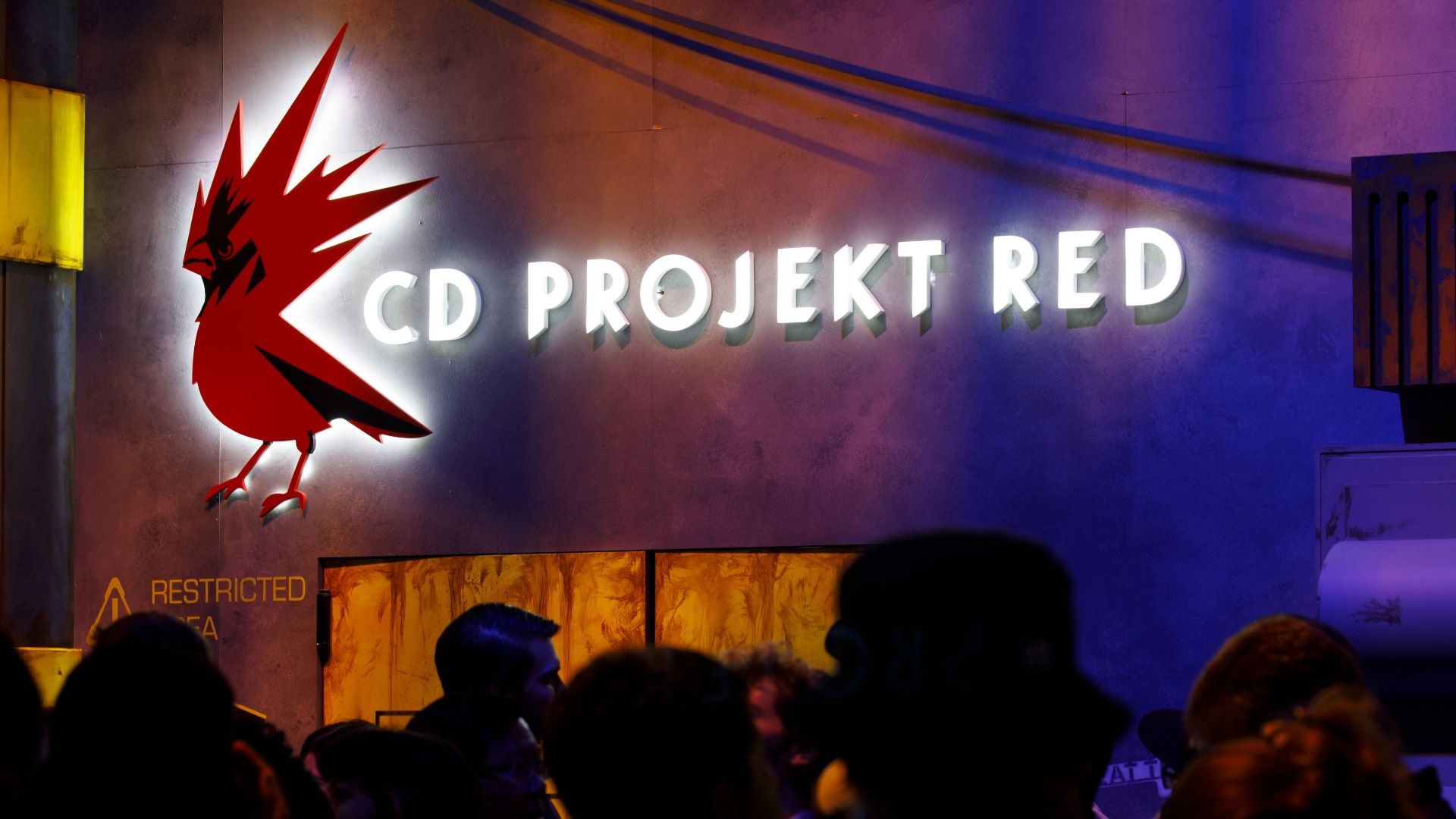
In a move that signals a significant shift in corporate communication and brand architecture, the Polish video game powerhouse CD Projekt has officially announced its intention to rebrand its parent company under the name CD Projekt Red. This strategic pivot, disclosed in recent filings for the upcoming General Meeting of Shareholders, aims to consolidate the organization’s identity, effectively dissolving the distinction between the corporate holding entity and its world-renowned development studio.
For industry analysts and casual fans alike, this change represents more than a mere shift in nomenclature; it is the formal acknowledgement that the studio’s identity has eclipsed that of its parent organization. As the company looks toward its next decade of production—including major entries in The Witcher and Cyberpunk franchises—this rebranding serves to streamline how the global market perceives the developer of some of the most influential RPGs of the 21st century.
A Chronology of Corporate Evolution
To understand the weight of this decision, one must look at the historical separation of the two entities. Historically, "CD Projekt" served as the parent corporation, overseeing the operations of the development studio known as "CD Projekt Red," as well as other subsidiaries like GOG.com.
- 1994–2002: The company began as a video game distributor, importing Western titles into the Polish market. This era established the "CD Projekt" name as a hallmark of retail and distribution success.
- 2002–2007: The founding of the internal development studio, CD Projekt Red, marked a pivotal transition from distributor to creator. The release of The Witcher (2007) served as the studio’s manifesto, signaling to the world that they were no longer just a middleman, but a creative force.
- 2015: The release of The Witcher 3: Wild Hunt cemented the "Red" suffix as the primary brand associated with quality, innovation, and narrative-driven RPGs.
- 2024–2026: Throughout this period, the company faced significant scrutiny following the launch of Cyberpunk 2077 and its subsequent redemption arc. These events forced a massive internal restructuring and a reassessment of how the company presents itself to investors and players.
- 2026: The current proposal for a unified brand identity is the culmination of years of organizational tightening, intended to resolve the lingering confusion between the corporate entity and the creative studio.
Supporting Data: Why Consistency Matters
The management board of CD Projekt has been transparent regarding the motivations behind this change. In the documentation submitted for the upcoming general meeting, the reasoning is clear: "In the opinion of the Management Board, the new company name will ensure full brand consistency and facilitate the identification of the Company with its products on the global market."
From a marketing and investor relations standpoint, the data supports this move. For the average consumer, the "CD Projekt" parent company has often been viewed as a monolithic, perhaps opaque, financial entity, while "CD Projekt Red" is viewed as a creative, community-facing entity. By merging these identities, the company is attempting to leverage the emotional equity of the "Red" brand to bolster its corporate reputation.
Furthermore, in the digital age, brand fragmentation is a liability. When consumers, journalists, and shareholders search for information, the existence of two distinct corporate names creates friction. By unifying under one banner, the company reduces the "search cost" for stakeholders. This is a common strategy in the tech and media sectors, where companies like Meta (formerly Facebook) or Alphabet (the parent of Google) have had to grapple with how their corporate identity aligns with their most recognizable products.
Official Responses and Strategic Rationale
The transition, while seemingly simple on paper, requires a legal and administrative overhaul of the company’s articles of association. The draft resolutions presented by the Management Board indicate that this is not a sudden whim, but a calculated step in a broader long-term strategy.
"Our goal is to ensure that every action we take—from high-level financial decisions to the development of our next major IP—is clearly associated with the brand that our players have come to know and trust," an official spokesperson noted.
While some industry observers initially questioned whether the change would cause confusion, the company appears to believe that the opposite is true. By removing the distinction, they are effectively silencing the "two-entity" problem. The company is leaning into the reality that the studio is the company. There is no version of the CD Projekt parent entity that exists independently of its status as the steward of the Witcher and Cyberpunk properties.
The Implications for Future Development
What does this mean for the future of the company’s development pipeline? As the team shifts its focus toward "Polaris" (the next Witcher game) and the sequel to Cyberpunk 2077 (codenamed "Orion"), the rebranding acts as a psychological reset.
1. Unified Creative Direction
By shedding the, at times, cold "corporate" label, the company is signaling that the creative studio’s values—which emphasize high-budget, narrative-heavy, player-choice-driven experiences—are now the guiding principles for the entire organization. This could lead to more transparent communication between the executive board and the player base, as the "corporate" side of the business attempts to mirror the "studio" side’s commitment to community engagement.
2. Investor Perception
For shareholders, this is a signal of maturity. A company that is confident enough to lean into its most recognizable brand is one that has a clear vision for its future. It minimizes the risk of the "holding company" appearing detached from the products that actually drive its stock value.
3. Talent Acquisition and Retention
In the competitive landscape of triple-A game development, brand prestige is a currency. Top-tier developers are more likely to join a studio with a clear, singular identity than a subsidiary of a faceless conglomerate. By branding the parent company as CD Projekt Red, the firm reaffirms that it is a "developer-first" organization.
4. Market Identification
On the global stage, particularly in North American and Asian markets where CD Projekt has seen massive growth, brand recognition is paramount. The "Red" logo has become a symbol of a specific type of high-fantasy and high-tech experience. Aligning the stock ticker and corporate reports with this visual identity ensures that the brand equity is not diluted by corporate bureaucracy.
The Challenges Ahead
Despite the potential benefits, the company faces the inherent risk of "brand bloat." If every facet of the business—from internal HR policies to financial audits—is filtered through the "Red" brand, the company must work hard to ensure that the quality and "vibe" of their games remain untarnished by corporate challenges.
There is also the matter of legacy. For those who remember the company’s early days as a distributor, the change feels like the final closure of a chapter. However, as the company enters its third decade of existence, it is clear that they are no longer the small distributor from Poland. They are a global titan of interactive entertainment.
Conclusion
The decision to rebrand as CD Projekt Red is a pragmatic, albeit nostalgic-tinged, evolution. It acknowledges that the industry has changed, and that the company has changed with it. While it may take some time for the public, the media, and even the company’s own staff to get used to the lack of distinction between the parent and the studio, the long-term goal is clear: a unified brand, a unified mission, and a clearer path forward for the games that define the studio’s legacy.
As the company continues its work on the next generation of RPGs, they do so under a banner that is now officially, and finally, one and the same. Whether one is looking at a balance sheet or a gameplay trailer, the name is the same. The "Red" identity, once a suffix, has now become the core of the entire operation. For fans, it’s a promise of continued dedication to the stories and worlds that have defined the studio’s success thus far—a promise that, from here on out, is as official as the company name itself.

