

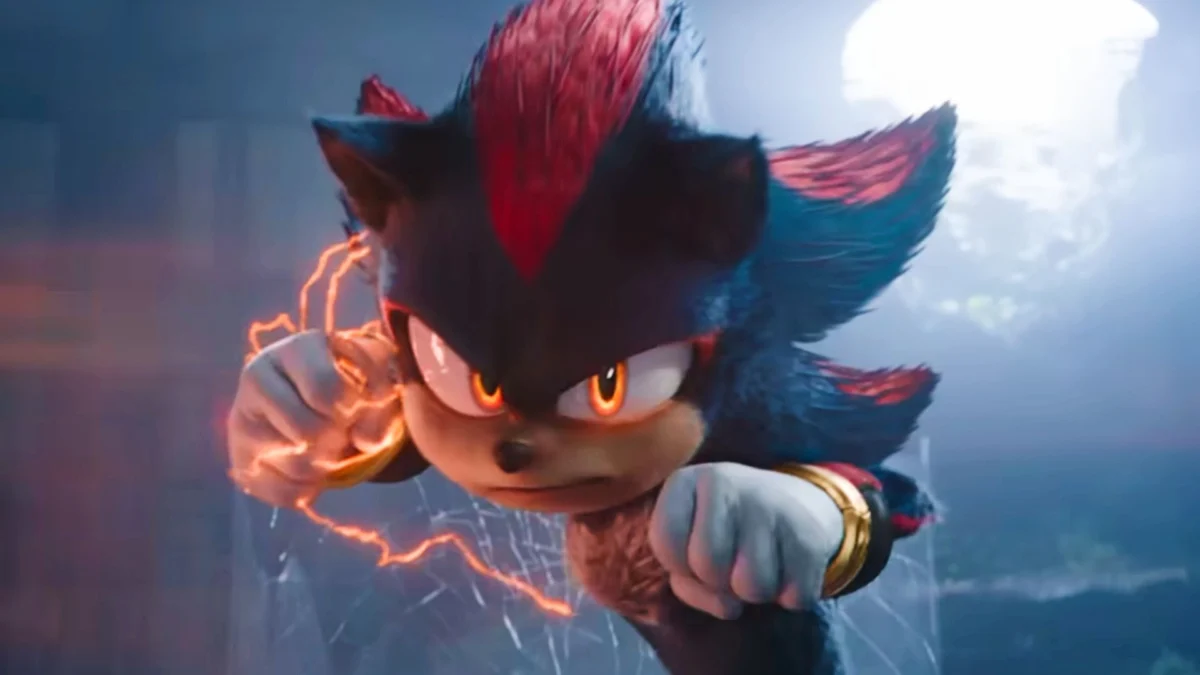
It is nearly impossible to imagine the Sonic the Hedgehog franchise without its brooding, gun-toting, anti-hero counterpart: Shadow the Hedgehog. Serving as Sonic’s ultimate foil—complete with an edgy aesthetic, morally ambiguous motives, and a penchant for heavy artillery—Shadow has firmly entrenched himself as a pillar of modern gaming culture. Yet, the character’s legacy is built entirely on a narrative pivot that was never supposed to happen.
According to recent revelations from Sonic Team head Takashi Iizuka, Shadow was originally designed to be a one-and-done character, slated for a definitive and permanent demise at the conclusion of his debut title.
Main Facts: The Origin and Planned Demise of Sonic’s Ultimate Rival
Introduced during the classic era’s transition into full 3D gameplay, Shadow the Hedgehog made his first appearance in 2001’s critically acclaimed Sonic Adventure 2 for the Sega Dreamcast. Conceived as the "Ultimate Life Form" engineered by Professor Gerald Robotnik, Shadow shared Sonic’s incredible speed while introducing starkly contrasting themes of tragedy, vengeance, and a willingness to use lethal force.
At the emotional climax of Sonic Adventure 2, Shadow seemingly sacrifices himself to save the Earth from a catastrophic collision with the Space Colony ARK, plummeting back toward the planet in a blaze of glory. For the developers at Sonic Team, this was intended to be the final chapter of Shadow’s story. He was created to serve a singular narrative purpose within the confines of the sequel, after which he would quietly fade into gaming history.
However, the character’s profound resonance with players disrupted those plans entirely. The sheer magnitude of Shadow’s reception caught Sega and Sonic Team completely off-guard, forcing the studio to reconsider its rigid narrative trajectory and alter the course of the franchise permanently.
Chronology: From One-Shot Villain to Franchise Staple
To understand how Shadow evolved from a disposable plot device into a multi-media icon, it is essential to trace the historical timeline of his appearances and the pivotal decisions made by Sonic Team:
- 2001 (The Debut): Sonic Adventure 2 launches on the Sega Dreamcast. Shadow is introduced as a mysterious antagonist-turned-reluctant-savior, culminating in an apparent sacrificial death sequence.
- 2003–2004 (The Reconsideration): Overwhelming fan mail, high demand, and intense commercial feedback push Sonic Team to reverse their decision. Recognizing that killing off the character would alienate a massive portion of their newly energized fanbase, development begins on his resurrection.
- 2003 (Anime Debut): Shadow appears in the hit anime series Sonic X, further cementing his mainstream appeal across global markets.
- 2004 (The Return): Shadow officially returns in Sonic Heroes, waking up with amnesia and setting the stage for his own standalone title.
- 2005 (The Solo Venture): Sega releases Shadow the Hedgehog, a polarizing spin-off game that leaned heavily into dark-edged action, firearms, and branching narrative paths, providing answers to his mysterious origins.
- 2010s–Present (Cultural Omnipresence): Shadow transcends mainline platformers, starring in cross-over titles, receiving dedicated expansions like Sonic X Generations, and inspiring a massive subculture of fan-made mods, artwork, and creative adaptations.
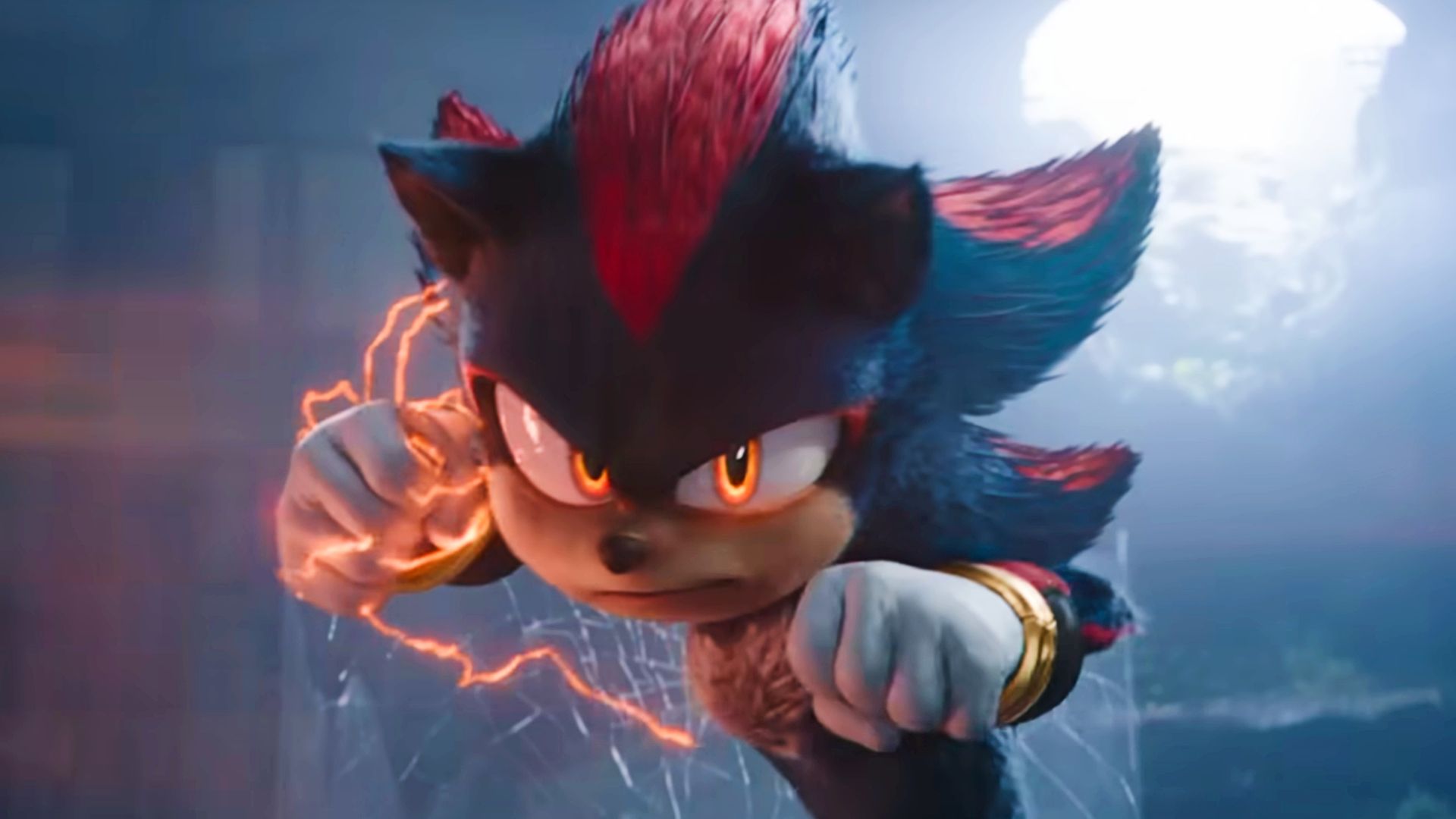
- 2024–2026 (Cinematic Stardom): The character enters mainstream pop culture awareness on a massive scale by joining the silver screen in Sonic the Hedgehog 3, voiced by Hollywood icon Keanu Reeves.
Supporting Data: The Scale of Shadow’s Popularity
While Sonic Team initially underestimated the character’s market longevity, the empirical data surrounding Shadow’s legacy speaks volumes. Within the Sonic canon, Shadow stands alongside Tails and Knuckles as one of the very few characters to anchor a standalone video game.
Furthermore, player engagement metrics across various platforms consistently rank Shadow at or near the top of official and community-voted popularity polls. Sega’s own internal surveys over the decades have repeatedly highlighted the character as a primary driver of merchandise sales, particularly among older demographics who grew up playing the Dreamcast and GameCube eras.
Modding communities have similarly embraced the character with staggering dedication. Projects such as Shadow Mania—a fan-driven mod that reimagines classic 2D pixel-art platforming through the lens of Shadow’s unique mechanics—demonstrate a continuous, grassroots demand for content centered exclusively on the character. His inclusion in modern releases, such as the critically praised Sonic X Shadow Generations, has continually proven that adding Shadow to a title equates to an immediate surge in consumer interest and critical acclaim.
Official Responses: Takashi Iizuka’s Tokyo Game Show Revelations
The definitive confirmation of Shadow’s accidental survival came directly from Sonic Team’s leadership. Speaking at the Tokyo Game Show in an interview with One More Game, series chief Takashi Iizuka pulled back the curtain on the studio’s early 2000s mindset.
"If you have played Sonic Adventure 2, people may know that Shadow basically sort of died at the end of that game," Iizuka explained to attendees. "We were originally intending to just kind of ‘die the character out’ [kill him off], but the character Shadow was just so very popular that we decided to revive him in Sonic Heroes."
Iizuka did not hide his personal bias toward the character either, openly admitting that Shadow is his favorite member of the sprawling Sonic cast. He emphasized that Sonic Team is actively looking for ways to keep Shadow in the spotlight, ensuring that the brooding hedgehog receives robust narrative arcs and gameplay opportunities moving forward. This transparent acknowledgment highlights a rare dynamic in the video game industry: a massive corporate entity genuinely surrendering to the collective will of its fanbase.
Implications: A Lesson in Fan-Driven Game Design
The miraculous survival of Shadow the Hedgehog offers profound implications for how developers approach character creation and narrative rigidity. Had Sega strictly adhered to their original creative vision in 2001, the Sonic franchise would look entirely different today.
By remaining flexible and responsive to the community, Sonic Team inadvertently unlocked one of their most valuable commercial assets. The decision to bring Shadow back set a precedent for how Sega interacts with its fanbase—a philosophy that has extended into the modern era through remarkably lenient fangame policies and a willingness to lean into community-driven memes and desires.
Consider the cinematic landscape of today: the casting of Keanu Reeves as the voice of Shadow in Sonic the Hedgehog 3 is a direct downstream result of the character’s enduring cultural footprint. Reeves famously dove into an intense internal journey to portray the tormented, gun-toting anti-hero, lending high-profile prestige to a character that might otherwise have been a forgotten footnote in a Dreamcast sequel.
Ultimately, Shadow the Hedgehog stands as a testament to the unpredictable power of audience connection. What began as a temporary narrative foil engineered to die on impact became an immortal icon of video game history—all because fans simply refused to let him go.

