

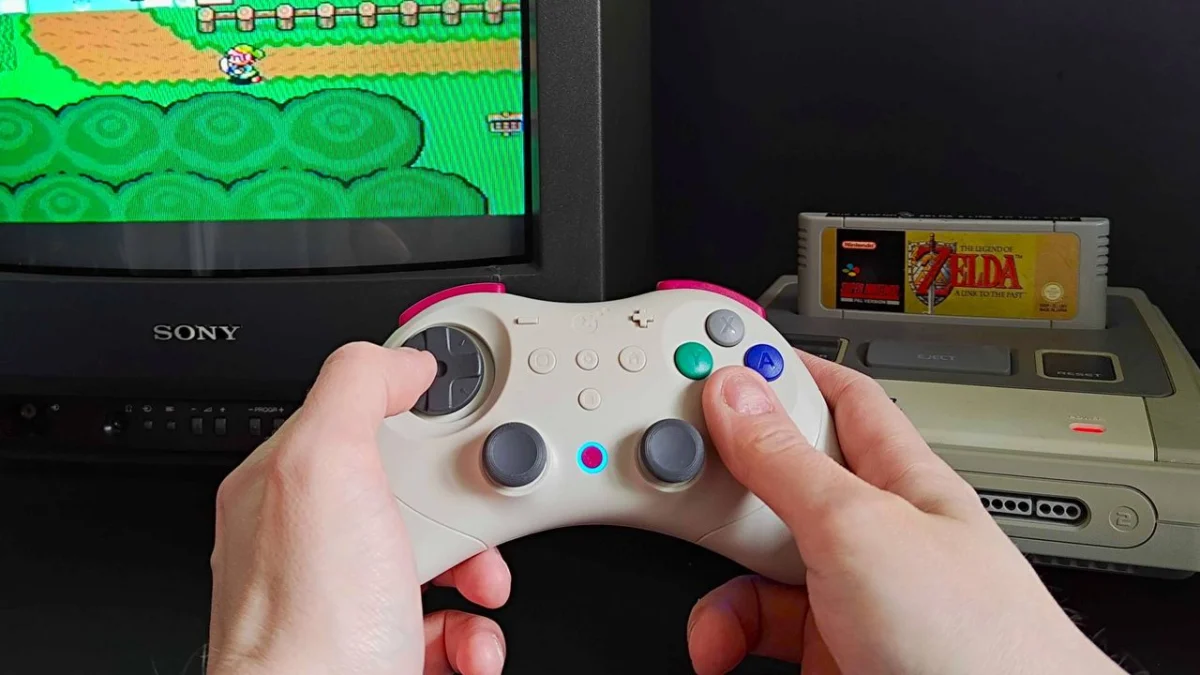
In the early decades of home console gaming, the "third-party controller" was often a term of derision. Usually relegated to the "little brother" or the unlucky guest, these peripherals were frequently characterized by mushy buttons, fragile plastic, and erratic connectivity. However, a seismic shift has occurred in the gaming hardware landscape. Today, a new generation of bespoke peripheral manufacturers is not merely mimicking original designs but enhancing them with aerospace-grade sensors, lag-free wireless protocols, and ergonomic refinements that the original engineers in the 1990s could only dream of.
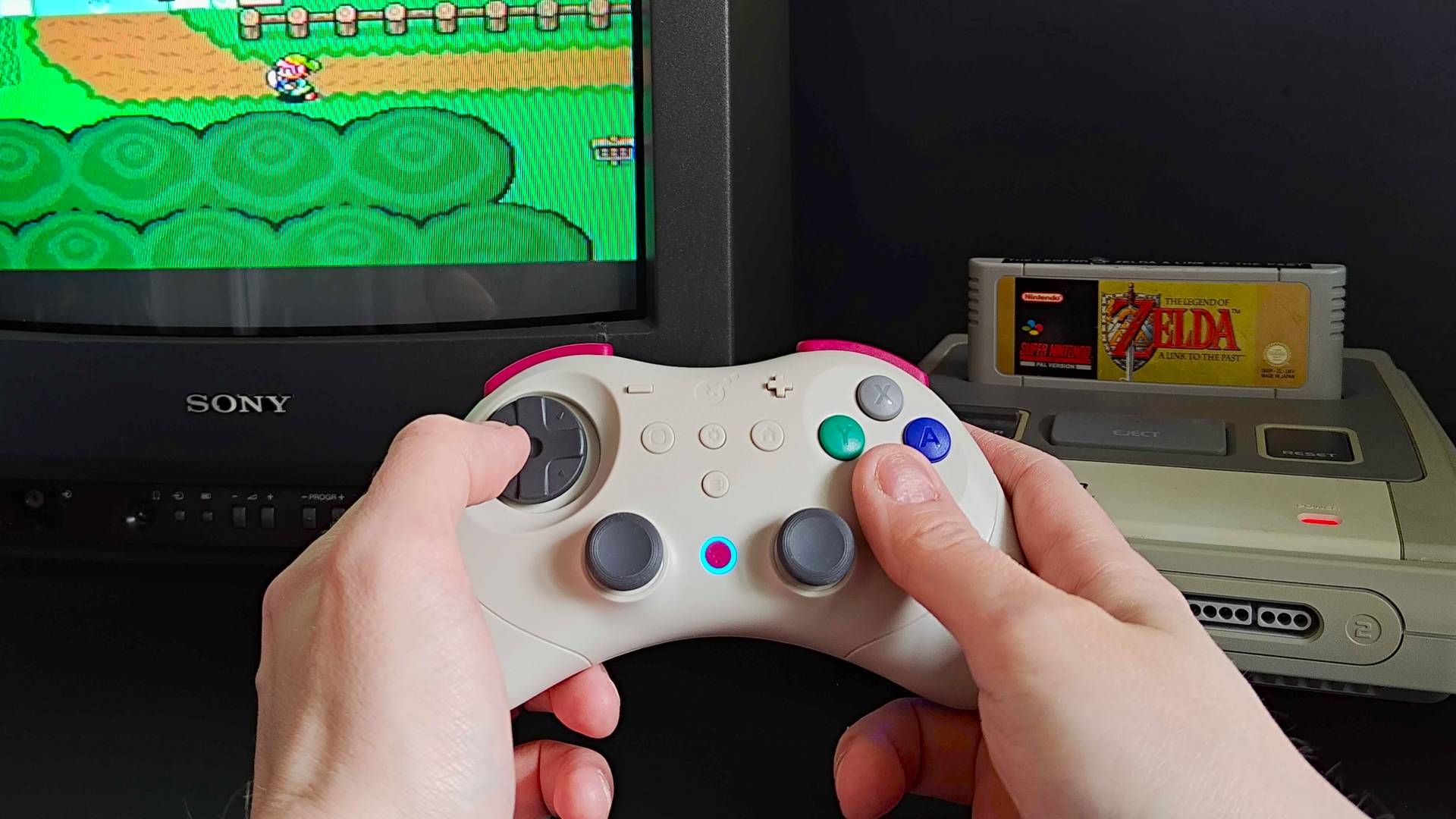
As retro gaming transitions from a niche hobby into a sophisticated industry of preservation and high-end emulation, the demand for "box-fresh" hardware has never been higher. Led by innovators such as GuliKit, 8Bitdo, and Retro Fighters, the current market offers a professional-grade alternative to aging, refurbished original pads.
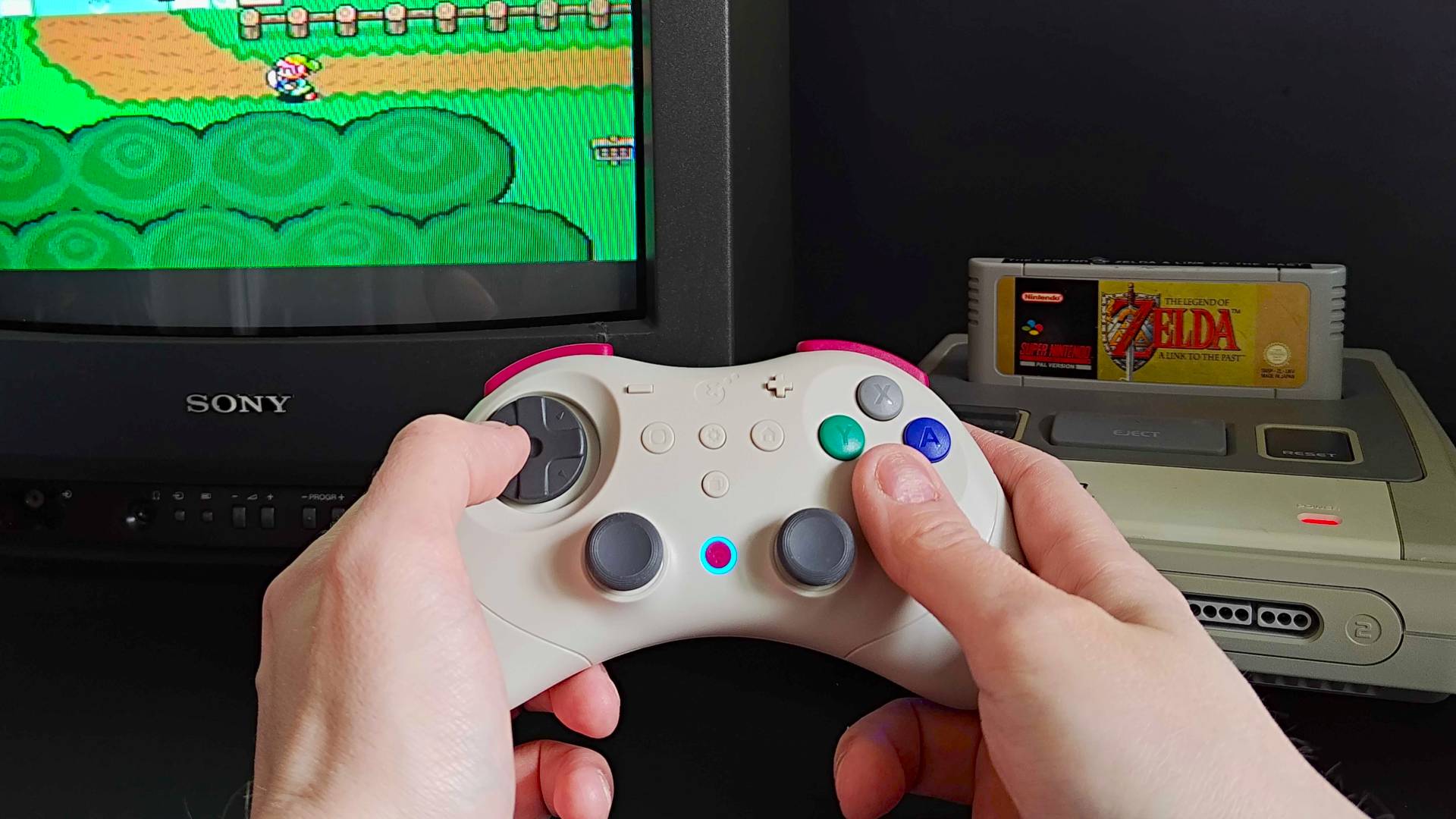
Main Facts: The New Standard of Retro Peripherals
The modern retro controller market is defined by three primary technological advancements: Hall-effect sensors, low-latency wireless protocols, and universal compatibility adapters.
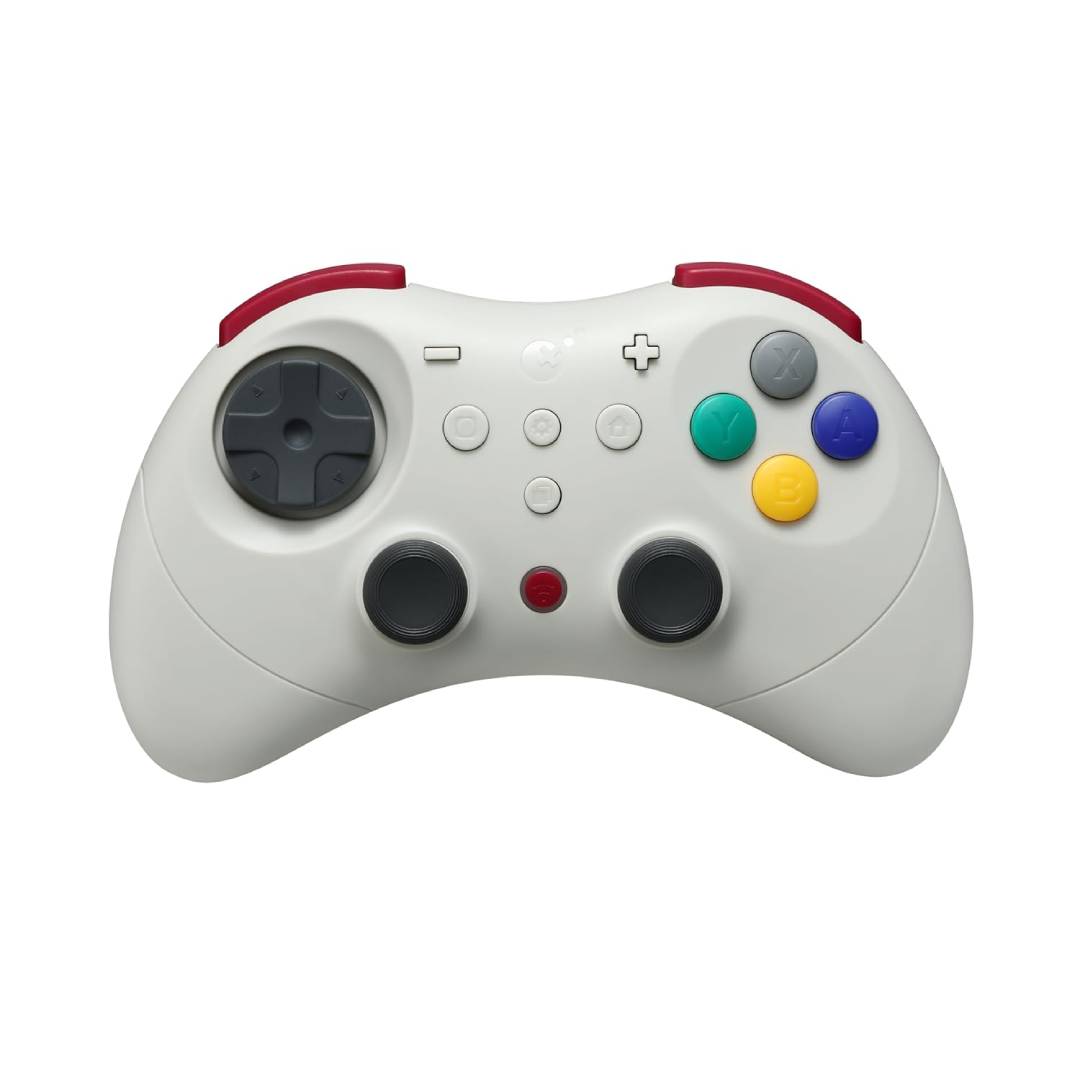
Unlike the original analog sticks found on the Nintendo 64 or PlayStation DualShock, which relied on physical contact potentiometers that inevitably wore down (leading to the dreaded "stick drift"), modern high-end controllers utilize Hall-effect or TMR (Tunnel Magnetoresistance) technology. These sensors use magnets to detect position, meaning there is no physical friction and, theoretically, zero degradation over time.
Furthermore, the transition from wired to wireless has been perfected. While early wireless controllers were plagued by significant input lag, modern 2.4GHz and optimized Bluetooth 5.0 protocols have reduced latency to negligible levels—often between 3 to 10 milliseconds—making them viable even for frame-perfect speedrunning and competitive fighting games.
Chronology: From Proprietary Wires to Universal Wireless
The evolution of the retro controller can be mapped across four distinct eras:
- The Proprietary Era (1977–2001): Consoles like the NES, SNES, and Genesis used unique, hard-wired ports. Third-party options were generally low-budget clones.
- The "Mad Catz" Era (2001–2010): As consoles moved to USB or more complex proprietary wireless (like the Wavebird), third-party manufacturers proliferated, but quality remained inconsistent, often focusing on "gimmick" features like turbo buttons or fans.
- The Enthusiast Boom (2010–2018): The rise of the "Retro Receiver." Companies like 8Bitdo began creating dongles that allowed modern Bluetooth controllers to communicate with 30-year-old hardware, bridging the generational gap.
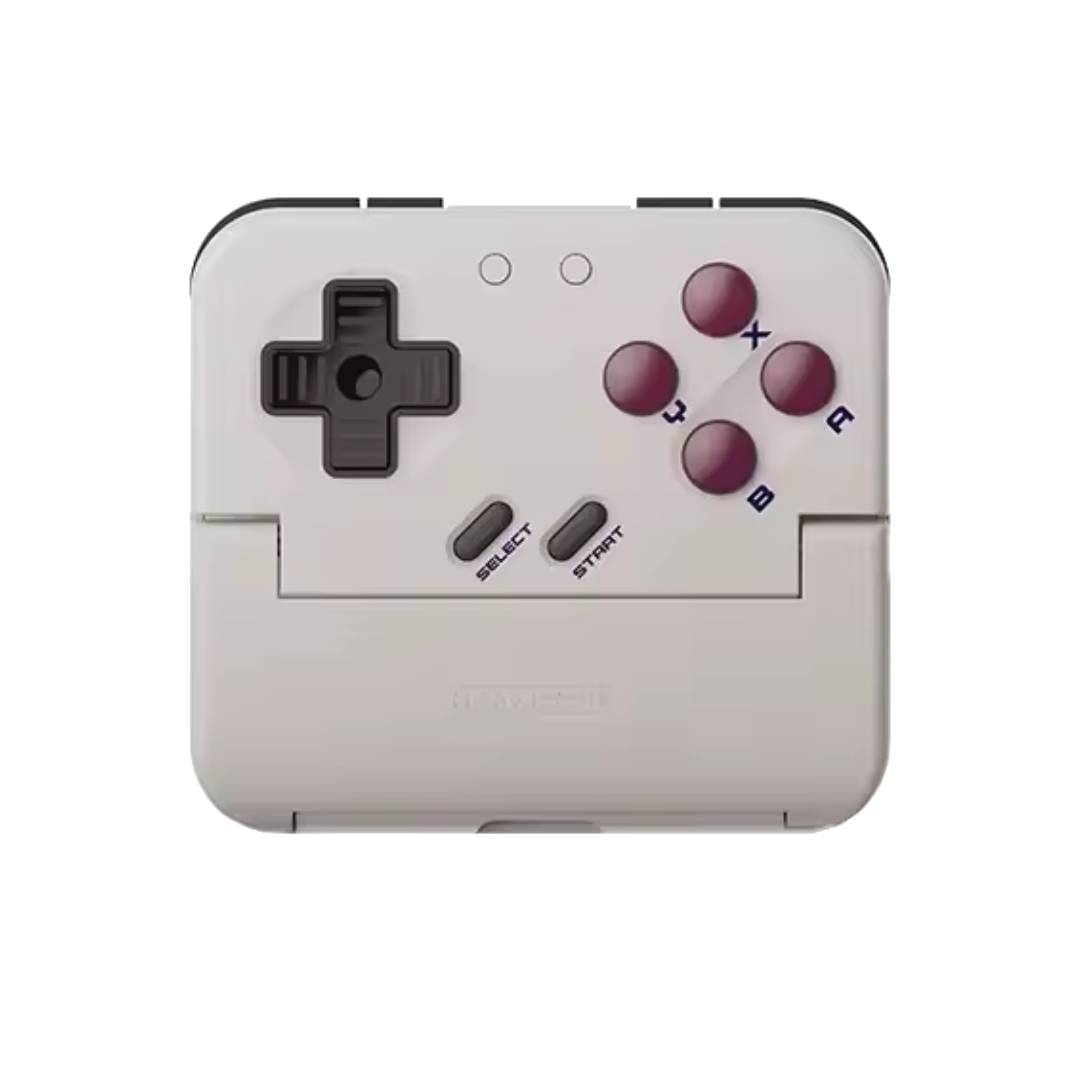
- The Bespoke Era (2019–Present): Manufacturers began designing "Pro" versions of classic layouts. These aren’t clones; they are reimagined tools designed for the modern enthusiast who plays on original hardware, FPGA consoles (like the Analogue Pocket), and high-end PCs simultaneously.
Supporting Data: Technical Performance and Categories
To understand the current market leaders, one must examine the specific hardware solutions provided for each iconic platform.
The All-In-One Solution: GuliKit Elves 2 Pro
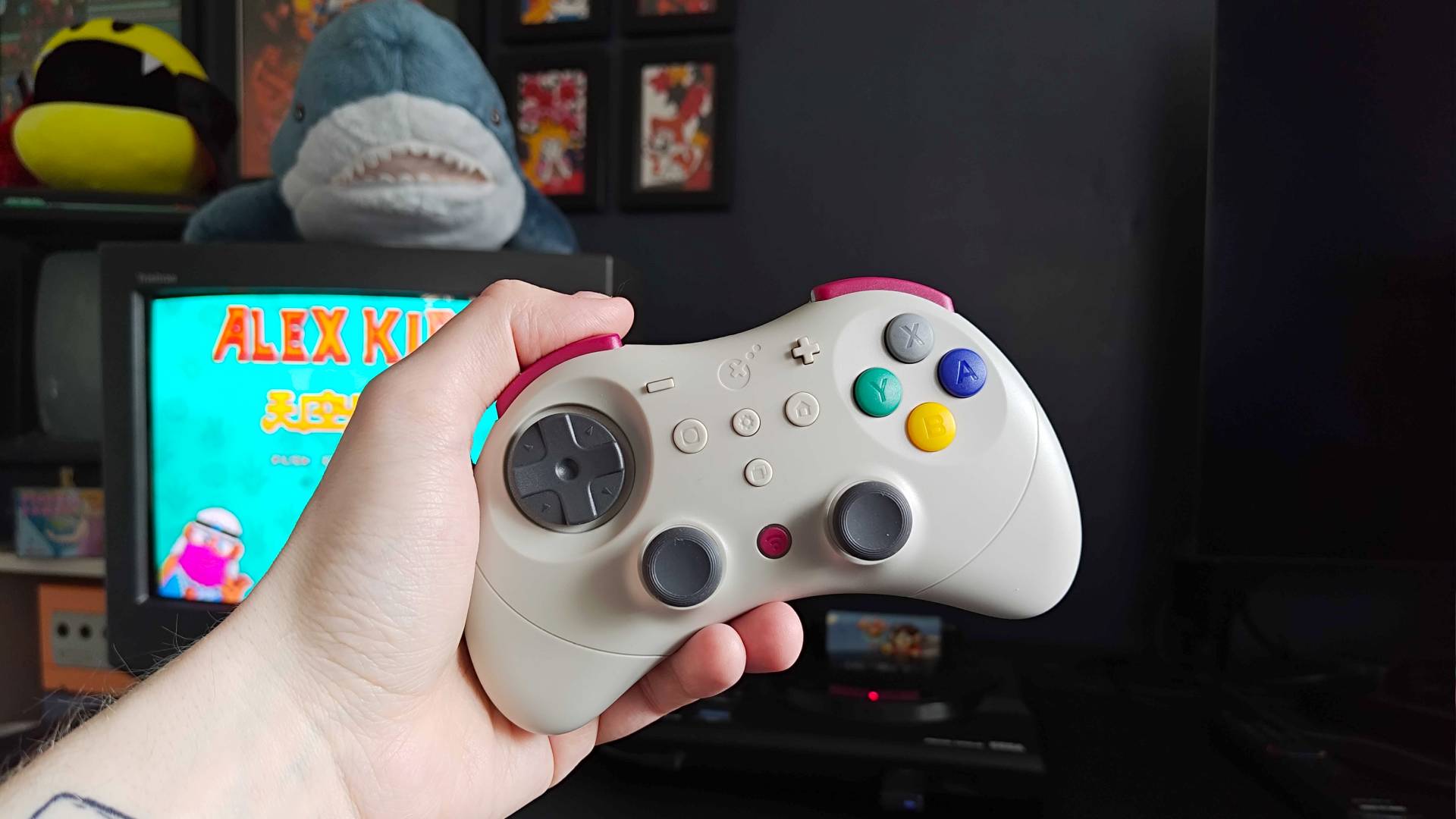
The GuliKit Elves 2 Pro has emerged as the premier "universal" retro controller. While it aesthetically draws from the Sega Saturn, its internal architecture is designed for the modern age.
- Key Tech: Dual Hall-effect sticks and a 1,000Hz polling rate.
- Versatility: By utilizing a "Retro Receiver" ecosystem, this single pad can act as the primary controller for a SNES, a PlayStation 2, and a modern PC.
- Data Point: It features a 800mAh battery, providing significantly longer playtimes than refurbished original wireless mods.
The Sega Specialists: 8Bitdo and Retro-Bit
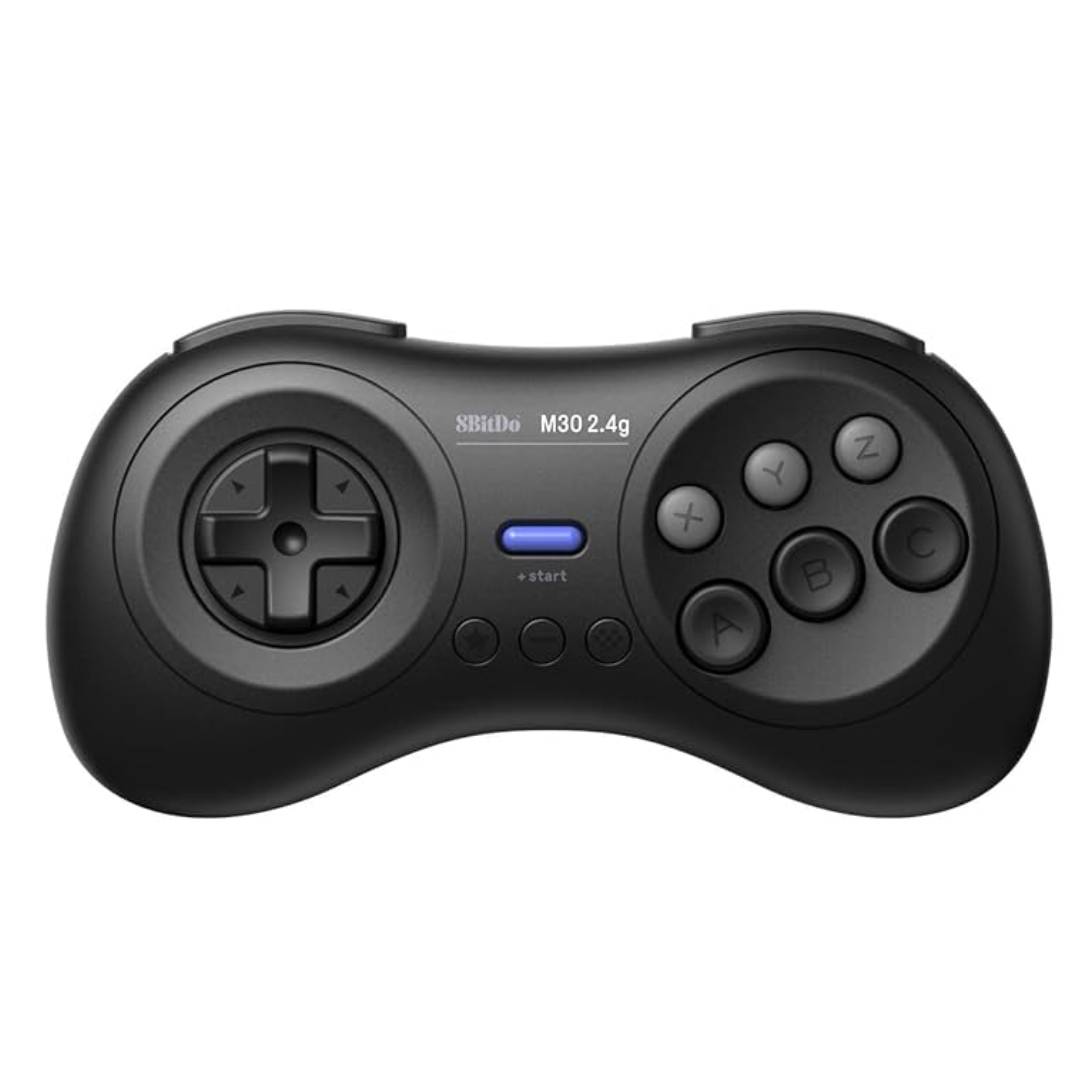
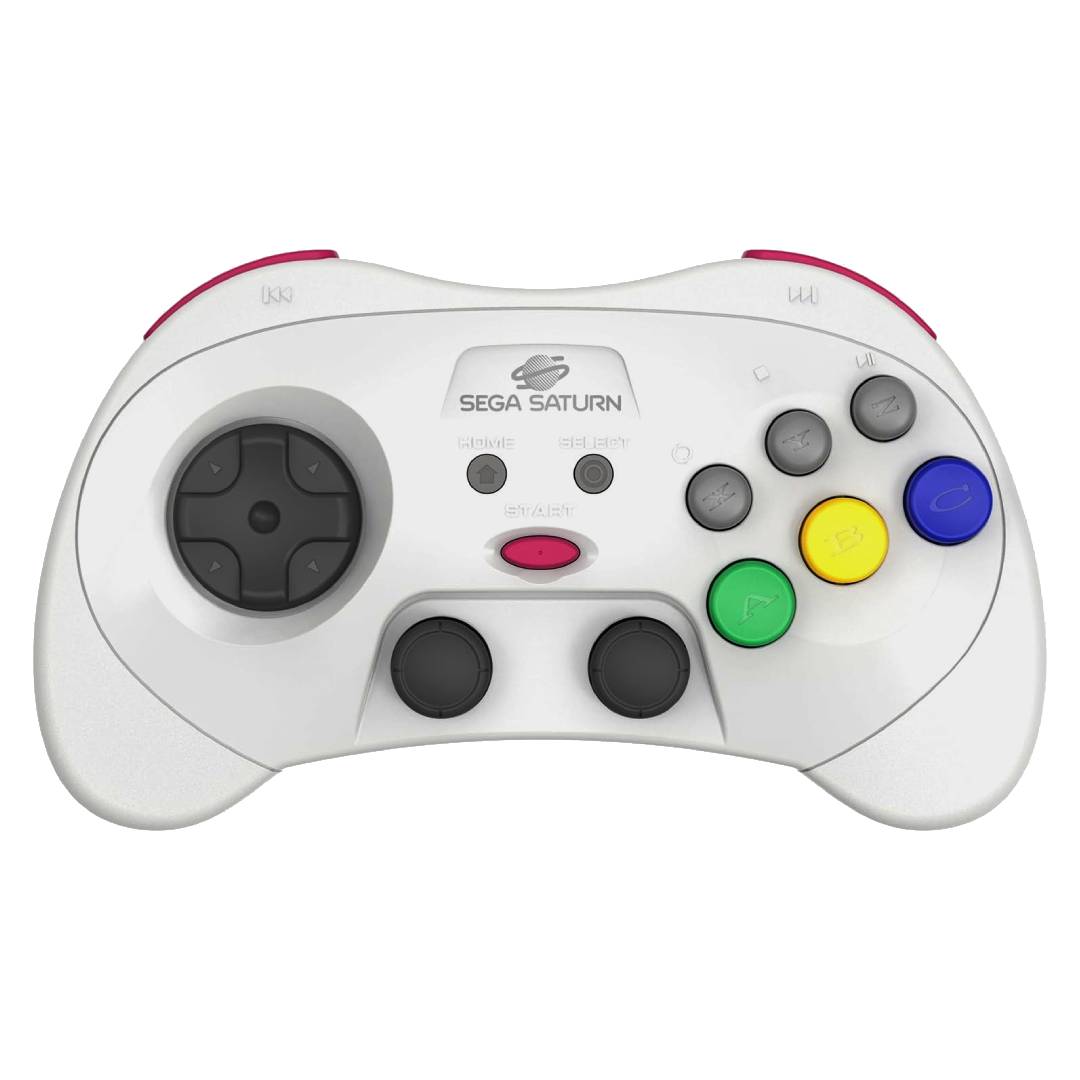
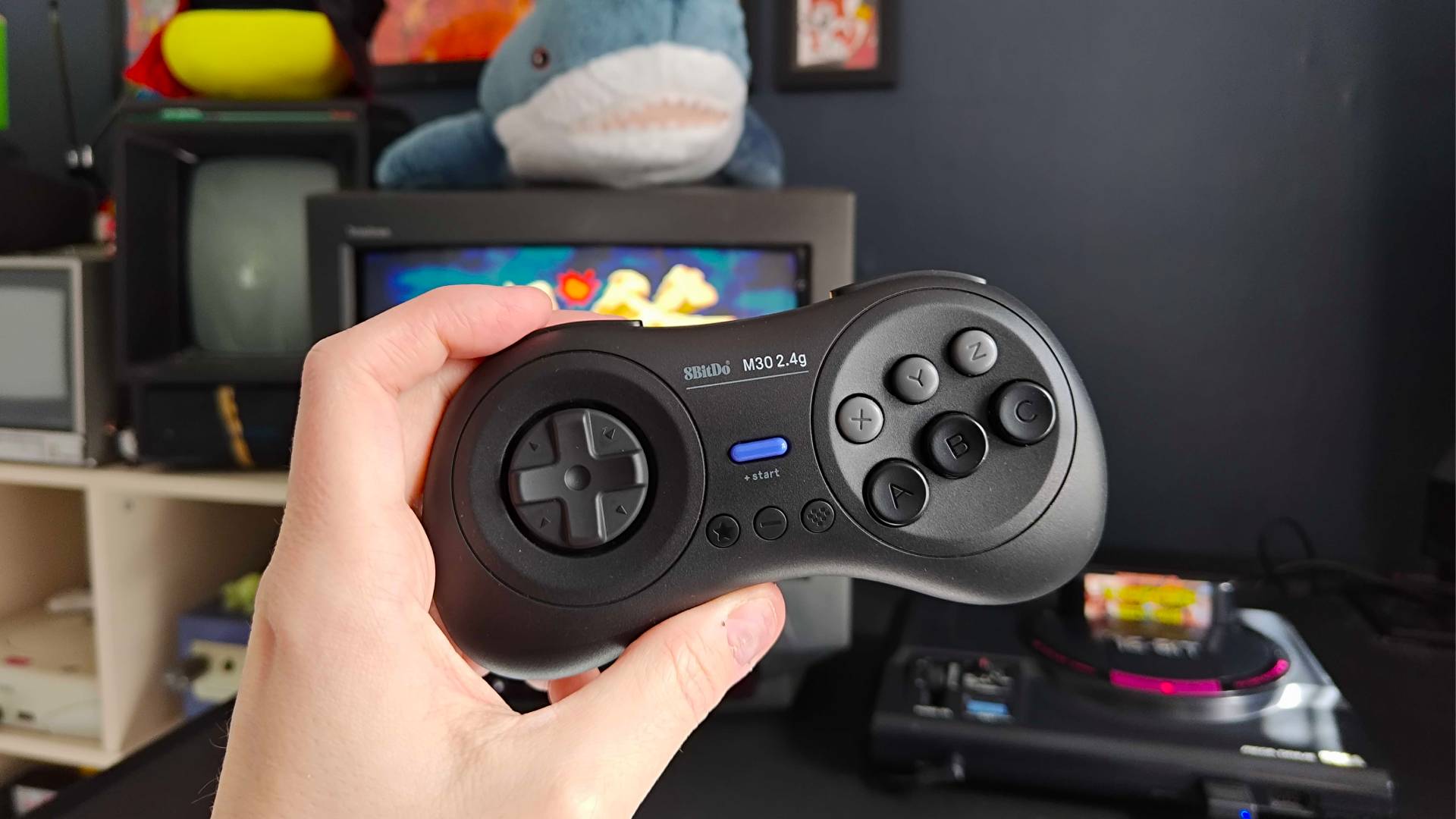
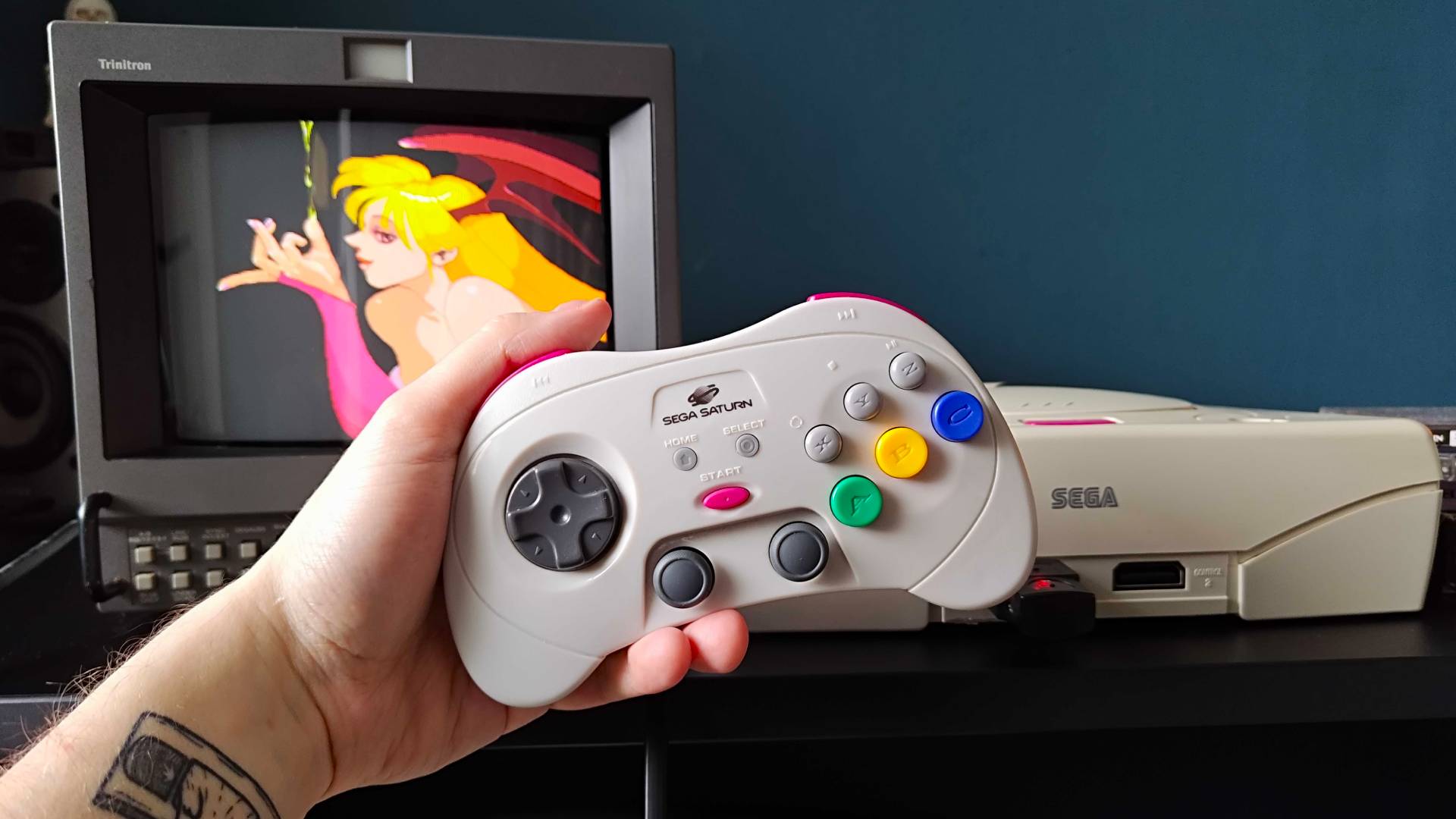
For fans of 16-bit and 32-bit Sega hardware, the 8Bitdo M30 and Retro-Bit Sega Saturn Pro represent the pinnacle of D-pad engineering.
- Input Precision: The M30 utilizes a "floating disc" D-pad, which is essential for the rolling inputs required in fighting games like Street Fighter II.
- Latency: The 2.4GHz version of the M30 offers a stable connection that rivals a wired tether, a critical factor for the twitch-response gameplay of Sonic the Hedgehog.
Ergonomic Correctives: The Retro Fighters Range
One of the most significant trends in the modern market is "fixing" the ergonomic flaws of the past.
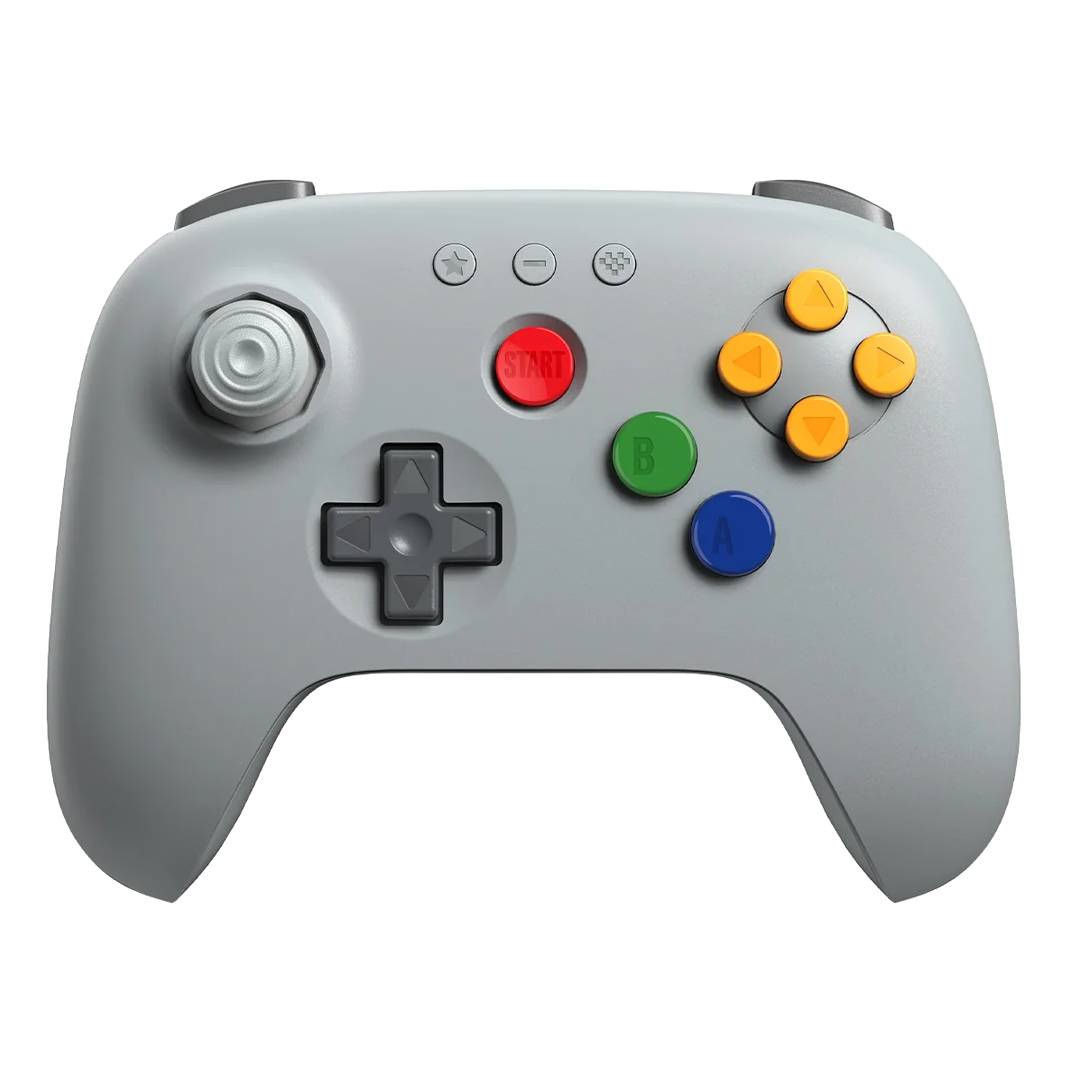
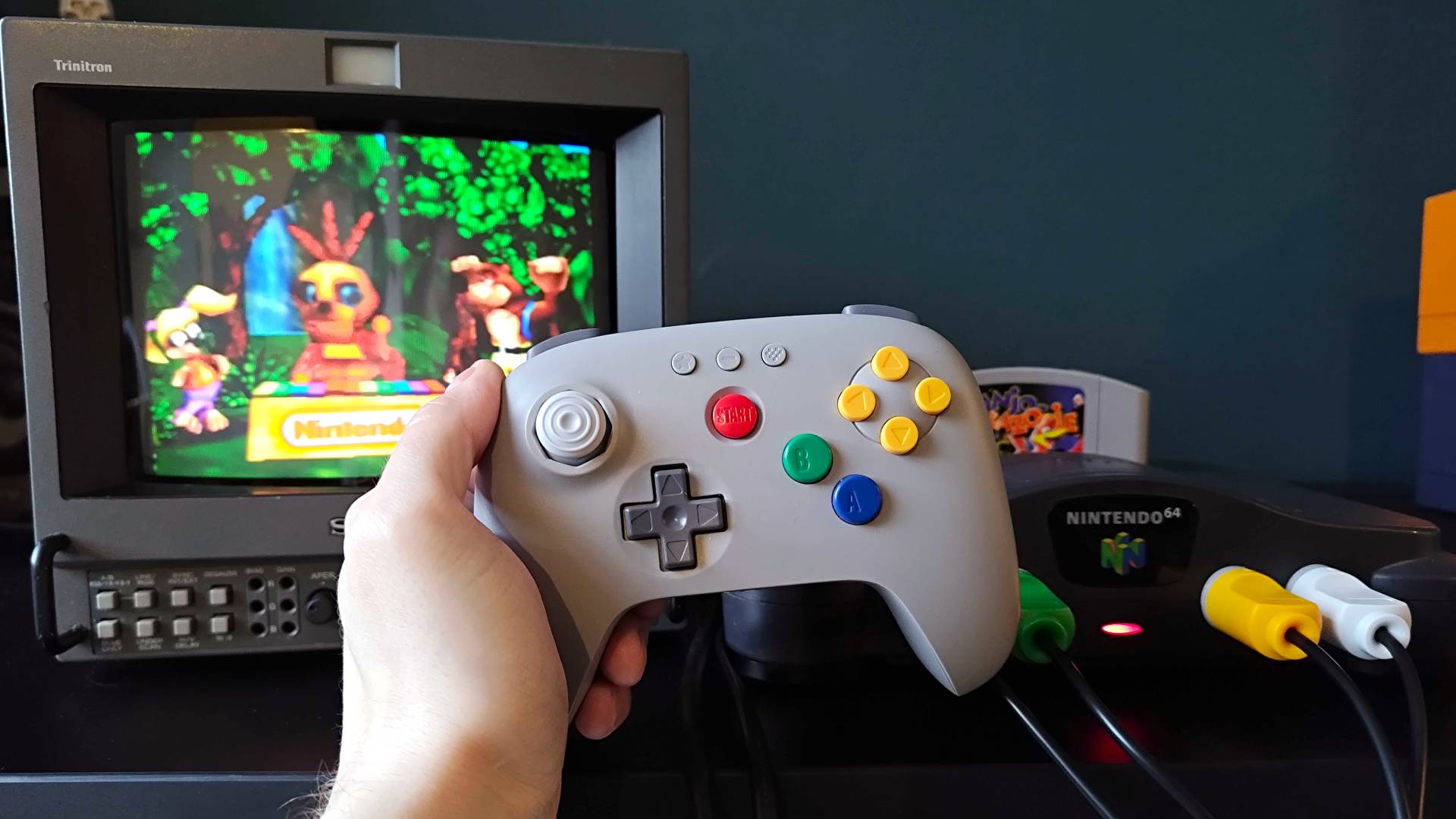
- The N64 Solution: The 8Bitdo N64 Controller and Retro Fighters’ alternatives abandon the "trident" shape in favor of a modern, two-handled grip while maintaining the unique "C-button" layout and a Hall-effect center stick.
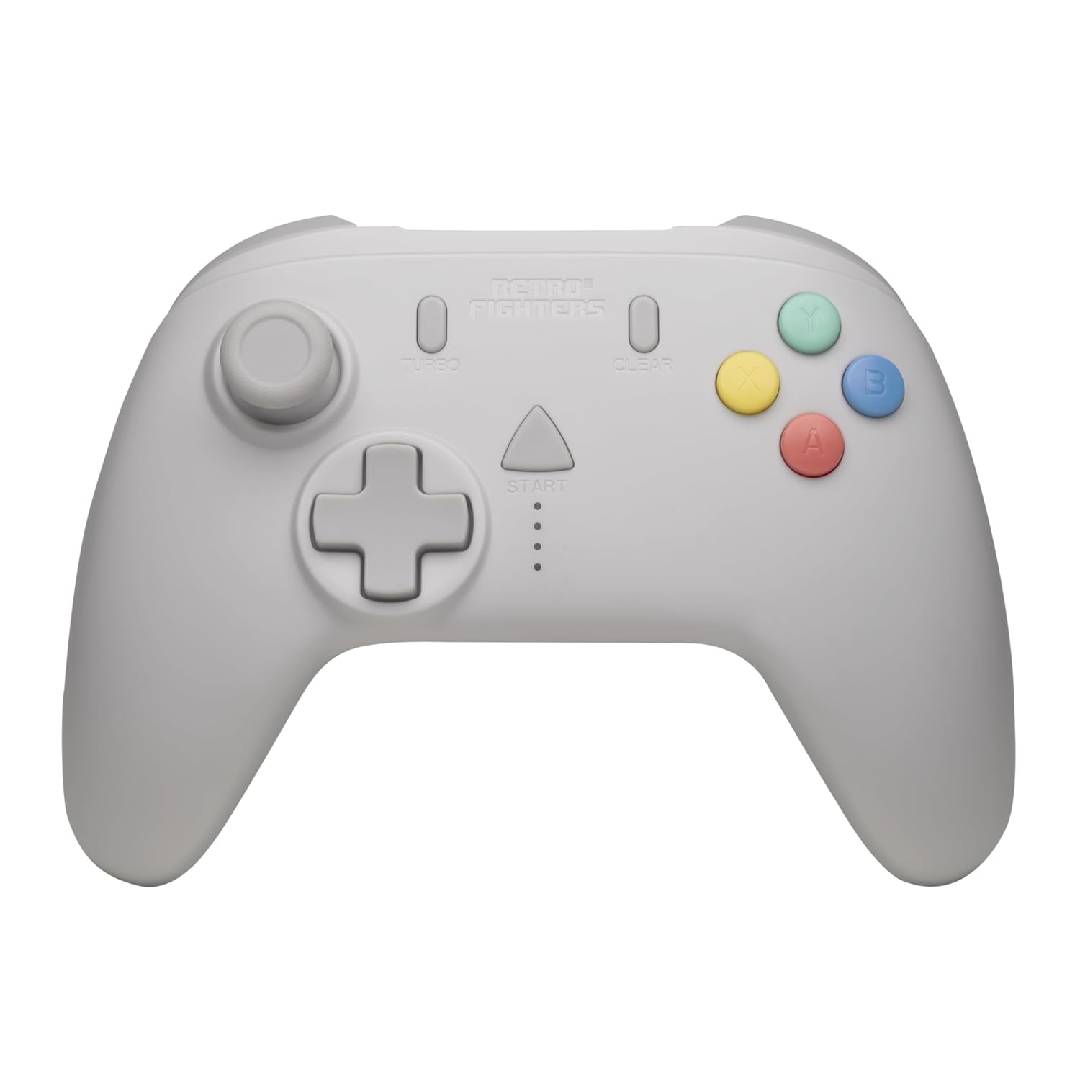
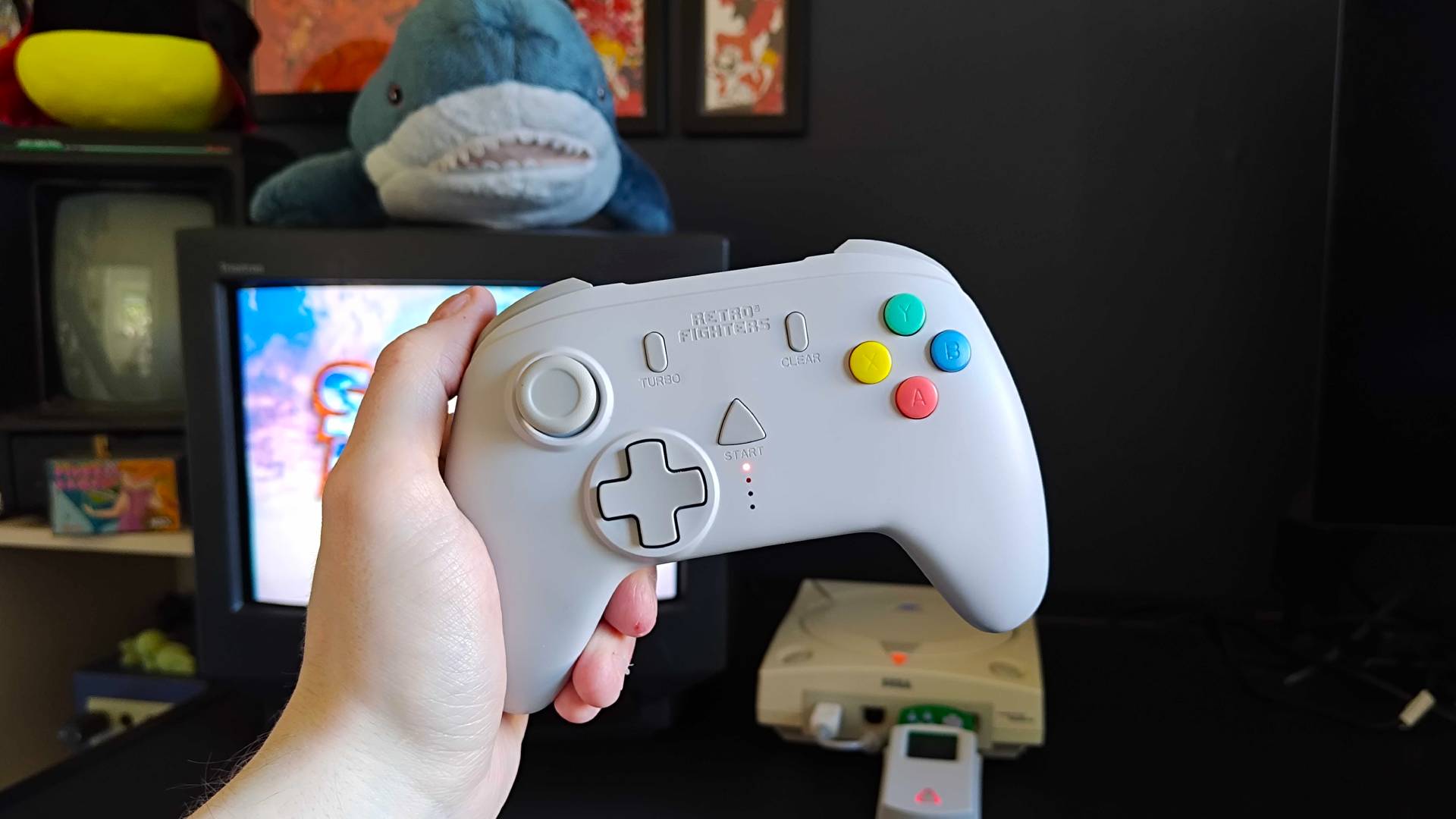
- The Dreamcast Evolution: The Retro Fighters StrikerDC solves the Dreamcast’s "cord-out-the-bottom" flaw and introduces a wireless VMU (Visual Memory Unit) dock at the receiver, allowing players to save games wirelessly while keeping the iconic memory card screen within view.
Industry Context and Official Responses
The rise of high-quality third-party hardware has not gone unnoticed by the original platform holders. Nintendo, in particular, has pivoted to offer its own "official" retro controllers for the Switch Online service.
The Official Modernization
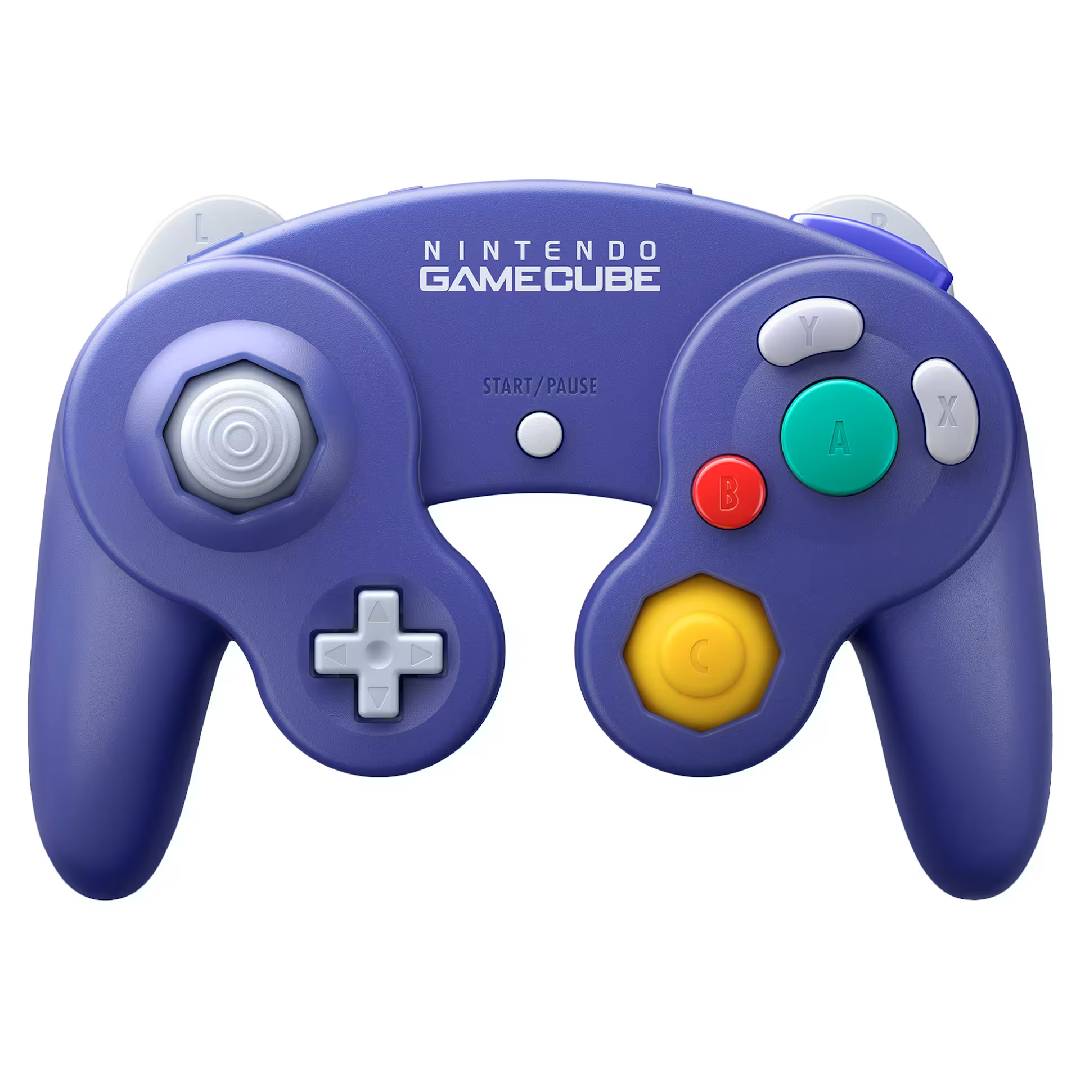
The Nintendo Switch GameCube Controller is a unique case of a first-party manufacturer re-releasing legacy hardware with modern internals. By utilizing Bluetooth and updated plastic moldings, Nintendo has validated the "Retro-Pro" market. However, industry experts note that these official offerings often lack the "open-source" flexibility of third-party rivals. For example, using an official Nintendo GameCube pad on an original 2001 console requires an enthusiast-made "BlueRetro" adapter, as Nintendo does not officially support its own legacy hardware with these new Bluetooth peripherals.

Expert Perspective
Phil Hayton, a prominent hardware editor and retro gaming specialist, notes that the current market is driven by "preservation through modernization." According to Hayton, the goal is no longer just to play the game, but to play it with "tactile buttons, excellent D-pads, and a level of comfort that helps even the oldest classics feel contemporary." This expert consensus suggests that the "authentic" experience is no longer tied to the original plastic, but to the feel of the inputs.
Technical Analysis: Input Lag and Longevity
For the professional journalist or the serious hobbyist, the choice of controller often comes down to the "latency vs. convenience" trade-off.
| Connectivity Type | Average Latency | Best Use Case |
|---|---|---|
| Wired (Original) | < 1ms | Competitive Speedrunning / Frame-Perfect TAS |
| 2.4GHz Wireless | 3-6ms | General Retro Gaming / Action-Platformers |
| Bluetooth 5.0 | 10-15ms | Casual RPGs / Emulation on Mobile & PC |
The "Drift" Factor
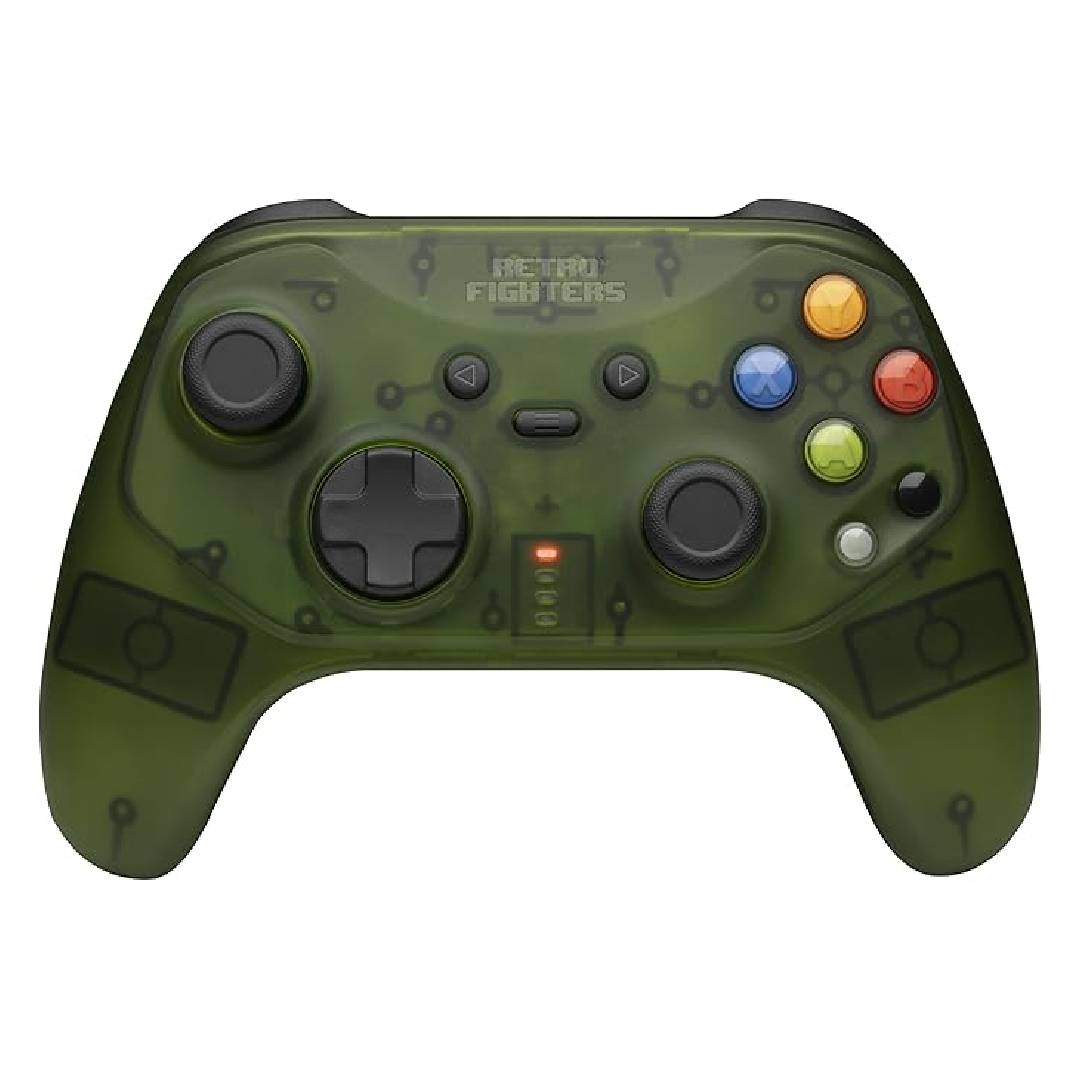
The most significant data point in favor of modern retro controllers is the failure rate of original hardware. A 25-year-old Nintendo 64 joystick often has a "dead zone" of up to 30% due to plastic-on-plastic wear. Modern Hall-effect replacements, like those found in the Retro Fighters Hunter (for OG Xbox), use magnetic sensors that remain accurate to within 0.1% over millions of cycles.
Implications: The Future of Classic Play
The implications of this hardware revolution are profound for the longevity of the hobby. As original controllers become increasingly rare and difficult to repair, these high-quality alternatives ensure that classic libraries remain accessible.
Accessibility and Preservation
By decoupling the controller from the console through universal adapters (like the 8Bitdo Retro Receiver), the industry has created a "bridge" that allows a single, high-quality peripheral to serve an entire collection. This reduces electronic waste and lowers the barrier to entry for new collectors who may be intimidated by the maintenance required for 30-year-old hardware.
The Rise of the "Retro-Pro"
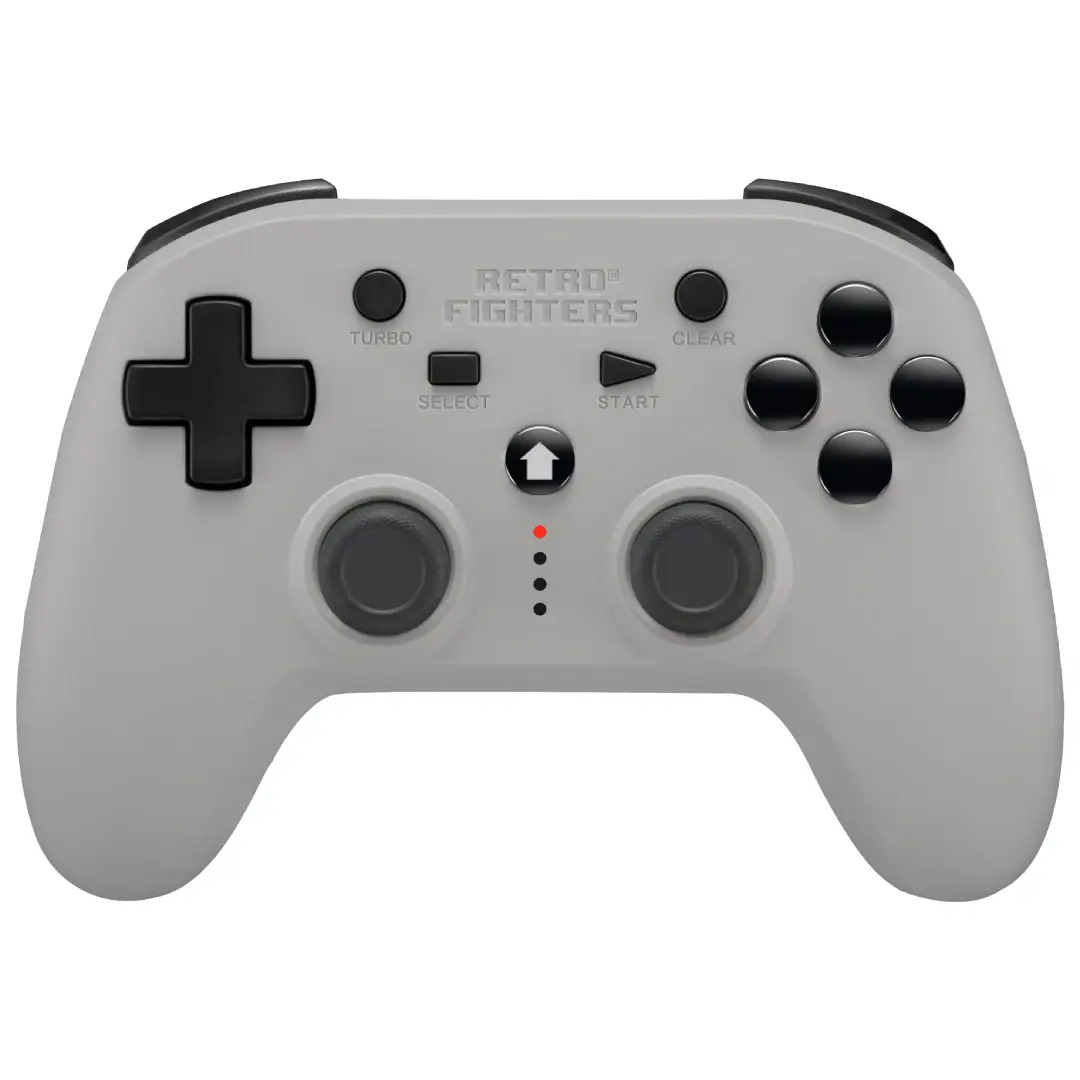
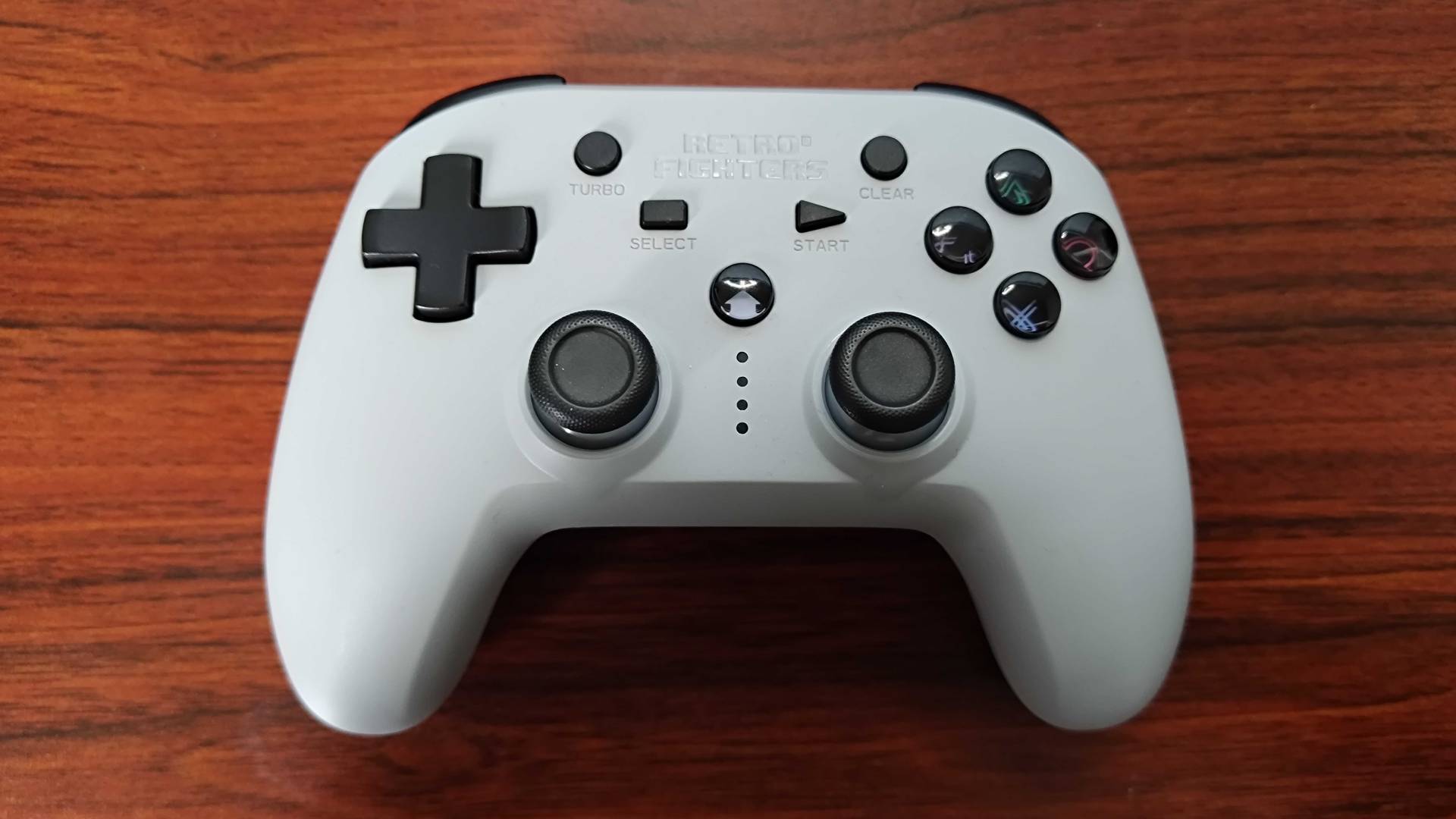
We are seeing the emergence of a "Retro-Pro" category—hardware that is more expensive than the original used gear but offers "luxury" features. The Retro Fighters Defender, for instance, offers multi-generational support for PS1, PS2, and PS3, effectively replacing three separate wired controllers with one wireless unit.
Conclusion
The "janky third-party pad" is a relic of the past. In its place stands an industry of precision engineering that respects the legacy of the 16-bit and 32-bit eras while embracing the technological standards of the 2020s. Whether it is the Hall-effect precision of the GuliKit Elves 2 Pro or the ergonomic salvation of the 8Bitdo N64 pad, these devices represent the ultimate fusion of nostalgia and modern performance. For the contemporary gamer, the best way to experience the past is no longer through a tangled web of original wires, but through the seamless, lag-free lens of modern innovation.

