

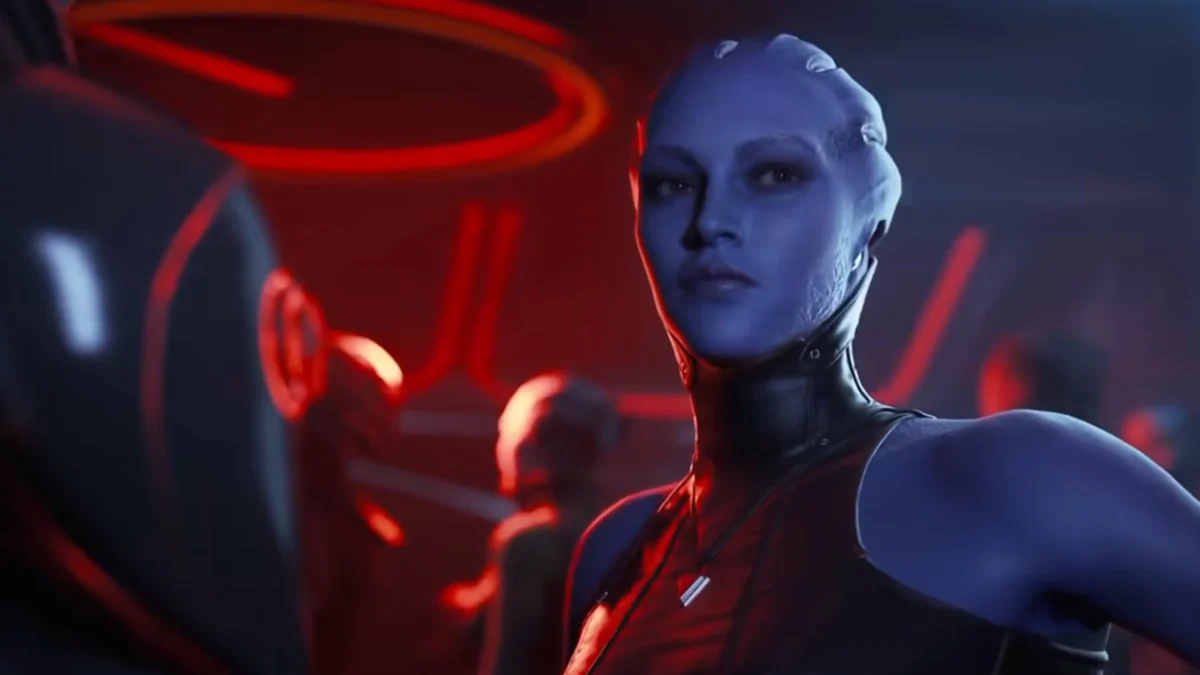
The Mass Effect franchise has always been defined by more than just its branching narratives and high-stakes space opera politics; it is defined by its soundscape. From the synth-heavy, retro-futuristic swells of the original trilogy to the somber, elegiac tones of Mass Effect 3, the music has served as the heartbeat of Commander Shepard’s journey. Now, as the community grapples with the fallout of internal shifts at BioWare and the mysterious leak of a Mass Effect: Universe trailer, a familiar face is stepping back into the spotlight.
Sam Hulick, a cornerstone composer of the original Mass Effect trilogy, has announced his intention to re-score the leaked Mass Effect: Universe trailer. This project, slated for a potential N7 Day release, serves as more than just a creative exercise; it is a bridge between the series’ storied past and its uncertain, high-stakes future.
The Catalyst: A Leak and a New Vision
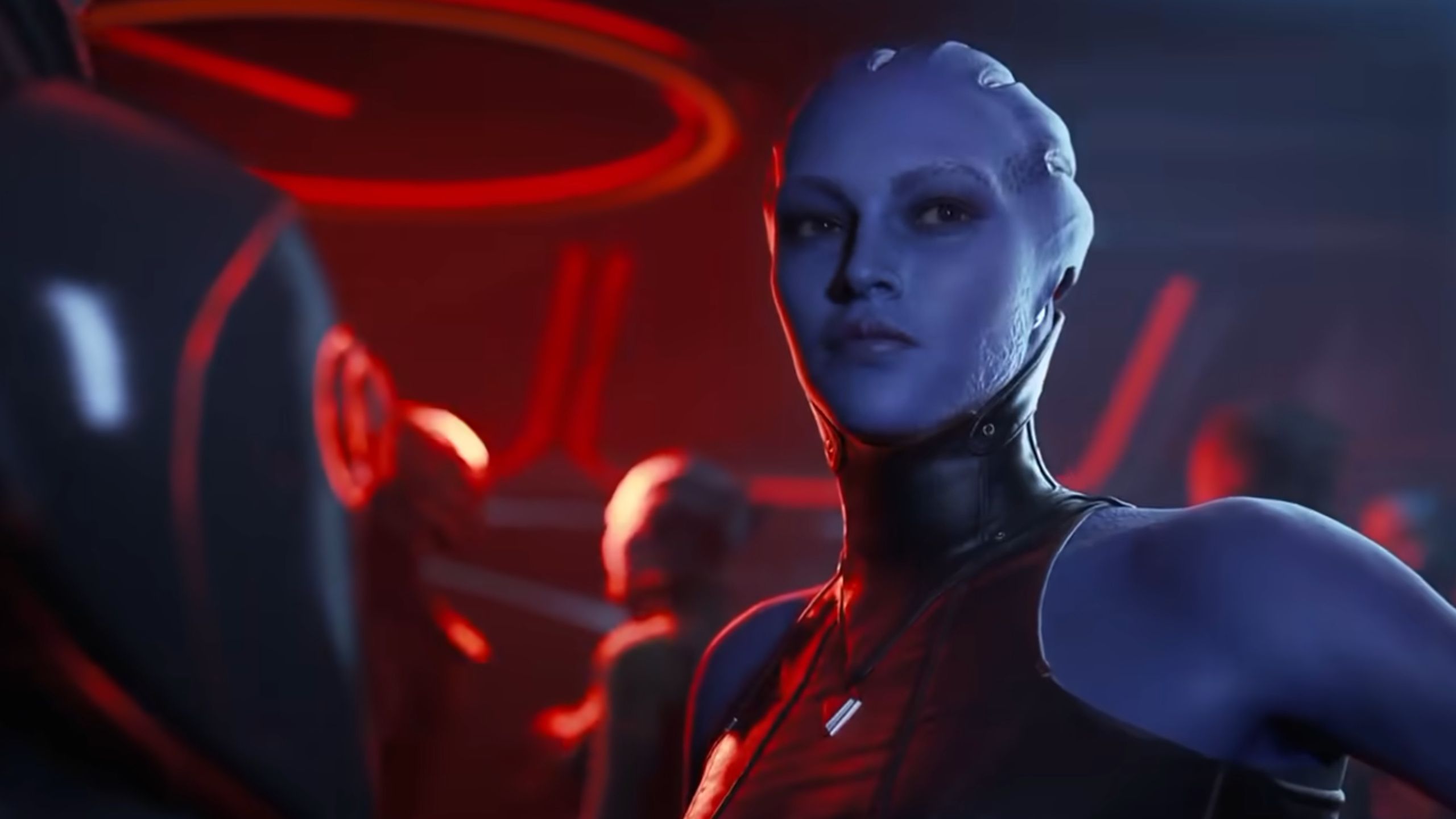
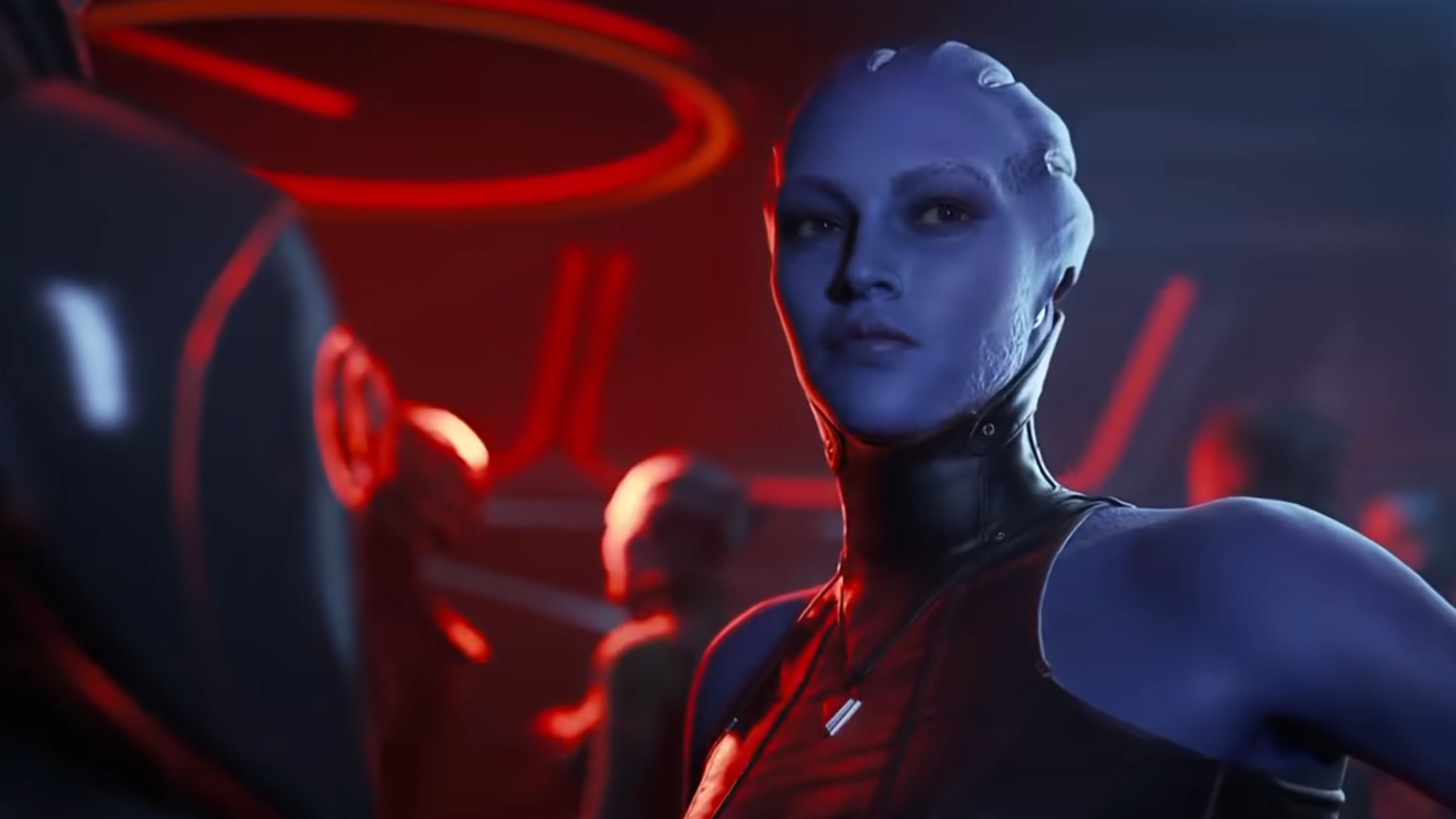
The recent unauthorized surfacing of the Mass Effect: Universe trailer sent shockwaves through the gaming community. While the visual content provided a tantalizing glimpse into a new chapter for the beloved IP, the accompanying audio—while functional for a teaser—left many long-time fans yearning for the specific emotional resonance that defined the series’ golden age.
Hulick, who famously co-composed the iconic "An End Once and For All" for Mass Effect 3, recognized the gap between the teaser’s generic “hype” music and the franchise’s deeper, more melancholic DNA. By choosing to apply his own musical lens to the leaked footage, Hulick is not merely criticizing the current direction; he is attempting to preserve a tonal identity that fans feel is essential to the Mass Effect experience.
A Chronology of Uncertainty: From Trilogy to "Universe"
To understand the significance of Hulick’s intervention, one must look at the timeline of the franchise’s recent volatility:
- The Trilogy Era (2007–2012): Under the guidance of composers like Sam Hulick, Jack Wall, and Clint Mansell, the Mass Effect soundtrack became a hallmark of the medium, blending analog synthesizers with orchestral arrangements to create a unique "space-noir" atmosphere.
- The Post-Trilogy Transition: Following the conclusion of Shepard’s arc, the franchise entered a period of experimentation and restructuring, leading to the mixed reception of Mass Effect: Andromeda and the subsequent refocusing of the BioWare team.
- The Internal Turmoil (2024–2025): Reports regarding layoffs and internal restructuring at BioWare/Electronic Arts created a cloud of uncertainty over the future of the Mass Effect property.
- The Leak (October 2026): The Mass Effect: Universe trailer surfaced online, reigniting interest in the series while simultaneously highlighting the cultural anxiety surrounding the brand’s custodianship.
- The Composer’s Call (Present): Austin Wintory’s recent revelation—that he had been in serious talks to score the next entry and had even produced 20 minutes of concept music—paired with Hulick’s pledge to re-score the leak, signals a renewed, if unofficial, dialogue about the franchise’s musical legacy.
The Human Cost: Beyond the IP
While the fans are focused on the aesthetic quality of the upcoming games, Sam Hulick has been vocal about a much more pressing issue: the people behind the code. Following the news of widespread job losses at BioWare, Hulick took to social media to express his heartbreak, grounding the conversation in the reality of the industry.
"One thing about #SaveMassEffect: What really sucks and cannot be undone is all the folks at BioWare who lost their jobs," Hulick noted. He argued that the mere licensing of the Intellectual Property (IP) by a giant like EA does not resolve the systemic issues. "Someone with a lot of cash would have to license it AND hire the team."
This perspective is crucial. Hulick’s dedication to the franchise is not blind loyalty to a corporate entity; it is a tribute to the collaborative effort of the developers who built the Mass Effect universe. By re-scoring the trailer, he is keeping the "spirit" of those developers alive in the public consciousness at a time when their contributions to the series have been largely sidelined by corporate restructuring.
Analyzing the "Musical Vision" for Mass Effect
What does a "proper" Mass Effect score sound like? According to those who defined it, it is a delicate balance of isolation and grandeur.
The Synthesis of Sound
Hulick’s approach historically favors textures that feel tactile and "lived-in." Where modern game trailers often rely on "Braaam" sound design and aggressive percussion, the original trilogy leaned into themes of loneliness—the feeling of a single ship, the SSV Normandy, navigating the crushing void of space.
By teasing his progress on Patreon and committing to a release for N7 Day (November 7), Hulick is setting himself a formidable challenge. He is working under tight constraints, balancing his current professional obligations—which include pitching for new, original game projects—with the desire to honor his legacy. He has explicitly stated he does not want to "rush" the process, as the goal is to provide a definitive statement on how Mass Effect should sound in the modern era.
Implications for the Franchise
The fact that two legendary composers—Austin Wintory and Sam Hulick—are effectively auditioning for the public in the wake of a leak is unprecedented. It creates a "shadow development" cycle where fans are engaged in a discourse about the soul of the game, not just its graphics or gameplay loops.
The Power of Fan-Driven Discourse
If the official Mass Effect 5 (or Universe) release fails to capture the emotional depth of the original trilogy, the community will have a ready-made point of comparison. Hulick’s re-score will likely serve as a benchmark. If his version resonates more deeply with the fanbase than the official marketing, it puts pressure on the developers to align their creative vision with the expectations of their core audience.
The N7 Day Legacy
N7 Day has traditionally been a time for corporate announcements, developer diaries, and marketing reveals. This year, it threatens to be hijacked by the very people who built the foundation of the series. If Hulick successfully drops his re-scored trailer on November 7, it will act as a form of "musical fan-fiction" that holds more weight than most official trailers, purely because of the authenticity of the artist involved.
Conclusion: The Persistence of Memory
The Mass Effect series is currently in a state of flux, navigating a transition between its celebrated past and an uncertain future. While the industry is often focused on the business of licensing, sequels, and market penetration, the work of artists like Sam Hulick reminds us that video games are, at their core, an emotional medium.
As the industry moves toward November 7, the focus will not just be on what EA or BioWare has to say, but on what the community chooses to elevate. Hulick’s project is a poignant reminder that even when a company moves on from its staff, the creators and the fans remain tethered to the work. Whether or not his re-score officially influences the future of Mass Effect, it succeeds in doing something far more important: it ensures that the conversation remains focused on the human element—the people who built the world, the people who composed its heart, and the people who still, years later, refuse to let it go.
If the official trailer was a corporate signal of intent, Hulick’s response is a declaration of love. And in the cold, vast vacuum of the Mass Effect universe, that warmth is exactly what the fans are looking for.

