For over a decade, the internet has undergone a fundamental shift in how digital communities organize and archive knowledge. Where users once turned to dedicated message boards, independently hosted forums, and community-edited wikis, they now increasingly rely on Discord.
While this centralized approach to real-time communication has successfully united millions of gamers, hobbyists, and professionals under single digital roofs, it has also inadvertently created a massive accessibility problem: valuable troubleshooting tips, game guides, and deep-dive technical discussions are trapped behind walled gardens. Because standard web search engines cannot crawl private chat logs, essential information has effectively vanished from the wider web.
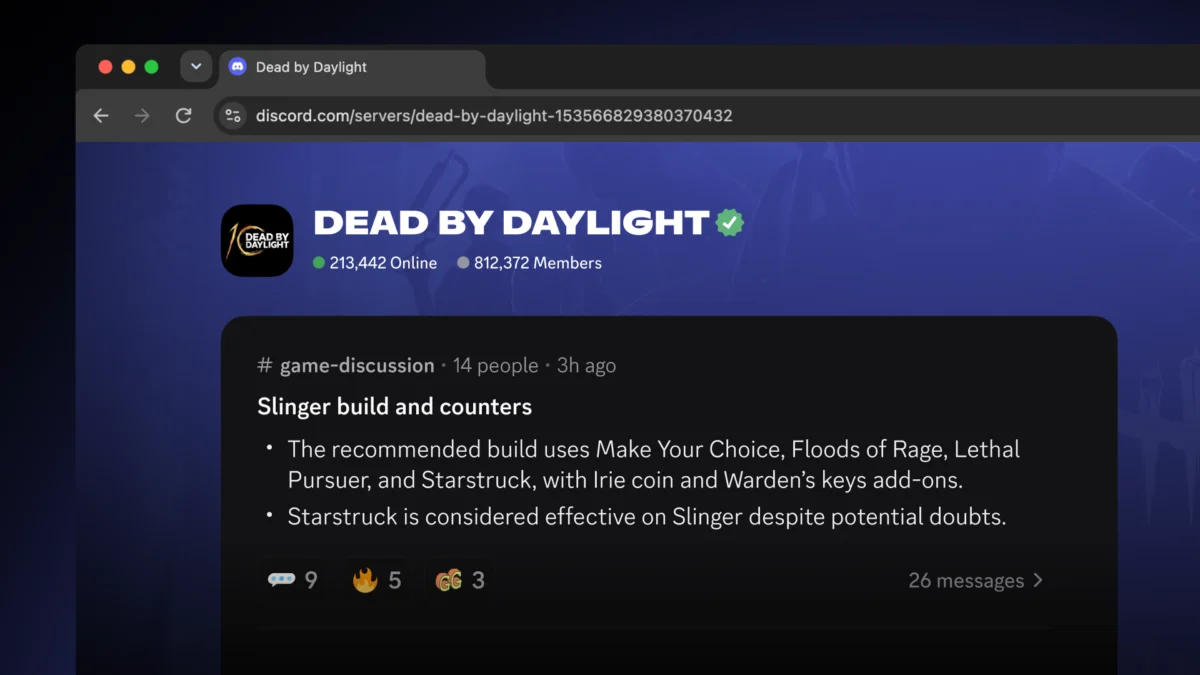
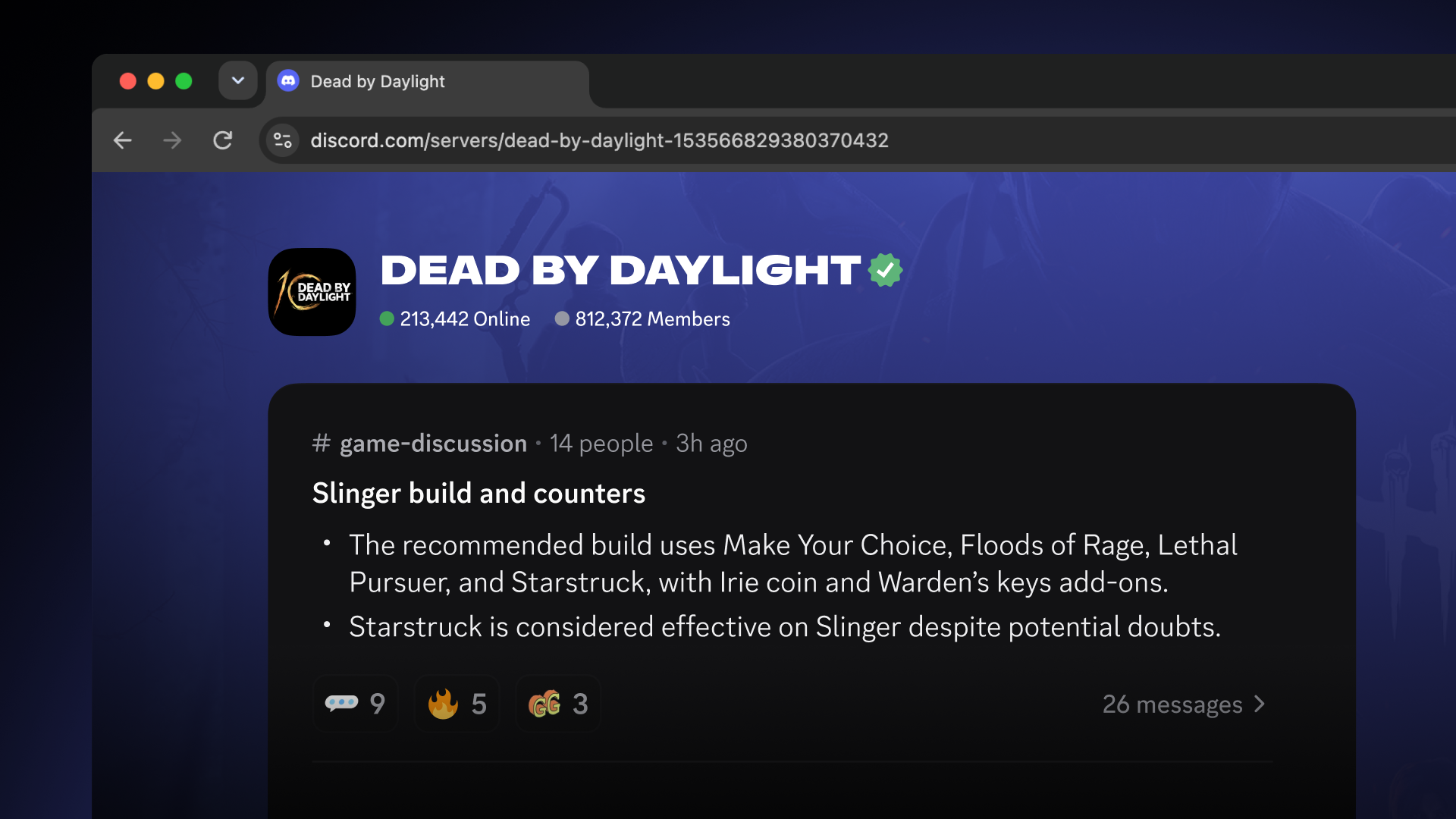
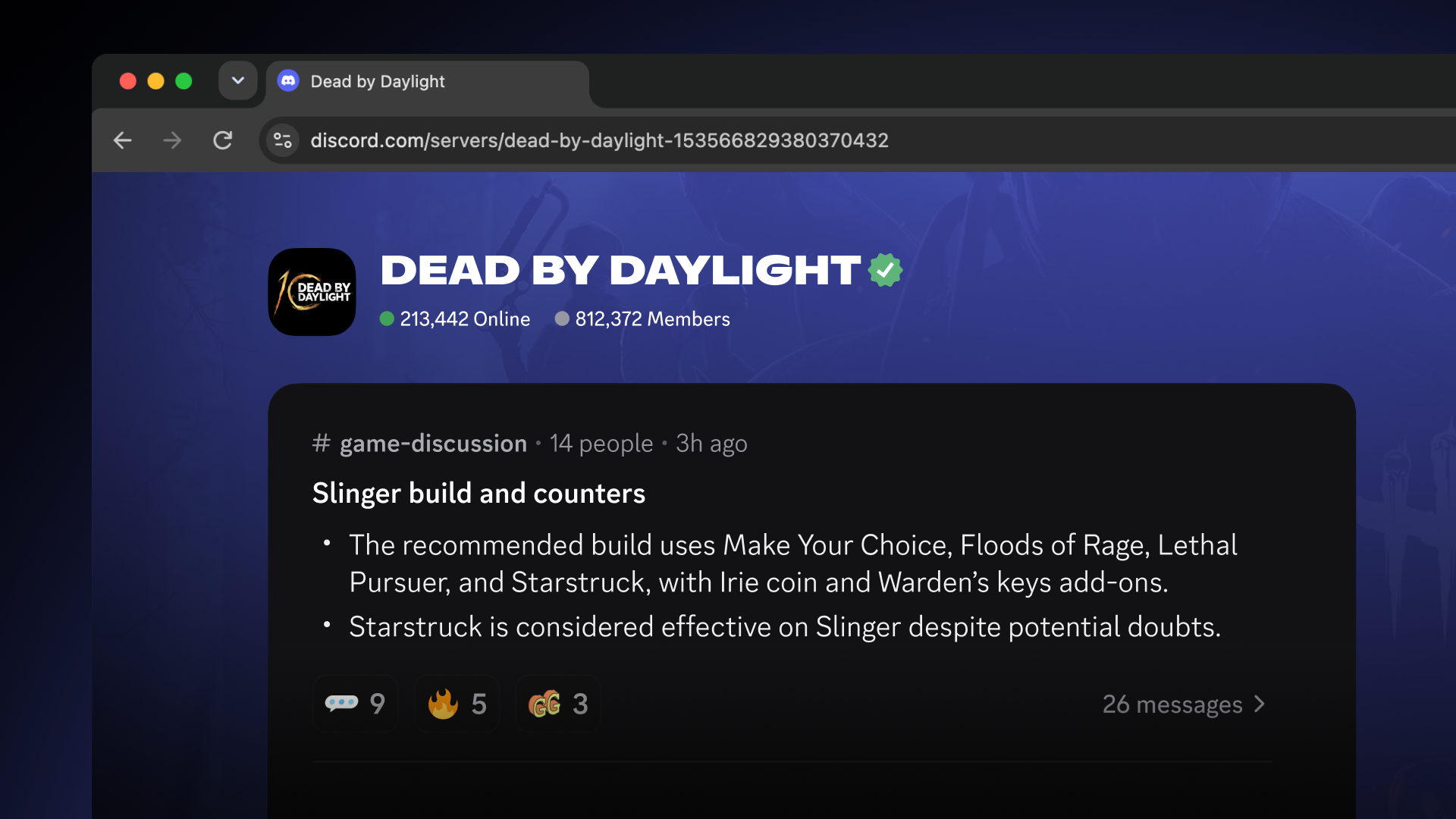
Now, Discord is taking a monumental step to address this issue. Starting in mid-December, content generated within select large-scale, public Discord servers will begin appearing directly in mainstream web search engine results. This shift promises to bridge the gap between real-time chat and open-web discoverability, though it also raises important questions regarding user privacy and digital archiving.
Main Facts: What is Changing on Discord?
The core of Discord’s upcoming update revolves around indexing public conversations so that search engines like Google and Bing can surface them when users look for answers online. However, this sweeping change comes with several crucial parameters designed to balance openness with user control:
Target Audience: The indexing update applies exclusively to "Discoverable Servers"—specifically large public communities boasting a baseline of 1,000 or more members.
Launch Timeline: The feature is scheduled to roll out fully in mid-December, though administrative and user-end privacy controls are already live within the application settings.
Anonymity Protection: To safeguard user privacy, message content pulled into search engine results will be scrubbed of identifiable information. Usernames, avatars, and direct profile links will not be displayed alongside the indexed text.
Opt-Out Flexibility: Both server administrators and individual users retain the right to completely opt out of the web-indexing initiative. Furthermore, admins can choose to restrict search visibility to specific channels rather than opening an entire server to the public web.
Scope Limitations: The change strictly affects designated public channels within Discoverable Servers. Private communities, invite-only servers, and direct messages (DMs) remain entirely untouched and unsearchable.
Chronology: The Evolution from Open Forums to Closed Chats
To understand the weight of Discord’s new search policy, it is necessary to examine how the digital landscape transformed over the past twenty years.
The Era of the Open Web (Early 2000s–2010s)
Before Discord’s explosive rise, the internet relied heavily on structured message boards (such as vBulletin and phpBB forums) and decentralized wikis. These platforms were inherently optimized for search engines. If a user encountered a rare software bug or needed a specific crafting recipe in an RPG, a quick query on Google would almost always lead directly to a thread where another user had solved the problem years prior. These pages formed a persistent, searchable archive of human knowledge.
The Discord Monopolization (2015–2023)
As Discord evolved from a niche VoIP app for gamers into a ubiquitous social platform, creators, game developers, and hobbyist groups abandoned traditional forums en masse. Setting up a Discord server was faster, cheaper, and offered immediate community engagement through voice channels and instant messaging. However, this convenience came at a heavy cost. As PC Gamer and other publications frequently highlighted, Discord became a "roach motel" for information: data checked in, but it rarely checked out. Important developer updates, mod installation guides, and technical workarounds became permanently locked behind server invite links and dense, fast-moving chat histories.
The Pivot Toward Searchability (Late 2024 and Beyond)
Recognizing that its platform had become a massive black hole for searchable data, Discord leadership began developing tools to bridge the gap between real-time chat and the open web. By introducing web-crawling capabilities to Discoverable Servers, Discord is attempting to reclaim the role that traditional forums once played, making expert community knowledge accessible to anyone with a browser.
Supporting Data: Understanding the Scale of Discoverable Servers
While Discord has millions of active servers, the vast majority are private spaces shared among friends, small gaming clans, or study groups. The new web-search integration affects only a microscopic fraction of the platform’s total ecosystem, but those specific servers handle an immense volume of daily traffic.
1,000+ Threshold: Servers must maintain a population of at least 1,000 members and meet specific community standards to qualify for the "Discoverable" directory.
Millions of Queries: Major gaming, software, and creative communities handle tens of thousands of support questions every week. By opening these Q&A-style channels to search engines, millions of prospective web searches could soon redirect users straight to curated Discord interactions.
Granular Control Adoption Rates: Early metrics from Discord’s rollout of the administrative settings indicate that while major corporate and official game studio servers are likely to embrace public indexing for support purposes, many smaller community-focused servers are opting out to preserve their insular culture.
Official Responses: What Discord Leadership Says
Discord has been transparent about the motivations behind this controversial shift. In an official company blog post detailing the update, the platform acknowledged the historical loss of structured message boards and positioned the new feature as a remedy for the modern web’s information drought.
"Prior to Discord’s launch, message boards were common, ranging from community-driven forums to official ones run by game studios," Discord stated in its official announcement. "These message boards excelled at hosting long-form, structured conversations about helping people, theory crafting, and more. While they still exist today, many have moved into Discord servers. This has led to valuable information being locked in Discord conversations, inaccessible to the wider internet. We want to fix this."
Addressing specific concerns regarding user privacy—a hot-button issue for internet communities—Kelsey Duncombe-Smith, Discord’s Group Product Manager, clarified how personal identity will be handled in search engine results.
"Usernames and avatars will not be shown alongside these messages," Duncombe-Smith emphasized, reassuring users that casual remarks made in public channels will not easily be traced back to their personal profiles on external search engines.
Implications: What This Means for Users, Admins, and the Web
The decision to expose Discord chat logs to Google and other search engines carries profound implications for the future of online communities.
1. The Revival of Searchable Help Resources
For everyday internet users, this change is largely a win. How many times have you searched for a niche video game glitch, only to find a Reddit thread from 2018 that says "Join our Discord to find the fix"? By making public Discord Q&A channels crawlable, users will be able to bypass the barrier of joining a server just to find a single piece of troubleshooting advice.
2. Privacy Concerns and the Death of "Casual" Chat
Despite Discord’s promise to strip usernames and avatars from search results, many users remain wary. Chatting on Discord has historically felt like hanging out in a private lounge or a local pub—conversations are casual, often impulsive, and rarely intended for permanent archiving on the global internet. If users realize their text-based discussions can show up on Google, they may become self-censoring, altering the vibrant, informal culture that made Discord popular in the first place.
3. Administrative Control and Server Fragmentation
Server owners now face a strategic choice. For official software projects, tech support hubs, and game developers, keeping web-search indexing enabled is a massive boon that reduces repetitive questions in chat. However, for communities centered around sensitive topics, creative writing, or tight-knit social circles, the default discoverability could force admins to scramble into their settings menus to opt out.
We may also see increased server fragmentation, where communities split their operations: maintaining an open, searchable server for public announcements and support, while retreating into private, invite-only spaces for genuine community socializing.
How to Opt Out: Protecting Your Data
If you are a server administrator or an individual user who does not want your messages indexed by web search engines, Discord has provided straightforward pathways to opt out ahead of the mid-December launch.
For Server Administrators: Navigate to your server settings. Under the "Discoverable" or community settings tab, you can choose to completely opt the server out of web search indexing, or selectively permit indexing only for designated support channels while keeping general chat logs private.
For Individual Users: Navigate to your User Settings, select Data and Privacy, and toggle off the setting that allows your messages in Discoverable Servers to be surfaced in external web searches.
As Discord edges closer to becoming a hybrid of real-time chat and an open-web knowledge base, December’s rollout will serve as a major test of whether chat-app culture can successfully merge with the traditional, searchable web without alienating its user base.