

As the global hardware market grapples with volatile pricing and the shifting demands of the enthusiast PC community, a curious trend has emerged among the semiconductor giants. In an era defined by the pursuit of the "latest and greatest," companies like Intel, AMD, and Nvidia are increasingly looking to the past to solve present-day supply chain and market availability issues. Recent reports indicate that Intel may be preparing to ramp up production of its older processor lines, ranging from 10th-generation Comet Lake chips all the way through to the 14th-generation Raptor Lake series.
This move, while seemingly counterintuitive in a high-tech sector obsessed with node shrinks and architectural leaps, reflects a strategic pivot. It is a calculated attempt to satisfy a massive, lingering demand for reliable, cost-effective performance on platforms that users are not yet ready to abandon.
The Core of the Rumor: Intel’s Potential Production Surge
The latest whispers from the supply chain, surfaced by the Chinese-language outlet IT Home via the industry-focused WeChat account ChannelGate, suggest that Intel is evaluating a significant increase in the supply of several legacy CPU generations. Specifically, the rumor points to a resurgence in manufacturing volume for the 10th, 12th, 13th, and 14th generations of Core processors.
If true, this would represent a massive logistical undertaking. For the consumer, it means the continued availability of silicon dating back to 2020’s Comet Lake architecture, alongside the more recent Raptor Lake iterations. While Intel has yet to issue a formal confirmation, the company has previously signaled a commitment to supporting older hardware ecosystems. During this year’s Computex, reports indicated that Intel is already planning further iterations of its Raptor Lake architecture, suggesting that the company sees long-term value in these proven, stable designs.
Chronology: From Innovation to Re-Release
To understand why a company as cutting-edge as Intel would consider "going backward," it is necessary to look at the recent timeline of the hardware industry’s supply chain struggles and the shift in consumer sentiment.

- 2020–2021 (The Pandemic Era): Intel launches Comet Lake (10th Gen). At the time, the world faces unprecedented demand for PC hardware due to remote work and the global semiconductor shortage.
- 2022–2023 (The DDR5 Transition): As Intel transitions to the LGA 1700 socket and DDR5 memory, the industry experiences a painful, high-cost adoption phase. Users are hesitant to pay the "early adopter tax" for new motherboards and memory kits.
- Early 2024 (The Reality Check): Reports emerge that the promised total transition to DDR5 is stalling. Memory shortages and high pricing for new platforms lead motherboard and RAM manufacturers to consider restarting production lines for legacy DDR4 components.
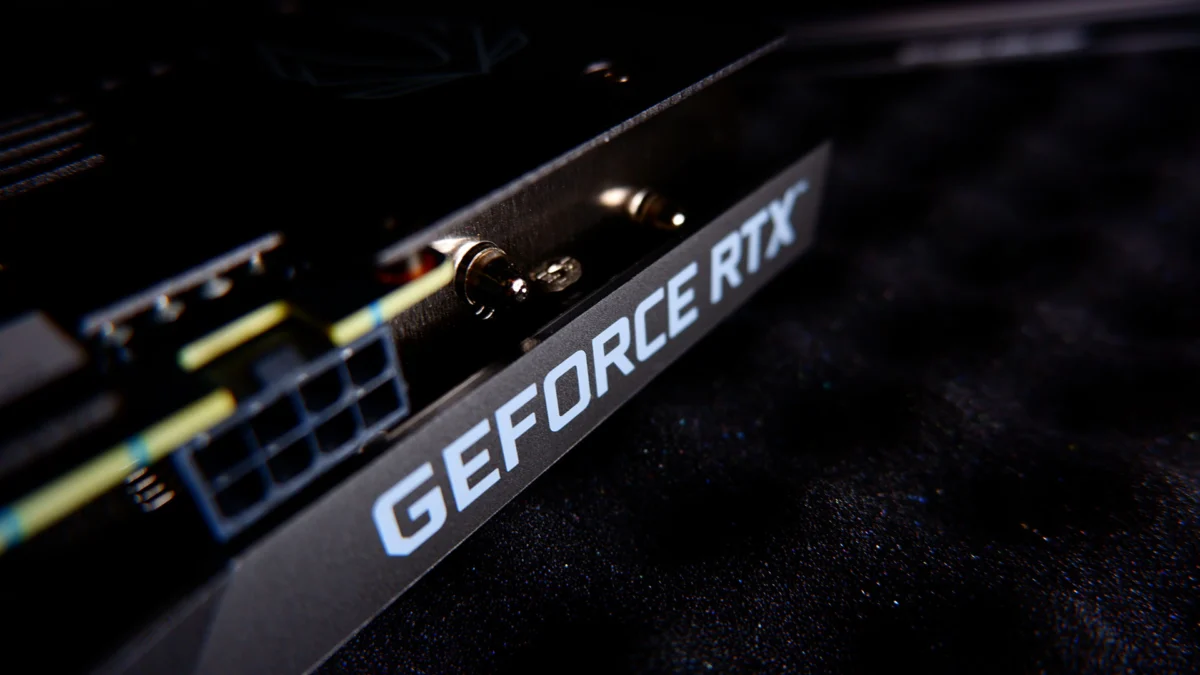
- Mid-2024 (The "Resurrection" Trend): AMD leads the charge by reintroducing the beloved Ryzen 7 5800X3D. Nvidia follows suit by pushing new production runs of the RTX 3060 to European markets to fill the gap in mid-range GPU availability.
- Present Day: Rumors circulate that Intel is preparing to follow its competitors by extending the shelf life of its 10th through 14th-generation CPUs, effectively creating a "long-tail" market for proven silicon.
Supporting Data: Why Consumers Are Clinging to the Past
The decision to manufacture older chips is not merely a nostalgia play; it is data-driven. Several factors contribute to the ongoing demand for "legacy" hardware:
1. The DDR4 Stability Factor
Despite the performance benefits of DDR5, the platform cost remains a significant barrier for many users. DDR4 motherboards and memory kits have reached a state of extreme maturity and price efficiency. When a user can upgrade their CPU to a high-end 14th-generation chip without needing to replace their entire motherboard or RAM set, the value proposition is immense.
2. The Platform Longevity Crisis
Many users who invested in AM4 (AMD) or LGA 1700 (Intel) platforms are looking for a "final upgrade" that allows them to extract maximum performance before they are forced into a full-system overhaul. By providing high-end older CPUs, these companies allow their user base to delay the expensive transition to next-generation platforms like AM5 or future Intel sockets.
3. The Industrial and Commercial Demand
It is not just gamers who crave these older chips. Commercial workstations, embedded systems, and enterprise environments often rely on validated hardware stacks. Changing a CPU architecture in a validated system can require months of re-testing and software optimization. Keeping older chips in production is a service to corporate clients who need continuity.
The Engineering Challenge: "Very Hard, Actually"
Re-releasing a chip is not as simple as flipping a switch on an old machine. As AMD’s Ryzen chief, David McAfee, candidly admitted, bringing back the Ryzen 7 5800X3D was an arduous process. "It was a tough conversation… very hard, actually," he stated.

When a company discontinues a chip, the production equipment is often repurposed, or the fabrication process is upgraded to a newer node. To bring back an older chip, engineers often have to:
- Re-qualify the design: Ensure the chip still performs correctly with modern operating systems and security patches.
- Migrate the process: If the original fabrication node (e.g., 14nm) is no longer in use, the chip must be re-engineered to run on a newer, more efficient process node (like Intel 7 or a refined 7nm process).
- Supply Chain Recalibration: Raw materials and sub-components for older chips may be scarce, requiring entirely new procurement contracts.
Intel’s potential return to 14nm production for Comet Lake would be an enormous, likely inefficient undertaking. More likely, Intel would follow the AMD playbook: porting older, popular architectures to current manufacturing processes, allowing them to churn out "old" chips using "new" machinery.
Implications: A New Era for PC Hardware?
If Intel proceeds with this rumored plan, the implications for the PC market will be significant.
For the Consumer
This is largely a win. Increased supply of older-generation CPUs will likely stabilize or lower the secondary market prices for these components. It empowers users to extend the life of their current systems, promoting a more sustainable approach to PC building that rejects the "upgrade every two years" cycle.
For the Competition
The move signals a shifting philosophy in the semiconductor space. Instead of abandoning legacy customers, companies are realizing that the "installed base" is an asset. By keeping these platforms alive, Intel and AMD can lock users into their respective ecosystems for years longer than they would have otherwise.
For the Industry
This trend could lead to a bifurcation of the CPU market. We may see a clear distinction between "bleeding-edge" lines (the latest nodes, highest prices, DDR5/DDR6 requirements) and "performance-value" lines (proven architectures, affordable DDR4/DDR5 support, high availability).
Conclusion: The Wisdom of Retrospection
The move to keep older CPUs in production, while initially appearing to be a sign of a stagnant market, is actually a sign of a maturing one. By listening to the needs of enthusiasts and professional users who value stability and cost-efficiency over raw, iterative gains, Intel and its competitors are demonstrating a new level of customer-centricity.
Whether these rumors regarding Intel’s 10th-to-14th-generation push are fully realized remains to be seen. However, given the current state of the global economy and the soaring cost of new PC builds, a "return to form" for the CPU market is not only logical—it is likely necessary. As the industry navigates the transition into the next decade of computing, it appears the path forward involves looking, quite literally, at where we have been.

