

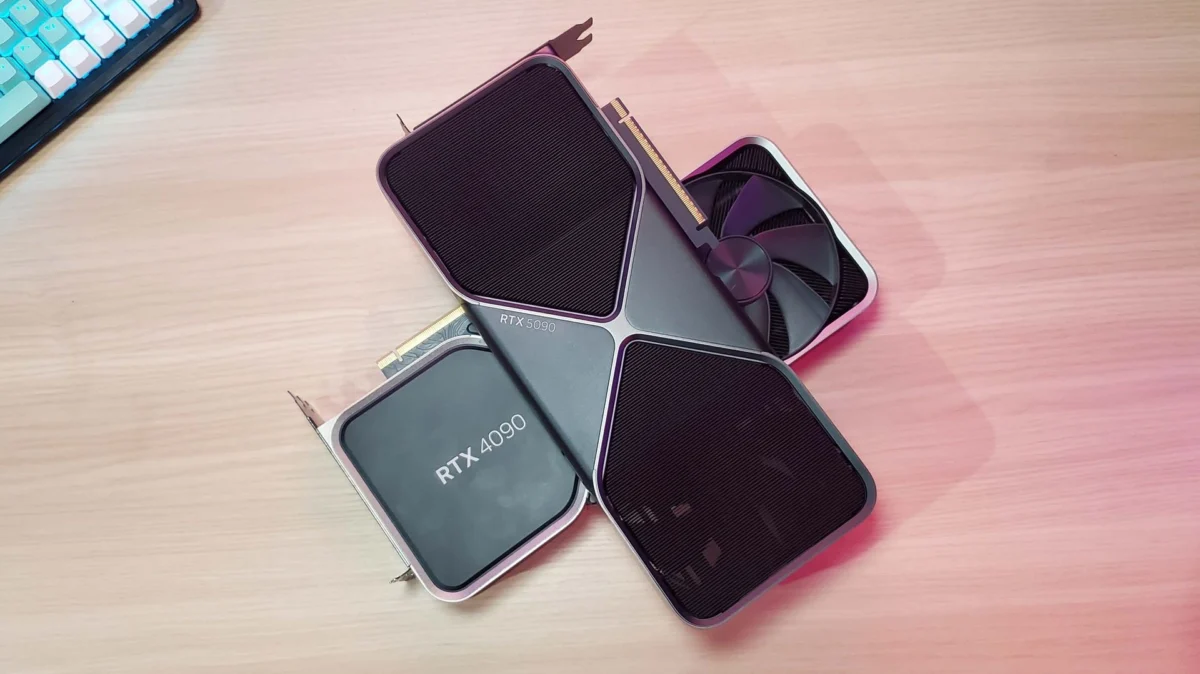
The high-end PC gaming and enthusiast hardware markets have spent weeks riding a rollercoaster of rumors, corporate clarifications, and stark supply-chain realities regarding Nvidia’s crown-jewel flagship graphics card: the GeForce RTX 5090.
While Nvidia continues to insist that its premier consumer GPU has not reached its End-of-Life (EOL), the reality on the ground tells a vastly different story. For Add-In Board (AIB) partners—the manufacturers responsible for designing, building, and shipping custom iterations of Nvidia’s reference architectures—the ability to physically acquire the necessary components has ground to a near-complete halt.
Combined with staggering price inflation that has pushed third-party variants into the stratosphere—with some scalped or luxury models commanding up to $8,000—the RTX 5090 exists in a strange limbo. Officially alive on paper, it is functionally extinct for the average consumer.
Main Facts: The Anatomy of the RTX 5090 Shortage
At the heart of the current crisis is a profound disruption in component allocation. Nvidia’s flagship card relies on two critical, tightly integrated pieces of hardware: the massive GB202 graphics processor and a staggering 32GB of high-speed GDDR7 memory.
According to disclosures from industry insiders and hardware manufacturers, the bottleneck is not merely logistical; it is structural.
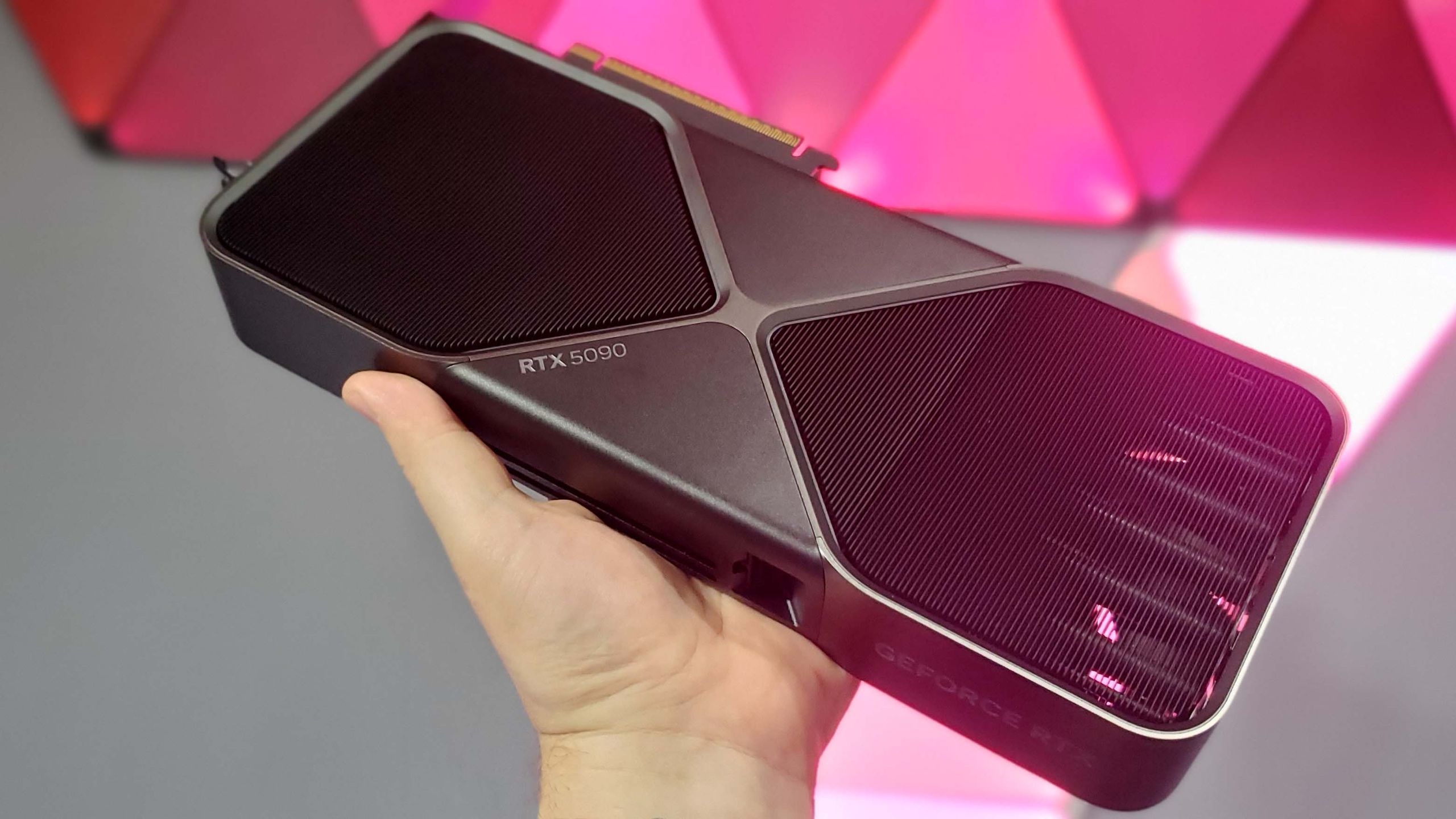
- The Bundle Problem: AIB partners are traditionally heavily reliant on purchasing the GPU core and VRAM as a unified bundle directly from Nvidia.
- Supply Blockades: Recent reports indicate that these complete sets are no longer available for purchase through standard allocation channels, and backordering options—a safety valve used during past shortages—have been entirely suspended.
- Heatsink Orders Plummet: Downstream manufacturing sectors are feeling the squeeze just as acutely. Cooler and heatsink manufacturers report a dramatic drop in production forecasts, with several major partners canceling Q1 2027 orders and registering zero demand for Q2 2027 RTX 5090 cooling solutions.
While Nvidia’s corporate offices maintain that production and shipping continue, the inability of third-party builders to source the silicon and memory required to assemble custom cards renders the "not discontinued" status largely semantic. For all practical purposes, the card is experiencing a ghost discontinuation.
Chronology of a Crisis: How the RTX 5090 Vanished
To understand how the flagship card reached this precarious state, it is necessary to trace the timeline of events that unfolded over the past several months.
Phase 1: The Launch and Early Prohibitive Pricing
Upon its initial debut, the GeForce RTX 5090 established a terrifying benchmark for consumer hardware pricing. With a baseline Manufacturer’s Suggested Retail Price (MSRP) starting at a lofty $2,000, the card was already targeted exclusively at the most affluent enthusiasts, professional content creators, and enterprise users. Within weeks, however, market demand completely overwhelmed initial stock. Retail prices ballooned, forcing industry trackers—including major hardware publications—to pull the card from active price-watch lists simply because stable, reputable inventory no longer existed.
Phase 2: The Marketplace Disappearance
Panic rippled through the PC building community last month when eagle-eyed consumers noticed that the RTX 5090 had quietly vanished from Nvidia’s official web marketplace. The sudden disappearance ignited widespread speculation across social media, hardware subreddits, and tech forums that Nvidia had quietly pulled the plug on the ultra-expensive flagship just months into its lifecycle.
Phase 3: Nvidia’s Official Denial
Quick to tamp down the growing firestorm, Nvidia issued statements clarifying that the card had not been discontinued. Regional divisions, including Nvidia’s German branch, doubled down on this narrative, explicitly telling the tech press that shipments would continue and that the product line remained active.
Phase 4: The AIB Revelations and Der8auer’s Exposé
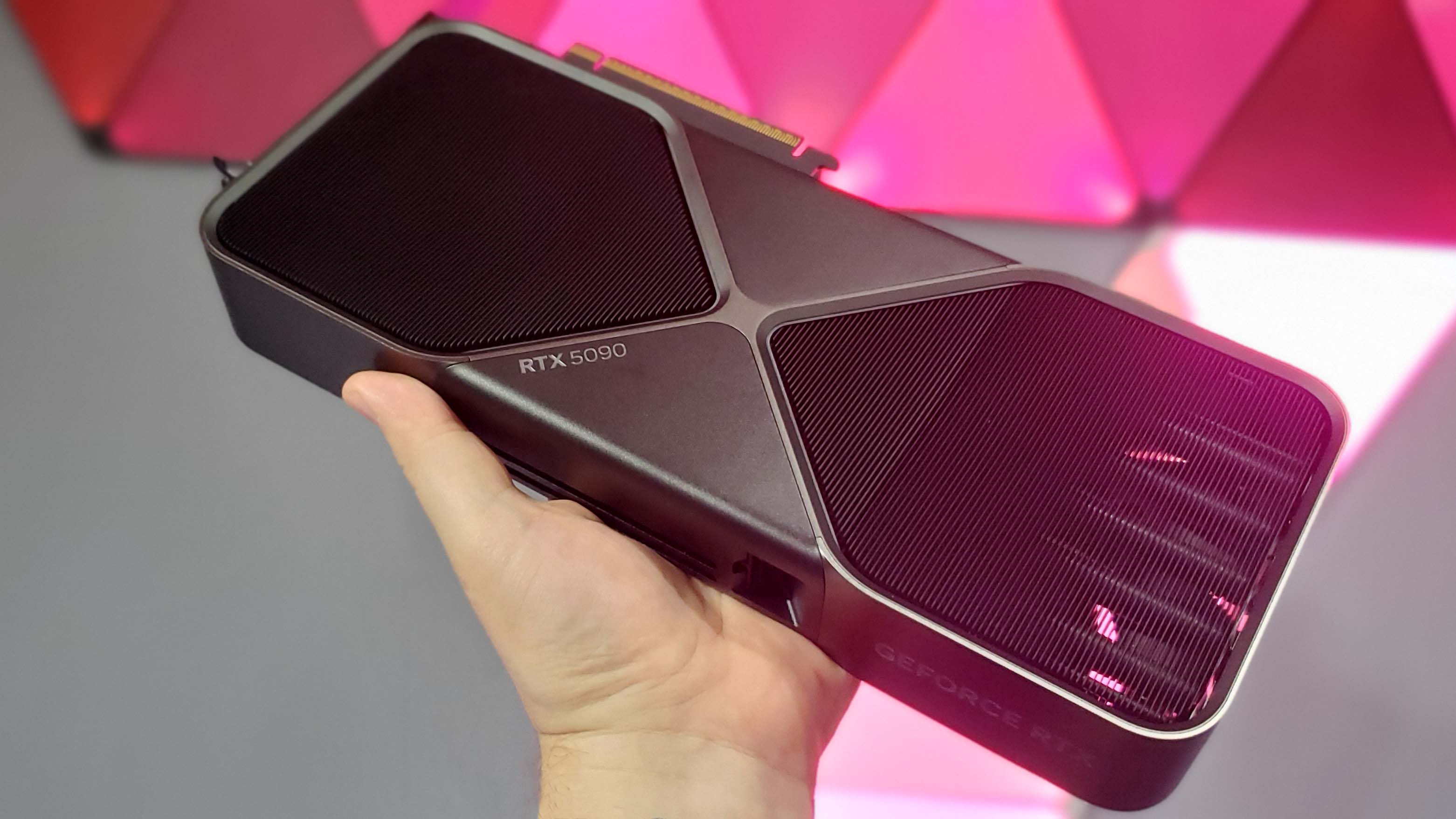
The plot thickened dramatically when prominent hardware overclocker and YouTuber Der8auer published interviews with unnamed sources deep inside Nvidia’s AIB partner network. These interviews shattered the illusion of a healthy supply chain. The partners revealed that while Nvidia had not technically declared an EOL (End-of-Life) status for the chip, they could no longer buy the GB202 GPU and 32GB GDDR7 memory sets. Compounding the issue, the discontinuation of standard backordering systems left manufacturers completely in the dark regarding when—or if—they would ever receive inventory again.
Supporting Data: Sourcing Bottlenecks and Downstream Fallout
The severity of the RTX 5090 shortage is best quantified by looking at the cascading effects across the hardware manufacturing ecosystem.
[Nvidia GB202 GPU] + [32GB GDDR7 VRAM]
       │
       ▼ (Supply Chain Interruption)
[AIB Partners Unable to Place Backorders]
       │
       ▼ (Manufacturing Halt)
[Heatsink & Cooler Orders Zeroed Out for 2027]
       │
       ▼ (Retail Market Collapse)
[Astronomical Pricing: Up to $8,000 per Unit]
The Memory and Silicon Squeeze
Industry watchers have long debated whether the primary constraint stems from advanced silicon fabrication capacity or the bleeding-edge nature of GDDR7 memory modules. The RTX 5090 demands 32GB of GDDR7—a brand-new, high-bandwidth memory standard that is notoriously difficult and expensive to manufacture at scale.
While rumors have occasionally surfaced suggesting Nvidia might decouple its GPU and VRAM bundling practices to ease production, analysts note this would only shift the burden. If partners were forced to source GDDR7 independently from major memory fabricators (such as Samsung, SK Hynix, or Micron), they would still face fierce price competition against enterprise AI and data center sectors aggressively hoarding high-speed memory pools.
Cooling Partner Forecasts Paint a Grim Picture
The downstream data collected by Der8auer from cooler manufacturers provides empirical proof of a long-term supply drought:
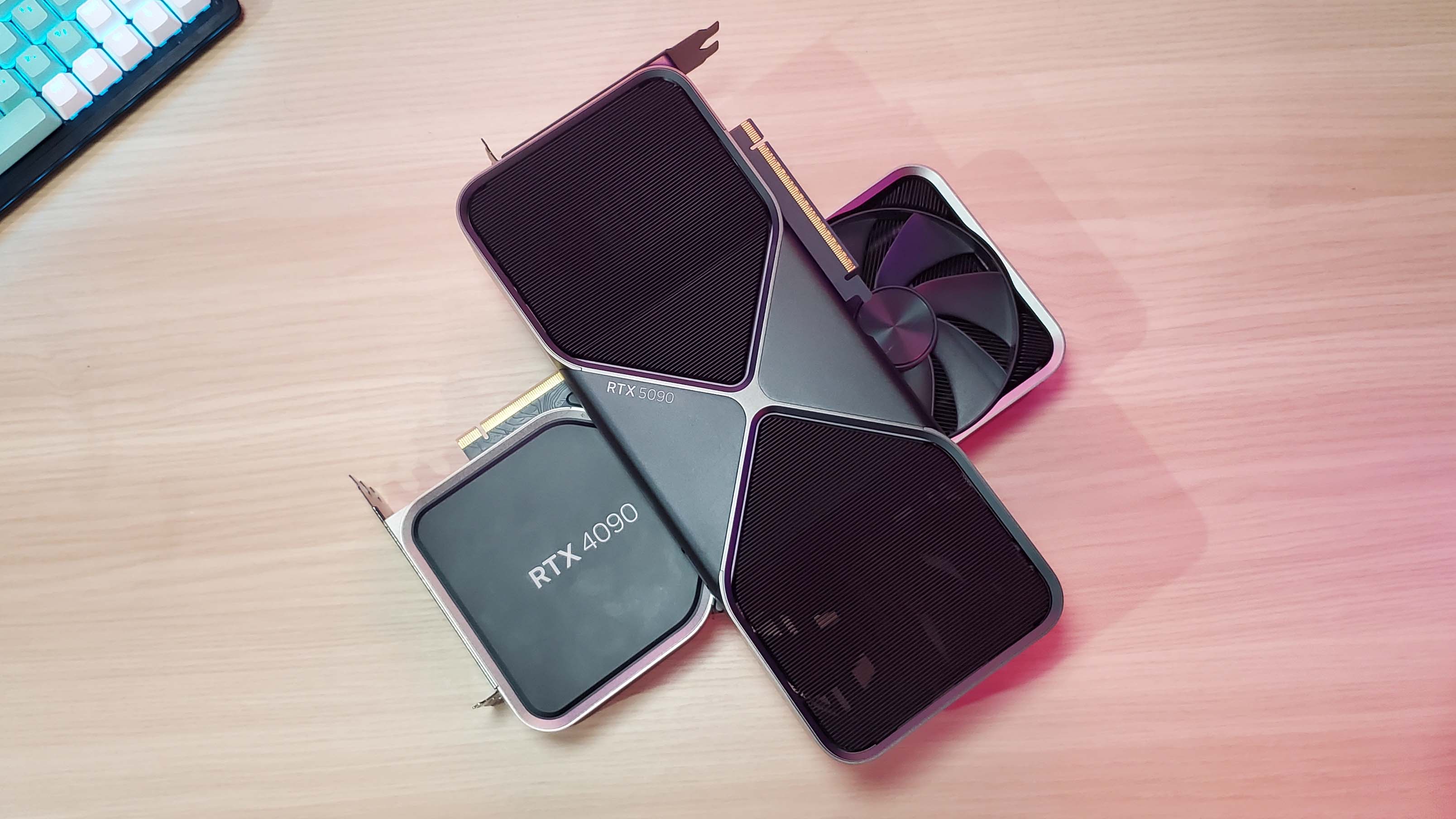
- Q3 2026 to Q1 2027: Major hardware partners significantly scaled back their order forecasts for custom RTX 5090 heatsinks.
- Q2 2027: Cooler manufacturers report receiving zero orders for RTX 5090 cooling models moving into the second quarter of 2027.
When component manufacturers stop ordering thermal solutions a year in advance, it signals a profound lack of confidence in near-term hardware availability.
Official Responses: Nvidia’s Stance vs. Industry Reality
The divergence between Nvidia’s official communications and the lived experience of its manufacturing partners highlights a classic corporate communication dilemma.
- Nvidia’s Position: Publicly, Nvidia remains steadfast. Representatives have reiterated that manufacturing lines are operational and that the company intends to keep supplying the market. They attribute current availability issues to a "somewhat constrained" output driven by global supply chain pressures rather than an intentional phase-out of the product.
- The Partner Perspective: Conversely, AIB executives speaking under conditions of anonymity paint a picture of operational paralysis. To a manufacturer, a product is effectively dead if the raw materials required to build it cannot be secured. Without access to the GB202/GDDR7 bundles and with backorders frozen, the technicality that Nvidia has not issued an official EOL memo offers little cold comfort.
Implications for the Enthusiast Market
The ongoing crisis surrounding the RTX 5090 carries significant ramifications for the broader PC hardware landscape:
- The Death of Accessible Ultra-Enthusiast Gaming: At an original MSRP of $2,000, the 5090 was already restricted to a wealthy demographic. With current third-party listings soaring as high as $8,000 through luxury retailers like Best Buy and specialized scalper networks, the card has transitioned from an expensive consumer product to an unattainable luxury item.
- Erosion of Consumer Trust: The disconnect between corporate messaging ("The card is not discontinued!") and market reality ("You literally cannot buy one, and partners aren’t building them") breeds cynicism among PC builders who rely on transparency when planning high-end system upgrades.
- The Pivot to Alternative Hardware: As consumers and reviewers alike abandon hope of securing a reasonably priced RTX 5090, attention is inevitably shifting toward lower-tier GPUs or competitive offerings from rival manufacturers who may possess more resilient supply chains.
Ultimately, whether Nvidia officially categorizes the RTX 5090 as active or discontinued matters very little to the end user. In a market governed by availability and price, a flagship card that cannot be built, shipped, or purchased at anything resembling a rational price point is effectively a ghost in the machine.

