

In the rapidly evolving landscape of digital media, a silent revolution is taking place on the screens held in the palms of our hands. As startup studios and legacy entertainment giants alike pivot toward short-form, high-intensity storytelling, the ghost of Quibi—Jeffrey Katzenberg’s $2 billion streaming casualty—looms large. Was Quibi merely a visionary project born in the wrong era, or was it a structural failure that ignored the fundamental habits of the modern digital consumer?
Today, the answer is beginning to emerge. The rise of the "microseries"—narrative-driven, episodic content designed specifically for the vertical scroll—suggests that the appetite for bite-sized storytelling was always there. The difference is that today’s creators are no longer trying to force the audience to change their habits; they are building content that fits seamlessly into the dopamine-fueled rhythm of the TikTok and YouTube Shorts era.
At the center of this movement is Second Rodeo, a studio founded by Emmy-nominated creative producer Scott Brown. Having witnessed the rise and fall of the Quibi experiment from the inside, Brown is now applying the hard-won lessons of that era to lead the charge in a much more hospitable climate.
The Quibi Legacy: A Lesson in Timing and Habituation
To understand why the microseries is thriving today, one must first look at the wreckage of 2020. Quibi arrived with massive financial backing and A-list talent, but it faced a fundamental hurdle: it was attempting to dictate user behavior.
“The number one difference is that these apps and this format are not trying to train audience behavior,” explains Scott Brown. “When Quibi came out, TikTok was new, and while we had seen Vine, YouTube Shorts hadn’t even launched in the U.S. Consuming narrative storytelling in small, vertical chapters just wasn’t a deeply ingrained habit yet.”
Quibi asked users to download a standalone app, subscribe to a service, and fundamentally alter how they interacted with their phones. In contrast, modern microseries are meeting users exactly where they are—on the platforms they already frequent. The transition from a 15-second influencer skit to a 3-minute scripted dramatic episode feels natural to the modern viewer, whereas, five years ago, it felt like an imposition.
A Chronology of the Microseries Evolution
The path to the current vertical boom is not a straight line, but rather a series of cultural shifts in digital consumption:
- 2013–2017: The Vine and Early YouTube Era. This period established the "snackable content" culture. Creators began building massive, loyal followings, though they were often marginalized by the legacy entertainment industry.
- 2018–2020: The "Quibi" Experiment. A bold, well-funded attempt to bring high-production-value, short-form content to a mobile-only audience. It failed due to a lack of user habituation and a closed ecosystem.
- 2020–2022: The Pandemic Pivot. During COVID-19, the industry finally recognized the massive, underserved audiences commanded by digital creators. The rise of channels like Dhar Mann and Alan Chikin Chow proved that narrative, scripted content could thrive on social platforms.
- 2023–Present: The Professionalization of Vertical. Companies like Second Rodeo, alongside the explosive growth of Asian-market apps like ReelShort and DramaBox, have ushered in an era of "vertical-first" professional production.
Data-Driven Storytelling: The New Paradigm
One of the key distinctions in the current microseries wave is the willingness of studios to follow data rather than intuition. While legacy studios often rely on long-lead development cycles, the new guard of digital studios treats the audience as a real-time focus group.
Brown, whose background includes directing 750+ episodes of Larry King’s digital series on Hulu and executive producing for The Rock, emphasizes that the modern success of these series is intrinsically linked to the "fandom" economy.
“There are actors whose vast majority of work is in the vertical scripted format,” Brown notes. “They have followings in the six figures—active, energized followings. Creators were being slept on for years. I would work with them and see piles of fan mail, but it wasn’t until recently that the industry fully acknowledged the scale of these audiences.”
By utilizing platforms like ReelShort and DramaBox, studios are effectively using a "beta-test" model for storytelling. They launch content, track retention, and adjust narratives based on immediate user response. This iterative process is the polar opposite of the traditional Hollywood model, where a project is completed in a vacuum before being presented to an audience.
The Case Study: Playback and the Art of the "Immediate Hook"
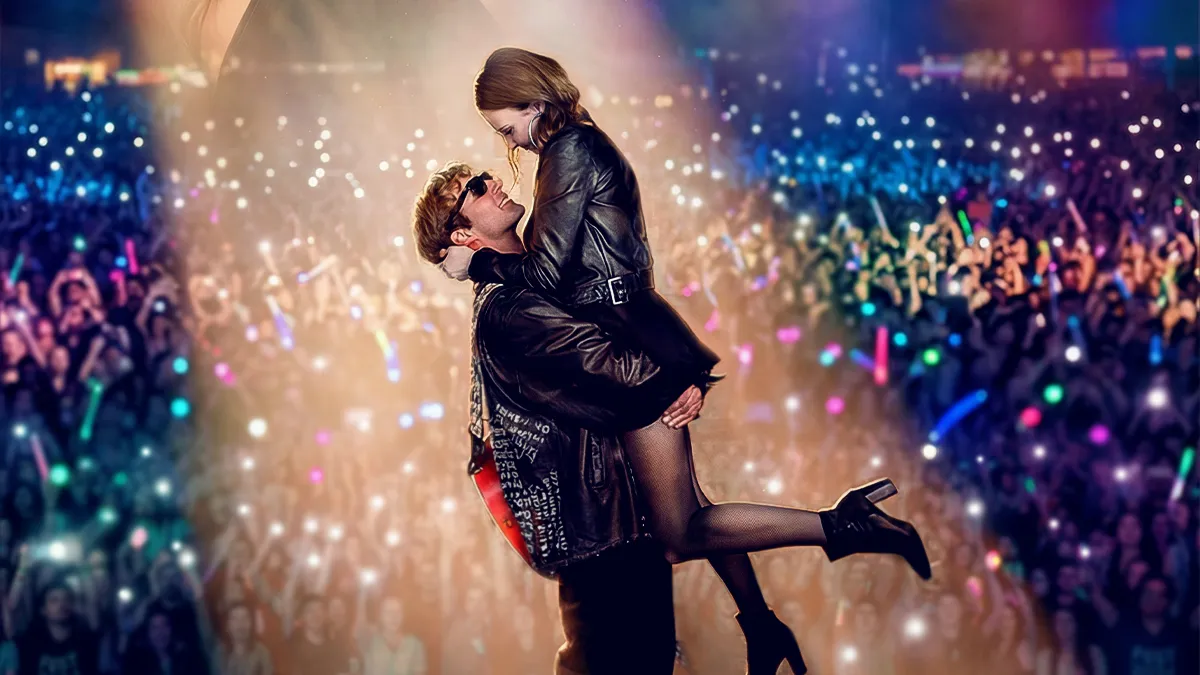
Second Rodeo’s latest project, Playback, serves as a prime example of the new rules of engagement. Starring digital creator Hannah Stocking alongside America’s Next Top Model winner Sophie Sumner, the series is a vertical musical drama that wastes no time in establishing its stakes.
In a traditional television pilot, a screenwriter might spend the first 20 to 30 minutes establishing the world and the characters. In the vertical microseries format, that window of opportunity is reduced to seconds.
“TikTok, YouTube Shorts, and vertical content in general have habituated most viewers to expect storytelling immediately,” Brown explains. “Audiences want that right away. We are scratching an itch that is simply not being addressed in most traditional narrative content.”
In Playback, the audience is introduced to complex character dynamics—a strained mother-daughter relationship, a career-stalled rockstar, and a viral sensation—within the first few minutes of the premiere episode. This "info-deluge" is not merely a stylistic choice; it is a necessity for a medium where the "scroll" is always an option.
Why Romance Dominates the Vertical Space
When analyzing the success of titles like The Diamond Rose and Playback, one cannot ignore the dominance of the romance genre. According to Brown, romance is the "catnip" of the microseries world because of its structural simplicity and emotional intensity.
“The flaws in characters are what drive the story,” says Brown. “In romance, you have two characters who have wounds to heal, and they can heal because they are complementary. I have a lot of respect for romance structuring. It’s a highly collaborative act, and it allows for a series of payoffs that are incredibly satisfying for the viewer.”
Implications for the Future of Entertainment
The implications for the broader entertainment industry are significant. We are witnessing the emergence of mobile storytelling as a distinct medium—one that is separate from traditional film and television.
Second Rodeo is building the infrastructure to support this, not just as a content house, but as a facilitator of a new creative economy. By investing in vertical-first production, they are proving that mobile storytelling is not a "lite" version of cinema, but a sophisticated, lucrative, and highly engaging format that fits into the fragmented moments of modern life.
As the industry looks forward, it is clear that "history doesn’t repeat itself, but it loves to rhyme." The creators who were once ignored by traditional studios are now the architects of the next major shift in entertainment. Whether it is through vertical musicals or high-stakes romance thrillers, the focus has shifted from the screen size to the emotional connection.
For Scott Brown and his team, the future is not about trying to make television fit into a phone; it is about recognizing that the phone has created a new, insatiable audience that demands a new kind of story. And as Playback and its contemporaries demonstrate, that story is already being told, one vertical chapter at a time.

