

By [Your Name/Journalist]
Published July 10, 2026
In a move that has sent shockwaves through the gaming industry, Xbox CEO Asha Sharma has initiated a sweeping "company reset." The strategy, outlined in a candid July 6 memo, marks a definitive shift in the division’s trajectory: Xbox is pivoting away from the diverse, experimental portfolio that once defined its subscription-driven growth model in favor of a hyper-focused, franchise-first strategy.
As the dust settles from thousands of layoffs—which have gutted teams across internal studios like Compulsion Games, Undead Labs, and sections of the legendary id Software—it has become clear that Xbox is betting its future on a handful of "crown jewel" IPs: Halo, Fallout, The Elder Scrolls, Gears, and Forza. Critics fear this shift signals a "Marvelization" of the Xbox brand, where the pursuit of immediate, high-margin revenue replaces the creative ambition that once made the platform a home for artistic innovation.
The Strategic Reset: A Financial Reckoning
The catalyst for this drastic pivot is a disparity in profitability. In her July 6 memo, Sharma highlighted that while Xbox has successfully fostered culturally relevant, award-winning games, its profit margins consistently trail those of its primary competitors.
For the leadership team, the solution is binary: if a project does not guarantee massive, repeatable returns, it is a liability. This philosophy has effectively ended the era of "boutique" investment, where Xbox functioned as a patron of the arts for smaller studios. The capital once distributed across a wide net of creative endeavors is now being consolidated into the "Big Five" franchises.
The irony, according to industry analysts, is that the lack of profitability for smaller studios was often a symptom of years of mismanagement. Studios were acquired, left to operate with minimal oversight, and then penalized when their output—often throttled by internal development bottlenecks—failed to meet unrealistic revenue benchmarks.
A Chronology of Decline and Consolidation
To understand the current state of Xbox, one must look at the timeline of its aggressive acquisition and subsequent restructuring:
- 2018–2021: The Acquisition Spree: Microsoft aggressively expands its portfolio, purchasing Bethesda Softworks, Ninja Theory, Compulsion Games, and Undead Labs, among others, with the goal of bolstering Game Pass.
- 2022–2024: The Stagnation Period: Despite owning a treasure trove of IP, the release cadence remains slow. Starfield launches to mixed reactions, and highly anticipated titles from smaller acquisitions remain stuck in "development hell" or fail to materialize entirely.
- Late 2024–2025: Fallout’s Cultural Zenith: Amazon’s Fallout television series becomes a massive success, reaching over 80 million viewers. Paradoxically, Xbox fails to leverage this momentum, offering no new game releases or significant remasters to capitalize on the mainstream explosion of interest.
- July 2026: The "Reset": CEO Asha Sharma announces the massive layoffs and the strategic pivot toward a franchise-led model, signaling the end of the experimental development phase.
The "Marvelization" Risk: Oversaturation and Creative Erosion
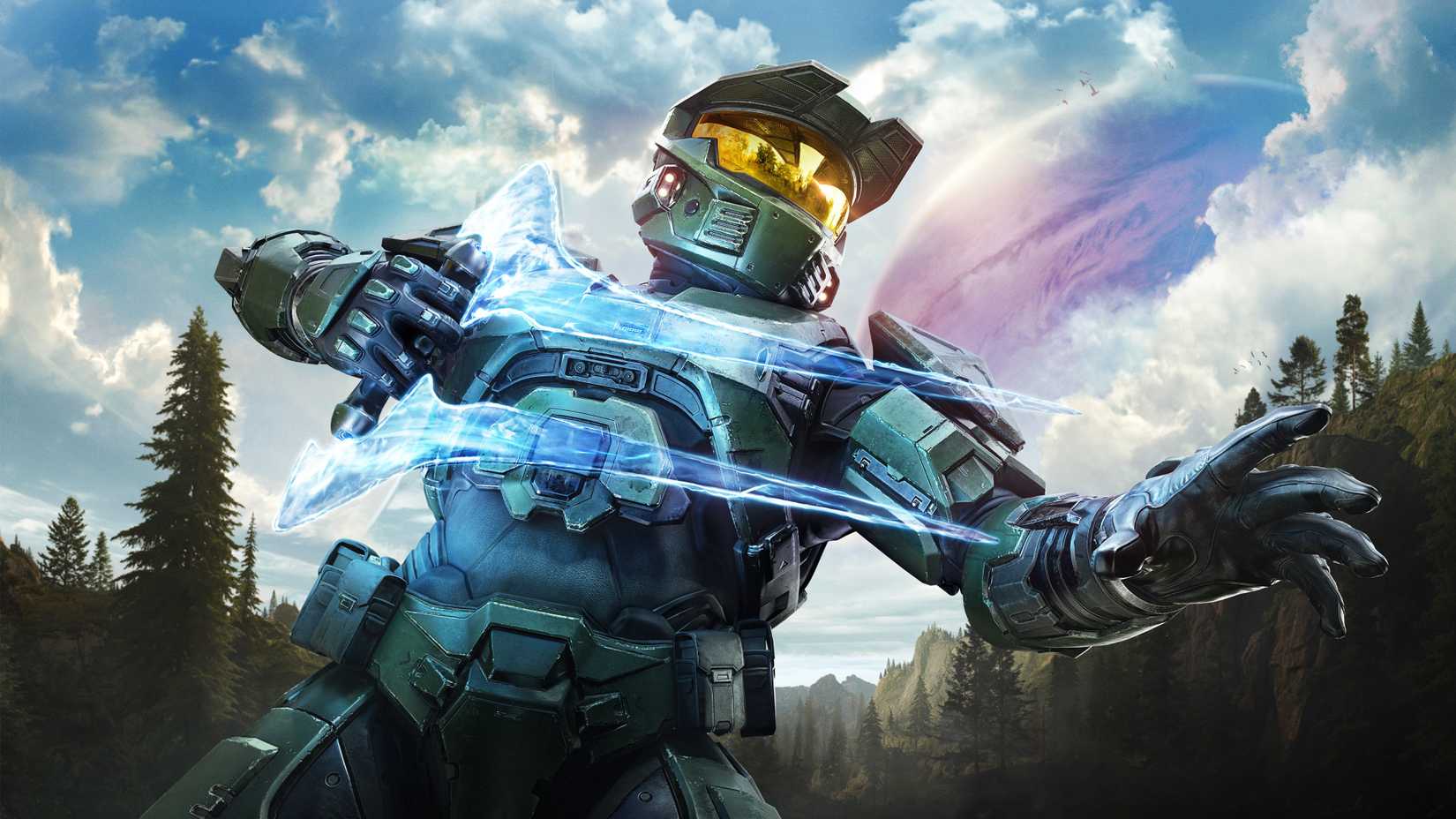
The primary concern regarding the new strategy is the danger of creative oversaturation. By forcing studios to churn out entries in the Halo and Fallout franchises at a faster pace, Xbox risks repeating the fatigue observed in the modern superhero film landscape.
Historically, Halo has maintained its prestige through high-quality, spaced-out releases. This buffer allows developers to innovate. If the franchise is forced into a high-frequency production cycle, the distinct identities of each game will likely dissolve into a homogenized, "safe" formula designed to satisfy shareholders rather than players.
The same applies to Bethesda’s portfolio. Starfield served as a cautionary tale: a game that felt like a synthesis of The Elder Scrolls and Fallout mechanics without a distinct, soul-stirring identity. By demanding more of the same, Xbox is effectively asking its studios to iterate on a stagnant engine, potentially turning once-beloved universes into assembly-line products. The loss of talent at id Software—the architects of the modern Doom series—further compounds these fears, as the company loses the engineers and designers capable of pushing the boundaries of the shooter genre.

The Fallout Paradox: Missed Opportunities and Future Uncertainty
Perhaps the most baffling element of the new strategy is how Xbox has handled its most valuable intellectual property: Fallout.
When the Fallout TV show premiered to massive critical and commercial acclaim, the gaming world waited for an announcement of a new project. None came. Even as season two began filming, and eventually season three followed suit, the gaming division remained largely silent. While rumors persist regarding a project at Obsidian Entertainment, the reality of modern AAA game development—which often spans five to seven years—means any new title is unlikely to align with the release of the show’s third season.
This represents a failure of cross-media synergy. A "smart" company would have had a roadmap in place to ensure that every time a season of the show hit Amazon, a corresponding game or remaster was ready to capture the millions of new fans. Instead, Xbox remains reactive, leaving a massive cultural opportunity on the table.
The Human and Technical Cost: Implications for the Future
The most harrowing implication of this reset is the human cost. By gutting its studios, Xbox has lost the institutional knowledge required to build the next generation of great games. A studio is not merely a name on a building; it is a collection of developers, writers, and artists whose synergy defines the quality of the product.
The Realistic Outcome
The "best-case scenario" for this strategy is that Xbox achieves its profit margins through sheer volume of sequels. However, the more realistic outcome is a cycle of "developmental attrition." When developers are pushed to iterate on massive, legacy franchises under tight deadlines, the result is almost always:
- Increased Crunch: Unrealistic expectations force the remaining staff into grueling work cycles.
- Creative Stagnation: Games become "service-based" iterations rather than artistic statements.
- Diminishing Returns: Eventually, the brand fatigue sets in. Players stop caring about the next Halo or Fallout because they have already played three variations of it in as many years.
Conclusion: A Strategy Without Foresight
Xbox leadership has long been criticized for its inability to plan beyond the current fiscal quarter. The recent "reset" appears to be the culmination of that shortsightedness. Rather than fostering a diverse ecosystem that rewards creativity and patience, Xbox has chosen the path of least resistance: exploiting the brand equity of its most famous names until that equity is exhausted.
If the goal of the reset was to stabilize the division, it may succeed in the short term. But by sacrificing the creative soul of its studios, Xbox risks turning into a ghost of its former self—a platform defined by the sequels it churns out rather than the experiences it provides. As we look toward 2027 and beyond, the question remains: will players be satisfied with the constant, bland output of a franchise factory, or will they eventually migrate to platforms that still prioritize the art of the game? For now, the future of Xbox looks less like a bold new beginning and more like a retreat into a very familiar, and increasingly stale, wasteland.

