

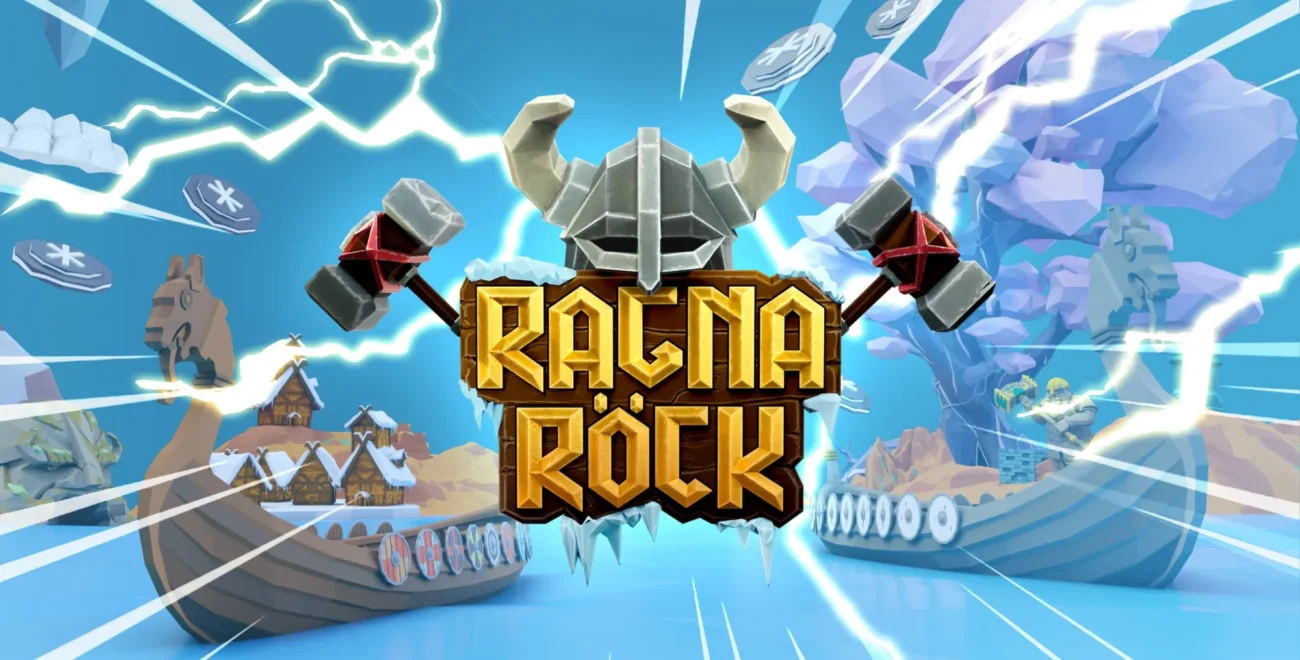
In the competitive landscape of virtual reality rhythm games, content cadence is king. For Ragnarock, the popular Viking-themed title developed by Wanadev Studio, the road to expanding its soundtrack is paved with intricate legal negotiations and artistic considerations. This week, the developers announced a significant, albeit modest, update to the game: the addition of two new licensed tracks, provided free of charge to the existing player base.
This update marks the first infusion of new musical content into Ragnarock since July 2025, when the studio released the premium Viking Music Pack. As the community looks to the future of this VR staple, the update serves as both a celebration of the game’s enduring popularity and a reminder of the complex realities behind music licensing in the digital age.
The New Additions: A Sonic Reinforcement
The two tracks joining the Ragnarock library are distinct in their energy, yet both fit perfectly within the game’s high-octane, metal-infused aesthetic.
- ‘Strangeland’ by Mister Misery (2020): This track brings a modern, atmospheric edge to the game. Known for their theatrical flair and heavy, melodic sensibilities, Mister Misery’s inclusion offers players a fresh, rhythmic challenge that tests the endurance of even the most seasoned longship captains.
- ‘Hard Rock Hallelujah’ by Lordi (2006): A legendary anthem in the world of hard rock, this track is perhaps best known for its historic win at the Eurovision Song Contest. Its driving tempo and iconic chorus make it a natural fit for the frantic, drum-heavy gameplay that defines Ragnarock.
These tracks arrive at a time when the game is transitioning its foundational content. Notably, the game’s default tutorial song has been swapped. ‘Call of the North,’ which has served as the entry point for thousands of new players, has been removed due to the expiration of its licensing agreement. It is replaced by ‘To Erebor,’ ensuring that the onboarding process for new Vikings remains seamless and high-energy.
A Chronology of Content: Where Does Ragnarock Stand?
To understand the significance of this update, one must look at the historical timeline of the game’s growth. Since its inception, Ragnarock has carved out a niche by focusing on folk-metal, power metal, and symphonic rock—genres that lend themselves well to the physical act of drumming in VR.
However, the cadence of these updates has been irregular. The Viking Music Pack last summer provided five premium tracks, which were well-received but left players hungry for more consistent updates. When compared to market giants like Beat Saber or Synth Riders, the frequency of Ragnarock’s musical expansion appears slow.
For instance, Beat Saber, under the umbrella of Meta’s Beat Games, has released multiple music packs and free track drops throughout 2026. Synth Riders has maintained a similar, aggressive release schedule. While these titles operate on a different scale, the comparison highlights the primary challenge facing independent developers: the "Music Content Gap."
The Mechanics of Licensing: Why It Isn’t Just "Plug and Play"
A central tension in modern VR rhythm gaming is the misunderstanding among users regarding how music enters the game. Many players assume that adding a song is as simple as purchasing a license and importing an audio file. Wanadev Studio has been transparent about the arduous, months-long process required to secure the rights to every single track in Ragnarock.
The Anatomy of a Deal
In an official statement, Wanadev Studio outlined the roadmap for adding a single song to the game:
- Identification and Outreach: Identifying the rights holders (which can include the band, their label, their music publisher, and sometimes even multiple entities for a single track).
- Negotiation: Proposing a deal that accounts for the game’s reach and expected revenue.
- Approval: Securing the "sync license," which grants the studio permission to pair the audio with the interactive, visual experience of the game.
- Compensation: Ensuring that royalties are distributed fairly to all involved parties.
"Before we can even start mapping a track, we first need to contact the rights holders, secure their approval, and make sure the artists are fairly compensated," the studio stated. "Unfortunately, those pieces don’t always come together, which means some songs simply can’t make their way into Ragnarock. Hopefully, this gives you a better idea of why adding new songs to Ragnarock isn’t quite as simple as it may seem!"
This is a stark reality for independent studios. While a studio like Beat Games can leverage the massive legal and financial resources of Meta to facilitate quick, high-profile deals, Wanadev Studio must navigate these choppy waters with a smaller team and more limited resources.
Balancing Priorities: Beyond Rhythm Games
It is also important to note that Wanadev Studio is not a "rhythm-game-only" company. Their portfolio is diverse, spanning different genres and platforms. From the VR horror experience Propagation: Paradise Hotel to the unique strategic title Vestiges: Fallen Tribes, the team is constantly juggling multiple development pipelines.
Furthermore, the studio is currently deep in the development of Species Unknown, a flatscreen co-op survival horror title. This diversification is a double-edged sword: while it keeps the studio creative and financially stable, it naturally pulls developer bandwidth away from the live-service requirements of Ragnarock. For the rhythm game community, this means that while music updates may be infrequent, they are the product of careful, deliberate effort rather than a "low-effort" approach.
Implications for the VR Rhythm Genre
The Ragnarock update serves as a case study for the sustainability of mid-sized VR titles. As the hardware market matures and the installed base of devices like the Quest and PSVR2 grows, the pressure on developers to provide "live service" updates increases.
The Licensing Ceiling
The licensing model used by Ragnarock is a microcosm of the broader digital music industry. As streaming services dominate music consumption, the value of a "sync license" for a video game has become more scrutinized. Rights holders are increasingly selective, and the cost of entry is rising. This creates a "licensing ceiling" for independent developers, where the cost of acquiring popular tracks may eventually outweigh the revenue potential of the game itself.
Community Sentiment vs. Commercial Reality
The community response to the update has been largely positive, with players expressing gratitude for the free nature of the new tracks. However, there remains a vocal contingent of the player base that desires a more robust, subscription-based model or more frequent DLC packs to keep the game feeling "fresh."
The challenge for Wanadev is to balance these requests against the commercial reality of their size. By focusing on quality over quantity—and ensuring that each track is legally sound and appropriately compensated—the studio is prioritizing the long-term health of the game over the short-term satisfaction of a rapid, but potentially unsustainable, release schedule.
Conclusion: The Long Road Ahead
Ragnarock remains a premier title in the rhythm genre, distinguished by its unique atmosphere and its focus on the "heavy metal" identity that has garnered it a dedicated cult following. While the cadence of its updates might not match the industrial-scale output of its competitors, the care put into its licensing and the quality of its mapping keep it relevant in a crowded market.
As Ragnarock continues its voyage across the VR landscape, it does so with a clear understanding of its limitations and its strengths. The addition of ‘Strangeland’ and ‘Hard Rock Hallelujah’ is not just a content drop; it is a testament to the dedication of a team that refuses to cut corners, even when the path to doing so is significantly more difficult. Whether you are a long-time player or a newcomer stepping onto the longship for the first time, these new tracks offer a perfect excuse to pick up the hammers and row toward the horizon.
Ragnarock is currently available for purchase on Steam, the Meta Quest Store, and the PlayStation VR2 store.

