

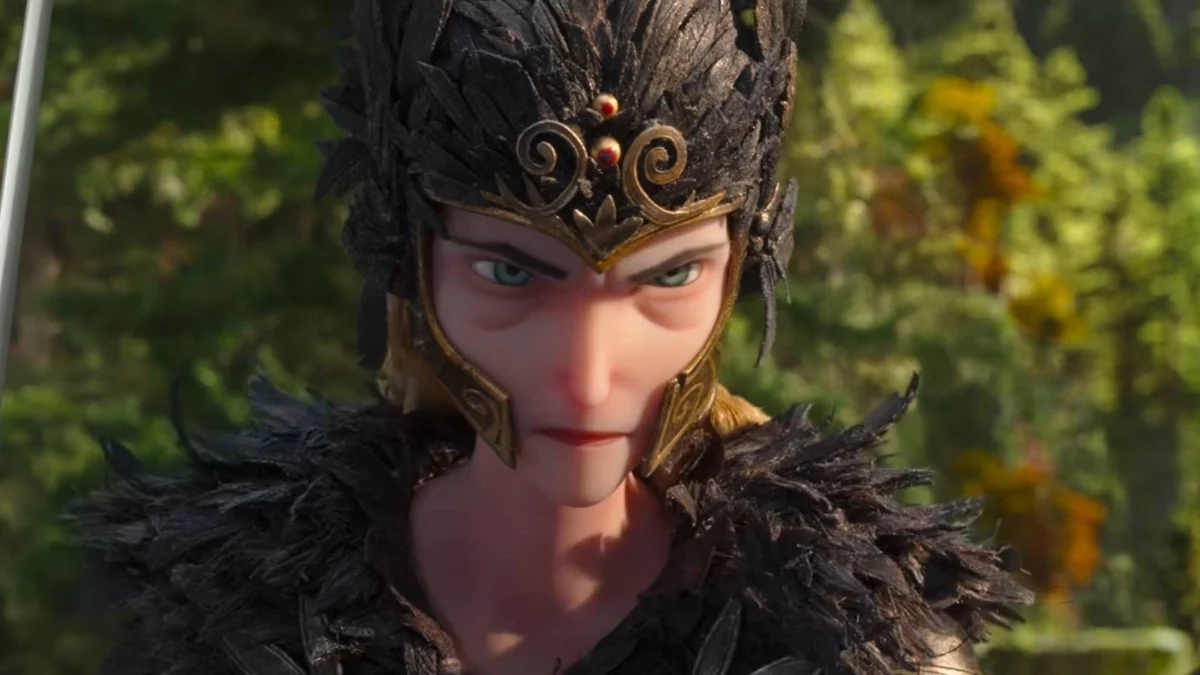
The animation landscape is currently buzzing with an intensity rarely seen in the post-pandemic era. At the center of this fervor is Wildwood, the latest offering from the Portland-based studio Laika, which has long been the gold standard for stop-motion excellence. Following a thunderous world premiere at the London Film Festival, the consensus among critics is near-unanimous: Wildwood is not merely another addition to the studio’s prestigious filmography—it is a towering, generation-defining achievement.
As the film prepares for its wide theatrical release on October 23, the industry is grappling with the magnitude of what director Travis Knight and his team have accomplished. Critics have begun drawing comparisons to the most monumental cinematic achievements of the 21st century, placing this stop-motion marvel in the same breath as Peter Jackson’s The Lord of the Rings trilogy and HBO’s Game of Thrones.
A Masterpiece of World-Building and Technical Prowess
The primary point of contention among early reviewers is not whether the film is good, but how, precisely, it was physically possible to create it. Laika has always been known for pushing the boundaries of what is possible with physical sets and puppets, but Wildwood reportedly shatters those limits.
Writing for The Next Best Picture, one critic described the film as a "masterpiece of stop-motion animation," specifically highlighting the scale of its conflict. "The battle sequences," the review noted, "rival the work seen in Game of Thrones or The Lord of the Rings." Such praise is significant, as it validates the immense labor inherent in the stop-motion process, where every frame must be meticulously manipulated by hand.
Travis Knight, who previously directed Kubo and the Two Strings, has long championed the "limitless possibilities" of the medium. Influencer @justmiaslife echoed this sentiment, calling the film "a testament to the limitless possibilities of animation." The film’s aesthetic density—the way it captures the tactile, lived-in feel of its titular forest—suggests a level of artistry that digital animation, for all its convenience, simply cannot replicate.
A 16-Year Odyssey: The Chronology of Wildwood
To understand the weight of Wildwood, one must look at the timeline of its creation. The project has been a labor of love for over 16 years, originating from a long-held desire at the studio to adapt the beloved fantasy novels.
- 2010–2015: Conceptualization and early development phases. During this period, Laika was busy refining its craft on films like ParaNorman and The Boxtrolls, while simultaneously laying the groundwork for the intricate world-building that Wildwood would eventually require.
- 2016–2020: The project moves into active development. This era saw the refinement of the script and the initial design phases for the complex puppets and environments that characterize the film’s unique look.
- 2021–2025: The heavy lifting. With the COVID-19 pandemic posing massive logistical hurdles to a studio that relies on physical proximity for its animators, the team navigated complex production schedules to ensure the film’s scope remained uncompromised.
- 2026: Completion and Premiere. The film makes its debut at the London Film Festival, instantly shifting the conversation in the film industry from "what is the next big animated film?" to "how will anything ever top this?"
This lengthy gestation period is perhaps why the film feels so fully realized. It is a work that has been refined, polished, and obsessed over, rather than rushed to meet a corporate quarterly target.
Supporting Data: The Commercial Challenge
Despite the overwhelming critical acclaim, there is a sober reality to face regarding the film’s commercial viability. According to BoxOfficePro, Wildwood carries an estimated budget of $100 million. While this is a reasonable figure for a high-end live-action tentpole, it is a significant investment for a stop-motion feature.
Early projections suggest a domestic opening weekend in the neighborhood of $10 million. In the modern theatrical landscape, this creates a fascinating—if concerning—dichotomy. We are seeing a film that is being heralded as a "crowning achievement" and "one for the ages," yet it faces an uphill battle to find a mass audience in the traditional sense.
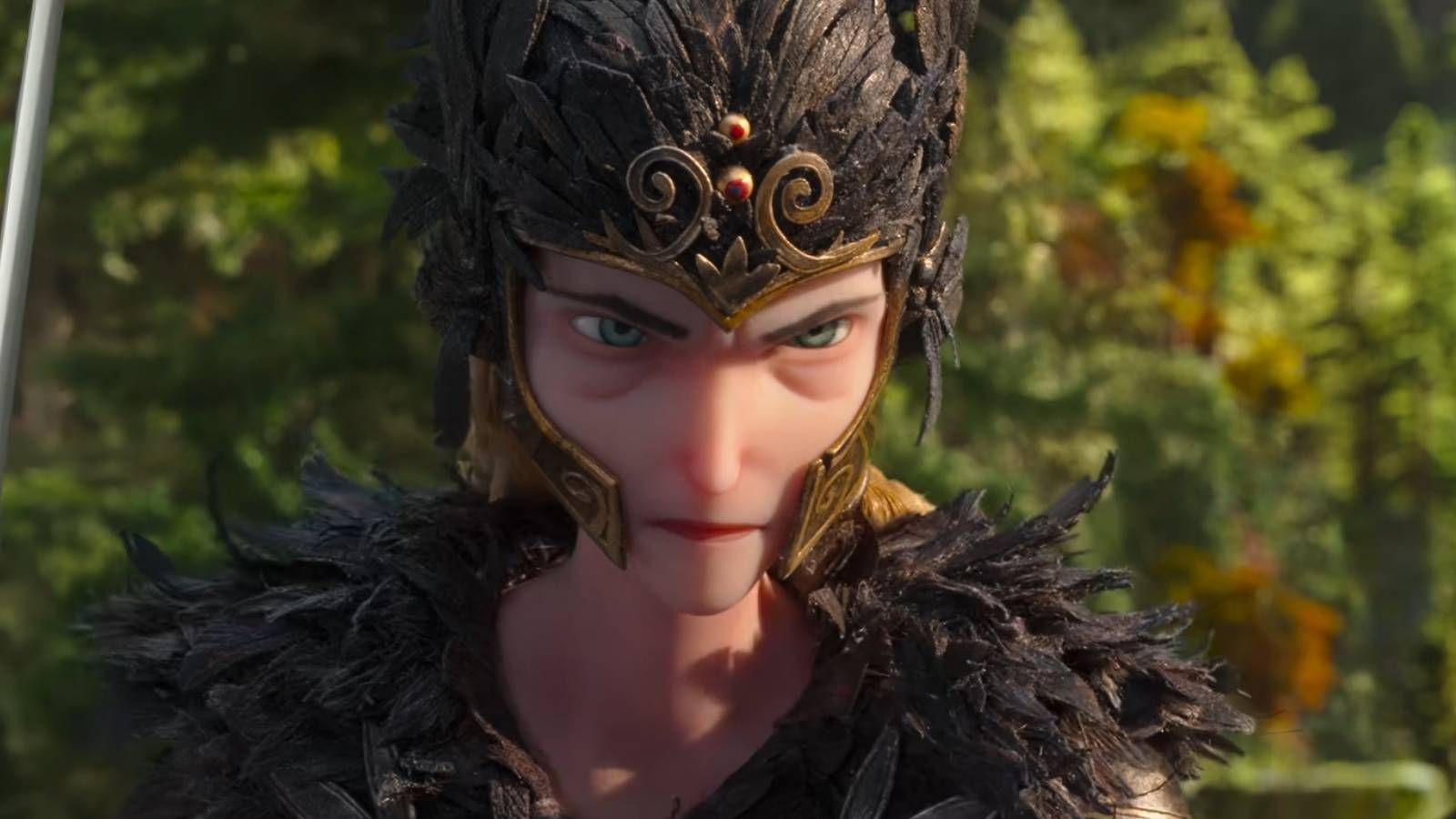
The history of Laika is built on the foundation of "cult classics." From Coraline to Kubo, the studio’s films often find their true, massive audiences years after their initial run, becoming touchstones for a new generation of viewers. As @MainstreamMatt noted on social media, "The kind of film which if I had seen it as a kid, I would have watched it hundreds of times since." The question for the studio, and for the industry at large, is whether the audience of 2026 will show up for a film that demands such emotional and intellectual patience.
Official and Critical Perspectives
The praise is not merely focused on the technical aspects; it is the emotional resonance of Wildwood that seems to have struck the deepest chord. Critics are noting that beneath the staggering "how did they do that?" animation, there is an emotionally rich, human story that anchors the spectacle.
In an industry currently dominated by sequels, reboots, and franchise extensions, Wildwood stands out as an original, visionary work. It represents a "crowning achievement" because it synthesizes the lessons learned from every project in Laika’s history. The studio has effectively created a film that honors the dark, whimsical tradition of fairy tales while utilizing cutting-edge, state-of-the-art stop-motion technology to bring it to life.
"My favorite of 2026," is a bold claim, but it is one that is being repeated by those who have seen the film. The message to the audience is clear: this is not a film to be consumed in the background. It is a film that demands to be seen in the theater, on the largest screen possible, to appreciate the microscopic details of its production.
The Broader Implications for Animation
The success of Wildwood carries significant implications for the future of the animation industry. It serves as a defiant counter-argument to the industry trend of shifting entirely toward CGI and AI-assisted generation. By sticking to the physical, the tangible, and the incredibly difficult, Laika is making a statement about the value of human labor in the creative process.
If Wildwood succeeds at the box office, it could signal a resurgence of appetite for high-budget, hand-crafted cinema. If it struggles, it may unfortunately reinforce the narrative that "niche" art-house animation cannot survive in a world of high-speed digital content. However, given the intensity of the current buzz, there is a palpable sense of hope. The film is being positioned as a cultural event, the kind of movie that shapes the tastes of a generation.
Conclusion: A Must-Watch Event
As October 23 approaches, the anticipation is palpable. Wildwood is more than just a movie; it is an experience that promises to define the year in film. For those who value the intersection of cutting-edge technology and heartfelt storytelling, there is no other choice.
Whether it becomes a massive financial blockbuster or remains a cherished, timeless classic that grows in stature over the decades, one thing is certain: Wildwood has cemented its place in the annals of cinema history. It is a breathtaking achievement that demands to be witnessed. As you prepare for your next trip to the cinema, make sure Wildwood is at the top of your list. It is, quite simply, the kind of filmmaking we rarely see anymore—and one we cannot afford to miss.

